
Experiencing chronic joint pain can severely limit your daily activities and diminish your overall quality of life. For individuals suffering from advanced osteoarthritis, finding the best robotic knee replacement surgery in Turkey offers a reliable pathway to restoring mobility and eliminating discomfort. This comprehensive evaluation focuses on the precise medical criteria required for successful joint arthroplasty procedures.
Medical professionals utilize advanced diagnostic tools to determine whether conservative treatments or surgical interventions will yield the highest long-term success rates. Patients seeking an affordable orthopedic surgery abroad frequently turn to highly specialized clinics for these innovative interventions. Understanding the complete treatment protocol is essential for making informed decisions regarding your musculoskeletal health.
Video Chapters & Quick Navigation
Evaluating Candidates for Total Knee Arthroplasty Procedures
A fundamental misconception exists that any level of joint discomfort automatically warrants surgical intervention. As noted at [00:00], not everyone experiencing knee pain is an immediate candidate for a prosthesis. Orthopedic specialists conduct thorough clinical assessments to separate temporary strain from chronic degenerative conditions.
The decision to proceed with joint replacement involves a complex matrix of patient-specific factors. Physicians closely examine the patient's age, overall activity level, and the specific biomechanical state within the joint cavity. This targeted evaluation ensures that invasive procedures are reserved exclusively for cases where structural damage is irreversible.
Biomechanical Factors Influencing Joint Degeneration
Biomechanical instability often serves as the primary catalyst for severe cartilage deterioration over time. When the natural alignment of the leg is compromised, uneven wear patterns develop across the protective surfaces of the knee. This asymmetrical friction accelerates the onset of osteoarthritis, leading to profound localized pain.
Diagnostic imaging, including high-resolution MRI and weight-bearing X-rays, provides surgeons with a clear map of this internal wear. These scans highlight areas where bone-on-bone contact is occurring, confirming the precise location of the biomechanical failure. Such detailed mapping is required to plan any future corrective measures accurately.
Non-Surgical Alternatives: Intra-Articular Injections for Knee Pain Relief
Before recommending a total joint replacement, medical professionals standardly explore conservative pain management strategies. Mentioned precisely at [00:08], intra-articular injections offer substantial benefits for patients presenting in the early stages of joint disease. These targeted therapies aim to reduce inflammation and temporarily restore natural lubrication within the knee capsule.
Various injectable solutions exist, ranging from basic corticosteroids to advanced hyaluronic acid formulations. Corticosteroids act rapidly to suppress severe inflammatory flare-ups, providing quick but often short-term relief. Conversely, hyaluronic acid supplements mimic the body's natural synovial fluid, offering prolonged cushioning for the degrading cartilage.
The Role of Regenerative Medicine in Delaying Surgery
Modern orthopedic practices frequently integrate regenerative approaches to postpone the need for complete surgical replacement. Platelet-rich plasma (PRP) therapy utilizes the patient's own concentrated growth factors to stimulate local tissue repair. While not a permanent cure for advanced osteoarthritis, PRP can significantly decrease pain scores and improve function for several months.
Clinical guidelines suggest utilizing these injection therapies systematically as part of a broader conservative care plan. When combined with targeted physical therapy and weight management, injections maximize the longevity of the native joint. However, as the structural degradation progresses, the efficacy of these conservative measures inevitably diminishes.
- Corticosteroid Injections: Provide rapid reduction of acute joint swelling and inflammation.
- Hyaluronic Acid: Acts as a synthetic shock absorber to reduce mechanical friction.
- Platelet-Rich Plasma (PRP): Harnesses natural healing proteins to soothe irritated joint linings.
Identifying When Knee Replacement Becomes Medically Necessary
The threshold for transitioning from conservative care to surgical intervention is strictly defined by the patient's functional decline. As highlighted at [00:16], surgery becomes a requirement when non-invasive measures fail to provide adequate relief. The defining factor is always the direct impact of the persistent pain on the individual's daily life.
Patients reach a critical point when routine oral analgesics and targeted injections lose their therapeutic effect. This stage of disease is characterized by pain that interrupts sleep cycles and prevents basic mobility, such as walking short distances. At this juncture, knee arthroplasty evolves from an elective option into a medical necessity to restore standard life quality.
Overcoming Pre-Surgical Anxiety and Misconceptions
It is entirely normal for patients to experience apprehension when facing major orthopedic surgery. However, modern surgical protocols have advanced significantly to minimize patient trauma and accelerate the healing timeline. Explained at [00:29], this procedure is no longer something to be feared, nor does it require continuous, long-term post-operative care.
Current surgical pathways prioritize rapid recovery and immediate mobilization within hours of the operation. The implementation of advanced regional anesthesia and enhanced recovery after surgery (ERAS) protocols keeps patients comfortable and independent. The vast majority of patients return to a self-sufficient lifestyle much faster than anticipated.
| Symptom Profile | Conservative Treatment Response | Recommended Medical Action |
|---|---|---|
| Intermittent pain after heavy activity | Positive response to NSAIDs and rest | Physical therapy and lifestyle modification |
| Frequent stiffness, moderate daily pain | Temporary relief from intra-articular injections | Continued monitoring, repeat injections as needed |
| Severe resting pain, sleep disruption | Medications and injections provide zero relief | Consultation for total knee replacement surgery |
How Robotic Knee Replacement Surgery Improves Patient Outcomes
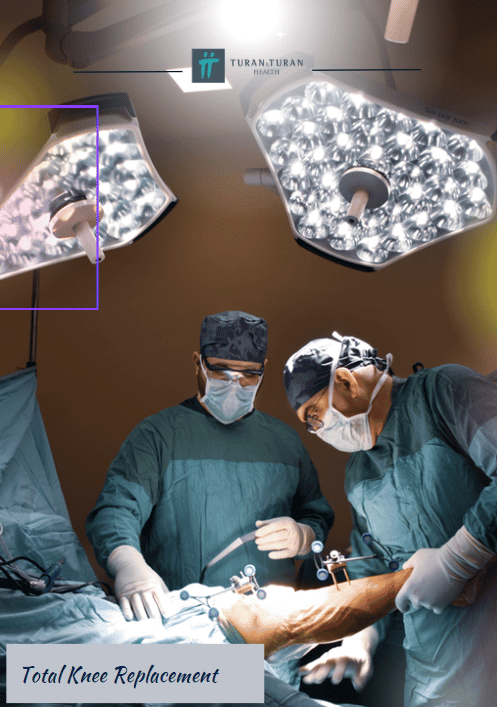
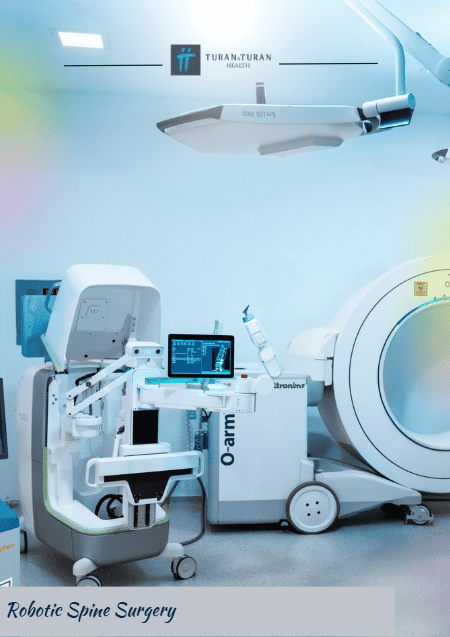
The integration of robotic assistance represents the most significant advancement in orthopedic joint replacement over the last decade. As outlined at [00:34], robotic systems allow surgeons to execute millimetric calculations during the bone preparation phase. This unparalleled level of precision is why robotic joint replacement benefits are highly sought after by medical tourists globally.
Unlike conventional manual techniques, robotic platforms utilize a 3D model of the patient's exact knee anatomy. The surgeon uses this model to pre-plan the implant placement before making a single incision. During the procedure, the robotic arm constrains the surgical tools within a predefined virtual boundary, eliminating the possibility of unintended bone removal.
Minimizing Soft Tissue Damage Through Advanced Technology
One of the core advantages of specialized robotic knee replacement surgery in Turkey is the preservation of healthy surrounding tissue. Described accurately at [00:41], the technology facilitates patient-specific cuts that inherently protect delicate ligaments and muscles. Less soft tissue manipulation directly translates to reduced post-operative swelling and diminished pain profiles.
Traditional surgery often requires broader exposures and manual alignment rods inserted into the bone marrow canal. Robotic systems bypass these invasive requirements, relying entirely on external tracking arrays and optical cameras. This minimally invasive approach drastically lowers the risk of post-operative complications and bleeding.
- Enhanced Implant Longevity: Precise alignment ensures even weight distribution across the new prosthetic joint.
- Personalized Surgical Planning: The procedure is customized to match the unique anatomical contours of each patient.
- Reduced Recovery Trajectory: Minimal soft tissue disruption promotes faster initial healing and quicker hospital discharge.
The Truth About Knee Replacement Recovery Time and Post-Op Mobility
A persistent myth surrounding joint replacement is the fear of permanent stiffness and loss of natural movement. Addressed thoroughly at [00:51], the idea that you will not be able to bend your knee after surgery is entirely false. In reality, restoring the joint's full range of motion is the primary objective of the entire surgical endeavor.
The modern prosthetic implants used today are designed to mimic the exact kinematics of a healthy biological knee. When placed correctly using robotic assistance, these components allow for deep flexion and full extension. Patients are often surprised by the immediate improvement in joint mechanics within the first few days following their operation.
Early Mobilization Strategies in the Hospital Setting
Recovery begins mere hours after the patient wakes up in the post-anesthesia care unit. Nursing staff and physical therapists immediately assist the patient in bearing weight and taking their first steps. This proactive early mobilization is critical for preventing deep vein thrombosis and stimulating the surrounding musculature.
During the brief hospital stay, patients practice essential daily tasks such as navigating stairs and getting in and out of beds. Pain management is tightly controlled to ensure that patients can participate fully in these early movement sessions. Leaving the hospital feeling confident in basic mobility is a crucial milestone in the overall recovery journey.
Essential Rehabilitation Steps for Full Knee Bending Range
Surgical excellence must be paired with diligent post-operative physical therapy to achieve the best possible long-term outcomes. As emphasized at [00:59], successful rehabilitation processes are determined jointly by the operating physician and specialized physical therapists. Strict adherence to this structured exercise program dictates the speed and quality of the final functional recovery.
The initial weeks of rehab focus heavily on reducing residual swelling and pushing the limits of joint flexion. Patients perform targeted stretching routines designed to break down internal scar tissue before it can mature and restrict movement. Consistency in these daily exercises is more important than the intensity of any single therapy session.
Strengthening the Surrounding Muscular Support System
Once adequate range of motion is achieved, the rehabilitation focus shifts toward rebuilding muscle strength. The quadriceps and hamstring muscles often atrophy severely during the years of chronic pain preceding the surgery. Strengthening these specific muscle groups is required to provide dynamic stability to the newly implanted robotic joint.
By the end of the formal physical therapy timeline, patients routinely return to low-impact recreational activities like swimming and cycling. The comprehensive knee replacement rehabilitation process ensures that the transition back to an active, pain-free life is smooth and permanent. Long-term follow-up appointments verify that the implant remains securely fixed and fully functional.
Evaluating the Cost of Knee Arthroplasty Procedure Abroad
Rising healthcare costs have prompted many patients to explore international options for their major orthopedic procedures. Seeking knee replacement surgery in Turkey provides access to world-class medical infrastructure at a fraction of the cost found in Western health systems. This affordability does not come at the expense of quality, as leading international hospitals employ identical robotic technologies and premium implant brands.
Transparent pricing models in overseas medical centers typically bundle the surgery, hospital stay, and initial rehabilitation into a single comprehensive package. This financial predictability is highly attractive for individuals facing massive out-of-pocket expenses in their home countries. Ultimately, combining elite surgical expertise with cost-effective care creates an unmatched value proposition for prospective joint replacement patients.
Ready to Regain Your Pain-Free Mobility?
Take the first step towards an active lifestyle. Get a personalized evaluation and learn more about affordable robotic knee replacement options today.
Get Free QuoteView Original Video Transcript
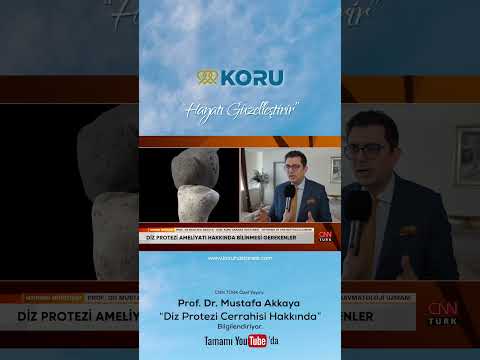
[00:00] Diz a?r?s? olan herkes protez aday? de?ildir.
[00:03] Ki?ilerin özel de?erlendirilmesi, ya?lar?, eklem içindeki biyomekanik durum çok önemlidir.
[00:08] Mevcut eklem içi enjeksiyonlar, hastalar?n erken dönemde bize ba?vurmalar?nda fayda gösterebilecek uygulamalar. Bilim de bize bunu söylüyor.
[00:16] Diz protezinin ?art oldu?u noktalar, asl?nda hastaya ba?l?.
[00:20] A?r? kesici ile ya da bu a?r?larla hayata devam edemeyecek noktaya gelen hastalar?m?za muhakkak diz artroplastisi ile çözüm sunabiliriz.
[00:29] Korkulacak bir cerrahi prosedür de?ildir. Ki?inin sürekli bir bak?ma ihtiyac? olmayacakt?r.
[00:34] Robotik sistemler; milimetrik hesaplamalar yap?lmas?na olanak sa?lad???ndan, protez ameliyatlar?nda da s?kça tercih ediliyor.
[00:41] Robotik diz cerrahisi her geçen gün geli?meye devam ediyor.
[00:44] Hastalara özgü kesilerin yap?labilmesi, daha az yumu?ak dokunun hasarlanmas? en önemli avantajlar?.
[00:51] Protez cerrahisi sonras? dizi bükememe gibi bir alg? do?ru de?il. Çünkü bizim amac?m?z zaten hareketli bir hayata hastay? geri döndürmek.
[00:59] Bu noktada hekimle birlikte karar verilen rehabilitasyon süreçlerini hastan?n uygulamas?, diz hareketlerinin eskisi gibi olmas?n? sa?layacak.






.png)
.png)


.png)











Share this listing