
Mazor X Robotic Spine Surgery in Turkey: Patient Video Review from Bursa
Chronic back pain can turn simple daily activities into major challenges. Many patients with spinal degeneration search for advanced options like Mazor X robotic spine surgery in Turkey, which combines robotic precision with the medical expertise of leading Turkish clinics.
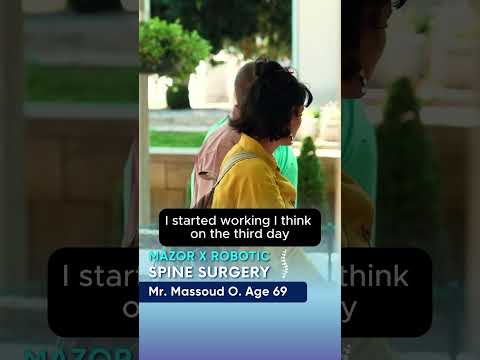
In this patient video, Mr. Massoud, a 69-year-old patient, shares his experience of robotic-assisted spinal fusion in Bursa. His mobility had dropped sharply before surgery, and the minimally invasive approach helped him avoid the long recovery typical of traditional open back surgery.
This guide covers his story, how the Mazor X system works, recovery after surgery, why Bursa suits healing, and how to prepare for lumbar surgery abroad.
Signs You Need Spinal Surgery
Progressive spinal conditions slowly reduce what you can do. Physical therapy and medication often lose their effect, and when mobility drops drastically, a surgical consultation becomes essential to protect long-term independence.
Mr. Massoud noticed a sharp decline in stamina. He explained, [00:00] "I used to walk about 20 30 minutes, but then now if I walk about 10 minutes I feel the pain." Rapid loss of walking tolerance is a common symptom of lumbar spinal stenosis and nerve compression.
Structural spinal problems rarely improve on their own. He understood this, saying [00:08] "otherwise the problem will continue and continue." Surgery was the only solution to relieve the nerve pressure.
Symptoms of Severe Nerve Compression
Nerve compression goes beyond local back aches. Patients often report sciatica (pain shooting down the legs), numbness, tingling, and muscle weakness. When pain limits walking to a few minutes, conservative care has likely run its course. Prompt evaluation by an orthopedic spine specialist, with a high-resolution MRI to locate the compression, helps prevent permanent nerve damage and guides surgical planning.
How Mazor X Surgery Works
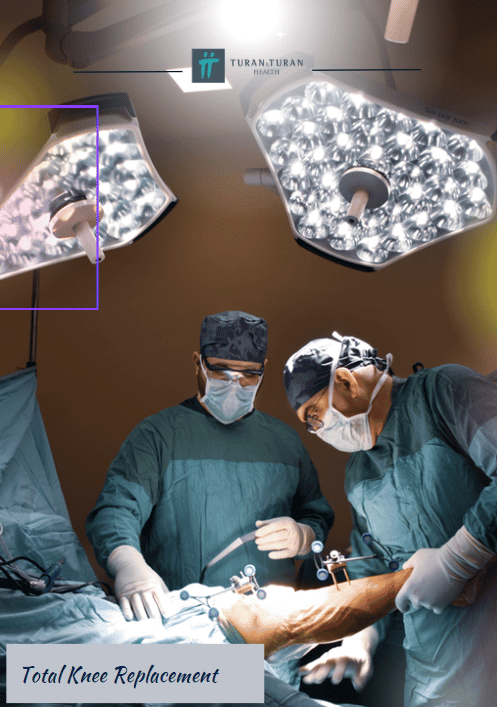
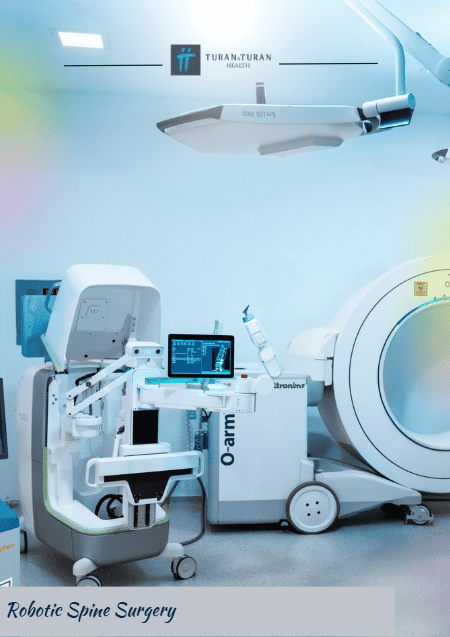
Mazor X robotic-assisted spinal fusion uses 3D planning software so surgeons can map the entire operation before the first incision. During surgery, the robotic arm guides instruments along pre-planned trajectories, placing implants and screws with sub-millimeter accuracy and lowering the risk of nerve damage.
Real-time imaging gives continuous feedback on spinal alignment. By reducing manual guesswork, the system limits trauma to healthy tissue, which typically means less blood loss and fewer complications.
Core Technologies of the Mazor X Platform
- Predictive 3D Analytics: Analyzes your spinal anatomy to choose the optimal size and placement of hardware.
- Automated Trajectory Alignment: The robotic arm locks onto the exact angle needed, preventing tremor or instrument deviation.
- Intraoperative Navigation: Continuous imaging lets surgeons see the spine in three dimensions.
- Minimally Invasive Retractors: Tools separate muscle fibers rather than cutting them, preserving back structure.
Robotic vs. Open Spine Surgery
Traditional open back surgery uses large incisions and strips muscle from the bone, the main cause of intense post-operative pain and long hospital stays. Minimally invasive spine surgery uses tubular retractors to create small surgical corridors, so muscles are separated rather than severed. Patients generally need fewer narcotic pain medications and report higher satisfaction in early recovery. Adding robotic guidance strengthens these benefits.
| Surgical Metric | Traditional Open Surgery | Mazor X Robotic Surgery |
|---|---|---|
| Incision Size | Large (often 5 to 8 inches) | Small (often 1 to 2 inches) |
| Muscle Disruption | Extensive cutting and stripping | Minimal; fibers are gently separated |
| Hardware Placement Accuracy | Manual freehand estimates | Sub-millimeter robotic precision |
| Average Hospital Stay | 4 to 7 days | 1 to 3 days |
Recovery After Spine Surgery
Because the surgical site experiences minimal trauma, inflammation is lower and physical therapy can begin sooner. Mr. Massoud's timeline shows this: [00:18] "I started [walking] I think on the third day... I was walking gradually without help." Walking independently within 72 hours of spinal fusion reflects the minimal tissue damage involved.
In the first days, staff monitor vital signs, manage mild discomfort, and check neurological function. Patients learn the log-roll technique to get out of bed without twisting the spine, and early gradual walking helps prevent blood clots and supports healing.
Spinal Fusion Rehabilitation Guidelines
After discharge, follow your customized rehabilitation plan. Therapists introduce gentle stretching, then gradually add core strengthening to support the fusing vertebrae. Observe lifting limits, typically nothing heavier than a gallon of milk for the first several weeks, and avoid bending, lifting, and twisting (the "BLT" restrictions) so the bone grafts solidify properly. Follow-up imaging confirms the hardware stays correctly positioned as fusion matures.
Spine Surgery in Turkey
Orthopedic medical tourism in Turkey has grown thanks to skilled surgeons, modern facilities, and accessible pricing. Many medical centers have invested in top-tier robotic systems, including the Mazor X platform.
For patients in North America or Western Europe, complex spinal surgery can be very costly and involve long waits. Internationally accredited Turkish hospitals offer faster treatment, and care packages often include airport transfers, accommodation, and a dedicated patient coordinator.
These institutions follow global hygiene standards, advanced surgical protocols, and rigorous post-operative monitoring, and surgeons often hold international certifications and training in minimally invasive neurosurgical techniques.
Recovering in Bursa
While Istanbul is a major hub for medical procedures, Bursa has emerged as a calm destination for orthopedic recovery. Set at the foothills of Mount Uluda?, the city offers clean air, historical charm, and a relaxed pace.
Mr. Massoud enjoyed his recovery there: [00:25] "Bursa is very interesting... taking around town we went to places." Light sightseeing encourages the walking that aids recovery while lifting mood.
Bursa is also known for its thermal springs and long wellness tradition, so patients can heal among parks, historical sites, and a mild climate rather than a hospital room.
Benefits of a Calm Recovery Destination
- Reduced Environmental Stress: Lower noise and traffic support relaxation during healing.
- Accessible Walking Paths: Flat, well-kept historical districts suit early post-operative walks.
- Therapeutic Atmosphere: Nature and thermal wellness traditions support a positive outlook.
Patient Experience in Turkey
Surgery in a foreign country can cause anxiety, but Turkish medical tourism is known for warm, attentive care. Mr. Massoud said, [00:37] "I consider people are very friendly, they are not hostile." Feeling welcome lets patients focus on rehabilitation.
He summed up his care: [00:41] "I feel like as if I'm a king." Medical and hospitality teams address logistical, medical, and emotional needs from arrival to departure.
Preparing for Surgery Abroad
Planning starts before your flight with virtual consultations with orthopedic specialists, where you submit recent MRI scans, X-rays, and medical history for evaluation.
Once you are accepted as a candidate, an international patient coordinator helps with medical visas, accessible accommodation for recovery, and pre-operative lab tests.
Travel with a trusted companion for the first days after surgery, and set up communication between your local doctor and the surgical team so care continues smoothly when you return home to finish physical therapy.
Ready to Explore Mazor X Spine Surgery in Turkey?
Don't let chronic spinal pain dictate your life. Learn how robotic spine surgery in Turkey can help, and connect with orthopedic specialists today.
Get Free QuoteView Full Video Transcript
[00:00] I used to walk about 20 30 minutes
[00:03] but then now if I walk about 10 minutes
[00:05] I feel the pain, go for the surgery
[00:08] otherwise the problem will continue and continue
[00:10] said without the only way
[00:12] the only way they could, you know,
[00:14] the only solution is to have surgery
[00:18] I started walking I think on the third day
[00:21] on the third day I was walking gradually without help
[00:25] Bursa is very interesting
[00:27] so taking around town we went to places
[00:30] people are very friendly
[00:32] they try to do the impossible best to help me
[00:37] and I consider people are very friendly
[00:39] they are not hostile
[00:41] I felt a quite kind of I feel like as if I'm a king


.png)
.png)
.png)









Share this listing