


A Guide to Robotic Scoliosis Surgery Cost in Turkey
-Cost-in-Turkey.png)
When you're facing a diagnosis of scoliosis and surgery becomes an option, one of the first questions that comes to mind, after understanding the procedure itself, is often about the cost. Especially when considering advanced techniques like robotic-assisted surgery with systems like Mazor-X, the financial aspect can be a significant concern. Many individuals explore international options to find high-quality care at more affordable prices, and Turkey has emerged as a leading destination for medical tourism, particularly for complex spinal procedures. This detailed guide will explore everything you need to know about the cost of robotic scoliosis surgery (Mazor-X assisted) in Turkey, what influences these prices, and why so many patients are choosing this pathway for their treatment. We'll break down the factors involved, provide clear answers to common questions, and help you understand what to expect.
How much does robotic scoliosis surgery (Mazor-X assisted) cost in Turkey?
Detailed Explanation: The precise cost for robotic scoliosis surgery using the Mazor-X system in Turkey can vary widely based on several factors, but it generally falls within a range that is notably more affordable than in many Western European countries or North America. This pricing attracts a large number of international patients seeking advanced spinal care without the prohibitive costs often found elsewhere. The quoted range of $18,000 to $35,000 is an average and can fluctuate depending on the complexity of the patient's condition, the number of vertebral levels requiring correction, the specific hospital chosen, and the duration of the hospital stay. While this figure provides a good benchmark, it is always crucial for prospective patients to obtain a personalized quote from their chosen medical provider.
What factors influence the cost of Mazor-X scoliosis surgery in Turkey?
Detailed Explanation: Understanding the various components that contribute to the overall cost can help patients budget and plan effectively. Here are the key factors:
- Scoliosis Severity and Complexity: The degree of spinal curvature and the complexity of the deformity directly impact the surgical time, the amount of instrumentation (screws, rods) needed, and the overall difficulty of the procedure. More severe cases requiring extensive correction will naturally incur higher costs.
- Number of Vertebrae Fused: Spinal fusion surgery involves joining several vertebrae. The more segments of the spine that need to be fused, the longer the surgery and the greater the material cost, leading to a higher overall price.
- Hospital Accreditation and Reputation: High-end private hospitals, especially those with international accreditations (like JCI), often have higher overheads and may charge more for their services. However, they also offer state-of-the-art facilities, advanced technology, and comprehensive patient care.
- Surgeon's Expertise and Experience: Highly experienced spinal surgeons specializing in robotic-assisted procedures may command higher fees. Their expertise is invaluable in ensuring the best possible outcomes.
- Duration of Hospital Stay: The standard hospital stay for scoliosis surgery can vary, typically ranging from 5 to 10 days. Any extensions due to post-operative monitoring or unexpected complications will add to the overall hospital bill.
- Pre-operative Diagnostics and Post-operative Care: While often included in package deals, extensive pre-operative imaging (MRI, CT scans) or specialized rehabilitation programs post-discharge can influence the final cost.
- Choice of Implants: The quality and brand of the surgical implants (rods, screws) used can also affect the price, although most reputable Turkish hospitals use internationally recognized, high-quality implants.
Why is Turkey a popular destination for robotic scoliosis surgery?
Detailed Explanation: Turkey's rise as a medical tourism hub is no accident. It has strategically invested in its healthcare infrastructure, creating an environment that attracts patients globally. For robotic scoliosis surgery, several factors contribute to its popularity:
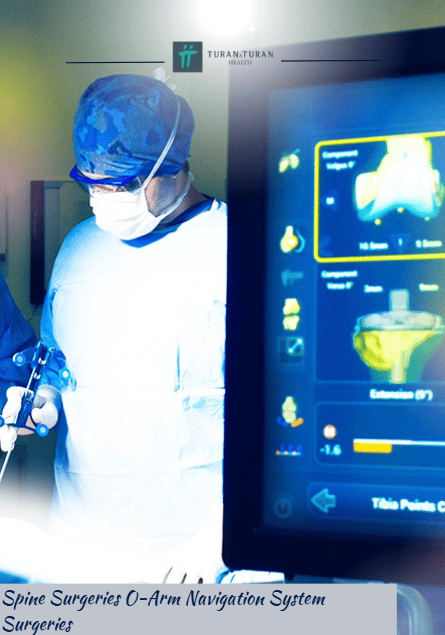
- Advanced Technology and Infrastructure: Turkish hospitals, particularly in major cities like Istanbul and Ankara, are equipped with cutting-edge medical technology, including the latest Mazor-X robotic navigation systems. These facilities rival those found in top-tier Western hospitals.
- Highly Qualified Medical Professionals: Many Turkish surgeons are trained internationally, possess vast experience in complex spinal surgeries, and are adept at using advanced robotic systems. They regularly handle a high volume of international patients, further refining their expertise.
- Cost-Effectiveness: As mentioned, the primary draw for many is the substantial cost savings. Patients can receive world-class treatment at a fraction of the price they would pay in their home countries, often without compromising on quality.
- International Accreditation: A significant number of Turkish hospitals hold international accreditations, such as those from the Joint Commission International (JCI). This signifies adherence to stringent quality and safety standards, providing assurance to international patients.
- Geographic Accessibility and Tourism Appeal: Turkey's strategic location makes it easily accessible from Europe, Asia, and Africa. Its rich history, vibrant culture, and beautiful landscapes also offer an appealing backdrop for recovery, making the medical journey a holistic experience.
- Efficient Medical Processes: Hospitals catering to medical tourists often have dedicated international patient departments that streamline everything from initial consultations and travel arrangements to post-operative support, ensuring a smooth experience.
What is included in the cost package for scoliosis surgery in Turkey?
Detailed Explanation: While packages can vary between hospitals and clinics, a comprehensive cost estimate for robotic scoliosis surgery in Turkey typically covers the following:
- Pre-operative Assessments: This includes initial consultations with the surgeon, necessary diagnostic tests like X-rays, MRI, CT scans, and blood tests to thoroughly evaluate the patient's condition and plan the surgery.
- Surgical Fees: Covers the cost of the surgical team (surgeon, assistant surgeons, anesthesiologist, nurses) and the use of the operating room, including the Mazor-X robotic system.
- Anesthesia Fees: The cost of general anesthesia administered by a qualified anesthesiologist during the procedure.
- Implants and Instrumentation: Includes the spinal rods, screws, and other hardware necessary for fusion, which are typically made of high-quality, biocompatible materials like titanium.
- Hospital Stay: Encompasses the costs associated with the hospital room, nursing care, meals, and basic amenities for the standard recovery period, usually ranging from 5 to 10 days in an intensive care unit (ICU) and a regular ward.
- Medications: Initial post-operative medications administered during the hospital stay, including pain relief and antibiotics.
- Basic Post-operative Follow-up: Often includes one or two follow-up consultations with the surgeon during the patient's stay in Turkey before returning home.
It is important to clarify with the hospital what is explicitly included and what might incur additional charges, such as extended stays, specialized rehabilitation, or specific travel arrangements.
How does Mazor-X technology improve scoliosis surgery outcomes?
Detailed Explanation: The Mazor-X robotic guidance system represents a significant leap forward in spinal surgery, offering numerous benefits for patients undergoing scoliosis correction:
- Unmatched Precision: The robot assists the surgeon in creating a detailed 3D surgical plan before the operation. During surgery, it guides instruments with sub-millimeter accuracy for pedicle screw placement, which is critical for successful fusion and minimizing risks to neural structures.
- Reduced Radiation Exposure: While imaging is still used, the precision of robotic guidance often allows for fewer intraoperative X-rays, reducing radiation exposure for both the patient and the surgical team.
- Minimally Invasive Potential: In some cases, robotic assistance can facilitate less invasive approaches, leading to smaller incisions, less muscle dissection, and potentially reduced blood loss. This can translate to less post-operative pain and faster recovery.
- Improved Safety Profile: The real-time navigation and guidance help surgeons avoid critical anatomical structures, significantly reducing the risk of nerve damage or other complications often associated with complex spinal surgery.
- Consistent Outcomes: The technology helps standardize screw placement, leading to more predictable and consistent surgical results in correcting spinal deformity.
These advancements make robotic scoliosis surgery a highly desirable option for patients and surgeons alike, enhancing the overall safety and effectiveness of the procedure.
Is robotic scoliosis surgery (Mazor-X) suitable for all scoliosis patients?
Detailed Explanation: While the Mazor-X system offers significant advantages, it is not universally applicable to every patient with scoliosis. The decision for robotic-assisted surgery is made after a comprehensive evaluation by a specialized spinal surgeon. Factors considered include:
- Type and Severity of Scoliosis: While effective for various types of scoliosis (idiopathic, congenital, neuromuscular), the complexity of certain curves or the presence of rigid deformities might influence the surgical approach.
- Patient's Age and Bone Health: Patients need to have sufficient bone quality for the screws to hold securely. Bone density is a key consideration.
- Overall Health Status: Patients must be fit enough to undergo a major surgical procedure and anesthesia. Co-existing medical conditions could be contraindications.
- Previous Spinal Surgeries: Prior spinal operations can alter spinal anatomy and scar tissue, potentially making subsequent robotic procedures more challenging or less suitable.
- Surgeon's Preference and Experience: Ultimately, the surgeon will assess if robotic assistance will genuinely benefit the specific patient's case, considering their expertise and the patient's unique spinal anatomy.
A detailed consultation, including physical examination, imaging studies, and discussion of medical history, is essential to determine if Mazor-X assisted surgery is the best course of action.
What are the risks associated with Mazor-X assisted scoliosis surgery?
Detailed Explanation: While robotic assistance aims to minimize risks, no surgical procedure is entirely without potential complications. Patients considering Mazor-X assisted scoliosis surgery should be aware of the following general and specific risks:
General Surgical Risks:
- Infection: Any surgery carries a risk of infection at the incision site or deeper in the spine.
- Bleeding: Significant blood loss during or after surgery may require transfusions.
- Blood Clots: Deep vein thrombosis (DVT) in the legs, which can sometimes travel to the lungs (pulmonary embolism).
- Anesthesia Risks: Adverse reactions to anesthesia, including allergic reactions or respiratory problems.
Specific Risks Related to Scoliosis Surgery and Implants:
- Nerve Damage: Though minimized by robotic precision, there's still a small risk of damage to spinal nerves, leading to weakness, numbness, or paralysis.
- Implant-Related Complications: Screws or rods can loosen, break, or shift, potentially requiring revision surgery.
- Pseudarthrosis (Non-union): The bones may fail to fuse properly, which can lead to continued pain and may necessitate further surgery.
- Adjacent Segment Disease: Increased stress on spinal segments above or below the fused area, potentially leading to degeneration over time.
- Persistent Pain: Even after successful surgery, some patients may experience ongoing pain or discomfort.
- Spinal Cord Injury: A very rare but severe complication that could lead to paralysis.
The Mazor-X system is designed to reduce many of these specific risks by improving the accuracy of instrumentation placement, but it does not eliminate them entirely.
What should patients consider when choosing a hospital for scoliosis surgery in Turkey?
Detailed Explanation: Choosing the right hospital for a complex procedure like robotic scoliosis surgery is paramount. Here are key considerations for patients looking at Turkey:
- International Accreditations: Look for hospitals with certifications from reputable international bodies like the Joint Commission International (JCI). This indicates adherence to global standards of patient safety and quality.
- Specialization and Experience: Opt for hospitals and surgeons with extensive experience specifically in spinal deformity correction and a proven track record with robotic-assisted surgery systems like Mazor-X. Inquire about the number of such procedures performed annually.
- Technological Infrastructure: Ensure the hospital is equipped with the latest diagnostic tools and surgical technology, including the specific robotic system you are interested in.
- Multilingual Staff and International Patient Services: A dedicated international patient department with staff who speak your language can significantly ease communication, logistics, and overall experience.
- Transparency in Pricing: Request a detailed, all-inclusive quote that clearly outlines what is covered and what might be extra. Avoid facilities that are vague about costs.
- Post-operative Care and Rehabilitation: Understand what kind of post-operative care and rehabilitation services are available both during your stay and remotely, should you need ongoing support after returning home.
- Patient Reviews and Testimonials: While not the sole factor, reviewing feedback from previous international patients can provide valuable insights into the hospital's service quality and patient experience.
What is the typical recovery time after robotic scoliosis surgery?
Detailed Explanation: Recovery from robotic scoliosis surgery, while potentially faster than traditional open surgery due to less tissue disruption, is still a significant process that requires patience and adherence to medical advice.
Here's a general timeline:
- Hospital Stay (5-10 days):
- Immediately after surgery, patients will be closely monitored in an intensive care unit (ICU) for 1-2 days.
- Once stable, they will move to a regular hospital room, where physical therapy begins with gentle mobilization and walking exercises.
- Pain management is carefully controlled.
- First 4-6 Weeks Post-Discharge:
- Patients will need assistance with daily activities and should avoid bending, lifting heavy objects, and twisting.
- Light walking is encouraged, but strenuous activities and sports are strictly forbidden.
- Pain levels will gradually decrease, managed with prescribed medications.
- 3-6 Months Post-Surgery:
- Gradual return to light activities and school or sedentary work.
- Physical therapy will intensify, focusing on core strengthening and flexibility, as approved by the surgeon.
- Restrictions on heavy lifting and high-impact sports usually remain.
- 6-12 Months and Beyond:
- Most patients can typically return to most normal activities, including many sports, after the 6-12 month mark, provided bone fusion is progressing well.
- Full bone fusion can take up to a year or even longer. Regular follow-up appointments with the surgeon are crucial to monitor progress.
It's vital for patients to follow their surgeon's specific post-operative instructions and physical therapy regimen to ensure optimal recovery and long-term success.
How does the cost of robotic scoliosis surgery in Turkey compare to Western countries?
Detailed Explanation: The cost differential between Turkey and Western countries for advanced medical procedures like robotic scoliosis surgery is one of the most compelling reasons for medical tourism.
Consider the following comparison:
| Region | Estimated Cost (USD) | Factors Contributing to Cost |
|---|---|---|
| Turkey | $18,000 - $35,000 | Lower operational costs, favorable exchange rates, government support for medical tourism, competitive market. |
| United States | $80,000 - $150,000+ | High overheads, insurance complexities, higher salaries for medical professionals, extensive legal liabilities. |
| Western Europe (e.g., UK, Germany) | $50,000 - $100,000+ | Generally lower than US but still significantly higher than Turkey due to higher living costs, labor costs, and taxation. |
The substantial difference is due to several economic factors: lower labor costs for medical staff, reduced administrative expenses, more affordable medical supplies and pharmaceuticals, and a favorable exchange rate for foreign currencies. Despite these lower costs, the quality of care, technology, and surgeon expertise in accredited Turkish hospitals often meet or exceed international standards, providing excellent value for international patients.
Considering a complex and life-changing procedure like robotic scoliosis surgery, exploring options in Turkey can offer a compelling balance of high-quality care and financial accessibility. If you are exploring options for robotic scoliosis surgery or other specialized medical treatments and seeking transparent information, PlacidWay can connect you with reputable international healthcare providers that offer advanced solutions tailored to your needs.

-Cost-in-Turkey.png)

.png)


.png)
.png)
.png)

.png)
.png)
.png)










Share this listing