

When back or neck pain starts affecting walking, sleep, work, or nerve function, choosing where to have surgery can feel as important as choosing the operation itself.
Spine surgery in Turkey vs Germany involves a real trade-off: Turkey often offers lower private prices and an established international-patient pathway, while Germany offers a highly regulated hospital system with detailed public quality reporting. Current Turkey spine-care quotes average about $9,200, while Germany generally sits higher, especially for fusion, artificial disc replacement, and complex reconstruction.
Quick Summary: Spine Surgery in Turkey vs Germany
- Turkey cost: current verified spine-care quotes average about $9,200, with most clinics between $5,400 and $13,000.
- Germany cost: current procedure estimates are typically higher, with endoscopic microdiscectomy around $6,500–$9,500, laminectomy around $7,500–$11,000, artificial disc replacement around $14,000–$19,500, and minimally invasive fusion around $15,500–$22,000.
- Turkey quality check: verify the hospital’s International Health Tourism Authorization Certificate under the Ministry of Health’s 2025 regulation.
- Germany quality check: confirm the surgeon’s valid Approbation, State Chamber registration, specialist designation, and the hospital’s current statutory quality report.
- Best-value question: compare the exact operation, levels treated, implant, neuromonitoring, hospital nights, rehabilitation, and complication coverage rather than comparing country averages alone.
- Complex cases: revision fusion, deformity, tumor, infection, spinal cord compression, and multilevel surgery may require more hospital infrastructure than a routine one-level discectomy.
- Recovery: minimally invasive surgery may shorten early recovery for suitable cases, but procedure complexity and neurological status matter more than the country.
- Main caution: do not travel for elective spine surgery until your diagnosis, neurological findings, imaging, surgeon credentials, hospital resources, and postoperative plan are independently verified.
Spine Surgery in Turkey vs Germany: The Main Differences
Turkey generally competes on price, private access, and international-patient coordination, while Germany competes on regulation, public quality transparency, and depth of complex hospital infrastructure. Both countries can offer modern decompression, fusion, endoscopic surgery, artificial disc replacement, and revision care.
The right choice depends on the operation you actually need. A healthy patient with a one-level lumbar disc herniation may prioritize minimally invasive access, convenience, and price. A patient with severe scoliosis, a failed fusion, spinal tumor, infection, or progressive spinal cord dysfunction may prioritize a tertiary referral center with highly specialized multidisciplinary teams.
Do not choose by national reputation alone. Germany has excellent and average hospitals; Turkey has excellent and average hospitals. The surgeon, facility, case volume, technology, infection prevention, postoperative monitoring, and complication policy are the clinically meaningful variables.
| Factor | Turkey | Germany | Patient implication |
|---|---|---|---|
| Private self-pay cost | Usually lower | Usually higher | Turkey may fit tighter budgets |
| International-patient coordination | Common package-based model | Often hospital-specific international office | Ask who coordinates records, translation, and follow-up |
| National quality transparency | Ministry authorization and quality standards | Legally required annual hospital quality reports | Germany offers more public hospital-level data |
| Doctor regulation | National medical/specialty system | Approbation plus compulsory State Chamber registration | Verify the exact surgeon in either country |
| Complex tertiary care | Available in major private and university centers | Deep network of university and specialist hospitals | Complex cases may justify a higher-resource center |
Spine Surgery Cost in Turkey vs Germany
Turkey is usually less expensive for self-pay spine surgery, but the gap varies significantly by procedure. Current verified Turkey spine-care quotes average about $9,200, with most clinics between $5,400 and $13,000. Istanbul currently averages about $8,325.
Procedure type matters. Percutaneous endoscopic lumbar discectomy in Turkey currently averages about $7,620, while verified spinal-fusion pricing is around $11,250 in the current data set. Germany generally prices above Turkey for major reconstructive surgery, artificial disc replacement, and fusion, although straightforward endoscopic decompression may overlap with higher-end Turkish prices.
The price comparison below uses current planning estimates, not guaranteed quotations. A final invoice can change with number of spinal levels, implants, navigation, neuromonitoring, ICU care, complexity, previous surgery, infection, deformity, and rehabilitation needs.
| Spine procedure | Turkey planning range | Germany planning range | Main cost drivers |
|---|---|---|---|
| Endoscopic / microdiscectomy | About $5,400–$9,840 | About $6,500–$9,500 | Level, endoscope, anesthesia, hospital stay |
| Lumbar laminectomy / decompression | Often within $5,400–$13,000 spine-care range | About $7,500–$11,000 | Levels treated, instability, fusion need |
| Spinal fusion | Current verified example around $11,250 | About $15,500–$22,000 for MIS fusion | Levels, screws, cages, graft, navigation, length of stay |
| Artificial disc replacement | Provider-specific; requires implant quote | About $14,000–$19,500 | Disc model, number of levels, approach, imaging |
| Complex revision / deformity | Individualized | Individualized, often above standard fusion | Bone loss, deformity, prior implants, neuromonitoring, ICU |
What Spine Surgery Packages Usually Include in Turkey and Germany
Turkey more commonly markets bundled international packages, while German hospitals often issue procedure-based self-pay estimates with services itemized through the hospital pathway. Neither model is inherently better. Transparency matters more than format.
A Turky spine surgery package may include surgeon and anesthesiologist fees, hospital admission, routine tests, standard implants, medications, translator support, airport transfer, and hotel nights. German international-patient estimates may separate physician, hospital, implant, imaging, and rehabilitation components more explicitly.
For either country, ask whether neuromonitoring, navigation, intraoperative imaging, special implants, ICU care, extra hospital nights, rehabilitation, complication treatment, and revision surgery are included.
| Package component | Turkey | Germany | What to verify |
|---|---|---|---|
| Surgeon + anesthesia | Often bundled | Often itemized in hospital estimate | Names, roles, separate fees |
| Implants | Standard system may be included | Usually procedure-specific | Brand, model, number of levels |
| Neuromonitoring | May be included for complex cases | Often itemized when required | Who performs and interprets it |
| Hotel / transfers | Common in medical-tourism packages | Usually patient-arranged | Accessibility and companion cost |
| Rehabilitation | Often limited early sessions | Hospital or rehabilitation network | Inpatient vs outpatient sessions |
Choosing a Spine Surgery Hospital in Turkey
For an international patient, the first Turkey-specific credential to verify is the hospital’s current International Health Tourism Authorization Certificate. Turkey updated its Regulation on International Health Tourism and Tourist Health on May 9, 2025. The framework defines authorization and service requirements for healthcare facilities treating international health tourists.
Do not rely only on a JCI logo or medical-tourism brochure. International accreditation can add context when current, but Turkey’s own Ministry of Health authorization and national Health Quality Standards are the primary regulatory signals. Ask the hospital to identify the exact legal facility where surgery will occur.
For complex spine surgery, confirm ICU access, blood bank, neurology or neurosurgery backup, vascular surgery availability when anterior approaches are planned, advanced imaging, microbiology, infection management, and urgent revision capability.
Request the current Ministry of Health authorization certificate for the exact hospital.
Confirm ICU, blood bank, imaging, infection support, and emergency revision resources.
Verify navigation, neuromonitoring, endoscopy, microscope, or robot availability only if relevant to your case.
Request manufacturer, model, regulatory documentation, lot or serial data, and implant stickers.
Ask who reviews wounds, neurological symptoms, X-rays, rehabilitation, and emergency questions after you travel home.
Use JCI or similar accreditation only as an additional signal, not the primary safety check.
Choosing a Spine Surgery Hospital in Germany
Germany offers unusually strong public hospital transparency because approved hospitals must publish structured annual quality reports. The Federal Joint Committee, or G-BA, defines the required content, format, submission, and publication process. Reports include departments, staffing, treatment spectrum, medical services, and structural information.
The Bundes-Klinik-Atlas also allows patients to search roughly 1,600 hospitals and compare current hospital-level information. Its latest update uses 2024 treatment-case, bed, and nursing data. These tools are useful when comparing university hospitals, large referral centers, and specialized spine departments.
For complex surgery, review whether the hospital has neurosurgery, orthopedic spine surgery, intensive care, vascular surgery, infectious disease, rehabilitation, and high-volume imaging under one system. A small specialist clinic may be excellent for a routine endoscopic procedure but less suitable for a large deformity or revision operation.
How to Verify Spine Surgeons in Turkey vs Germany
Surgeon verification should focus on legal specialist status and procedure-specific experience. In Turkey, spine surgery may be performed by neurosurgeons or orthopedic surgeons with relevant spine training. Ask for recognized specialty credentials, hospital privileges, fellowship or society training, and annual volume for your exact operation.
In Germany, a doctor must hold a valid Approbation or authorized temporary licence to practise. Practising physicians must belong to a State Chamber of Physicians. The State Chambers are legally responsible for specialist training and specialist designations. Use the relevant chamber’s physician search or request verification directly.
Do not stop at the title “spine surgeon.” Ask whether the surgeon’s main background is neurosurgery or orthopedics, how many cervical, lumbar, deformity, tumor, endoscopic, artificial-disc, or revision cases they personally perform, and who manages complications.
| Surgeon check | Turkey | Germany | What you should ask |
|---|---|---|---|
| Legal practice status | Verify recognised medical and specialty credentials | Approbation plus State Chamber registration | Can I independently verify your current licence? |
| Specialty | Neurosurgery or orthopedics/traumatology | Facharzt designation under State Chamber rules | Which specialty and spine training apply to my operation? |
| Case volume | Provider-specific | Provider-specific | How many procedures like mine each year? |
| Revision experience | Must be confirmed separately | Must be confirmed separately | What causes of failed surgery do you routinely treat? |
Technology and Procedure Choice in Turkey vs Germany
Both countries can offer advanced spine technology, but technology should follow the diagnosis rather than drive it. Endoscopy, tubular retractors, surgical microscopes, navigation, intraoperative CT, neuromonitoring, robotic screw guidance, and artificial disc implants can all be valuable in selected cases.
Turkey’s private international hospitals often promote minimally invasive endoscopy, navigation, and robotic systems because these technologies are attractive to self-pay patients. Germany has a long-established ecosystem of university and specialist centers that frequently use minimally invasive techniques, artificial disc replacement, navigation, and complex reconstruction.
The key question is not “Which country has the newest robot?” It is “What problem does this technology solve in my case?” A robot may help screw placement but cannot decide whether a fusion is necessary. An endoscope can reduce tissue disruption but may be unsuitable for major instability or deformity.
May suit selected disc herniations when anatomy and symptoms match a focused decompression.
Can assist implant planning and screw placement but does not replace surgical judgment.
May be important when spinal cord or nerve structures are at higher risk during deformity or complex surgery.
Preserves motion in selected patients but requires careful assessment of facets, alignment, bone quality, and level.
Who Travels for Spine Surgery, and What Do Recent German Data Show?
Reliable current data separating international spine-surgery travelers to Turkey and Germany by nationality, age, and sex are not publicly available in enough detail to create a trustworthy destination-specific demographic profile. Patients travel for reasons such as price, specialist access, second opinions, revision expertise, a preferred technique, or private scheduling.
Germany’s recent national hospital statistics provide useful context for the clinical population rather than for medical tourists. Destatis reported 369,441 coded lumbar-spine access procedures in 2024 and 231,423 “other operations on the spine,” showing the large scale of inpatient spine care. In the 2024 age table for that latter category, the largest grouped share was age 65–84.
These German figures should not be interpreted as proof that Germany produces better outcomes. They demonstrate procedure volume and age distribution within a national hospital system.
Lumbar-Spine Access Procedures in Germany
Destatis data show continued growth from 2020 through 2024.
Source: Federal Statistical Office of Germany, GENESIS table 23141-0101, OPS 5-032.
Age Distribution for “Other Spine Operations” in Germany
Grouped from 2024 Destatis age-band data for OPS 5-839.

About Article
- Treatment: Spine Care/Surgery
- Country: Turkey
- Overview Deciding between spine surgery in Turkey and Germany involves balancing cost, technology, and surgical expertise. This guide offers a detailed, side-by-side comparison to help you choose the best destination for your specific medical needs.
Unlock the Best Spine Care/Surgery Packages Just for You
Discover the ultimate Spine Care/Surgery packages designed to meet your health and wellness goals. Choose the perfect fit for your journey.

Price starting from $10,000
Minimally Invasive Spine Surgery Package by ADATIP Hospital in Istanbul, Turkey
ADATIP Hospital Group
- Spine Care/Surgery
, Turkey
Price starting from $10,000
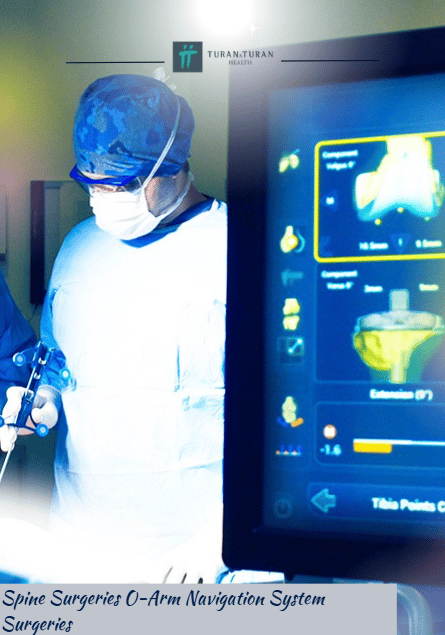
Spinal Stenosis Surgery Package in Istanbul, Turkey by Turan Turan
Turan Turan Robotic Surgery Center and Orthopedic Clinic in Turkey
- Spine Care/Surgery
Istanbul,Bursa, Turkey
Price starting from $10,000
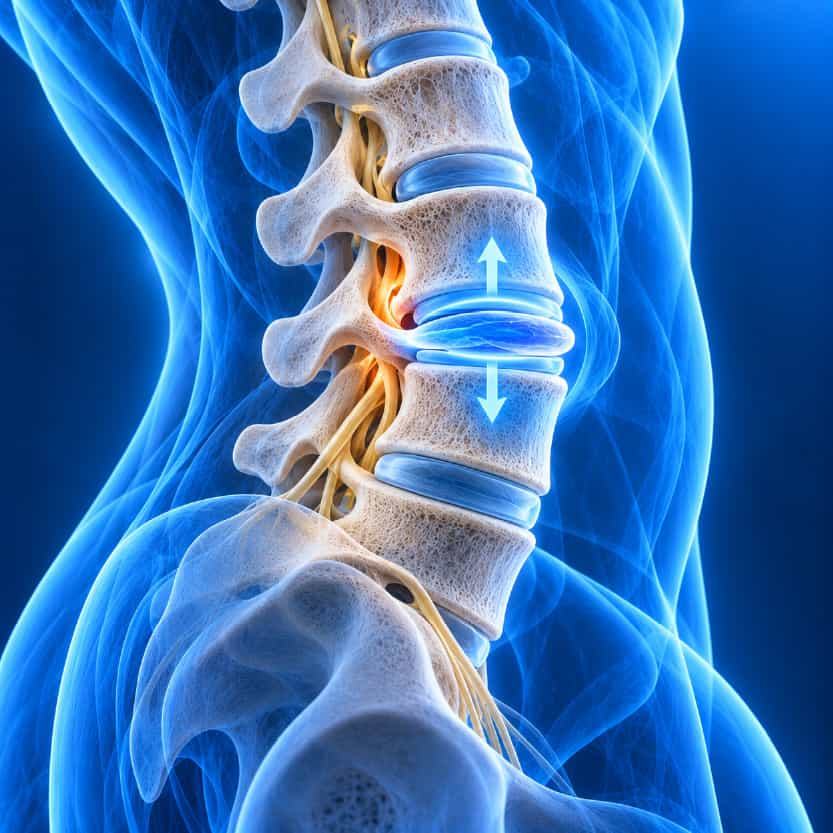
Spinal Decompression Surgery Package in Istanbul, Turkey by Biruni Hospital
Biruni Hospital in Istanbul Turkey
- Spine Care/Surgery
Istanbul, Turkey
Price starting from $10,000
Disc Surgery Package in Istanbul, Turkey for International Patients with Persistent Back Pain
International Multispecialty Hospital in Istanbul, Turkey
- Spine Care/Surgery
Istanbul, Turkey
Spine Care/Surgery Solutions Near You: Explore Top Medical Centers
Discover how Spine Care/Surgery is transforming lives at leading medical centers in , Turkey. Dive into center profile, specialties, doctors, reviews, etc. and explore the best options tailored to your needs in this region.

Biruni Hospital in Istanbul Turkey
Istanbul, Turkey

ACIBADEM Bayındır Hospital
Istanbul,Ankara, Turkey

Istanbul Okan University Hospital
Istanbul, Turkey

Turan Turan Robotic Surgery Center and Orthopedic Clinic in Turkey
Istanbul,Bursa, Turkey
Transformative Spine Care/Surgery Experiences: Dive into Procedure Insights
Discover the power of Spine Care/Surgery through compelling patient experiences. Uncover detailed insights into procedures, recovery journeys, and life-changing results.



Price starting from $28,000
Spinal Decompression Surgery in Saudi Arabia
- Spinal Decompression, Spine Care/Surgery
Saudi Arabia

Explore Spine Care/Surgery: Stories, Testimonials, and Procedures
Watch in-depth videos covering everything from Spine Care/Surgery success stories to detailed procedure explanations. Learn what to expect and hear from real patients.
Precision Robotic Spinal Decompression in Bursa, Turkey
Spine Care/Surgery
Romatem - Cyprus Physical Therapy and Rehabilitation
Turkey

Night Leg Cramps and Herniated Discs: Understanding Nerve Compression at Romatem Izmir
Spine Care/Surgery
Romatem - Cyprus Physical Therapy and Rehabilitation
Turkey

Medical Tourism in Istanbul, Turkey – Transforming Lives with Expert Healthcare
Spine Care/Surgery
International Multispecialty Hospital in Istanbul, Turkey
Turkey

Rapid Recovery and Lasting Relief – Endoscopic Lumbar Hernia Surgery in Busra, Turkey
Spine Care/Surgery
Turan Turan Robotic Surgery Center and Orthopedic Clinic in Turkey
Turkey
Learn More with These Spine Care/Surgery Articles
Take a look at these interesting articles, stories and research that will help you learn more about Spine Care/Surgery.
Spine Surgery in Turkey vs Qatar - A Comprehensive Guide for Medical Tourists
PlacidWay Medical Tourism
- Spine Care/Surgery
Turkey

Spine Surgery in Istanbul, Turkey: A Patient’s Guide to Safety, Costs, and Choosing the Right Specialist
PlacidWay Medical Tourism
- Spine Care/Surgery
Turkey

Spine Surgery in Turkey vs UK: Your Ultimate Comparison Guide
PlacidWay Medical Tourism
- Spine Care/Surgery
Turkey








Share this listing