

The global healthcare landscape has dramatically shifted over the past decade, positioning specific destinations as hubs for highly specialized medical procedures. Recently, there has been a significant surge in German patients seeking affordable robotic spine surgery in Turkey to alleviate chronic back pain and correct complex spinal deformities. Facing long waitlists and high private medical costs at home, these patients are looking beyond borders to access cutting-edge surgical interventions.
Turkish medical institutions have heavily invested in next-generation robotic systems, attracting an increasing number of international health travelers. This influx has transformed medical tourism in Turkey into a highly sophisticated sector, combining rigorous international medical standards with world-renowned hospitality. Patients traveling for these procedures generally experience a streamlined process tailored specifically for cross-border care.
- Significant investments in state-of-the-art robotic surgical infrastructure.
- A rapid increase in specialized international patient departments across urban centers.
- Shorter surgical waiting times compared to standard public health systems in Western Europe.
- Integration of comprehensive rehabilitation protocols within the surgical timeline.
Turkey hosts one of the highest numbers of Joint Commission International (JCI) accredited hospitals in the world, ensuring rigorous global safety protocols are maintained.
Understanding How Advanced Robotic Spine Surgery Works
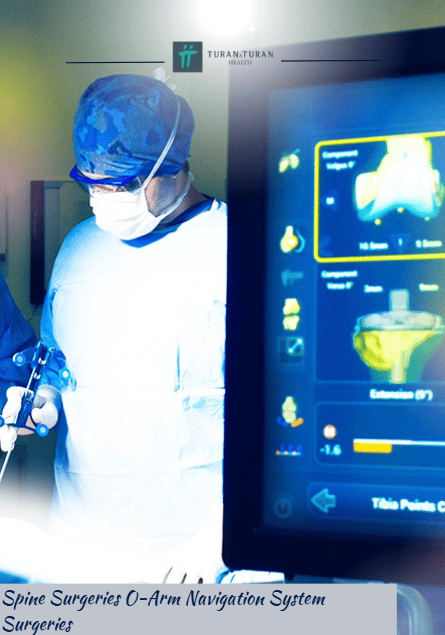
Robotic spine surgery represents a major leap forward from traditional open-back surgical methods, utilizing highly sophisticated software and robotic arms to assist surgeons in the operating room. Before the procedure begins, advanced imaging techniques create a precise 3D blueprint of the patient's unique spinal anatomy. This detailed mapping allows the surgical team to plan the exact trajectory and placement of spinal implants long before the first incision is ever made.
During the operation, the surgeon remains in complete control, guiding the robotic arm which serves to hold instruments perfectly steady at predetermined angles. This technological assistance is especially beneficial in complex cases like robotic spinal fusion in Turkey, where millimeter-level accuracy is required. Most patients experience less soft tissue disruption because the robotic guidance allows for significantly smaller, more targeted incisions.
- Pre-operative 3D Planning: Allows customized surgical blueprints tailored to individual patient anatomy.
- Real-time Navigation: Provides surgeons with live imaging feedback to ensure precise screw placement.
- Enhanced Stability: Robotic arms eliminate natural human tremors during critical phases of the operation.
- Minimally Invasive Execution: Typically requires smaller incisions, preserving surrounding healthy muscle tissue.
Robotic guidance systems can improve the accuracy of pedicle screw placement in spinal fusions to over 98%, significantly reducing the risk of adjacent nerve damage.
Why German Health Travelers Prefer Medical Tourism in Turkey
For many Germans, the primary driver for seeking international healthcare is the ability to bypass lengthy administrative waiting periods while still accessing world-class technology. When researching options, the proximity of Turkish medical tourism hubs makes it an incredibly convenient choice, with direct flights from major German cities typically taking only a few hours. This ease of access minimizes the physical strain of travel for patients who are already dealing with debilitating chronic back pain.
Furthermore, cultural familiarity and widespread language support play a crucial role in patient comfort. Many top-tier hospitals employ bilingual coordinators and medical staff fluent in German and English, removing stressful communication barriers. The blend of high-end clinical care, relatively low costs, and a comforting environment makes the destination highly attractive for major orthopedic decisions.
- Short, direct flight routes from major European and German airports.
- Extensive language support including native German-speaking patient advocates.
- Ability to undergo surgery rapidly without enduring public healthcare waitlists.
- Access to multi-disciplinary care teams integrating neurology, orthopedics, and physical therapy.
According to industry reports, hundreds of thousands of European patients travel internationally for medical care annually, with a growing double-digit percentage specifically seeking advanced orthopedic and spinal interventions.
Affordable Robotic Spine Surgery Cost in Turkey Compared to Germany
Financial considerations are often the deciding factor for patients evaluating cross-border healthcare options. The overall spine surgery cost in Turkey is substantially lower than what is typically quoted in private German clinics, despite utilizing the exact same state-of-the-art robotic platforms. This pricing difference is primarily due to lower operational overheads, favorable exchange rates, and a highly competitive local medical market rather than any compromise in medical quality.
Patients are generally provided with comprehensive cost estimates before travel, which encompass surgical fees, hospital stays, and required medical imaging. While private insurance in Germany may not always cover elective international procedures, the out-of-pocket expenses abroad frequently remain much lower than domestic co-pays for similar private treatments. Below is an estimated cost comparison for typical procedures.
| Procedure Name | Average Cost Range in Turkey | Estimated Cost in Germany (Private) |
|---|---|---|
| Robotic Lumbar Fusion (1-2 levels) | €10,000 - €14,000 | €25,000 - €35,000 |
| Robotic Discectomy / Decompression | €6,500 - €9,000 | €15,000 - €22,000 |
| Complex Robotic Scoliosis Correction | €18,000 - €25,000 | €40,000 - €60,000+ |
Always ask for an itemized estimate before committing. Ensure your quote clarifies whether pre-operative imaging (MRIs/CT scans), anesthesia, and standard post-operative physical therapy sessions are included in the base price.
Advanced Technology and Techniques Used for Robotic Spine Surgery in Turkey
The success of modern orthopedic interventions heavily relies on the caliber of medical equipment available. Top-tier spine surgery clinics in Turkey are equipped with internationally recognized robotic platforms, such as the Mazor X or ExcelsiusGPS systems, which represent the pinnacle of surgical navigation. These technologies integrate advanced optical tracking and intraoperative CT scanning, providing the surgical team with unprecedented anatomical visibility.
By employing these sophisticated systems, surgeons can execute minimally invasive spine surgery with remarkable consistency. The technology minimizes radiation exposure for both the patient and the medical staff by reducing the need for continuous fluoroscopy (live X-rays) during the operation. This shift toward high-tech, precise intervention is transforming how complex spinal disorders are treated internationally.
- Utilization of cutting-edge robotic platforms widely used in North America and Western Europe.
- Integration of intraoperative neuromonitoring to safeguard neural pathways.
- Significant reduction in intraoperative radiation exposure through advanced 3D mapping.
- Application of specialized microscopic tools that operate seamlessly with robotic guidance.
Minimally invasive techniques facilitated by robotics can sometimes reduce blood loss during spinal fusion surgeries by more than 50% compared to traditional open procedures.
The Step-by-Step Patient Journey for Spine Surgery in Turkey
Embarking on international medical travel requires a well-structured plan, and dedicated patient coordination teams typically manage every clinical detail of the journey. The process generally begins with a remote consultation, where German patients submit their recent MRIs and medical histories securely online. Specialists review these documents to determine initial candidacy for robotic intervention and formulate a preliminary surgical approach.
Upon arriving at the destination, patients undergo comprehensive in-person diagnostics, including fresh imaging and blood tests, to confirm the surgical plan. Following medical clearance, the surgery is performed, and patients transition into specialized recovery wards. The structured nature of this journey ensures that international patients feel guided and supported from their initial inquiry to their flight back home.
- Step 1: Remote Assessment: Initial evaluation of medical records and virtual consultations with the surgical team.
- Step 2: Pre-Surgical Testing: In-depth physical exams, anesthesia clearance, and advanced imaging upon arrival.
- Step 3: Surgical Intervention: The robotic-assisted procedure takes place in a highly specialized operating theater.
- Step 4: Hospital Recovery: A carefully monitored hospital stay involving pain management and early mobilization therapy.
Expected Recovery Timeline After Robotic Spine Surgery in Turkey
Recovery is a highly individualized process, but robotic interventions generally promote faster healing timelines compared to conventional surgeries. Most patients experience a shorter initial hospital stay, typically ranging from three to five days, during which medical staff focus on pain control and initial physical therapy. Because muscle tissues are gently separated rather than cut during minimally invasive procedures, post-operative discomfort is typically reduced.
Following discharge from the hospital, patients are generally advised to remain in the country for an additional week for follow-up appointments and clearance to fly. During this period, light walking is encouraged to promote blood circulation and healing. Full recovery and the resumption of strenuous activities can take several months, demanding adherence to a structured rehabilitation program once the patient returns to Germany.
- Days 1-3: Hospital stay focusing on pain management, wound care, and assisted walking.
- Days 4-10: Outpatient recovery in the destination country, attending follow-up checks.
- Weeks 2-6: Gradual return to light daily activities at home in Germany, initiating gentle physical therapy.
- Months 3-6: Long-term tissue healing and fusion consolidation, generally allowing a return to standard work and hobbies.
Early mobilization is critical for spinal recovery. Patients undergoing minimally invasive robotic surgery are typically encouraged by physiotherapists to stand and take small steps within 24 hours of their procedure.
Potential Risks and Important Safety Considerations for Spine Surgery
It is vital for patients to understand that all medical interventions, regardless of technological advancements, carry inherent risks. While robotic assistance significantly mitigates human error and enhances surgical precision, patients must be aware that outcomes cannot be completely guaranteed. Transparent conversations with the surgical team regarding individual risk factors, such as age, weight, and pre-existing medical conditions, are mandatory.
General surgical risks include reactions to anesthesia, post-operative infections, and deep vein thrombosis (blood clots). Specific to spinal procedures, patients may face risks such as hardware malposition, nerve irritation, or failure of the bones to fuse properly (pseudoarthrosis). Following all pre-operative guidelines and post-operative physical restrictions is crucial to minimizing these potential complications.
- Risk of surgical site infections, requiring strict adherence to wound care protocols.
- Potential for hardware complications or non-union of the spinal fusion.
- Temporary or, in rare cases, permanent nerve damage affecting mobility or sensation.
- General risks associated with prolonged general anesthesia, especially in older adults.
Patients with severe osteoporosis or active infections are typically contraindicated for certain robotic spine surgeries. Always disclose your complete medical history and a full list of medications to your international surgical team to ensure the highest level of safety.
Qualifications of Spine Surgeons and Quality of Care in Turkey
The standard of care in premier international healthcare facilities relies heavily on the expertise of their medical professionals. Specialists performing complex spinal surgeries in these hubs typically boast impressive credentials, often completing rigorous fellowships in North America or Western Europe. This global exchange of medical knowledge ensures that surgeons are well-versed in the latest global best practices and technological advancements.
Quality of care is further reinforced by strict institutional accreditations and peer-reviewed safety protocols. Many of the hospitals catering to German patients maintain JCI accreditation, which dictates severe standards for clinical care, hygiene, and patient safety. This combination of highly trained surgical talent and robust institutional oversight provides a strong foundation of trust for medical travelers.
- Surgeons frequently hold board certifications from European or international orthopedic and neurosurgical societies.
- Continuous medical education requirements to maintain proficiency in the latest robotic platforms.
- Multidisciplinary medical boards review complex cases to determine the safest surgical route.
- Strict adherence to international hygiene and sterilization standards in operating theaters.
Many top-tier international surgeons perform upwards of 200 robotic spine procedures annually, resulting in a high volume of specialized experience that contributes to generally lower complication rates.
Preparing for Your Medical Travel and Robotic Spine Surgery in Turkey
Proper preparation is key to ensuring a smooth and stress-free medical travel experience. German patients should begin by gathering all relevant medical documentation, including high-resolution MRI or CT scans taken within the last three months, and translating critical health summaries if necessary. Securing medical clearance from a local general practitioner in Germany can also streamline the pre-operative process upon arrival.
Mentally and physically preparing for the journey is equally important. Patients should optimize their health prior to surgery by quitting smoking, which drastically impedes bone fusion, and engaging in light physical activity if approved by their doctor. Additionally, organizing post-operative care at home—such as arranging for a physical therapist and modifying living spaces to avoid stairs—will make the return transition much smoother.
- Compile all medical records, imaging CDs, and a comprehensive list of current medications.
- Cease smoking and the use of nicotine products at least four weeks prior to the surgery.
- Arrange for a companion to travel with you to assist with mobility and emotional support.
- Pre-schedule follow-up physical therapy appointments in Germany for when you return.
Pack loose, comfortable clothing and slip-on shoes for your trip. After spine surgery, bending over to tie shoelaces or struggling with tight garments is highly restricted.
Comparing Traditional Versus Robotic Spine Surgery Outcomes
When weighing treatment options, understanding the distinct differences between traditional open surgery and modern robotic techniques is vital. Traditional spinal procedures generally require large incisions that strip muscles away from the spine to provide the surgeon with a clear line of sight. While effective, this approach typically results in significant post-operative pain, increased blood loss, and longer rehabilitation periods.
In contrast, robotic procedures utilize sophisticated imaging to guide instruments through tiny, precise incisions. This minimally invasive spine surgery approach preserves the structural integrity of the back muscles. Most patients experience less reliance on heavy narcotic pain medications post-surgery and report a faster return to their daily routines, making the technological upgrade a highly compelling choice for medical travelers.
- Incision Size: Robotic surgery uses micro-incisions; traditional uses long, open cuts.
- Muscle Damage: Robotics gently separate muscle fibers; traditional methods cut or detach them.
- Accuracy: Robotic mapping minimizes human error in screw placement significantly better than freehand techniques.
- Recovery Speed: Minimally invasive approaches typically halve the initial hospitalization time.
Because robotic arms provide steady, mapped trajectories, the incidence of revision surgeries required due to misplaced spinal hardware is remarkably lower than in traditional freehand surgeries.
Patient Success Stories for Robotic Spine Surgery in Turkey
Hearing from individuals who have navigated the international healthcare system provides valuable insight and reassurance for prospective patients. Many German travelers who initially hesitated to seek medical care abroad find that the level of professionalism and the positive clinical outcomes far exceed their expectations. These experiences highlight the real-world impact of accessing advanced orthopedic care without the burden of long waiting lists.
While individual outcomes naturally vary based on medical history and condition severity, a vast majority of patients report significant improvements in mobility and pain reduction. Here are a few summaries of patient experiences regarding their medical journeys and recovery phases.
H. Weber from Munich
After struggling with severe sciatica for two years and facing a ten-month wait in Germany, H. Weber opted for international care. He underwent a minimally invasive robotic decompression and noted that the bilingual staff made him feel incredibly safe. By day four, he was walking the hospital corridors with minimal discomfort.
A. Schmidt from Berlin
Diagnosed with degenerative disc disease, A. Schmidt chose a robotic fusion procedure abroad due to the high domestic private costs. She reported that the precision of the robotic technology resulted in a remarkably small scar and a recovery process that felt much faster than her previous traditional back surgery.
M. Klein from Frankfurt
M. Klein was anxious about traveling for a complex spinal correction. The comprehensive pre-operative 3D mapping explained by his international surgical team put him at ease. He successfully returned to Germany after two weeks, transitioning smoothly into his local physical therapy routine.
J. Becker from Hamburg
Suffering from spinal stenosis, J. Becker appreciated the seamless coordination of his clinical care. He found the advanced surgical facilities to be exceptionally modern. Post-surgery, he experienced significant relief from nerve pain and has since resumed his passion for cycling.
How PlacidWay Assists Your Robotic Spine Surgery Medical Tourism Journey in Turkey
Navigating the complexities of international healthcare can be overwhelming, especially when managing a painful spinal condition. A trusted medical tourism partner acts as a vital bridge between patients and top-tier healthcare providers worldwide. PlacidWay specializes in empowering patients with the necessary resources and connections to make informed, confident decisions regarding their cross-border medical treatments.
By offering dedicated support and access to a vetted network of internationally accredited medical institutions, the pathway to advanced orthopedic care becomes transparent and accessible. The focus is entirely on facilitating a high-quality clinical experience tailored to the patient's unique health requirements.
- Access to a comprehensively vetted network of internationally accredited hospitals and highly specialized surgeons.
- Facilitation of secure medical record transfers and initial remote consultations with top medical experts.
- Assistance in acquiring detailed, transparent medical treatment estimates directly from healthcare facilities.
- Provision of objective, educational resources to help patients understand different surgical techniques and safety protocols.
- Ongoing patient advocacy to ensure seamless communication between you and your chosen medical team.
Frequently Asked Questions About Robotic Spine Surgery in Turkey
When considering advanced medical procedures abroad, patients naturally have numerous questions regarding logistics, safety, and care quality. Being well-informed is the first step toward a successful medical journey and optimal surgical outcome. Addressing common concerns helps establish realistic expectations for the entire process.
Below are frequently asked questions from German and international patients who are evaluating this innovative surgical option. These answers provide a foundational understanding of what to expect before, during, and after the medical intervention.
Why are German patients traveling for robotic spine surgery in Turkey?
German patients often travel for this procedure because of the significantly lower spine surgery cost in Turkey combined with access to state-of-the-art robotic technology and highly experienced surgeons, reducing wait times.
How much does robotic spine surgery cost in Turkey?
The cost typically ranges from €10,000 to €18,000 depending on the complexity of the procedure. This is generally much more affordable compared to prices in Western European countries.
Is robotic spine surgery completely risk-free?
No surgery is entirely risk-free. While robotic assistance enhances precision, patients may still face standard surgical risks such as infection, bleeding, or hardware complications.
How long do I need to stay in Turkey for recovery?
Most patients are advised to stay in Turkey for 10 to 14 days post-surgery. This allows the medical team to monitor the initial healing phase and remove any sutures before clearance to fly.
What kind of technology is used in spine surgery clinics in Turkey?
Leading facilities utilize advanced navigation and robotic platforms that allow for real-time 3D mapping and highly accurate screw placement during spinal procedures.
Will I need to speak Turkish to receive care?
No, most international hospitals employ fluent English and German-speaking medical staff and dedicated patient coordinators to ensure clear communication.
Are Turkish spine surgeons properly qualified?
Yes, many specialists performing these procedures have undergone rigorous international training, hold global board certifications, and work in internationally accredited facilities.
Can I get follow-up care when I return to Germany?
Yes, most patients transition their follow-up care to their local orthopedist or physical therapist in Germany. Comprehensive medical records are provided in English or German upon discharge.
How long is the actual surgical procedure?
Depending on the complexity, a robotic spinal procedure generally takes between two to five hours. Minimally invasive approaches typically require less time under anesthesia than traditional open surgeries.
Do I need a special visa for medical tourism in Turkey?
Citizens of Germany typically do not need a visa for short-term medical visits up to 90 days. However, it is always recommended to verify current travel regulations prior to departure.
Ready to take the next step toward a pain-free life? Let PlacidWay guide you to world-class robotic spine surgery options today.
References
- Mayo Clinic. Spinal Fusion - Overview, Risks, and What to Expect. https://www.mayoclinic.org/tests-procedures/spinal-fusion/about/pac-20384523
- World Health Organization (WHO). Patient Safety and Quality of Care Guidelines. https://www.who.int/health-topics/patient-safety
- Cleveland Clinic. Minimally Invasive Spine Surgery. https://my.clevelandclinic.org/health/treatments/17235-minimally-invasive-spine-surgery

.png)






.png)

.png)

.png)
.png)
-2-(1).png)
.jpg)








Share this listing