What treatment


20+ Key FAQs on Spine Care/Surgery in Turkey
Questions About Spine Care/Surgery in Turkey? Start Here
Trusted Medical Tourism Platform Since 2007
.png)
Is Robotic Spine Surgery in Turkey a Safe Choice for Saudi Patients With Degenerative Disc Disease?
Yes, robotic spine surgery in Turkey is a highly safe and effective option. Modern Turkish hospitals offer 98% implant accuracy and 95%+ overall success rates, matching the world's top medical centers, while costing 50% to 60% less than private healthcare options in Saudi Arabia. If you are living with degenerative disc disease, you already know the daily toll it takes. The sharp pain shooting down your legs when you stand up. The dull, constant ache in your lower back that makes sitting through a family gathering in Riyadh or Jeddah feel like an endurance test. You have likely tried the medications, the physical therapy, and the steroid injections, only to find the relief is temporary. You are ready to reclaim your life, but the thought of spine surgery is daunting. You may be asking yourself: Is robotic spine surgery in Turkey a safe choice for Saudi patients with degenerative disc disease? It is completely normal to feel anxious about leaving your home country for a major medical procedure. You might worry about the quality of the technology, the language barrier, or what happens if something goes wrong. We understand those fears. In this comprehensive guide, we are going to walk you through the exact costs, the cutting-edge robotic technology, and the step-by-step reality of traveling to Turkey for spinal relief, giving you the honest information you need to make a confident decision. Quick Facts: Robotic Spine Surgery (Saudi Arabia vs. Turkey) Average Cost (Private Sector KSA) $25,000 - $40,000+ Average Cost (Turkey) $10,000 - $18,000 Surgical Success Rate 92-95% (KSA) vs 95-98% (Turkey Robotic) Hospital Stay / Recovery 3-5 Days / Walking within 24 hours Major Complication Rate 2-4% (Highly rare with robotics) What is Robotic-Assisted Spinal Fusion for Degenerative Disc Disease? Robotic spine surgery uses advanced 3D imaging and a robotic arm to help surgeons place titanium screws and rods with sub-millimeter accuracy. It stabilizes the painful, worn-out discs in your spine through tiny incisions. When you have degenerative disc disease, the cushions between your spinal bones dry out, shrink, and lose their ability to absorb shock. This causes the bones to rub together, pinching nerves and causing severe back and leg pain. To fix this, surgeons perform a "spinal fusion," essentially welding two or more vertebrae together so they stop moving and grinding. In traditional surgery, the doctor relies on their eyes and manual X-rays to place the screws. Robotic spine surgery changes the game entirely. Here is how the process works in simple terms: 3D Mapping: Before you even enter the operating room, advanced CT scans create a complete 3D blueprint of your unique spine. Digital Planning: The surgeon plans the exact size, angle, and depth of every titanium screw on a computer monitor, avoiding delicate nerves. Robotic Guidance: During surgery, a robotic arm (like the Mazor X or ExcelsiusGPS) moves into the exact planned position over your back. Minimally Invasive Placement: The surgeon slides their instruments through a tiny tube guided by the robot. The robot ensures the surgeon's hand stays perfectly on the planned path. Stabilization: The painful disc is removed, a bone graft is placed, and the area is secured. Over the next few months, it heals into one solid piece of bone. The biggest benefit here is precision. By removing human tremor and the guesswork of navigating through muscle, robotic systems reduce tissue damage, lower blood loss, and drastically speed up your recovery compared to traditional open back surgery. Why Choose Robotic Spine Surgery in Turkey for Chronic Back Pain? Choosing Turkey means accessing world-class robotics, avoiding long wait times, and enjoying VIP medical care with Arabic translation all while saving tens of thousands of dollars compared to private hospitals at home. You might wonder why thousands of patients from the Gulf region fly to Istanbul every year for orthopedic care. It is not just about the price tag; it is about the entire patient experience. Unmatched Precision (Health): The robotic arms used in Turkish hospitals achieve 98% to 99% accuracy in screw placement. This virtually eliminates the risk of nerve damage and prevents the need for revision surgeries down the road. Muscle-Sparing Technique (Function): Because the robot allows for minimally invasive incisions (often less than an inch), your back muscles are gently pushed aside rather than cut. This means less postoperative pain and a faster return to normal life. Immediate Availability (Convenience): In many public health systems, waiting for a specialized robotic spine procedure can take 6 to 12 months. In Turkey, your surgery can typically be scheduled within a few weeks of your consultation. VIP Medical Concierge (Comfort): Turkish medical tourism is highly structured. From the moment you land, you are provided with airport transfers, luxury recovery accommodations, and dedicated Arabic-speaking patient coordinators. Shorter Hospital Stays (Duration): Traditional fusion keeps you in the hospital for 5 to 7 days. Robotic assistance reduces tissue trauma, allowing most patients to be discharged in just 2 to 3 days. How Much Does Robotic Spine Surgery Cost in Turkey Compared to Saudi Arabia? You can expect to save 50% to 60%. A robotic lumbar fusion in Turkey averages $12,000 to $16,000, whereas the same procedure in a private Saudi hospital easily exceeds $30,000. Let us look at the numbers frankly. Healthcare is expensive, and bringing cutting-edge robotics into the operating room adds to that cost. However, the geographic economics of medical care make a massive difference. Procedure Private Clinic (Saudi Arabia) JCI Hospital (Turkey) Estimated Savings Robotic Lumbar Fusion (1 Level) $30,000 - $40,000 $12,000 - $16,000 55 - 60% Robotic Lumbar Fusion (2 Level) $45,000 - $55,000 $15,000 - $20,000 60 - 65% Cervical Disc Replacement $25,000 - $35,000 $9,000 - $14,000 55 - 60% Minimally Invasive Laminectomy $18,000 - $25,000 $6,000 - $9,000 60 - 65% Bone Grafting Material $2,000 - $4,000 $800 - $1,500 55 - 60% Why is the price so much lower in Turkey? It is crucial to understand that the implants (the titanium screws and rods) and the robotic systems (such as Medtronic or Globus Medical machines) cost roughly the same globally. The savings come entirely from Turkey's lower cost of living, lower administrative overhead, and differences in currency exchange rates. You are paying less for the hospital room and the labor, not for cheaper medical supplies. Are Turkish Hospitals Safe for Saudi Patients Needing Spine Surgery? Yes. Top-tier Turkish hospitals hold JCI accreditation (the gold standard in global healthcare). They use the exact same surgical robots, MRI machines, and strict sterilization protocols as the leading hospitals in Riyadh or the United States. Safety is the defining factor in any medical decision. The thought of spinal surgery going wrong is terrifying, which is why choosing a highly regulated, technologically advanced environment is paramount. Turkey has spent the last two decades building an infrastructure specifically to cater to international medical tourists demanding Western standards of care. Quality Metric Private KSA Hospitals JCI Turkish Hospitals Notes Implant Materials FDA/CE Approved Titanium FDA/CE Approved Titanium Identical international brands used. Robotic Technology Available in select top centers Widely available in Istanbul hubs Turkey frequently updates its tech fleet. Infection Rates 1-3% 1-2% Strict JCI sterilization compliance. Surgeon Training US/UK/Local trained US/Europe trained fellowships Many Turkish surgeons hold international memberships. Here is what ensures your safety: JCI Accreditation: The Joint Commission International is the strictest hospital evaluator in the world. Turkey has one of the highest numbers of JCI-accredited hospitals globally, meaning they are continually audited for patient safety, hygiene, and clinical outcomes. High Surgeon Volume: Surgical skill is directly tied to repetition. Because Turkey serves patients from Europe, the Middle East, and the US, top spinal surgeons perform hundreds of robotic procedures annually, mastering their craft far beyond surgeons with lower patient volumes. Continuous Monitoring: During the procedure, neuromonitoring tracks your nerve function in real-time. If a screw comes even a millimeter too close to a nerve, the system alerts the surgeon instantly. Language and Advocacy: Major hospitals employ full-time Arabic translators to ensure you understand every aspect of your diagnosis, consent forms, and recovery instructions. You are never left guessing. What is the Timeline for Traveling from Saudi Arabia to Turkey for Spine Surgery? Expect to be in Turkey for about 10 to 14 days total. The flight from Riyadh or Jeddah is roughly 4 hours. You will undergo surgery on day 2 or 3, recover in the hospital for a few days, and then rest at a hotel before flying home. Planning a medical trip requires organization, but comprehensive medical packages handle almost all the logistics for you. Here is your typical journey phase-by-phase: Pre-Travel (Weeks 1-2): You share your MRI and medical records digitally. The surgical team reviews them and provides a customized surgical plan and cost estimate. Arrival & Pre-Op (Days 1-2): A VIP vehicle picks you up from the Istanbul airport. You meet your surgeon, complete physical exams, blood work, and the crucial 3D CT scan needed for the robotic programming. Surgery & Hospitalization (Days 3-6): The minimally invasive surgery takes 2 to 4 hours. You will spend the next 2 to 3 days in a private hospital suite where nurses manage your pain and physical therapists help you take your first steps. Hotel Recovery (Days 7-12): You move to a comfortable nearby hotel to rest. You will return to the clinic for a final check-up and dressing change. Return Home (Day 13-14): Once the surgeon clears you for air travel, you fly back to Saudi Arabia to complete your long-term bone healing (which takes 3 to 6 months). Important considerations for Saudi patients: Medical Visas: Saudi citizens can easily obtain an e-Visa for Turkey online in minutes. Travel Companion: Bring a spouse or family member. While the hospital staff is excellent, having a loved one to help you pack, manage luggage, and provide emotional support is vital during the first week. Post-Op Care at Home: Arrange an appointment with your local orthopedic doctor in Saudi Arabia for roughly 4 weeks after your return to check your progress and take follow-up X-rays. Who is a Good Candidate for Robotic Spine Surgery in Turkey? Ideal candidates have chronic back pain from disc degeneration that hasn't responded to 6 months of conservative treatment. Severe osteoporosis or uncontrolled health conditions may require alternative treatments. Robotic precision is incredible, but surgery is still surgery. It is not the first line of defense; it is the definitive solution when everything else has failed. You are likely a great candidate if you: Have MRI-confirmed degenerative disc disease, spinal stenosis, or spondylolisthesis. Experience severe localized back pain or radiating nerve pain (sciatica) down your legs. Have tried physical therapy, rest, and medications for at least 6 months without relief. Are experiencing weakness or numbness in your legs that affects your walking. Are generally healthy enough to undergo general anesthesia. Are looking for the highest possible accuracy to protect your spinal nerves. You may need to reconsider or undergo special preparation if you: Have severe osteoporosis: Very brittle bones may not hold the titanium screws well. Special cement-augmented screws might be needed, which requires careful pre-operative planning. Are heavily obese: High BMI increases anesthesia risks and places excessive strain on the healing spine. Weight loss might be recommended first. Have active infections: Any bodily infection must be completely cleared before placing hardware in the spine. Smoke heavily: Nicotine severely inhibits bone healing and fusion. You will be required to stop smoking weeks before and months after the procedure. Have uncontrolled diabetes: High blood sugar slows healing and increases infection risk. Your A1C levels must be managed prior to travel. Are seeking treatment for minor, intermittent aches: Surgery is only for debilitating, structural spine issues. The smartest next step is to request a free remote evaluation. By sending your latest MRI to a specialist, you can find out exactly where you stand without spending a dime. Frequently Asked Questions When considering crossing borders for complex orthopedic care, questions naturally arise. Below are the most common concerns Saudi patients have regarding cost, quality, recovery, and logistics when choosing Turkey for their spine health. How much does robotic spine surgery cost in Turkey compared to Saudi Arabia? Robotic spine surgery in Turkey typically costs between $10,000 and $18,000, depending on the complexity of the fusion. In the Saudi Arabian private healthcare sector, similar robotic procedures can cost $25,000 to $40,000. This represents a 50% to 60% savings for patients, driven by lower operational overhead in Turkey. Is the quality of robotic spine surgery in Turkey comparable to Western hospitals? Yes. Turkish hospitals use the exact same robotic systems (like Mazor X and ExcelsiusGPS) and FDA-approved titanium implants as top US and European hospitals. Success rates for robotic spinal fusion in Turkey are 95-98%, matching global centers of excellence. What is the recovery timeline after robotic spine surgery? Because the surgery is minimally invasive, you will likely walk within 24 hours. Hospital stay is usually 2-4 days. You can generally fly back to Saudi Arabia in 10-14 days. Full bone fusion and complete recovery take 3 to 6 months, during which you will gradually increase your activity levels. What happens if there are complications with my spine surgery? Complications are rare (around 2-3%) with robotic precision. However, reputable Turkish hospitals provide comprehensive care guarantees. Minor follow-ups can often be managed by your local orthopedic doctor in Saudi Arabia using surgical reports provided by your Turkish surgeon. Can I get robotic spine surgery if I have severe bone loss or osteoporosis? Severe bone loss requires careful evaluation via DEXA and CT scans. While robotic guidance improves screw placement accuracy, very soft bone might still need special bone grafting or cement augmentation. Your surgical team will evaluate this before you travel to ensure the hardware will hold securely. Which cities in Turkey are best for medical tourists needing spine surgery? Istanbul and Ankara are the premier destinations. Istanbul has the highest concentration of JCI-accredited hospitals equipped with advanced spinal robotics and dedicated international patient departments featuring Arabic translators and VIP transport services. Will my local doctor in Saudi Arabia handle follow-up care? Most orthopedic surgeons in Saudi Arabia will manage routine follow-up care, such as X-rays at 3 and 6 months, as long as you provide your surgical operative notes and medical imaging from Turkey. It is advised to establish contact with a local doctor before you travel. How do I verify the credentials of a Turkish hospital? Look for Joint Commission International (JCI) accreditation, which ensures strict safety standards. Also, ask the hospital to verify their use of FDA or CE-marked implants and request details about their specific robotic navigation systems and the surgeon's international fellowship training. Is it safe for a Saudi patient to travel alone for spine surgery? While hospital staff are incredibly accommodating, we highly recommend bringing one family member or companion. The first 3 to 5 days after spine surgery limit your mobility, and having a companion offers crucial emotional and physical support during hotel recovery and the flight home. How many trips to Turkey will I need for my degenerative disc treatment? Usually, only one trip is required. You will stay for approximately 10 to 14 days to cover the consultation, surgery, initial physical therapy, and clearance to fly. Follow-ups are done virtually via video call or with your local doctor. Are there financing options for Saudi patients traveling to Turkey? Most international patients pay out of pocket via bank transfer or credit card. Because the cost is substantially lower than private care in the GCC, financing is rarely needed, though some third-party medical loan services do exist for international health travel. What if there is a language barrier during my treatment in Turkey? Leading medical tourism hospitals in Turkey have dedicated international desks that provide 24/7 Arabic and English interpreters. You will have a translator present during all medical consultations, pre-op briefings, and physical therapy sessions, ensuring clear communication. Take the First Step Toward a Pain-Free Life You have done the research. You know the technology is safe and the savings are real. The only thing left is finding out if you are a candidate. Request a free remote evaluation of your MRI and get a personalized treatment plan with exact pricing. Get My Free Quote No obligation. No pressure. Just honest medical advice to help you heal. References North American Spine Society (NASS). "Patient Education: Degenerative Disc Disease and Fusion Options." PubMed Central (NIH). "Accuracy and Clinical Outcomes of Robotic-Assisted Pedicle Screw Placement." Joint Commission International. "JCI Accredited Organizations in Turkey." EuroSpine. "Advancements in Minimally Invasive Spinal Surgery Technologies." PlacidWay Medical Tourism. "Spine Surgery Abroad: Costs, Clinics, and Patient Guides." Medical Disclaimer Important: This article is for informational purposes only and is not medical advice. Consult a licensed orthopedic surgeon or neurosurgeon before undergoing any spinal procedure. Individual surgical results and recovery times vary depending on age, health status, and anatomy. Seek immediate medical attention if you experience severe neurological changes, loss of bladder control, or signs of surgical infection....
Read more details

Choosing the Right Path: A Detailed Look at Spinal Surgery Options in Turkey
Spinal surgery in Turkey offers world-class orthopedic care at highly accessible prices, typically ranging from $5,000 to $15,000. Patients benefit from advanced robotic techniques, minimal wait times, and internationally accredited hospitals. Key Takeaways for Spine Health Seekers ? Massive Cost Savings: Procedures cost up to 70% less than in North America or the UK. ? Advanced Technology: High adoption of O-arm imaging and robotic-assisted navigation systems. ? Zero Wait Times: Immediate access to neurosurgeons and orthopedic specialists. ? Global Standards: Care provided in JCI-accredited facilities prioritizing patient safety. ? Comprehensive Care: Packages seamlessly integrate surgery, hospitalization, and initial rehabilitation. Living with chronic back pain or a debilitating neurological condition can severely impact your quality of life. When conservative treatments fail, finding the right surgical intervention becomes paramount. For many international patients, exploring healthcare options abroad has become a primary strategy to access timely, high-quality care without facing crippling medical debt. This comprehensive guide explores everything you need to know about pursuing complex orthopedic and neurological procedures overseas. What is the average spinal surgery cost in Turkey compared to other countries? The spinal surgery cost in Turkey generally falls between $5,000 and $15,000, depending heavily on the specific procedure and hardware required. This provides a massive financial advantage over Western healthcare systems. Understanding the financial landscape of orthopedic procedures is crucial for international patients. In the United States, a complex multi-level fusion or artificial disc replacement can easily exceed $80,000 to $100,000, especially when factoring in hospital fees, anesthesia, and premium titanium hardware. Even with insurance, co-pays and out-of-pocket maximums can be financially devastating. By contrast, the pricing structures abroad are highly regulated and transparent. This dramatic difference in pricing does not reflect a compromise in medical quality. The lower costs are primarily driven by favorable exchange rates, significantly lower administrative overhead, and strong government subsidies aimed at boosting the healthcare infrastructure. Furthermore, medical professionals face lower malpractice insurance premiums, allowing clinics to pass those savings directly to the patient. When requesting a quote, patients will find that international pricing is typically all-inclusive. While a domestic hospital might send separate bills for the surgeon, the anesthesiologist, the imaging center, and the facility itself, top international medical centers bundle these into a single, predictable package. This transparent approach eliminates the fear of hidden fees and surprise billing post-operation. Procedure Type Average Cost in USA Average Cost in UK Average Cost in Turkey Microdiscectomy $15,000 - $30,000 $10,000 - $14,000 $4,500 - $6,500 Spinal Fusion (Single Level) $60,000 - $90,000 $25,000 - $35,000 $8,000 - $12,000 Artificial Disc Replacement $40,000 - $70,000 $20,000 - $28,000 $9,000 - $14,000 Scoliosis Correction $100,000+ $45,000 - $60,000 $15,000 - $25,000 How do I choose the right spinal surgery clinic in Turkey for my specific condition? Finding the ideal spinal surgery clinic in Turkey requires researching facilities with Joint Commission International accreditation and dedicated centers of excellence for neurosurgery and orthopedics. Not all medical facilities are equipped to handle complex neurological interventions. When evaluating your options, the foremost indicator of quality is JCI accreditation. This gold standard seal ensures that the hospital adheres to the same rigorous safety, hygiene, and clinical protocols as the top-tier institutions in the United States and Europe. It is a non-negotiable factor for international patients seeking major surgical interventions. Beyond broad accreditations, you must look for hospitals that employ a multidisciplinary approach. The human spine is an intricate web of bones, nerves, and muscles. The best clinics feature collaborative boards where orthopedic surgeons, neurosurgeons, pain management specialists, and physiotherapists convene to review your specific case. This team-based evaluation ensures that all aspects of your condition are considered before a scalpel is ever lifted. Lastly, technological infrastructure is a major distinguishing factor. Elite clinics invest heavily in state-of-the-art diagnostic and surgical equipment. Before making a decision, inquire if the facility utilizes high-definition intraoperative MRI machines, Medtronic O-arm surgical imaging, and advanced neuromonitoring systems. These tools are critical for ensuring surgical precision and safeguarding your spinal cord during the procedure. Did You Know? Many international hospitals assign a dedicated bilingual patient coordinator to you before you even arrive. This coordinator attends all medical consultations, handles admission paperwork, and acts as your personal liaison with the surgical team, ensuring language is never a barrier to excellent care. What are the most common types of spinal procedures performed for international patients? International travelers frequently seek treatments for degenerative disc disease, herniations, and deformities. The most commonly performed interventions include microdiscectomies, laminectomies, spinal fusions, and disc replacements. Because spine conditions vary dramatically from patient to patient, specialists offer a wide array of customized surgical solutions. Here are the most frequently requested procedures: Microdiscectomy: This minimally invasive procedure is designed for patients suffering from severe sciatica caused by a herniated disc. The surgeon removes the portion of the disc that is compressing the spinal nerve, offering rapid pain relief with a very small incision. Laminectomy (Decompression): Commonly used to treat spinal stenosis, this surgery involves removing the lamina (the back part of the vertebra) to create more space in the spinal canal. It relieves the pressure on the spinal cord or nerves, restoring mobility in older adults. Spinal Fusion: When a segment of the spine becomes dangerously unstable due to severe degeneration or trauma, surgeons use bone grafts and titanium hardware (screws and rods) to permanently fuse two or more vertebrae together, eliminating painful motion. Artificial Disc Replacement (ADR): An advanced alternative to fusion, ADR involves removing a diseased disc and replacing it with a sophisticated mechanical device. This highly sought-after procedure preserves the natural flexibility and motion of the spine. Scoliosis Correction: Primarily addressing severe spinal curvatures, this complex, multi-hour operation involves realigning the spine using long rods and bone grafts. It is frequently performed on both adolescents and adults suffering from progressive deformities. How does robotic technology improve outcomes for spine patients? Robotic-assisted surgical systems offer unparalleled precision during screw placement and navigation. This technology minimizes human error, reduces surgical trauma, and significantly lowers the risk of neurological complications. The integration of robotics in orthopedic theaters represents a monumental leap in patient safety. Traditional spine surgery relies heavily on the surgeon's anatomical knowledge and continuous X-ray imaging to guide the placement of hardware. While effective, it exposes the patient and staff to radiation and carries a small margin of error. Robotic systems, such as the Mazor X or ExcelsiusGPS, change this dynamic entirely. Before the operation begins, the patient undergoes a high-resolution 3D scan. The surgeon uses this digital blueprint to map out the exact trajectory for every screw and implant on a computer. In the operating room, the robotic arm acts as a highly stable guide, directing the surgeon's instruments with sub-millimeter accuracy according to the pre-planned digital map. The benefits of this extreme precision are manifold. Patients experience smaller incisions, less muscle tissue disruption, and significantly reduced blood loss. Because the hardware placement is flawless, the risk of a screw impinging on a nerve root is virtually eliminated. Consequently, patients awake with less surgical pain, require fewer pain medications, and enjoy a much faster trajectory toward full rehabilitation. What should I expect during the recovery period after spine treatment? Recovery demands patience, starting with a brief hospital stay followed by guided physical therapy. While initial healing takes several weeks, deep bone fusion and complete neurological recovery can span up to a full year. The immediate post-operative phase is intensely monitored. Depending on the complexity of your intervention, you will spend one to five days in the hospital. During this time, pain management is the primary focus, utilizing intravenous medications to keep you comfortable. Within twenty-four hours, physical therapists will assist you in standing and walking short distances, as early mobilization is critical to prevent blood clots and stimulate healing. Once discharged from the hospital, international patients usually transfer to a nearby comfortable hotel to continue the early stages of recovery. During this ten to fourteen-day period, you will attend follow-up appointments to monitor the incision site and remove sutures. You will be instructed to strictly avoid bending, lifting, or twisting the spine. Walking remains your primary, most beneficial exercise during this phase. Long-term recovery relies heavily on your commitment to outpatient physical therapy once you return home. Strengthening the core muscles surrounding the spine is essential to support the newly repaired structures. While you may return to desk work within a month, strenuous activities and heavy labor must be avoided for several months. Your surgeon will conduct remote follow-ups using updated X-rays to confirm that bone grafts have successfully fused. Why is medical tourism in Turkey booming for orthopedic and neurological care? The explosive growth of medical tourism in Turkey is fueled by a perfect convergence of highly skilled specialists, ultra-modern hospital infrastructure, and strategic government investments in global healthcare accessibility. Over the last decade, the region has transformed into a global powerhouse for complex medical care. This was not accidental. Recognizing the potential to serve a global patient base, immense capital was injected into building mega-hospitals equipped with the latest medical technologies. These facilities were designed from the ground up to cater specifically to international travelers, combining clinical excellence with five-star hospitality. Furthermore, the medical talent pool is exceptional. Many leading neurosurgeons and orthopedic specialists have completed fellowships in the United States, Germany, or the United Kingdom. They bring back advanced surgical techniques and integrate them into local practices. Because these surgeons handle a massive volume of international and domestic patients, their clinical experience in complex spinal disorders often surpasses that of their Western counterparts. Geographic convenience also plays a massive role. Situated at the crossroads of Europe, Asia, and the Middle East, major medical hubs are accessible via direct flights from hundreds of global cities. When you combine world-class surgical outcomes, luxurious recovery environments, and the rich cultural appeal of the destination, it becomes clear why hundreds of thousands of patients choose this route annually. Are there non-surgical or minimally invasive alternatives available before committing to major surgery? Ethical medical professionals will always exhaust conservative and minimally invasive pain management treatments before recommending major structural alterations like fusions or disc replacements. Surgery should always be considered the final option. Before you travel for a major operation, diagnostic teams will rigorously evaluate your case to see if less invasive interventions might provide adequate relief. These alternatives include: Epidural Steroid Injections: A highly targeted injection of corticosteroids directly into the epidural space of the spine to rapidly reduce inflammation and alleviate severe nerve root pain. Radiofrequency Ablation (RFA): A specialized technique that uses thermal energy to temporarily disable the sensory nerves transmitting pain signals from the facet joints to the brain. Laser Spine Decompression: Utilizing targeted laser energy to vaporize small portions of herniated disc material that are pressing against spinal nerves, offering a much faster recovery than traditional cutting. Advanced Physiotherapy: Intensive, guided physical therapy regimens focused on strengthening core stabilizers, improving posture, and utilizing modalities like spinal decompression tables. Ozone Therapy: An innovative treatment involving the injection of medical-grade ozone gas into a herniated disc, which reduces inflammation and shrinks the disc volume to relieve nerve pressure. How do different cities like Istanbul and Antalya compare for medical care? While Istanbul is the epicenter of technological and academic medical advancements, cities like Antalya offer a serene, resort-style atmosphere that is incredibly conducive to post-operative relaxation and healing. Istanbul serves as the beating heart of the medical tourism industry. It hosts the highest concentration of JCI-accredited mega-hospitals and renowned academic medical centers. If your case is highly complex, involves rare spinal tumors, or requires pediatric scoliosis correction, Istanbul provides the deepest pool of sub-specialized experts and the most cutting-edge diagnostic laboratories. Conversely, Antalya has carved out a unique niche by blending world-class healthcare with the tranquility of a Mediterranean retreat. Hospitals here maintain excellent clinical standards but are situated in a more relaxed, less congested environment. Many patients prefer undergoing their procedures here because they can recover in luxury resort settings, enjoying mild climates and sea breezes that positively impact mental well-being during rehabilitation. Ankara, the capital city, is another vital hub. It is characterized by prestigious university hospitals and rigorous medical research facilities. While it may not have the tourist allure of the coast or the bustling energy of Istanbul, it is highly respected for its strict clinical protocols and deep academic expertise in complex neurosurgery. What are the long-term success rates for complex spinal fusions performed abroad? Modern spinal fusion surgeries boast long-term success rates exceeding ninety percent for achieving solid bone mass and significant pain relief, provided the patient adheres strictly to post-operative rehabilitation protocols. The defining metric of success for a spinal fusion is the complete biological union of the targeted vertebrae. Elite international clinics achieve exceptional fusion rates by utilizing the highest quality osteo-biologics. Surgeons use premium bone grafts, often enhanced with bone morphogenetic proteins (BMP), to aggressively stimulate natural bone growth across the surgical site. The physical hardware plays a secondary but crucial role. The implants act as an internal cast, holding the spine perfectly rigid while the biological fusion takes place. Because leading international hospitals exclusively use top-tier titanium and PEEK implants from globally recognized manufacturers, the risk of hardware failure, screw loosening, or material rejection is extraordinarily low. Ultimately, however, long-term success is a partnership between the surgical team and the patient. Individuals who cease smoking, maintain a healthy body weight, and rigorously pursue their prescribed physical therapy exercises demonstrate vastly superior long-term outcomes. The surgical intervention corrects the structural defect, but disciplined rehabilitation restores strength and functional mobility. Why choose PlacidWay to facilitate your spinal health journey? PlacidWay serves as your dedicated healthcare advocate, connecting you with globally recognized medical facilities and board-certified spine specialists to ensure transparent pricing and prioritized patient safety. Navigating foreign healthcare systems while dealing with chronic pain can be an overwhelming endeavor. PlacidWay removes the guesswork and risk from this process. We act as your protective intermediary, ensuring that every aspect of your medical care meets the highest global standards. Here is why thousands of patients trust us with their health: Rigorous Medical Vetting: We do not partner with standard clinics. We exclusively collaborate with internationally accredited hospitals that demonstrate a proven track record of surgical excellence and zero-tolerance for medical negligence. Transparent Cost Structuring: We secure all-inclusive medical quotes directly from the hospital providers. This means you will understand exactly what is covered from surgery to hospitalization, completely eliminating the stress of hidden medical fees. Dedicated Patient Advocacy: Your personal coordinator manages the intricate details of securely transferring your MRI scans and medical records to international boards, ensuring you receive an accurate pre-surgical evaluation remotely. Access to Cutting-Edge Technology: We specifically match patients with facilities that possess advanced tools like robotic surgical assistants and intraoperative neuromonitoring, guaranteeing you receive the most precise care available globally. Multilingual Medical Support: We ensure that your chosen facility has comprehensive international patient departments. You will have access to professional medical interpreters, ensuring crystal-clear communication between you and your neurosurgeon. Frequently Asked Questions About Spine Health Abroad How long do I need to stay in the country after a spinal fusion? Most international patients are advised to remain in the country for 10 to 14 days following a major spinal fusion. This duration allows the medical team to monitor the initial healing process, remove surgical staples or sutures, and ensure you are physically stable enough to endure a long flight home safely. Are the titanium implants used abroad safe and MRI compatible? Yes, highly accredited medical facilities exclusively utilize FDA-approved or CE-marked implants made from premium titanium or PEEK materials. These advanced orthopedic biomaterials are completely biocompatible, highly durable, and entirely safe for future MRI or CT imaging scans. Can I fly immediately after undergoing a microdiscectomy? Flying immediately after any spine operation is strongly discouraged due to the risks of deep vein thrombosis and cabin pressure affecting the surgical site. Surgeons typically require patients to wait at least five to seven days after a minimally invasive microdiscectomy before undertaking air travel. Is physical therapy included in standard surgical packages? Many comprehensive treatment packages designed for international travelers include initial inpatient physical therapy sessions. These early sessions focus on safe mobility, getting out of bed properly, and basic walking. However, long-term outpatient rehabilitation will need to be continued once you return to your home country. What happens if I experience complications after returning home? Reputable facilities provide extensive post-operative telemedicine follow-ups. Before you leave, you will receive a detailed surgical report and imaging discs to share with your local physician. In the rare event of a complication, your primary surgeon abroad will collaborate with your local healthcare provider to guide your treatment. Do I need a companion with me for my medical journey? While hospitals provide 24-hour nursing care and dedicated patient coordinators, having a family member or friend accompany you is highly recommended for emotional support and assistance with daily tasks during your hotel recovery phase. Most inpatient rooms are designed to comfortably accommodate one adult guest. How do surgeons evaluate my MRI before I arrive? Patients upload their recent MRI or CT scans via secure digital health portals prior to traveling. A multidisciplinary board of neurosurgeons and orthopedic specialists reviews these images alongside your medical history to determine your surgical candidacy and formulate a precise treatment plan remotely. What languages are spoken by the medical staff in these hospitals? Top-tier healthcare institutions employ highly fluent English-speaking doctors, many of whom have trained internationally. Furthermore, international patient departments provide dedicated medical interpreters for various languages, including Arabic, Russian, French, and German, ensuring seamless communication throughout your stay. Is there an age limit for undergoing complex scoliosis surgery? While there is no strict upper age limit, candidacy is determined by overall bone density, cardiovascular health, and pulmonary function rather than chronological age. However, severe scoliosis correction is often performed during adolescence when the spine is most flexible, whereas adult corrections focus more on pain relief and stabilization. How soon can I resume playing sports after an artificial disc replacement? Artificial disc replacement preserves motion, allowing for a relatively active lifestyle post-recovery. Light activities like swimming and brisk walking can often be resumed within three months. However, high-impact sports or heavy weightlifting may require six to twelve months of healing and clearance from your physician. Take the First Step Toward a Pain-Free Life Do not let chronic back pain dictate your life any longer. PlacidWay connects you with globally recognized orthopedic centers and world-class neurosurgeons. Receive a personalized, free evaluation of your MRI and discover affordable, high-quality surgical solutions tailored precisely to your needs. Get Your Free Medical Quote * Medical team responses typically within 24-48 hours. Your health privacy is strictly guaranteed....
Read more details
Laminectomy in Turkey: Your Gateway to Pain-Free Living
A laminectomy in Turkey typically costs between $4,000 and $8,000, offering affordable relief from severe spinal stenosis. Top hospitals in cities like Istanbul and Antalya provide world-class spinal decompression surgery with high success rates. Living with chronic back pain, radiating leg numbness, or severe spinal stenosis can drastically reduce your quality of life. When conservative treatments like physical therapy and epidural injections fail to provide relief, surgical intervention becomes the most viable path forward. However, the exorbitant costs of healthcare in North America and Western Europe often create an insurmountable barrier for patients desperately needing neurological care. This reality has driven thousands of individuals to explore international healthcare alternatives, transforming the medical landscape of the Middle East and Europe. Key Takeaways: Spinal Surgery Advantages Exceptional Cost Savings: Procedures are fifty to seventy percent more affordable compared to Western healthcare systems. Advanced Surgical Technology: Widespread use of minimally invasive techniques, surgical microscopes, and real-time neuro-navigation. Zero Wait Times: International patients can schedule their life-changing spinal decompression within weeks, not months. Comprehensive Medical Packages: Treatment plans frequently encompass diagnostic imaging, hospitalization, and personalized rehabilitation. Highly Skilled Surgeons: Operations are performed by globally trained neurosurgeons specializing in complex spinal disorders. What is the average laminectomy cost in Turkey compared to other countries? The laminectomy cost in Turkey ranges from $4,000 to $8,000, presenting a massive financial advantage over other healthcare destinations. This comprehensive pricing structure makes high-quality neurological care accessible without compromising patient safety. United States Comparison: In the United States, an uninsured or underinsured patient might face bills exceeding $50,000 for hospital fees alone. United Kingdom Comparison: Private healthcare in the UK typically charges between £12,000 and £15,000, while the public system suffers from severe waitlist delays. Inclusive Package Pricing: Your financial investment usually covers the surgeon fees, operating room time, standard anesthesia, and up to four days of hospitalization. Diagnostic Inclusion: Many pre-operative necessities such as standard blood panels, basic electrocardiograms, and initial physical consultations are bundled into the final price. No Hidden Medical Fees: International departments operate on strict transparency protocols to ensure the initial quote closely matches your final invoice. Currency Advantage: Favorable exchange rates for patients holding dollars, euros, or pounds significantly amplify the overall purchasing power for healthcare services. Country Average Minimum Cost (USD) Average Maximum Cost (USD) Turkey $4,000 $8,000 United States $35,000 $80,000+ United Kingdom $15,000 $20,000 Germany $12,000 $18,000 What are the main benefits of choosing a laminectomy clinic in Turkey? Selecting a laminectomy clinic in Turkey grants you immediate access to internationally accredited facilities equipped with state-of-the-art neurological technology. These dedicated centers prioritize patient safety, utilize advanced diagnostic tools, and adhere strictly to global healthcare standards. The modern medical infrastructure in this region features hospitals that have earned prestigious accreditations from organizations like the Joint Commission International. This certification guarantees that the hospital environment, sterilization protocols, and patient care pathways mirror the absolute best practices found in leading Western medical institutions. By choosing a facility with this distinction, patients eliminate the risks typically associated with substandard medical care in developing nations. Furthermore, these facilities invest heavily in the latest surgical technologies. Operating theaters are outfitted with high-definition surgical microscopes, intraoperative MRI machines, and robotic assistance devices. This level of technological integration allows neurosurgeons to perform highly precise decompressions of the spinal cord, minimizing collateral damage to surrounding muscle tissue and drastically reducing the likelihood of post-operative complications. Another profound benefit is the emphasis on multidisciplinary care. A top-tier neurosurgical center does not just provide a surgeon. Patients benefit from a collaborative team approach involving neurologists, pain management specialists, dedicated physical therapists, and specialized orthopedic nurses. This comprehensive network ensures that every aspect of your condition is evaluated, treated, and monitored from your initial consultation through your final rehabilitation session. Did You Know? The medical infrastructure boom in this region began over two decades ago when the government implemented massive health transformation programs. Today, the nation boasts one of the highest numbers of JCI-accredited hospitals globally, solidifying its reputation as a premier hub for complex neurosurgery and orthopedic care. How does the medical tourism system support spine surgery patients in Turkey? The ecosystem surrounding medical tourism in Turkey is expertly engineered to provide a stress-free experience for international patients seeking spinal interventions. Dedicated international patient departments exist solely to guide foreigners through every logistical and medical hurdle. From the moment you submit an inquiry, a dedicated bilingual case manager is assigned to your profile. This coordinator bridges the gap between you and the surgical team, facilitating the secure transfer of your localized MRI scans, X-rays, and medical history. They ensure that the neurosurgeon has a complete understanding of your spinal stenosis or disc herniation before you even board a plane, allowing for a highly accurate preliminary diagnosis and customized treatment itinerary. Upon arrival, the support system becomes even more tangible. Hospitals employ vast teams of translators fluent in English, Arabic, Russian, and various European languages. You will never face a medical consultation, sign a consent form, or speak with a post-op nurse without a professional medical interpreter by your side. This absolute removal of the language barrier is critical for patient comfort, informed consent, and psychological well-being during a stressful medical event. Beyond communication, these specialized departments manage the entire continuum of care. They coordinate your pre-operative testing schedules to maximize efficiency, arrange for specialized dietary requirements during your hospital stay, and connect you with local pharmacies for your discharge medications. Their ultimate goal is to allow you to focus entirely on your physical healing while they manage the complex administrative environment on your behalf. What advanced surgical techniques are used for spinal decompression in Turkish hospitals? Turkish spine specialists frequently utilize minimally invasive micro-laminectomy techniques to relieve nerve pressure effectively. This modern approach requires significantly smaller incisions, drastically reducing muscle damage and accelerating the overall rehabilitation timeline. Tubular Retractors: Surgeons use specialized expanding tubes to gently separate muscle fibers rather than cutting through them, preserving core back strength. Endoscopic Visualization: High-definition micro-cameras are inserted into the spinal canal to provide an illuminated, magnified view of the compressed nerve roots. Fluoroscopic Guidance: Continuous real-time X-ray imaging ensures pinpoint accuracy when removing the bony lamina or thickened ligaments causing the stenosis. Reduced Blood Loss: By employing electrocautery and precise microscopic dissection, the necessity for post-operative blood transfusions is practically eliminated. Targeted Foraminotomy: While removing the lamina, surgeons can simultaneously widen the nerve exit holes to provide comprehensive relief for radiating sciatica pain. Spinal Fusion Integration: If spinal instability is detected during decompression, surgeons can seamlessly incorporate dynamic stabilization implants or bone grafts during the same operation. How long is the recovery period after spine surgery in Turkish medical centers? Most patients can stand and walk within twenty-four hours after the procedure and typically stay in the hospital for two to four days. Full recovery and a return to strenuous daily activities usually require an adherence to a six to twelve-week healing timeline. The immediate post-operative phase focuses on pain management and early mobilization. Within hours of waking up from general anesthesia, a physical therapist will visit your hospital suite to guide you through basic bed exercises. By the next morning, you will be encouraged to take short walks down the hospital corridor. This early movement is highly emphasized to prevent blood clots, stimulate bowel function, and accelerate neurological adaptation to the newly decompressed spine. After hospital discharge, you will transition to a local accommodation for the intermediate recovery phase. During the first two weeks, you must follow strict lifting restrictions, avoid bending or twisting at the waist, and keep the surgical incision perfectly dry. Mild surgical pain is expected, but the sharp, radiating leg pain caused by nerve compression usually vanishes almost immediately. You will return to the clinic for a final wound inspection and suture removal before receiving clearance to travel home. The long-term recovery is heavily dependent on physical therapy. Once you return to your home country, you will need to engage in a structured physiotherapy program to rebuild the paraspinal muscles and improve core stability. While desk workers might return to their jobs within four weeks, individuals with labor-intensive professions must wait a minimum of three months to ensure complete structural healing of the spinal column. Did You Know? Spinal stenosis, the most common reason for a laminectomy, is an evolutionary consequence of walking upright. As we age, the spinal canal naturally narrows due to osteoarthritis and thickened ligaments, making this decompression procedure one of the most frequently performed orthopedic surgeries for patients over the age of sixty. Are there specific criteria to qualify for this spinal procedure in Turkish facilities? Patients suffering from severe spinal stenosis, massive herniated discs, or painful bone spurs that do not respond to conservative treatments are considered ideal candidates. A thorough neurosurgical evaluation is absolutely mandatory to confirm the medical necessity of the operation. Failed Conservative Care: You must demonstrate that physical therapy, chiropractic care, and anti-inflammatory medications have failed to resolve your symptoms over several months. Severe Claudication: Experiencing intense cramping, weakness, or pain in the calves and thighs while walking, which only resolves when sitting or leaning forward. Progressive Neurological Deficit: Documented instances of worsening foot drop, loss of leg sensation, or diminishing muscular reflexes during physical examinations. Radiological Confirmation: Recent MRI or CT scans must clearly illustrate significant narrowing of the spinal canal or severe nerve root compression corresponding to your pain patterns. Cauda Equina Syndrome: Any loss of bowel or bladder control is deemed an absolute medical emergency requiring immediate surgical decompression to prevent permanent paralysis. General Health Stability: Candidates must possess adequate cardiovascular health to safely undergo prolonged general anesthesia and tolerate the physical demands of post-operative rehabilitation. What are the differences between spine surgery options available in Istanbul and Antalya? Istanbul serves as the massive primary hub for complex neurosurgery, while Antalya offers a tranquil, stress-free recovery environment near the scenic Mediterranean coast. Both major regions host premium, internationally accredited healthcare facilities perfectly tailored for foreign visitors. Istanbul is an expansive metropolis heavily saturated with massive university research hospitals and sprawling private medical campuses. If your spinal condition is highly complex, involves multi-level fusions, or requires the intervention of highly specific sub-specialists, Istanbul is the undeniable epicenter for advanced care. The sheer volume of surgeries performed here means the resident surgeons possess unmatched experience in handling intricate neurological anomalies. Furthermore, the city offers unparalleled global flight connectivity. Conversely, Antalya focuses heavily on integrating top-tier medical care with the soothing aspects of a wellness retreat. Medical centers in this coastal region are designed to feel less clinical and more hospitable. Patients choosing Antalya often benefit from structured recovery packages that take advantage of the mild climate and serene seaside atmosphere. This environment is highly conducive to mental relaxation, which is a scientifically proven factor in reducing systemic inflammation and accelerating physical healing. Ultimately, the choice depends entirely on your specific medical requirements and personal preferences regarding post-operative environments. Your designated medical coordinator will assess your specific diagnostic imaging and overall health profile to recommend the geographic location and specific hospital that best aligns with your surgical needs and recovery goals. What kind of safety protocols are utilized during back surgery in Turkish hospitals? While spinal operations inherently carry risks like infection or bleeding, Turkish hospitals rigorously mitigate these dangers through strict international safety protocols. Specialized intraoperative neuro-monitoring equipment is utilized as standard practice to protect your spinal cord integrity. Continuous Nerve Monitoring: Technicians use electromyography during the procedure to track the electrical signals of your nerves, alerting the surgeon immediately if a nerve is irritated. Rigorous Sterilization: Operating rooms feature laminar airflow systems to filter airborne particles, drastically minimizing the statistical risk of deep wound infections. Dural Tear Protocols: Surgeons are highly trained to identify and immediately repair accidental tears in the dural sac using specialized bio-glues and microsutures to prevent spinal fluid leaks. Thrombosis Prevention: Sequential compression devices are placed on the legs during surgery, and blood thinners are administered post-operatively to prevent dangerous blood clots. Intensive Care Availability: Every accredited spine center maintains a fully equipped cardiovascular ICU on standby to manage any unforeseen anesthetic or respiratory complications instantly. Stringent Antibiotic Prophylaxis: Intravenous antibiotics are strategically administered right before the surgical incision and continued for twenty-four hours to ensure a sterile healing environment. Why Choose PlacidWay for your spine surgery journey abroad? PlacidWay connects you with globally recognized medical centers and highly experienced spine surgeons to guarantee a safe and successful healthcare experience. Our international platform prioritizes medical excellence, rigorous quality control, and transparent communication for every single patient. 1. Strict Medical Vetting Process: We conduct exhaustive background checks on all partner hospitals, ensuring they possess valid international accreditations, utilize modern surgical technology, and maintain pristine medical safety records. 2. Uncompromising Financial Transparency: We advocate for you to receive comprehensive, all-inclusive price quotes prior to any commitment, protecting you entirely from unexpected hospital fees or hidden surgical charges. 3. Direct Specialist Access: We facilitate immediate introductions and remote video consultations with board-certified neurosurgeons, allowing you to ask critical clinical questions and build trust before deciding on a procedure. 4. Dedicated Patient Advocacy: Our care team monitors your entire medical timeline, ensuring that the hospital staff respects your personal healthcare preferences and prioritizes your pain management protocols. 5. Secure Record Management: We provide a safe, HIPAA-compliant system for transferring your sensitive diagnostic imaging, MRI reports, and medical history directly to the overseas surgical planning team. Frequently Asked Questions About Spine Surgery Abroad How long do I need to stay in Istanbul after a spinal decompression surgery? Patients are generally advised to stay in the city for ten to fourteen days following their discharge from the hospital. This extended stay allows your surgical team to monitor your initial recovery phase, remove any surgical staples or sutures, and ensure that you are physically stable enough to handle a long flight home. Can I undergo physical therapy while recovering from back surgery in Antalya? Absolutely, physical therapy is a crucial component of the recovery process and is widely available in coastal recovery destinations. Many healthcare providers integrate tailored rehabilitation programs into their international patient packages, allowing you to begin gentle mobilization exercises under the supervision of specialized physiotherapists. Is it safe to fly after having a lumbar operation in a foreign country? Flying is safe once your neurosurgeon provides medical clearance, which usually happens two weeks post-operation. To prevent complications like deep vein thrombosis during your flight, your doctor will prescribe blood-thinning medication, recommend wearing compression socks, and advise you to walk the cabin aisles frequently. Will my health insurance cover spine treatments performed in Turkish hospitals? Most standard domestic health insurance plans do not cover elective procedures performed overseas. However, some specialized global health insurance policies or employer-sponsored medical travel benefits might reimburse a portion of the expenses, so it is highly recommended to speak directly with your insurance provider before traveling. What happens if I need revision spine surgery while overseas? Reputable healthcare facilities offer complication warranties or specific medical insurance policies designed for international travelers. If an immediate surgical revision is necessary due to a medical complication, these specialized policies typically cover the additional hospital fees and surgical costs required to resolve the issue. Do neurosurgeons in Ankara speak English fluently? The vast majority of top-tier neurosurgeons working in major metropolitan healthcare hubs are highly proficient in English. Many of these specialists have completed fellowships or extended training programs in the United States or the United Kingdom, ensuring clear and accurate communication regarding your medical condition. How soon after the spinal procedure can I take a shower? You can usually take a brief shower three to four days after the operation, depending on the type of waterproof dressing applied to your incision. Your nursing staff will provide specific instructions on how to keep the surgical site clean and dry, emphasizing that you should avoid soaking in bathtubs or swimming pools for several weeks. Are the implants and materials used in Turkish hospitals FDA approved? Yes, internationally accredited healthcare facilities exclusively utilize surgical hardware, bone grafts, and titanium implants that possess approval from strict regulatory bodies like the FDA or CE. This commitment to using premium medical materials ensures the highest level of safety and long-term success for your spinal fusion or decompression. What is the success rate for lumbar decompression procedures in Izmir? The success rate for relieving nerve compression symptoms through surgical intervention in top medical centers exceeds eighty-five to ninety percent. Patients consistently report significant reductions in leg pain, numbness, and tingling, leading to a profound improvement in their overall mobility and daily quality of life. Can I bring a companion with me to the hospital room during my recovery? Premium patient rooms in modern medical centers are designed to accommodate a family member or companion comfortably. These private suites typically feature a fold-out bed or sofa, allowing your support person to stay with you overnight and assist with your emotional and physical needs throughout your hospitalization. Reclaim Your Mobility and Live Pain-Free Today Stop letting severe back pain dictate the terms of your life. PlacidWay connects you directly with the most prestigious neurosurgical centers abroad. Request a free evaluation of your MRI scans, receive a customized treatment protocol from highly decorated specialists, and secure an affordable path to spinal health. Get Your Free Quote * Medical team responses typically within 24 hours. Complete privacy and data security guaranteed....
Read more detailsDiscover your treatment options with a free, no-obligation quote!
Get your quote now!
Affordable Excellence: Spinal Fusion Surgery at Turan Turan Health Group
Spinal Fusion Surgery in Turkey costs between $10,000 and $15,000, offering elite orthopedic care at a fraction of US prices. Patients benefit from robotic-assisted techniques, JCI-accredited facilities, and tailored rehabilitation. Key Takeaways: Advanced Spine Care Exceptional Savings: Procedures cost up to 70% less than equivalent treatments in North America or the UK. Robotic Precision: Top hospitals utilize sophisticated robotic navigation for flawless hardware placement. Minimally Invasive Options: Advanced tubular retractor systems mean smaller incisions and faster healing times. Premium Implants: Only FDA-approved and CE-marked titanium and PEEK materials are used. Integrated Rehabilitation: Post-operative physical therapy is seamlessly woven into medical packages. What makes Spinal Fusion Surgery in Turkey highly sought after? International patients choose the region for its unique combination of highly skilled orthopedic surgeons, zero wait times, and exceptionally affordable healthcare prices without compromising on medical standards. The global demand for orthopedic intervention has surged, primarily driven by aging populations and the rising incidence of degenerative disc diseases. However, in many Western healthcare systems, patients face agonizingly long waiting lists just to secure an initial consultation. The country has positioned itself as a premier destination by eliminating these wait times entirely. Patients can securely book a consultation, receive a comprehensive MRI review, and schedule their operation within a matter of weeks. Beyond accessibility, the medical infrastructure is world-class. The government has invested heavily in creating massive, ultra-modern health campuses that rival the best hospitals in Germany or the United States. These facilities frequently hold Joint Commission International accreditation, ensuring that every protocol regarding infection control, anesthesia safety, and patient care meets the highest global standards. The surgeons operating in these hospitals often hold dual certifications and have completed extensive fellowships in Europe or North America. Finally, the holistic approach to patient care sets the destination apart. Experiencing medical tourism in Turkey means that a patient is not simply discharged to a hotel room post-surgery. Instead, they are enveloped in a continuum of care that includes dedicated nursing staff, specialized physical therapists, and multi-lingual patient coordinators. This comprehensive support system is vital for complex procedures like spinal arthrodesis, where the initial recovery phase requires meticulous professional oversight. How much does Spinal Fusion Surgery cost in Turkey compared to other countries? The Spinal Fusion Surgery cost in Turkey ranges from $10,000 to $18,000 depending on the complexity, offering savings of over 70% compared to the United States and the United Kingdom. Understanding the financial landscape of major orthopedic surgery is crucial for international patients. In the United States, an uninsured or underinsured patient can expect to see bills exceeding $80,000 for a standard single-level lumbar fusion. This exorbitant pricing includes immense hospital facility fees, separate surgeon fees, anesthesiology bills, and high markups on the titanium implants. Similarly, private care in the United Kingdom can easily surpass £40,000, driving many to look beyond their borders. The significantly lower pricing structure abroad is not indicative of inferior medical quality. Instead, it reflects the lower cost of living, favorable foreign exchange rates, and heavy government subsidies aimed at bolstering the medical tourism sector. Furthermore, healthcare providers bundle their services. A single price quote usually encompasses the surgeon fee, the hospital stay, all operating room expenses, anesthesia, and the specialized titanium hardware required to stabilize the spine. To provide a clear perspective on the financial advantages, consider the comparative breakdown below. These figures represent average estimates for a standard single-level lumbar fusion and highlight the dramatic economic relief available to patients willing to travel for their medical care. Country Average Estimated Cost (USD) Wait Time United States $80,000 - $110,000 1 - 3 Months United Kingdom $50,000 - $65,000 6 - 12 Months (NHS) Germany $25,000 - $35,000 2 - 4 Weeks Turkey $10,000 - $18,000 Immediate Booking Which advanced techniques are used at a Spinal Fusion Surgery clinic in Turkey? A leading Spinal Fusion Surgery clinic in Turkey utilizes minimally invasive spine surgery techniques, prioritizing muscle-sparing approaches to reduce trauma and accelerate patient recovery. Modern spine specialists recognize that preserving the delicate musculature of the back is paramount to a successful recovery. Instead of utilizing traditional open surgery, which requires large incisions and significant muscle stripping, advanced clinics employ a variety of specialized approaches tailored to the unique anatomy and pathology of the patient. Anterior Lumbar Interbody Fusion (ALIF): The surgeon accesses the spine from the front of the body through the abdomen. This approach completely spares the back muscles from damage and allows for the placement of a larger interbody cage to restore disc height effectively. Transforaminal Lumbar Interbody Fusion (TLIF): This technique approaches the spine from a slightly lateral posterior angle. It allows the surgeon to fuse both the front and back of the spine through a single, smaller incision, reducing the risk of nerve damage. Lateral Lumbar Interbody Fusion (LLIF): Accessing the spine through the patient's side, this highly advanced technique avoids major nerves and back muscles entirely. It is exceptionally useful for correcting spinal deformities and restoring proper alignment. Endoscopic Spine Surgery: For certain fusion preparations, high-definition endoscopes are used. A camera the size of a pen is inserted through a tiny incision, allowing the surgeon to remove herniated disc material and prepare the bone graft site with unparalleled visual clarity. Dynamic Stabilization Systems: In cases where a rigid fusion is not strictly necessary, surgeons may employ dynamic rods that stabilize the segment while preserving a slight degree of natural motion, reducing stress on adjacent vertebrae. Did You Know? The interbody cage inserted during these procedures acts as a spacer to keep the vertebrae apart, relieving pressure on pinched nerves. This cage is packed with bone graft material, encouraging your own skeletal system to grow directly through the implant over a period of several months. How do robotic systems improve the success rate of spinal procedures? Robotic navigation systems provide extreme precision for screw placement, effectively eliminating human hand tremor and minimizing the risk of inadvertent nerve damage during the complex operation. The integration of robotic assistance represents the pinnacle of modern orthopedic surgery. The spinal column houses the delicate spinal cord and numerous vital nerve roots. Placing pedicle screws into vertebrae requires absolute millimeter precision; a slight miscalculation can lead to chronic pain or neurological deficits. Robotic systems mitigate this risk by utilizing advanced pre-operative imaging to create a detailed, three-dimensional blueprint of the patient's unique spinal anatomy. During the operation, the robotic arm acts as a rigid, unmoving guide. The surgeon remains entirely in control of the instruments, but the robot ensures that the drill and screws follow the pre-planned trajectory flawlessly. This technology not only increases the biomechanical stability of the construct but also drastically reduces the amount of intraoperative radiation exposure, as fewer real-time X-rays are needed to verify screw positioning. For international patients, choosing a hospital equipped with robotic spine technology translates directly into better clinical outcomes. The extreme accuracy means smaller incisions, less disruption to surrounding tissues, reduced intraoperative bleeding, and a significantly lower likelihood of requiring a revision surgery in the future. It is the ultimate fusion of surgical expertise and cutting-edge digital technology. What is the typical recovery timeline for international spine surgery patients? Most patients remain hospitalized for three to five days post-surgery and stay in the country for two to three weeks to undergo essential initial physical therapy before safely flying home. The journey to full spinal fusion is a marathon, not a sprint. The biological process of arthrodesis, where two separate bones grow into one solid mass, takes several months to complete. However, the initial recovery phase is critical and progresses rapidly under professional medical supervision. Immediately following the operation, patients are closely monitored in a dedicated orthopedic ward. Within the first twenty-four hours, physical therapists assist patients in standing and taking their first steps to promote circulation and prevent deep vein thrombosis. Days four through fourteen represent the intermediate recovery phase. During this time, the patient is discharged from the hospital but remains in a comfortable, medical-friendly hotel nearby. Daily activities are strictly limited to short walks and practicing safe posture mechanics. Pain is managed through oral medications, and clinical staff conduct regular check-ups to monitor the surgical incision for proper healing and remove any staples or sutures. After receiving clearance to fly home, the long-term phase begins. Patients are provided with a detailed rehabilitation protocol to share with their local physiotherapist. For the first three months, heavy lifting, bending, and twisting are strictly prohibited to allow the bone graft to solidify around the titanium hardware. By month six, most individuals can resume normal daily activities, experiencing a profound reduction in the chronic pain that initially drove them to seek surgery. Are there specialized rehabilitation programs for medical tourism in Turkey? Yes, medical tourism in Turkey frequently integrates comprehensive orthopedic rehabilitation protocols directly into the surgical package to ensure optimal post-operative functional recovery. A successful surgery is only half the battle; proper rehabilitation is what ultimately restores a patient's quality of life. Understanding this, top medical facilities have developed intensive physical therapy programs tailored specifically for international patients who have a limited window of time in the country. These programs are initiated the moment the surgeon clears the patient for therapeutic movement. Rehabilitation focuses initially on neuromuscular re-education. Because patients often suffer from chronic pain for years prior to surgery, their muscles have adapted to walking and moving improperly. Therapists work one-on-one to correct these abnormal gait patterns, strengthen the core muscles that stabilize the spine, and improve overall flexibility without compromising the newly fused vertebral segments. Specialized equipment, including anti-gravity treadmills, is sometimes utilized to allow patients to walk comfortably with reduced body weight impact. Additionally, some regions are famous for their thermal waters, and advanced clinics incorporate hydrotherapy into their recovery regimens. Exercising in a warm, buoyant aquatic environment reduces joint stress, improves circulation to the healing tissues, and provides natural pain relief. This holistic approach ensures that when the patient boards their flight home, they possess the physical confidence and knowledge required to continue their healing journey safely. Expert Insight Following a structured rehabilitation protocol is just as important as the surgery itself. Patients who actively participate in their physical therapy and strictly adhere to bending and lifting restrictions demonstrate a significantly higher rate of successful bone fusion and long-term pain resolution. How do Turkish hospitals ensure patient safety during complex spine surgeries? Medical facilities strictly adhere to international healthcare standards through rigorous accreditation and utilize advanced intraoperative neuromonitoring to protect nerve function in real-time. When undergoing a major orthopedic intervention abroad, safety is understandably the primary concern for any patient. The country's top medical centers address these anxieties by implementing a multi-layered approach to patient security, starting long before the patient enters the operating room. Intraoperative Neuromonitoring (IONM): A dedicated neurophysiologist monitors the patient's spinal cord and nerve roots continuously during the procedure. By sending tiny electrical signals through the body, they can instantly alert the surgeon to any potential nerve distress before permanent damage occurs. Rigorous Pre-operative Screening: Comprehensive blood work, cardiac EKGs, and pulmonary function tests are mandatory to ensure the patient is physically robust enough to safely undergo general anesthesia. Dedicated Orthopedic ICUs: Should intensive monitoring be required post-surgery, major hospitals feature specialized intensive care units staffed by personnel trained exclusively in complex spinal and neurological recovery. Advanced Infection Control: Operating theaters utilize laminar airflow systems and HEPA filtration to maintain a sterile environment, drastically reducing the risk of surgical site infections, which is a critical factor in hardware implantation. Multidisciplinary Tumor Boards: For fusions related to spinal oncology or complex deformities, a panel of surgeons, oncologists, and radiologists collaboratively review the case to determine the safest and most effective surgical strategy. What type of implants are utilized for spinal fusion procedures abroad? Surgeons strictly utilize FDA-approved and CE-marked surgical-grade titanium and PEEK materials to ensure maximum durability, biocompatibility, and long-term stability for the patient. The structural integrity of a spinal fusion relies heavily on the quality of the hardware used to stabilize the vertebrae. Reputable clinics do not cut costs by using inferior materials. They source pedicle screws, rods, and interbody cages from elite global medical manufacturers, ensuring the implants meet the exact same rigorous standards found in North American and Western European hospitals. The primary metal utilized is surgical titanium, favored for its immense tensile strength, lightweight nature, and excellent biocompatibility, which prevents the body from rejecting the foreign object. In addition to titanium, many interbody cages are crafted from PEEK (Polyether ether ketone), an advanced medical-grade polymer. PEEK is highly advantageous because its elasticity closely mimics that of natural cortical bone, allowing for better stress sharing across the spinal column. Furthermore, PEEK is radiolucent, meaning it does not obscure X-rays or MRI scans. This allows the surgeon to clearly visualize the bone graft healing process inside the cage during follow-up assessments. The grafting material itself is equally critical. Surgeons may harvest an autograft from the patient's own iliac crest (pelvis), utilize high-quality allograft bone from an accredited tissue bank, or employ synthetic bone substitutes mixed with Bone Morphogenetic Proteins (BMP) to powerfully stimulate cellular bone growth. The specific combination of high-tech hardware and potent biological grafts is what guarantees the highest probability of a solid, permanent fusion. Why Choose PlacidWay for your spinal fusion journey? PlacidWay provides unparalleled access to elite orthopedic specialists, guarantees transparent pricing, and orchestrates a seamless medical experience without compromising on patient safety or clinical quality. Navigating international healthcare options for a major orthopedic procedure requires a trusted partner. PlacidWay acts as your dedicated medical advocate, bridging the gap between your healthcare needs and the world's leading spine specialists. Here is why patients globally trust our expertise: Strict Medical Vetting: We perform exhaustive background checks on all partner hospitals. We ensure that every facility holds relevant international accreditations and that surgeons possess verified board certifications and documented success in complex spine procedures. Transparent Price Negotiation: Unforeseen medical bills are a significant source of stress. We negotiate comprehensive, all-inclusive medical packages that clearly outline the costs for surgery, hospitalization, implants, and physical therapy, protecting you from hidden fees. Seamless Teleconsultations: Before you make any commitments, we facilitate secure digital transfers of your MRI and X-ray imaging. We then arrange direct video consultations between you and the lead orthopedic surgeon to discuss your personalized treatment strategy in detail. Dedicated Patient Advocacy: From your initial inquiry through your post-operative recovery, you are assigned a dedicated case manager. This professional ensures seamless communication with the medical staff, eliminating language barriers and administrative hurdles. Quality Assurance Monitoring: Our commitment does not end when the surgery is over. We continuously monitor patient feedback and clinical outcomes, holding our network of healthcare providers accountable to the highest ethical and medical standards. Frequently Asked Questions About Spinal Fusion Can I undergo minimally invasive spinal fusion in Istanbul? Yes, many advanced medical centers in Istanbul offer minimally invasive approaches for spinal fusion. These procedures utilize specialized tubular retractors to access the spine through very small incisions, which significantly reduces muscle damage, lowers blood loss, and accelerates the overall recovery process compared to traditional open back surgery. How long does the actual spinal fusion operation take to complete? The duration of the procedure depends heavily on how many vertebral levels are being fused and the complexity of your specific condition. A single-level fusion typically takes between two to four hours. However, multi-level fusions or cases involving severe spinal deformity correction may require six hours or more to ensure optimal safety and alignment. Will I need to wear a back brace after my surgery in Antalya? The requirement for a post-operative back brace varies based on the surgical technique used and the quality of your bone density. Many modern procedures utilizing robust titanium hardware do not require a brace. However, your orthopedic surgeon may recommend a rigid or soft brace for comfort and extra stability during the first few weeks of recovery. What happens if my body rejects the spinal hardware? True allergic reactions or rejections of modern spinal hardware are exceptionally rare because the implants are manufactured from highly biocompatible materials like surgical-grade titanium and PEEK plastic. If discomfort or issues arise, it is typically related to implant shifting, infection, or pseudoarthrosis (failure of the bones to fuse), rather than an allergic rejection. Are bone grafts necessary for every spinal fusion procedure? Yes, a bone graft or a biological substitute is mandatory for a successful fusion. The graft provides the biological scaffold and necessary proteins that stimulate your adjacent vertebrae to grow together into a single, solid bone. Without this grafting material, the metal hardware alone would eventually fail under the mechanical stress of daily movement. How soon can I sit or walk after a lumbar fusion operation? Most international patients are encouraged to stand and take assisted steps within 24 hours of waking up from surgery. Early mobilization is a critical protocol in modern orthopedic care to prevent blood clots and stimulate blood flow. Sitting for prolonged periods may be restricted initially, but short intervals are usually permitted right away. Do Turkish orthopedic clinics offer multi-level spinal fusion? Absolutely. Highly specialized orthopedic and neurosurgical teams across the country routinely perform complex multi-level fusions for patients suffering from severe scoliosis, advanced degenerative disc disease, or extensive spinal trauma. These complex cases often utilize state-of-the-art robotic navigation to ensure flawless execution across multiple vertebral segments. Is it safe to undergo physical therapy immediately after spinal fusion? Physical therapy begins immediately, but it is highly modified and gentle. Initial therapy focuses purely on safe movement mechanics, such as getting out of bed without twisting your spine (the log-roll technique), and basic walking. Vigorous stretching or core strengthening exercises are strictly delayed until the surgeon confirms initial bone healing. What are the primary risks associated with lumbar spinal fusion? Like any major orthopedic intervention, risks include surgical site infection, excessive bleeding, nerve damage, and deep vein thrombosis. A specific risk to this procedure is non-union, where the bones fail to fuse properly. Choosing a highly accredited facility with experienced spine specialists dramatically minimizes these inherent surgical risks. How do I manage post-operative pain while recovering in the hospital? Pain management is a top priority and is usually handled through a multimodal approach. You will likely receive intravenous pain medications immediately following the procedure, sometimes via a patient-controlled analgesia pump. As your recovery progresses, this is transitioned to oral medications, muscle relaxants, and localized therapies to keep you comfortable during rehabilitation. Take the First Step Towards a Pain-Free Spine Today Do not let chronic back pain dictate your life any longer. PlacidWay connects you with globally recognized, fully accredited orthopedic facilities. Request a free, comprehensive consultation to review your imaging, receive personalized surgical recommendations, and explore premium medical packages designed for your recovery. Get Your Free Quote * Secure processing. Patient privacy is strictly guaranteed....
Read more details.png)
Is Spine Surgery In Turkey Safe And Modern?
Spine surgery in Turkey is exceptionally safe and modern, utilizing advanced robotics at JCI-accredited hospitals. Costs range from $6,000 to $15,000, offering world-class orthopedic and neurological care at a fraction of standard Western prices. Key Takeaways: Excellence in Spinal Care • Global Accreditation: Facilities boast Joint Commission International (JCI) certifications, ensuring rigorous global safety standards. • Technological Superiority: Routine utilization of O-Arm imaging, Neuromonitoring, and sophisticated robotic surgical assistants. • Unmatched Affordability: Patients secure premium neurological procedures while saving up to 70 percent compared to North American healthcare rates. • Expert Medical Talent: Surgeries are spearheaded by internationally fellowship-trained orthopedic surgeons and elite neurosurgeons. • Holistic Patient Ecosystem: Packages seamlessly integrate complex surgery, intensive care, and specialized postoperative physical rehabilitation. Why is minimally invasive spine surgery the standard in Turkey? Any leading spine surgery clinic in Turkey prioritizes minimally invasive techniques to drastically reduce tissue damage and lower infection rates. This modern approach guarantees patients benefit from smaller incisions, minimal muscle disruption, and a significantly accelerated recovery trajectory. Preservation of Muscular Anatomy: Unlike traditional open surgeries that require extensive stripping of back muscles from the spinal column, minimally invasive procedures utilize specialized tubular retractors. These devices gently push muscle fibers aside, preserving their integrity and reducing postoperative muscle spasms. Substantial Reduction in Blood Loss: By employing microscopic visualization and avoiding large incisions, surgeons meticulously control bleeding during the operation. This precision virtually eliminates the necessity for hazardous blood transfusions during complex spinal decompression procedures. Mitigation of Surgical Site Infections: The implementation of micro-incisions creates a vastly smaller wound surface area exposed to the operating room environment. This naturally barricades the internal anatomy against pathogens, resulting in infection rates that fall well below global healthcare averages. Expedited Hospital Discharge: Traditional spinal fusions often mandate a hospital stay exceeding a week. Conversely, patients undergoing minimally invasive microdiscectomies or targeted lumbar fusions in Turkish facilities frequently transition to outpatient rehabilitation within two to three days. Aesthetic and Cosmetic Benefits: For patients concerned about permanent surgical scarring, the endoscopic approach is revolutionary. Incisions are often smaller than an inch, resulting in faint, highly inconspicuous marks that fade beautifully over time. What advanced robotic technologies are used for spinal procedures in Turkey? Elite medical institutions heavily invest in cutting edge neuromonitoring, intraoperative O-arm imaging, and robotic assisted navigation frameworks. These sophisticated diagnostic and surgical tools grant neurosurgeons flawless real time 3D mapping of the delicate spinal architecture. The integration of the O-arm surgical imaging system represents a monumental leap in neurological safety. This technology functions as a mobile CT scanner operating seamlessly within the surgical theater. It captures multi-dimensional images of the patients anatomy while they are on the operating table. Surgeons use these high resolution scans to verify the absolute correct placement of pedicle screws and titanium rods before the patient ever leaves the room, entirely eliminating the need for corrective revision surgeries caused by hardware misalignment. Complementing advanced imaging is the widespread adoption of real-time intraoperative neuromonitoring. During complex operations such as scoliosis curve correction or spinal tumor resection, specialized technicians continuously monitor the electrical signals traversing the spinal cord and peripheral nerves. If a surgical instrument navigates too closely to a critical nerve root, the system immediately alerts the surgeon. This invaluable feedback loop guarantees the preservation of motor functions and prevents devastating neurological deficits. Furthermore, robotic surgical assistants have transformed the landscape of complex spinal fusions. These robotic arms do not replace the surgeon; rather, they augment human capability. Once the surgeon maps the trajectory for a spinal implant on a computer console, the robotic arm guides the surgical instruments with sub-millimeter precision. This ensures that every incision and screw placement aligns perfectly with the preoperative digital blueprint, enhancing construct stability and patient outcomes. How does the spine surgery cost in Turkey compare to Western countries? The average spine surgery cost in Turkey remains remarkably 60 to 70 percent lower than identical procedures performed in the United States or the United Kingdom. This extraordinary affordability provides access to premium healthcare without inducing catastrophic financial debt. Understanding this immense price discrepancy requires examining the underlying macroeconomic factors rather than questioning the quality of medical care. The cost of living, labor wages, and hospital operational overheads in this region are substantially lower than in North America or Western Europe. Additionally, the favorable currency exchange rate grants international patients massive purchasing power, allowing them to afford luxurious private hospital suites and top tier medical expertise at a fraction of standard domestic rates. Moreover, the pricing structure in these international healthcare hubs is refreshingly transparent and bundled. In many Western medical systems, a patient receives separate, exorbitant bills from the hospital facility, the primary surgeon, the anesthesiologist, the imaging center, and the pharmacy. In stark contrast, Turkish medical facilities provide comprehensive, all inclusive packages. A single quoted price generally covers the surgeon fees, operating room time, specialized spinal implants, intensive care unit days, and standard hospital ward accommodation. This cost efficiency extends to advanced procedures like artificial disc replacement and multilevel spinal fusions, which can easily exceed one hundred thousand dollars in the US healthcare system. By exploring international options, uninsured or underinsured patients can reclaim their mobility and eradicate chronic back pain for a manageable investment ranging from six thousand to fifteen thousand dollars, inclusive of world-class rehabilitation support. What types of complex spinal conditions are treated by Turkish surgeons? Orthopedic experts and neurosurgeons practicing within a premier spine surgery clinic in Turkey routinely conquer severe scoliosis, herniated discs, and debilitating spinal tumors. They command unparalleled expertise in handling both adult degenerative diseases and complex pediatric spinal deformities. Advanced Scoliosis Correction: Surgeons expertly tackle severe spinal curvatures in both adolescents and adults. Utilizing highly specialized pedicle screws, titanium rods, and real time 3D navigation, they meticulously straighten the spinal column, dramatically improving pulmonary function and overall posture. Artificial Disc Replacement (Arthroplasty): For patients suffering from severely degenerated cervical or lumbar discs, specialists expertly remove the damaged tissue and insert a highly engineered prosthetic disc. This advanced motion-preserving technology maintains natural spinal flexibility, entirely avoiding the stiffness associated with traditional spinal fusions. Microdiscectomy for Herniated Discs: When a bulging intervertebral disc heavily compresses the sciatic nerve causing agonizing leg pain, neurosurgeons perform precise endoscopic microdiscectomies. By delicately extracting only the protruding disc fragment, immediate nerve pressure relief is achieved while maintaining the structural integrity of the spine. Complex Spinal Stenosis Decompression: Aging often leads to the narrowing of the spinal canal, creating severe pressure on the spinal cord. Surgeons execute precise laminectomies and laminotomies, expertly removing arthritic bone spurs and thickened ligaments to restore vital space for the neural elements. Spinal Oncology and Tumor Resection: Multidisciplinary oncological teams flawlessly handle intricate spinal cord tumors. Combining microsurgery techniques with advanced radiation therapies, they effectively resect malignant and benign growths while prioritizing the absolute preservation of neurological function. How do Turkish hospitals ensure patient safety during complex spinal fusions? Ensuring absolute patient safety requires strict adherence to international protocols and JCI accreditation standards. Multidisciplinary healthcare teams collaborate intensely to monitor every physiological parameter continuously from the initial anesthesia induction through to postoperative critical care. The foundation of this uncompromising safety protocol begins long before the patient enters the operating theater. Comprehensive preoperative screening is mandatory for international travelers. Patients undergo exhaustive cardiac evaluations, pulmonary function tests, deep vein thrombosis risk assessments, and extensive blood work panels. This meticulous preparation ensures that the individual is physiologically capable of withstanding prolonged general anesthesia required for multi-level spinal interventions. During the surgical procedure itself, the environment is controlled by stringent infection prevention protocols dictated by global accreditation bodies. Operating rooms are equipped with ultra-clean laminar airflow systems that continuously filter airborne particulates and bacteria away from the surgical field. The surgical team consists not only of the primary neurosurgeon but also a dedicated neuro-anesthesiologist who specializes exclusively in managing brain and spine patients, maintaining optimal cerebral and spinal cord blood flow throughout the intervention. Following complex spinal reconstructions, patients are immediately transferred to specialized neurological intensive care units. These advanced ICUs feature one to one nursing ratios, ensuring that highly trained critical care nurses continuously assess motor functions, sensory responses, and vital signs. This immediate, high-intensity observation allows for the rapid identification and immediate resolution of any potential postoperative complications, guaranteeing the highest standard of patient security. What should international patients expect during spinal surgery recovery in Turkey? Postoperative recovery for spine surgery in Turkey involves a dedicated physical therapy regimen commencing almost immediately. Hospitals deliver specialized, compassionate care focusing intensely on breakthrough pain management and establishing early, safe patient mobility. The recovery journey begins within the first twenty-four hours post-surgery. Counter to outdated medical philosophies that promoted prolonged bed rest, modern spinal protocols emphasize early mobilization. Guided by specialized orthopedic physical therapists, patients are encouraged to sit at the edge of the bed and take supported steps very soon after waking. This early movement is critical; it stimulates blood circulation, prevents the formation of dangerous blood clots, and jumpstarts the healing process of the spinal musculature. Pain management is handled proactively through a multimodal approach. Rather than relying solely on heavy narcotic medications, medical teams utilize a combination of targeted nerve blocks, muscle relaxants, and anti-inflammatory infusions. This sophisticated pain control strategy ensures patients remain comfortable and lucid, allowing them to participate actively in their daily physiotherapy sessions without experiencing crippling discomfort or the severe grogginess associated with heavy opioids. Prior to hospital discharge, patients undergo comprehensive education regarding their bodily mechanics. Physical therapists teach specific techniques for rolling out of bed, bending at the knees rather than the waist, and safely lifting lightweight objects. International patients are typically advised to remain in the city for an additional postoperative period, allowing the surgical team to conduct thorough wound inspections, remove surgical staples, and formally clear the patient for a safe flight back to their home country. How does medical tourism in Turkey support spinal rehabilitation? The robust infrastructure for medical tourism in Turkey is uniquely designed to accommodate the long-term recovery requirements of complex orthopedic patients. The ecosystem flawlessly integrates luxury healing environments with intensive, world-class physical therapy centers. Integrated Rehabilitation Centers: Top hospitals possess dedicated physical therapy wings equipped with anti-gravity treadmills and hydrotherapy pools. These facilities allow spine patients to begin strengthening their core and back muscles in a buoyant, zero-impact environment, radically accelerating the rehabilitation timeline. Dedicated Patient Coordinators: Navigating a foreign healthcare system post-surgery is effortless thanks to bilingual patient advocates. These dedicated professionals handle all logistical medical appointments, coordinate pharmacy prescription refills, and act as a constant communication bridge between the patient and the surgical team. Ergonomic Recovery Accommodations: The medical tourism sector partners with specialized recovery hotels. These facilities offer orthopedic mattresses, walk-in accessible showers with safety grab bars, and room service menus tailored for nutritional healing, ensuring maximum safety for patients with limited spinal mobility. Nutritional Support for Bone Fusion: Hospital dietitians craft specialized meal plans rich in calcium, Vitamin D, and high-quality proteins. This targeted nutritional intervention is scientifically proven to promote rapid bone grafting success and expedite cellular tissue repair following major spinal fusion surgeries. Seamless Telemedicine Continuity: The rehabilitation support does not terminate at the airport. Clinics establish robust telemedicine schedules, allowing the original neurosurgeon to review physical therapy progress, assess X-rays taken in the patients home country, and adjust recovery protocols remotely for up to a year post-procedure. What are the success rates for disc replacement and spinal fusion in Turkey? Clinical outcomes for complex neurological procedures boast extraordinary success rates consistently exceeding ninety percent. These remarkable statistics heavily reflect the immense technical skill, rigorous training, and immense experience of Turkish spine specialists. For procedures such as lumbar spinal fusion, success is measured both radiographically through confirmed bone growth and clinically through patient reported pain reduction. Leading medical institutions report bony fusion success rates that rival or surpass the most prestigious spine centers globally. The utilization of high grade osteoinductive bone grafts and flawlessly positioned titanium hardware ensures maximum biomechanical stability, resulting in long-term structural durability. Artificial disc replacement surgeries exhibit equally phenomenal success trajectories. Patients undergoing cervical or lumbar arthroplasty typically experience immediate relief from radiating nerve pain. Long-term outcome studies indicate excellent preservation of spinal segment mobility, drastically reducing the incidence of adjacent segment disease—a common complication where neighboring discs degenerate rapidly following a rigid spinal fusion. Ultimately, patient satisfaction scores remain the most critical metric. International feedback consistently highlights profound improvements in quality of life. Patients who previously required mobility aids or suffered from chronic, debilitating pain frequently return to active lifestyles, participating in sports, returning to physically demanding occupations, and enjoying pain-free daily activities, underscoring the life-changing impact of these surgical interventions. Why Choose PlacidWay for your spine surgery in Turkey? PlacidWay connects you exclusively with globally recognized medical centers while guaranteeing completely transparent pricing and comprehensive care coordination. We relentlessly prioritize your physical health, financial security, and total peace of mind at every step. Rigorous Medical Vetting: We perform exhaustive background checks, partnering only with highly accredited hospitals that possess verifiable records of supreme surgical safety and zero history of systemic medical malpractice. Elite Surgeon Access: PlacidWay bypasses lengthy bureaucratic waiting lists, granting you direct and immediate access to internationally renowned, board-certified spinal neurosurgeons and orthopedic innovators. Absolute Financial Transparency: We negotiate guaranteed, all-inclusive medical packages on your behalf. You receive highly detailed cost breakdowns prior to commitment, ensuring zero hidden medical fees or unexpected hospital surcharges. Dedicated Patient Advocacy: Our expert coordinators serve as your personal medical advocates, seamlessly facilitating communication between you and the surgical team to ensure all your clinical questions are answered comprehensively. Pre-operative Case Evaluation: We securely compile and transmit your complex medical history, MRI scans, and X-rays to top specialists, facilitating accurate second opinions and highly customized surgical proposals before you make any decisions. Frequently Asked Questions About Spinal Procedures and Medical Tourism How long must I stay in Istanbul after undergoing a spinal fusion procedure? Patients undergoing spinal fusion are typically required to stay in the hospital for three to five days for acute monitoring and early physiotherapy. Following discharge from the hospital, surgeons highly recommend remaining in Istanbul for an additional ten to fourteen days. This extended period ensures that you can attend critical follow-up appointments, receive clearance for air travel, and begin your prescribed rehabilitation in a controlled environment. Is it completely safe to fly back home after undergoing lumbar spine surgery in Antalya? Flying is safe provided you follow your neurosurgeons exact timeline and instructions. Most patients are cleared for commercial air travel approximately two to three weeks post-operation. During the flight, you will need to walk the cabin aisles frequently to prevent deep vein thrombosis, wear prescribed compression stockings, and utilize specialized lumbar support cushions to protect your healing spine. Do Turkish medical facilities provide English speaking staff for international spinal patients? Yes, major healthcare facilities catering to international patients feature dedicated international departments staffed entirely by fluent English speakers. These comprehensive teams include medical interpreters, patient coordinators, and bilingual nursing staff who remain by your side from the initial consultation through the entire recovery phase, ensuring flawless medical communication. Are the titanium spinal implants and artificial discs used in Turkey FDA approved? Top-tier medical institutions exclusively utilize premium spinal hardware and artificial discs manufactured by globally recognized biomedical companies. These high-grade implants are fully FDA approved and hold CE certifications. Your surgeon will provide complete documentation, including serial numbers and brand names of the implants used, ensuring global lifetime traceability and absolute peace of mind. What is the average waiting time to schedule urgent spinal stenosis surgery in Turkish clinics? One of the most significant advantages of seeking care internationally is the virtual elimination of extensive waiting lists. Once your medical files and MRI scans are reviewed, urgent procedures like spinal stenosis decompression can typically be scheduled within one to two weeks. This rapid response prevents further nerve damage and offers immediate relief from debilitating chronic pain. Can I receive specialized neurological physical therapy in Izmir following my spinal procedure? Absolutely, Izmir boasts highly advanced neurological rehabilitation centers equipped with state-of-the-art physical therapy technology. These comprehensive facilities collaborate directly with your operating surgeon to create a customized postoperative physiotherapy regimen. Treatments include aquatic therapy, robotic gait training, and targeted muscle strengthening to accelerate your spinal recovery. How do I securely transfer my MRI and Xray scans to a Turkish neurosurgeon before my arrival? Medical teams utilize secure, encrypted digital platforms compliant with international privacy laws to receive your radiological imaging. You can easily upload your DICOM files from your MRI or Xray CD directly to these specialized portals. The surgical team then conducts a thorough multidisciplinary review to formulate a precise surgical plan before you even depart your home country. Does the quoted price for complex scoliosis surgery in Turkey cover intensive care unit charges? Comprehensive surgical packages provided by premier medical facilities generally include a predefined number of days in the intensive care unit, which is standard protocol following extensive scoliosis correction. It is crucial to review your itemized treatment plan meticulously, as it will explicitly outline the covered ICU days, standard ward days, and surgical theater fees to ensure complete financial transparency. What happens if I experience unexpected complications after returning home from my spinal operation? Reputable healthcare providers offer extended postoperative telemedicine consultations to monitor your progress long after you return home. In the rare event of a delayed complication, your Turkish surgical team will collaborate directly with your local primary care physician or spine specialist, sharing detailed surgical reports and operative notes to ensure seamless continuum of care. Are accompanying family members allowed to stay in the hospital room during my spinal recovery? Yes, private patient suites in internationally accredited hospitals are specifically designed to comfortably accommodate an accompanying family member or caregiver. These spacious rooms typically feature a dedicated companion bed or sleeper sofa, en-suite bathroom facilities, and comprehensive meal services, ensuring your loved one can provide continuous emotional support throughout your inpatient recovery. Reclaim Your Mobility and Live Pain-Free Today Stop living with debilitating back pain. PlacidWay connects you directly with Turkey's most prestigious, accredited neurosurgical institutes. Secure a comprehensive, free medical evaluation of your MRI scans, receive a tailored surgical proposal, and discover how our fully transparent, all-inclusive medical packages can change your life safely and affordably. Get Your Free Medical Quote * Your medical privacy is strictly guaranteed. Connect with a patient advocate today....
Read more details.png)
Is Spine Surgery In Turkey Safe And Modern?
Yes, spine surgery in Turkey is safe and highly modern. The country is home to numerous JCI-accredited hospitals equipped with advanced technologies like Mazor X robotic systems and intraoperative MRI. Turkish surgeons often hold international certifications, offering world-class care at 50-70% lower costs than the UK or US. If you are struggling with chronic back pain, a herniated disc, or a complex spinal condition, the thought of surgery is already stressful. Adding travel to the mix can feel overwhelming. You might be asking yourself: Is it really safe to go abroad for such a delicate procedure? This is a valid concern. However, Turkey has rapidly evolved into a global powerhouse for medical tourism, specifically for neurosurgery and orthopedics. It isn't just about the affordable price tag; it is about the quality of care. Patients from the UK, USA, and Europe are increasingly choosing Turkey because they can access cutting-edge technology—like robotic spine systems—without the months-long waiting lists found at home. In this guide, we will cut through the noise and look at the facts. We will cover the safety standards, the qualifications of the surgeons, the real costs, and the modern techniques that make spine surgery in Turkey a viable and safe option for thousands of patients every year. Is Spine Surgery in Turkey really safe? Yes, spine surgery in Turkey is generally very safe, provided you choose a reputable clinic. Turkey has one of the highest numbers of JCI (Joint Commission International) accredited hospitals in the world, ensuring they meet rigorous global safety and hygiene standards. Safety is the number one priority for any international patient. In Turkey, the private healthcare sector has invested billions to meet European and American safety standards. The "safety" of a surgery depends largely on two things: hospital hygiene and surgeon expertise. Top-tier Turkish hospitals follow strict protocols for infection control, often exceeding the standards found in some Western public hospitals. When you choose a JCI-accredited facility, you are choosing a hospital that undergoes regular, unannounced inspections to ensure patient safety is never compromised. Additionally, many clinics use neuromonitoring during surgery, which real-time tracks nerve activity to prevent nerve damage, significantly increasing the safety profile of complex spinal procedures. What modern technologies are used for spine surgery in Turkey? Turkish hospitals utilize the latest spinal technologies, including the Mazor X Stealth Edition robotic system, O-Arm intraoperative imaging, and endoscopic spine surgery tools. These technologies allow for higher precision and faster recovery. The perception that medical tourism involves outdated equipment is completely wrong regarding Turkey. In fact, you will often find newer equipment here than in local community hospitals in the UK or Canada. Private Turkish hospitals compete on a global stage, so they invest heavily in the latest tech to attract patients. Common advanced technologies include: Mazor X & Da Vinci Robots: For precise screw placement and minimally invasive cuts. O-Arm & Navigation Systems: These provide 3D real-time images of the spine during surgery, acting like a GPS for the surgeon. Microscopes (Zeiss/Leica): High-powered microscopes essential for microdiscectomy, allowing surgeons to see minute nerve details. How much does spine surgery cost in Turkey? Spine surgery in Turkey costs approximately $4,500 to $7,000 for a microdiscectomy and $10,000 to $16,000 for spinal fusion. This is about 60-70% cheaper than in the US, UK, or Germany. Cost is the primary driver for medical tourism. The lower cost in Turkey is due to lower labor costs, government subsidies for medical tourism, and the favorable exchange rate, not a lack of quality. Below is a detailed comparison of estimated costs for common spinal procedures. Cost Comparison Table (USD) Procedure Turkey (Avg) UK (Private) USA (Avg) Microdiscectomy $4,500 - $7,000 $12,000 - $18,000 $20,000 - $50,000 Spinal Fusion (1 Level) $10,000 - $16,000 $25,000 - $35,000 $80,000 - $120,000 Scoliosis Surgery $18,000 - $25,000 $45,000+ $100,000 - $150,000+ Artificial Disc Replacement $10,000 - $15,000 $28,000+ $40,000 - $60,000 Are Turkish spine surgeons experienced and qualified? Yes, many top Turkish spine surgeons are board-certified and have completed fellowships in the USA, Germany, or the UK. They handle a high volume of cases, which often gives them more hands-on experience than their Western counterparts. You are not getting a "student" surgeon. The professors and specialists working in major medical tourism hospitals often have 20+ years of experience. Because Turkey is a regional medical hub, these surgeons perform hundreds of complex surgeries annually. When researching, look for surgeons who are members of international organizations like the North American Spine Society (NASS) or EuroSpine. This indicates they stay updated with global best practices and modern surgical techniques. What is the success rate of spinal fusion in Turkey? The success rate for spinal fusion in top Turkish hospitals ranges from 90% to 95%, which is comparable to leading hospitals in Europe and the US. Success is defined by proper bone fusion, pain relief, and lack of complications. High success rates in Turkey are driven by the "super-specialization" of hospitals. Many clinics focus strictly on orthopedics and neurosurgery. This focused approach allows the entire medical team—from the surgeon to the nurses—to become experts in managing spine patients. However, "success" also depends on patient selection. Honest Turkish surgeons will reject candidates who are not suitable for surgery, rather than operating just for profit. Always verify that your clinic provides a thorough pre-operative assessment (MRI review) before you fly. Can I get robotic spine surgery in Turkey? Yes, robotic spine surgery is widely available in Turkey, particularly using the Mazor X system. This technology improves screw placement accuracy to 99.7% and significantly lowers the risk of nerve injury. Robotic surgery is a game-changer for safety. It allows the surgeon to plan the surgery on a computer screen before making a single cut. During the actual procedure, the robot arm guides the surgeon's tools to the exact trajectory planned. This is especially vital for scoliosis correction and multi-level fusions where precision is critical. While this technology costs a fortune to access in the US (often not covered by basic insurance), it is standard in many of Turkey's premium medical tourism packages. What types of spine surgeries are available in Turkey? Turkey offers a full spectrum of spine surgeries, including Microdiscectomy, Laminectomy, Spinal Fusion (TLIF/PLIF), Artificial Disc Replacement, Scoliosis Correction, and minimally invasive decompression. Whether you need a simple procedure to relieve sciatica or a complex reconstruction for a curved spine, Turkish hospitals are equipped for it. The availability of Artificial Disc Replacement (ADR) is a major draw for younger patients who want to maintain flexibility rather than fusing the spine. This procedure is FDA-approved but can be difficult to get authorized by insurance companies in the US; in Turkey, it is readily available for suitable candidates. How long is the recovery time after spine surgery in Turkey? For minor surgeries like microdiscectomy, patients typically stay in the hospital for 1-2 days and remain in Turkey for 5-7 days total. Complex fusions may require a 3-5 day hospital stay and a 10-14 day total trip duration. Recovery protocols in Turkey are aggressive and modern. Known as "Enhanced Recovery After Surgery" (ERAS), the goal is to get you walking as soon as possible—often on the same day as surgery. This reduces the risk of blood clots and speeds up healing. You won't be rushed out the door, though. Unlike some Western systems where you are discharged quickly to free up beds, Turkish packages usually include a few extra days of observation to ensure you are fit to fly back home safely. Do Turkish hospitals have international accreditation? Yes, Turkey holds the distinction of having one of the highest numbers of JCI-accredited healthcare organizations globally (over 40). This accreditation is the gold standard for global healthcare safety and quality. JCI (Joint Commission International) is a US-based organization. If a hospital in Istanbul or Ankara has this seal, it means they have passed a rigorous inspection covering over 1,000 data points, including medication management, infection control, and facility safety. Always ask to see a clinic's accreditation status before booking. What is the waiting time for spine surgery in Turkey? There is virtually no waiting time for spine surgery in Turkey. Once your medical records are reviewed and the surgery is approved, you can typically schedule your procedure within 1 to 2 weeks. This is a stark contrast to the NHS in the UK or Canada's public system, where non-emergency spine surgeries can have waiting lists of 12 to 18 months. In Turkey, the private system is designed for efficiency. You can literally send your MRI scans on a Monday and be flying out for surgery by the following week. Is minimally invasive spine surgery (MISS) available in Turkey? Yes, Minimally Invasive Spine Surgery (MISS) is the standard of care in modern Turkish clinics. This technique uses smaller incisions (less than 1 inch), resulting in less blood loss, less muscle damage, and less postoperative pain. MISS is particularly popular for herniated discs and spinal stenosis. Because it spares the muscles surrounding the spine from being cut, patients often need less pain medication and recover much faster. If a surgeon in Turkey suggests "open" surgery, ask if a minimally invasive option is possible; most leading clinics prioritize the less invasive approach whenever safe. What should I look for in a Turkish spine clinic? Look for JCI accreditation, a lead surgeon with international fellowships, transparent pricing packages, and positive before-and-after patient reviews. Avoid clinics that pressure you into booking without a medical review. Due diligence is key. Don't just look at the price. Request a video consultation with the surgeon who will actually perform the operation—not a sales representative. Ask them specifically about their experience with your specific condition and request to speak with past patients if possible. What happens if there are complications? Reputable clinics include complication coverage or corrective surgery guarantees in their packages. If a complication arises while you are in Turkey, the hospital will treat you immediately. It is crucial to read the fine print. Ask your facilitator: "Who pays if I need to stay in the ICU for an extra week?" Many premium medical tourism insurance policies (which you should buy separately) cover the cost of complications or extended stays. Do not travel for major surgery without specific medical travel insurance. Is language a barrier in Turkish hospitals? No, language is rarely a barrier in major hospitals. They provide dedicated translators (English, German, Arabic, French) who accompany you to all consultations. Most top surgeons also speak fluent English. Communication is vital for consent and comfort. The international patient departments in these hospitals run like well-oiled machines. From the moment you land at the airport to your discharge, you will have access to English-speaking staff. You should never feel like you cannot communicate your pain levels or concerns. What does the spine surgery package usually include? Packages are typically "all-inclusive," covering the surgery, surgeon fees, hospital stay, nursing care, airport transfers, and hotel accommodation for you and a companion. Flights are usually the only thing you pay for separately. The "package" model helps you budget accurately without fear of hidden costs. You will know the final price before you leave home. This typically includes preoperative blood tests, the anesthesia, the surgery itself, the implant costs (screws/rods), and post-op medication for the first few days. How do I prepare for my trip to Turkey for surgery? Preparation involves sending your MRI/CT scans for review, stopping blood thinners (under advice), booking medical travel insurance, and arranging for a companion to travel with you to assist during recovery. Your journey starts digitally. You will need to upload your medical imaging (DICOM files) so the Turkish team can plan your surgery. Once approved, focus on your health: stop smoking (it delays bone fusion), eat well, and prepare your home for your return so you don't have to lift heavy objects. Why choose Turkey over the UK or USA? Turkey offers the "sweet spot" of high quality, immediate access, and affordability. You get US-standard robotic technology and experienced surgeons without the bankrupting costs of the USA or the agonizing wait times of the UK. It is not just about saving money; it is about saving your quality of life. Waiting 18 months for a surgery while in chronic pain can lead to permanent nerve damage and muscle atrophy. Turkey offers a solution that is both immediate and safe, allowing you to get back to living your life sooner. Ready to find the best spine surgeons in Turkey? Don't navigate this journey alone. Get free quotes, compare certified clinics, and speak to experts who can guide you to the safest options. Explore Spine Surgery Options on PlacidWay...
Read more details
What should patients know about getting spine surgery in Turkey?
Patients should know that spine surgery in Turkey offers significant cost savings (50-60%) at modern, JCI-accredited hospitals. The key to a safe outcome is choosing a board-certified neurosurgeon or orthopedic spine surgeon with extensive experience in your specific procedure. This guide, current for September 2025, is your essential pre-travel checklist. We will cover the critical questions you need to ask about safety, surgeon credentials, hospital quality, and technology. We will also provide a transparent look at the cost of spine surgery in Turkey, ensuring you have the information you need to make a safe and confident decision. Is it Safe to Have Spine Surgery in Turkey? Yes, it is very safe to have spine surgery in Turkey, provided you choose a highly reputable and internationally accredited hospital (JCI-accredited) and a board-certified, experienced neurosurgeon or orthopedic spine surgeon. Safety is entirely dependent on the quality of the provider you select. The non-negotiable safety standards you must look for are: A JCI-Accredited Hospital: This is the most critical safety check. The Joint Commission International (JCI) is a U.S.-based body that holds international hospitals to the highest standards of patient safety, surgical protocols, and quality of care. A Board-Certified Surgeon: Your surgeon must be a board-certified specialist in either Neurosurgery or Orthopedic Surgery with a specific focus on the spine. A Multidisciplinary Team: Top hospitals have a full team of specialists, including board-certified anesthesiologists, neurologists, and intensive care physicians, to manage every aspect of your care. What is the Average Cost of Common Spine Procedures? The cost of spine surgery in Turkey is typically 50-70% lower than in the U.S. A spinal fusion can cost $15,000-$25,000 (vs. $80k+ in the U.S.), and a laminectomy or discectomy can range from $7,000-$12,000 (vs. $25k+ in the U.S.). The value proposition is the primary driver for medical tourism to Turkey. Patients can access complex procedures involving advanced technology for a fraction of the cost. Procedure Estimated Turkey Cost (USD) Average U.S. Cost (USD) Spinal Fusion (1-2 levels) $15,000 - $25,000 $80,000 - $150,000+ Laminectomy / Discectomy $7,000 - $12,000 $25,000 - $50,000 Artificial Disc Replacement (Cervical) $14,000 - $22,000 $50,000 - $100,000+ What Advanced Technologies are Available in Turkey? Top Turkish hospitals are equipped with the same advanced technology found in leading U.S. and European centers. This includes surgical robots like the da Vinci system, O-arm intraoperative imaging for navigation, and advanced neuromonitoring to protect the spinal cord. You do not have to compromise on technology when seeking care in Turkey. The leading hospital groups have invested heavily in state-of-the-art equipment to attract international patients and ensure the best outcomes. Robotic-Assisted Surgery: Use of systems like the da Vinci robot for enhanced precision in procedures like spinal fusion. Surgical Navigation: 3D imaging systems like the O-arm provide the surgeon with a real-time, GPS-like map of your spine during surgery, increasing the accuracy of screw placement. Neuromonitoring: A dedicated technician monitors the function of your spinal cord and nerves throughout the entire operation, providing an essential safety layer to prevent neurological injury. Minimally Invasive Techniques: Surgeons are highly skilled in performing procedures through smaller incisions, leading to less pain and faster recovery. What is the Process for an International Patient? The process is highly streamlined. It begins with a remote consultation and MRI review, followed by travel to Turkey for the surgery. A typical trip requires a stay of approximately 2 to 3 weeks to accommodate the surgery, hospital recovery, and initial rehabilitation. Top Turkish hospitals have dedicated international patient departments to manage your entire journey. Step 1: Remote Consultation. You will send your MRI scans and medical records to the hospital's international team. The spine surgeon will review your case and provide a recommended treatment plan and a detailed price quote. Step 2: Travel and Pre-Op. You will travel to the city (usually Istanbul). The day before surgery, you will have an in-person consultation, physical exam, and any necessary pre-operative tests. Step 3: Surgery and Hospital Stay. You will have your surgery and recover in the hospital for a period of 3 to 7 days, depending on the complexity of the procedure. Step 4: Hotel Recovery. After discharge, you will stay in a nearby hotel for another 1-2 weeks for initial recovery and follow-up appointments with your surgeon before being cleared to fly home. A serious spinal condition requires the highest level of medical expertise. Placidway is a global leader in medical access, connecting patients with a network of JCI-accredited hospitals and board-certified spine specialists in Turkey and other top destinations....
Read more detailsDiscover your treatment options with a free, no-obligation quote!
Get your quote now!
What is the Recovery Time for Endoscopic Discectomy in Turkey?
Patients typically experience a quicker recovery from endoscopic discectomy in Turkey compared to traditional open surgery. Most individuals can return to light activities within 1-2 weeks, with a full recovery often taking anywhere from 4 to 8 weeks, depending on individual factors and adherence to post-operative guidelines. Undergoing a spinal procedure can be a big decision, and understanding the recovery process is naturally a top concern for anyone considering treatment. If you're exploring options for an endoscopic discectomy, especially in a destination like Turkey, you're likely wondering what the recovery journey entails. The good news is that endoscopic discectomy is a minimally invasive procedure designed to reduce recovery time and post-operative discomfort compared to conventional open surgeries. Turkey has emerged as a popular destination for medical tourism, offering advanced medical treatments, including endoscopic discectomy, often at a more accessible cost without compromising on quality. When you choose to have this procedure in Turkey, you're not just getting expert surgical care; you're also benefiting from a healthcare system that prioritizes efficient patient recovery. This comprehensive guide will walk you through what to expect regarding recovery time, post-operative care, and returning to your daily life after an endoscopic discectomy in Turkey. What is Endoscopic Discectomy? "Endoscopic discectomy is a minimally invasive surgical procedure used to remove herniated disc material that is pressing on a spinal nerve, relieving pain and discomfort through a small incision and specialized endoscopes." Endoscopic discectomy is a modern surgical technique developed to treat disc herniations, which are a common cause of back and leg pain (sciatica). Unlike traditional open back surgery that requires a larger incision and muscle dissection, this procedure uses a tiny incision, typically less than a centimeter. Through this small opening, a surgeon inserts a thin tube called an endoscope, which has a camera and light source at its tip, allowing for a magnified view of the spinal structures on a monitor. Specialized micro-surgical instruments are then passed through the endoscope to carefully remove the offending disc fragment that is compressing the nerve root. This approach minimizes damage to surrounding tissues, muscles, and ligaments, leading to less post-operative pain, a reduced risk of complications, and significantly faster recovery times. It's a precise method that targets the problem area directly while preserving spinal stability. How long is the hospital stay after endoscopic discectomy in Turkey? "After an endoscopic discectomy in Turkey, the typical hospital stay is very short, often just one night, and sometimes even a same-day discharge is possible, depending on the patient's condition and the surgeon's recommendation." One of the significant advantages of endoscopic discectomy is the minimal hospital stay required. Because the procedure is less invasive, patients generally recover more quickly from the effects of anesthesia and the surgical intervention itself. In Turkey, medical facilities are well-equipped to manage these rapid discharge protocols, focusing on getting patients comfortably back on their feet as soon as safely possible. Most patients are discharged within 24 hours of the surgery. Some individuals, particularly those who are otherwise healthy and have no underlying conditions, might even be considered for same-day discharge. Before being sent home, medical staff ensure that pain is well-managed, vital signs are stable, and the patient can move around independently and safely. This short stay allows for immediate post-operative monitoring while minimizing the time spent in a hospital environment. What are the immediate post-operative instructions for endoscopic discectomy? "Immediate post-operative instructions for endoscopic discectomy include managing pain with prescribed medication, gradually increasing mobility, avoiding bending, lifting, and twisting, and keeping the incision site clean and dry." Following discharge, adhering to immediate post-operative instructions is crucial for a smooth recovery. Your medical team in Turkey will provide detailed guidelines tailored to your specific case. These instructions are designed to protect the surgical site and promote healing while preventing re-injury. Key immediate instructions typically include: Pain Management: Take prescribed pain medication as directed to control discomfort, especially in the first few days. Activity Restrictions: Avoid the "BLT" rule – no bending, lifting (anything heavier than a gallon of milk), or twisting your back for the initial weeks. Mobility: Gentle walking is encouraged from day one to improve circulation and prevent stiffness, but avoid prolonged sitting or standing. Incision Care: Keep the small incision site clean and dry. You will be advised on when and how to shower and when dressings need to be changed. Sitting: Use a firm, supportive chair and avoid slouching. Limit sitting to short periods, getting up and moving frequently. These guidelines are essential for preventing strain on the healing disc and surrounding tissues, paving the way for a strong and lasting recovery. Always communicate any concerns or unusual symptoms to your healthcare provider immediately. When can I return to work after an endoscopic discectomy? "The return-to-work timeline after endoscopic discectomy varies, but individuals with sedentary jobs can often resume work within 1 to 2 weeks, while those with physically demanding roles may require 4 to 6 weeks or even longer." The swift recovery associated with endoscopic discectomy often allows patients to return to their professional lives much faster than with traditional back surgery. However, the exact timing depends heavily on the nature of your job and your individual healing progress. Your surgeon in Turkey will provide personalized advice based on your recovery trajectory. For individuals with desk jobs or roles that involve minimal physical exertion, returning to work within one to two weeks post-surgery is often feasible. It's important to take frequent breaks, adjust your workstation for ergonomic support, and avoid prolonged sitting. Those with jobs that require significant lifting, bending, twisting, or prolonged standing might need a longer recovery period, typically four to six weeks, to ensure the spine has adequately healed and strengthened. Some highly strenuous jobs may even require clearance after several months. What kind of physical therapy is needed after endoscopic discectomy? "Post-endoscopic discectomy physical therapy typically begins a few weeks after surgery, focusing on gentle core strengthening, flexibility, posture correction, and gradually progressing to restore full function and prevent re-injury." Physical therapy (PT) plays a vital role in optimizing the long-term success of an endoscopic discectomy. While the initial recovery allows for quicker mobilization, structured physical therapy helps to rebuild strength, improve flexibility, and ensure proper body mechanics, which are crucial for preventing future back issues. In Turkey, many clinics offer comprehensive post-operative rehabilitation programs, or they can advise on suitable therapy plans for when you return home. Typically, PT might begin a few weeks after surgery, once the initial healing has occurred. Early sessions will focus on very gentle exercises to improve mobility and reduce stiffness. As you progress, the therapy will evolve to include: Core Strengthening: Exercises to strengthen the abdominal and back muscles, which support the spine. Flexibility: Stretches to improve range of motion and reduce muscle tightness. Posture Correction: Education and exercises to maintain proper posture during daily activities. Body Mechanics Training: Learning safe ways to lift, bend, and move to protect your back. Adhering to your physical therapist's recommendations is just as important as the surgery itself for a comprehensive and lasting recovery. Consistency and patience are key. Are there any restrictions after endoscopic discectomy? "Yes, significant restrictions after endoscopic discectomy include avoiding bending, lifting, and twisting (BLT) for several weeks, limiting prolonged sitting or standing, and refraining from strenuous activities or heavy lifting for 1-2 months." To protect your healing spine and prevent re-herniation, certain activities will be restricted for a period following your endoscopic discectomy. These restrictions are in place to ensure optimal recovery and should be followed diligently. Your surgeon and medical team in Turkey will provide a specific timeline for these restrictions based on your individual progress. Common restrictions include: Bending, Lifting, Twisting (BLT): This is the most critical restriction and is usually advised for at least 4-6 weeks. Avoid reaching for items on the floor, lifting heavy objects, or twisting your torso. Prolonged Sitting/Standing: Limit sitting or standing in one position for more than 20-30 minutes at a time, especially in the initial weeks. Get up and move around frequently. Driving: You may need to avoid driving for 1-2 weeks, particularly if you are still taking strong pain medication or if prolonged sitting causes discomfort. Strenuous Exercise/Sports: High-impact activities, running, contact sports, and heavy weightlifting are typically restricted for 1-3 months, or until cleared by your surgeon and physical therapist. Swimming: While gentle swimming can be beneficial, ensure your incision site is fully healed and cleared by your doctor before entering water. Gradually reintroducing activities under guidance is essential. Rushing back into strenuous activities too soon can jeopardize your recovery and potentially lead to setbacks. What are the benefits of choosing Turkey for endoscopic discectomy? "Choosing Turkey for endoscopic discectomy offers benefits such as access to highly skilled surgeons, internationally accredited facilities, significantly lower treatment costs compared to Western countries, and a supportive environment for medical tourism." Turkey has established itself as a leading destination for medical tourism, particularly for specialized procedures like endoscopic discectomy. Patients from around the globe are increasingly opting for treatment in Turkey due to a compelling combination of factors. The quality of care often matches or even exceeds that found in many Western nations, while offering substantial cost savings. Key benefits include: Experienced Surgeons: Turkish spine surgeons are often highly trained, with many having international experience and affiliations. They are proficient in advanced minimally invasive techniques. Modern Facilities: Hospitals in Turkey boast state-of-the-art technology, modern infrastructure, and often hold international accreditations like JCI (Joint Commission International), ensuring high standards of patient care and safety. Cost-Effectiveness: The cost of an endoscopic discectomy in Turkey can be considerably lower than in countries like the US, UK, or Canada, making advanced treatment more accessible without compromising quality. Comprehensive Packages: Many medical tourism facilitators and clinics in Turkey offer all-inclusive packages that cover surgery, accommodation, transfers, and sometimes even post-operative care, simplifying the patient journey. Geographic Accessibility and Hospitality: Turkey's strategic location makes it easily reachable for many international patients, and its renowned hospitality ensures a comfortable and welcoming environment during recovery. These advantages make Turkey an attractive option for those seeking effective and affordable solutions for spinal conditions. How does endoscopic discectomy recovery compare to traditional discectomy? "Endoscopic discectomy recovery is significantly faster and less painful than traditional open discectomy, featuring shorter hospital stays, quicker return to light activities (1-2 weeks vs. 4-6 weeks), and reduced post-operative pain due to minimal tissue disruption." The comparison between endoscopic discectomy and traditional open discectomy in terms of recovery is quite stark, highlighting why the minimally invasive approach is often preferred when medically appropriate. Traditional discectomy involves a larger incision, requiring muscles to be cut or retracted, which leads to more tissue damage and a longer, more painful recovery. Here’s a comparison of typical recovery aspects: Recovery Comparison: Endoscopic vs. Traditional Discectomy Aspect Endoscopic Discectomy Traditional Open Discectomy Incision Size Very small (under 1 cm) Larger (several centimeters) Muscle/Tissue Damage Minimal Significant Hospital Stay Same-day to 1 night 2-4 days Post-operative Pain Generally less severe More pronounced and longer-lasting Return to Light Activities 1-2 weeks 4-6 weeks Full Recovery 4-8 weeks 3-6 months The reduced trauma to surrounding tissues in endoscopic discectomy translates directly into less pain, less need for strong pain medication, and a quicker return to normal daily functions, making it a highly appealing option for many patients. What are the risks and complications associated with endoscopic discectomy? "While generally safe, endoscopic discectomy carries minimal risks, including nerve damage, infection, bleeding, dural tear, re-herniation, or persistent pain, though serious complications are rare, especially in experienced hands." Like any surgical procedure, endoscopic discectomy is not without potential risks and complications, although they are generally lower compared to open surgery due to its minimally invasive nature. It's important to discuss these thoroughly with your surgeon in Turkey to have a complete understanding before proceeding. Potential risks and complications include: Nerve Damage: Although rare, there is a small risk of damage to the spinal nerves, which could lead to numbness, weakness, or increased pain. Infection: Any surgery carries a risk of infection at the incision site or deeper within the surgical area, though antibiotics are typically administered to minimize this risk. Bleeding: Minor bleeding is normal, but excessive bleeding requiring intervention is uncommon. Dural Tear (CSF Leak): The dura is the membrane surrounding the spinal cord. A tear can cause cerebrospinal fluid (CSF) leakage, which is usually repaired during surgery but can sometimes lead to headaches or other issues. Disc Re-herniation: There's a small chance the same disc can herniate again at the same level, sometimes requiring further intervention. This risk is similar to or slightly lower than open surgery. Persistent Pain: In some cases, nerve pain may not completely resolve or might recur, even after successful disc removal. Anesthesia Risks: As with any procedure requiring anesthesia, there are risks related to adverse reactions to the anesthetic agents. Choosing an experienced surgeon in a reputable facility in Turkey helps significantly in minimizing these risks, as careful surgical technique and adherence to strict safety protocols are paramount. How can I prepare for my endoscopic discectomy recovery in Turkey? "Preparing for endoscopic discectomy recovery in Turkey involves arranging accommodation for a sufficient post-op stay, understanding discharge instructions, organizing transportation, and having a plan for follow-up care upon returning home." Proper preparation is key to a smooth and stress-free recovery, especially when undergoing a medical procedure abroad. When planning your endoscopic discectomy in Turkey, consider both the immediate post-operative period and your eventual return home. A well-thought-out plan can significantly enhance your comfort and healing process. Here’s how you can prepare: Accommodation: Plan for a suitable recovery accommodation in Turkey for at least 7-14 days after discharge to allow for initial healing and follow-up appointments. Ensure it's easily accessible and comfortable. Transportation: Arrange for comfortable and appropriate transportation from the hospital to your accommodation and for your return journey home. Avoid long, strenuous travel immediately after surgery. Communication with Medical Team: Maintain open communication with your Turkish medical team. Understand all pre-operative instructions, what to expect during surgery, and detailed post-operative care guidelines before your procedure. Medication Management: Clarify all medication schedules, potential side effects, and how to obtain refills if necessary while in Turkey or upon your return home. Follow-up Care Plan: Discuss with your Turkish surgeon what follow-up care is needed once you return to your home country, including potential physical therapy referrals and check-ups. Support System: If possible, travel with a companion who can assist you during the initial recovery phase. Light Packing: Pack comfortable, loose-fitting clothes that are easy to put on and take off without straining your back. By taking these preparatory steps, you can set yourself up for a successful surgery and a comfortable, efficient recovery journey after your endoscopic discectomy in Turkey. Ready to explore your options for endoscopic discectomy or other healthcare solutions? Visit PlacidWay to connect with leading global medical providers and find the right path to your wellness journey....
Read more details
How is Spinal Stabilization & Fusion Surgery in Istanbul, Turkey Performed?
Spinal stabilization & fusion surgery in Istanbul, Turkey, involves surgically joining two or more vertebrae to restrict motion, reduce pain, and enhance stability, performed by skilled surgeons using modern techniques and technology. If you're experiencing persistent back pain or spinal instability, you might be considering surgical options, and spinal stabilization & fusion surgery could be a solution. This procedure is designed to correct issues like degenerative disc disease, scoliosis, or spinal stenosis by permanently connecting vertebrae, thereby stabilizing the spine and alleviating discomfort. Istanbul, Turkey, has emerged as a prominent destination for those seeking high-quality spinal care, combining experienced medical professionals with advanced facilities at a competitive cost. Understanding how this complex surgery is performed, what to expect, and why Istanbul is a popular choice for international patients can help you make an informed decision. The process generally involves precise surgical techniques to ensure the vertebrae fuse together over time, often incorporating bone grafts and medical implants to facilitate this union. Patients often find the comprehensive approach to care in Istanbul, from initial consultation to post-operative rehabilitation, to be a significant advantage. What is spinal stabilization and fusion surgery? "Spinal stabilization and fusion surgery is a procedure that permanently connects two or more vertebrae in your spine, eliminating motion between them to reduce pain and provide stability." Spinal stabilization and fusion surgery is a neurosurgical procedure aimed at correcting problems with the vertebrae of the spine. The core idea is to fuse, or join, two or more spinal bones (vertebrae) into a single, solid bone. This eliminates movement between the fused vertebrae, which can significantly reduce pain caused by conditions like degenerative disc disease, spinal stenosis, scoliosis, or spondylolisthesis. It’s often considered when conservative treatments, such as medication, physical therapy, or injections, have not provided sufficient relief. During the surgery, the damaged or unstable section of the spine is accessed, and the surgeon prepares the vertebrae for fusion. This typically involves removing the intervertebral disc and sometimes using bone graft material – either from the patient's own body (autograft), a donor (allograft), or synthetic material – to encourage bone growth between the vertebrae. To hold the vertebrae in place while fusion occurs, instrumentation like screws, rods, or plates are often attached to the spine. These implants provide immediate stability and act as an internal cast, facilitating the bone fusion process over several months. Who is a candidate for spinal stabilization & fusion surgery in Turkey? "Candidates for spinal stabilization & fusion surgery in Turkey typically suffer from chronic back pain or neurological symptoms due to spinal instability, degenerative conditions, deformities, or fractures, and have not responded to non-surgical treatments." Determining candidacy for spinal fusion is a crucial step, and medical professionals in Turkey meticulously evaluate each patient. Generally, individuals who experience persistent back or neck pain, numbness, weakness, or other neurological symptoms caused by specific spinal conditions are considered. These conditions include: Degenerative Disc Disease: When discs between vertebrae wear down, causing pain and instability. Spinal Stenosis: Narrowing of the spinal canal, leading to pressure on nerves. Spondylolisthesis: A vertebra slips forward over another. Scoliosis or Kyphosis: Abnormal spinal curvatures that cause pain or nerve compression. Spinal Fractures: To stabilize the spine after an injury. Spinal Tumors or Infections: To remove affected tissue and restore stability. It is important that candidates have typically exhausted conservative treatment options without success. Surgeons in Istanbul will conduct thorough examinations, including medical history reviews, physical assessments, and imaging studies like X-rays, MRI, and CT scans, to confirm the diagnosis and assess the extent of the spinal issue. Overall health, age, and lifestyle factors are also taken into account to ensure the patient is a suitable candidate for surgery and can safely undergo the procedure and rehabilitation. What are the common techniques used in spinal fusion in Istanbul? "Istanbul's spinal surgeons employ various techniques, including ALIF, PLIF, TLIF, and XLIF, each approaching the spine from different directions to achieve optimal fusion and stability." Modern spinal fusion surgery in Istanbul utilizes several advanced techniques, chosen based on the patient's specific condition, the location of the spinal problem, and the surgeon's expertise. Each approach has distinct advantages regarding access, exposure, and recovery. The primary goal across all techniques is to create an environment where the vertebrae can successfully fuse. Common techniques include: Posterior Lumbar Interbody Fusion (PLIF) & Transforaminal Lumbar Interbody Fusion (TLIF): These involve an incision in the back, where the surgeon removes the disc and inserts bone graft material or a cage into the disc space, often with screws and rods for stabilization. TLIF is a variation that allows for a more oblique approach, potentially causing less muscle disruption. Anterior Lumbar Interbody Fusion (ALIF): The surgeon accesses the spine through an incision in the abdomen, which allows for direct access to the disc space without disturbing the back muscles. This approach is often used for better lordosis (natural spinal curve) restoration. Extreme Lateral Interbody Fusion (XLIF) or Oblique Lumbar Interbody Fusion (OLIF): These minimally invasive techniques involve accessing the spine from the side, through smaller incisions. They are designed to minimize muscle damage and potentially shorten recovery times, though they are not suitable for all spinal levels or conditions. Posterolateral Fusion: This involves placing bone graft material on the transverse processes (small bony projections) at the back and sides of the vertebrae to stimulate fusion, often supplemented with instrumentation. The choice of technique is determined during pre-operative planning, considering factors such as the patient's anatomy, the number of levels to be fused, and the specific pathology. Surgeons in Istanbul are proficient in a broad spectrum of these methods to tailor the procedure to individual needs. How long does spinal fusion surgery take in Istanbul? "Spinal fusion surgery duration in Istanbul typically ranges from 3 to 6 hours, depending on the number of spinal levels being fused, the specific technique used, and the complexity of the patient's condition." The operative time for spinal fusion surgery can vary significantly, but generally, patients can expect the procedure to last anywhere from three to six hours. This timeframe includes the preparation, the actual surgical steps, and the closing of the incision. Several factors contribute to the variability in surgical duration: Number of Levels Fused: Fusing multiple vertebrae naturally takes longer than fusing just one. Surgical Technique: Some techniques, especially complex minimally invasive approaches, might require more time for precise instrument placement. Patient's Anatomy and Condition: Unique anatomical challenges, the severity of spinal degeneration, or the presence of scar tissue can extend the procedure. Surgeon's Experience: An experienced surgical team can often perform the procedure efficiently. While the surgical time is an important aspect, the focus of the medical team in Istanbul remains on precision and patient safety, ensuring the best possible outcome rather than rushing the procedure. Patients are under general anesthesia for the entire duration, and they are closely monitored throughout by an anesthesiologist and the surgical team. What is the recovery process like after spinal fusion in Turkey? "The recovery process after spinal fusion in Turkey typically begins with a 3-7 day hospital stay, followed by several weeks of limited activity, gradually progressing to physical therapy and a full return to normal activities within 6 months to a year as the fusion matures." Recovery after spinal fusion surgery is a gradual process that requires patience and adherence to medical advice. Immediately after the surgery in Istanbul, patients will spend a few days in the hospital, typically between 3 to 7 days, depending on the complexity of the surgery and their individual recovery progress. During this time, pain management is a priority, and nurses will assist with movement and basic care. Early mobilization, such as getting out of bed and walking short distances, is encouraged to prevent complications. Upon discharge, patients are given specific instructions regarding activity restrictions, wound care, and medication. For the first few weeks to months, heavy lifting, twisting, and bending are usually prohibited. Physical therapy is a cornerstone of recovery, often starting soon after discharge. It helps rebuild strength, improve flexibility, and restore mobility. The full fusion process can take anywhere from 6 months to a year, during which time new bone grows to solidify the union. Regular follow-up appointments with the surgeon are essential to monitor the fusion progress and adjust the rehabilitation plan as needed. Turkish medical facilities are well-equipped to support patients through all stages of this recovery journey, often providing comprehensive rehabilitation services. What are the potential risks of spinal fusion surgery? "Like any major surgery, spinal fusion carries potential risks including infection, bleeding, nerve damage, non-union (failure to fuse), hardware complications, and adjacent segment disease, though serious complications are rare with expert care." While spinal fusion surgery is generally safe and effective, it is a significant procedure with potential risks and complications, as with any surgery. Patients considering spinal fusion in Istanbul are thoroughly informed about these possibilities by their medical team. Understanding these risks helps patients make an informed decision and be prepared for potential outcomes. Potential risks include: Infection: Though sterile techniques are used, any surgical incision carries a risk of infection. Bleeding: Some blood loss is expected, but excessive bleeding can occur, potentially requiring a transfusion. Nerve Damage: There's a small risk of damage to spinal nerves, which can lead to pain, weakness, numbness, or paralysis. Non-Union (Pseudoarthrosis): This occurs when the vertebrae fail to fuse together properly, potentially requiring another surgery. Hardware Complications: The screws, rods, or plates used can break, loosen, or shift, necessitating revision surgery. Adjacent Segment Disease: The segments of the spine above or below the fused area may experience increased stress and degeneration over time, potentially requiring future intervention. Anesthesia Risks: Reactions to anesthesia, such as breathing problems or heart issues. Blood Clots: Formation of clots in the legs, which can potentially travel to the lungs. Surgeons in Istanbul use advanced imaging guidance and techniques to minimize these risks. Patient selection and careful pre-operative planning also play a significant role in mitigating potential complications. Why choose Istanbul, Turkey for spinal stabilization & fusion surgery? "Istanbul, Turkey, is chosen for spinal stabilization & fusion surgery due to its blend of highly qualified surgeons, internationally accredited hospitals with cutting-edge technology, cost-effectiveness, and excellent patient care, appealing to medical tourists seeking quality and value." Istanbul has gained a strong reputation as a leading destination for medical tourism, particularly for complex procedures like spinal stabilization & fusion surgery. Several compelling factors draw international patients to this vibrant city: Expert Medical Professionals: Turkish surgeons specializing in spine surgery are often highly trained, with many having international experience and affiliations. They are skilled in the latest surgical techniques and committed to patient safety and positive outcomes. Advanced Healthcare Facilities: Hospitals in Istanbul are frequently equipped with state-of-the-art technology, including advanced imaging systems, modern operating theaters, and robotic surgical assistants, ensuring high standards of care. Many facilities hold international accreditations, reflecting their commitment to global quality benchmarks. Cost-Effectiveness: A significant draw for medical tourists is the comparatively lower cost of spinal fusion surgery in Istanbul compared to Western countries, without compromising on quality. This makes high-quality care accessible to a broader range of patients. Comprehensive Patient Experience: Many clinics and hospitals in Istanbul offer comprehensive packages for international patients, including assistance with travel arrangements, accommodation, translation services, and post-operative care, making the entire experience smoother and less stressful. Beyond the medical aspects, Istanbul offers a rich cultural experience, allowing patients and their companions to recover in a stimulating yet comfortable environment. The combination of excellent medical care, economic advantages, and a welcoming atmosphere makes it an attractive choice for those seeking spinal stabilization and fusion surgery. How much does spinal fusion surgery cost in Istanbul compared to other countries? "Spinal fusion surgery in Istanbul is typically significantly more affordable than in Western countries like the USA or UK, often costing 50-70% less while maintaining high standards of medical quality and advanced surgical techniques." One of the primary motivators for medical tourists choosing Istanbul for spinal fusion surgery is the substantial cost savings. The exact price can vary based on the complexity of the procedure, the number of spinal levels involved, the type of implants used, the length of hospital stay, and the specific medical facility. However, generally, the cost of spinal stabilization and fusion surgery in Istanbul can be anywhere from 50% to 70% lower than comparable procedures in countries such as the United States, Canada, the United Kingdom, or Western European nations. This cost difference is not indicative of lower quality of care or less experienced surgeons. Instead, it often reflects differences in operational overheads, insurance systems, and the overall cost of living and labor in Turkey. Patients receive the same, if not more, advanced treatments and personalized care in modern facilities. A detailed cost breakdown is typically provided after initial consultations and diagnosis, ensuring transparency for international patients. It is advisable to obtain comprehensive quotes that include surgical fees, hospital stay, anesthesia, implants, and post-operative care to compare effectively. What should international patients consider before spinal fusion surgery in Turkey? "International patients considering spinal fusion in Turkey should assess hospital accreditation, surgeon qualifications, all-inclusive package details, visa requirements, language support, and comprehensive post-operative care planning." For international patients planning spinal fusion surgery in Turkey, careful planning and consideration of several key aspects are crucial to ensure a smooth and successful medical journey. Making informed choices beforehand can significantly reduce stress and improve the overall experience. Key considerations include: Hospital and Surgeon Credentials: Verify that the hospital is internationally accredited (e.g., JCI) and that the surgeon is board-certified with extensive experience in spinal fusion, preferably with testimonials or case studies. Comprehensive Treatment Plan and Quote: Obtain a detailed medical opinion and a transparent, all-inclusive cost estimate covering surgery, hospital stay, implants, anesthesia, medication, and initial rehabilitation. Ensure there are no hidden fees. Travel and Accommodation: Research visa requirements for Turkey, book flights, and arrange suitable accommodation for both pre- and post-operative periods. Many medical tourism agencies or hospitals can assist with these logistics. Language and Communication: Confirm that the medical team and hospital staff offer adequate English language support or provide professional interpreters to ensure clear communication throughout your stay. Post-Operative Care and Follow-up: Discuss the extent of post-operative care available in Turkey and how follow-up will be managed once you return home. This might involve telemedicine consultations or a transfer of records to your local physician. Insurance Coverage: Check if your international health insurance policy covers elective surgery abroad or any part of the costs. Many Turkish medical facilities cater specifically to international patients and can provide detailed guidance on these considerations, ensuring a well-prepared and comfortable experience. What kind of aftercare and rehabilitation is available in Istanbul for spinal fusion patients? "After spinal fusion in Istanbul, patients receive comprehensive aftercare including in-hospital physical therapy, pain management, and structured outpatient rehabilitation programs designed to promote recovery, strength, and mobility, often extending for several months post-surgery." Effective aftercare and rehabilitation are paramount to the success of spinal fusion surgery, and Istanbul's medical facilities offer robust programs to support patient recovery. Immediately following surgery, patients begin a period of in-hospital recovery where nurses and physical therapists assist with early mobilization. Pain management is carefully controlled with medication to ensure comfort during the initial healing phase. Patients receive instructions on proper body mechanics, wound care, and activity restrictions to protect the healing spine. Once discharged from the hospital, the rehabilitation journey continues, often transitioning to outpatient physical therapy. These programs are tailored to individual needs and typically focus on: Strengthening Exercises: To build core stability and strengthen muscles supporting the spine. Flexibility and Range of Motion: Gentle exercises to improve mobility in unaffected spinal segments and surrounding joints. Balance and Gait Training: To help patients regain confidence and stability in walking and daily activities. Patient Education: Guidance on ergonomics, proper posture, and safe lifting techniques to prevent future injuries. Many hospitals in Istanbul have dedicated rehabilitation centers with experienced physiotherapists. For international patients, options for continuing physical therapy upon returning home are discussed, and necessary medical records are provided to facilitate a smooth transition of care. The commitment to comprehensive aftercare in Istanbul aims to optimize functional recovery and ensure long-term success for spinal fusion patients. Considering solutions for your healthcare needs or exploring medical tourism options? Discover a world of possibilities with PlacidWay. Visit PlacidWay to learn more about advanced medical procedures and find the right solutions for your health journey....
Read more details
What is the Price of Cervical Disc Surgery in Istanbul, Turkey?
The price of cervical disc surgery in Istanbul, Turkey, typically ranges from $5,000 to $10,000, offering a more affordable option compared to Western countries while maintaining high standards of care. Planning for any surgical procedure, especially one as significant as cervical disc surgery, involves many considerations, with cost often being a primary concern. If you're exploring options for spinal care, Istanbul, Turkey, has emerged as a prominent destination for medical tourism, attracting patients worldwide seeking quality treatment at a fraction of the cost found in many Western nations. Understanding the financial aspect of cervical disc surgery in this vibrant city can help you make an informed decision for your health. This guide aims to provide a comprehensive overview of what you can expect regarding the price of cervical disc surgery in Istanbul, Turkey. We'll delve into the factors influencing these costs, compare them with international prices, and address common questions related to the procedure and the overall medical tourism experience in Istanbul. Our goal is to offer clear, actionable information so you can navigate your healthcare journey with confidence and clarity. What is the average cost of cervical disc surgery in Istanbul, Turkey? The average cost of cervical disc surgery in Istanbul, Turkey, generally falls between $5,000 and $10,000, depending on the complexity of the case, the specific surgical technique, and the chosen medical facility. Istanbul, Turkey, is renowned for offering highly competitive prices for medical procedures, and cervical disc surgery is no exception. While the exact figure can vary, patients can typically expect to pay significantly less than they would in countries like the United States, Canada, or Western European nations. This cost advantage does not, however, imply a compromise on quality, as many Turkish hospitals boast state-of-the-art facilities and internationally trained medical professionals. The quoted range often encompasses essential elements of the surgical process, including the surgeon's fee, anesthesia, hospital stay, and basic post-operative care. However, it is crucial to request a detailed breakdown from any clinic or hospital to understand precisely what is included in their quoted price. Factors such as the type of disc replacement or fusion materials used can also influence the final cost. What factors influence the cost of cervical disc surgery in Turkey? Several factors influence the cost of cervical disc surgery in Turkey, including the type of procedure, the surgeon's experience, the hospital's reputation, the quality of implants, and the length of hospital stay. The variability in the price of cervical disc surgery stems from a combination of elements. Understanding these factors can help you anticipate the potential expenses: Type of Surgery: Different surgical approaches, such as Anterior Cervical Discectomy and Fusion (ACDF) or Artificial Disc Replacement (ADR), have varying complexities and material costs. ADR, which involves implanting a prosthetic disc, is generally more expensive than fusion surgery. Surgeon's Experience and Reputation: Highly experienced spinal surgeons with extensive track records may charge higher fees. However, their expertise often comes with increased assurance and potentially better outcomes. Hospital Facilities and Accreditation: Hospitals with international accreditations, advanced technology, and luxurious patient rooms typically have higher overheads, which are reflected in their prices. Public hospitals or smaller private clinics might offer lower rates. Implant Materials: The cost of prosthetic discs or fusion hardware (plates, screws, cages) can vary significantly based on their brand, material, and design. High-quality, biocompatible implants often contribute to a higher overall cost. Length of Hospital Stay: A longer recovery period requiring additional nights in the hospital will naturally increase the overall bill. Complications, though rare, could also extend your stay. Pre and Post-Operative Care: Comprehensive pre-operative diagnostics, physiotherapy sessions, and follow-up consultations can be included in a package or charged separately. How does the cost of cervical disc surgery in Turkey compare to other countries? The cost of cervical disc surgery in Turkey is significantly lower than in many Western countries, often ranging from 50% to 70% less than prices found in the United States, Canada, and parts of Western Europe. One of the primary drivers for medical tourism to Turkey is the compelling cost advantage. To illustrate, consider the following approximate comparisons: Country Estimated Cost Range for Cervical Disc Surgery United States $25,000 - $60,000+ United Kingdom £15,000 - £30,000 ($19,000 - $38,000+) Canada CAD $20,000 - $40,000+ ($14,500 - $29,000+) Turkey (Istanbul) $5,000 - $10,000 These figures highlight the substantial savings that can be realized by opting for treatment in Istanbul. This cost-effectiveness is often attributed to lower operational costs, including labor and administrative expenses, without compromising on the quality of medical equipment, surgical techniques, or staff expertise. Many Turkish healthcare providers adhere to international standards, making it an attractive proposition for those seeking high-quality care within a manageable budget. What types of cervical disc surgeries are available in Istanbul? Istanbul offers various types of cervical disc surgeries, primarily Anterior Cervical Discectomy and Fusion (ACDF) and Cervical Disc Arthroplasty (Artificial Disc Replacement), tailored to individual patient needs and conditions. When you consult with a spinal surgeon in Istanbul, they will assess your condition to determine the most appropriate surgical approach. The two most common types of cervical disc surgeries performed are: Anterior Cervical Discectomy and Fusion (ACDF): This is a traditional and highly effective procedure. The surgeon removes the damaged disc from the front of the neck (anterior approach), relieving pressure on the spinal cord or nerves. A bone graft (either from your body, a donor, or synthetic material) is then placed in the empty disc space, and a plate and screws are typically used to stabilize the vertebrae, allowing them to fuse into a single bone over time. Cervical Disc Arthroplasty (Artificial Disc Replacement - ADR): In this procedure, the damaged disc is removed, but instead of fusing the vertebrae, an artificial disc is implanted. The goal of ADR is to preserve motion at the treated spinal segment, potentially reducing stress on adjacent discs. This option is typically considered for younger patients with single-level disc disease who meet specific criteria. Both procedures aim to alleviate pain, numbness, and weakness caused by disc compression. The choice between ACDF and ADR depends on factors such as the patient's age, overall health, the number of affected discs, and the presence of any spinal instability or arthritis. What does the cervical disc surgery package in Turkey typically include? A typical cervical disc surgery package in Turkey often includes surgeon and anesthesia fees, hospital stay, pre-operative tests, post-operative checks, and sometimes initial physiotherapy, accommodation, and airport transfers. Many clinics and hospitals in Istanbul offer comprehensive packages designed to streamline the medical tourism experience. While inclusions can vary, a standard package for cervical disc surgery might cover: Medical Services: Initial consultation and diagnostic tests (X-rays, MRI, CT scans) Surgeon's fees Anesthesiologist's fees Hospital stay (typically 3-5 days, depending on the procedure) Medication during hospital stay Cost of implants (e.g., artificial disc, fusion cage, plate, screws) Follow-up consultations during your stay Logistical Support (often for international patients): Airport transfers (from/to Istanbul airports) Accommodation (often a few nights in a partner hotel) Translator or interpreter services Dedicated patient coordinator It's vital to clarify what is explicitly included and excluded in any package before making a commitment. Always ask for a detailed itinerary and financial breakdown. Common exclusions might include international flights, visa fees, extended hotel stays, meals outside the hospital, and long-term physical therapy once you return home. Are Turkish hospitals and surgeons qualified for spinal surgery? Yes, many Turkish hospitals are internationally accredited (e.g., JCI), employing highly qualified and experienced spinal surgeons, often trained in Europe or the US, making them well-equipped for complex spinal procedures like cervical disc surgery. Istanbul's reputation as a medical tourism hub is built on a foundation of quality and expertise. The Turkish healthcare system has invested significantly in modernizing its infrastructure and training its medical professionals. Many private hospitals in Istanbul are accredited by international organizations, such as the Joint Commission International (JCI), signifying adherence to rigorous standards of patient care and safety. Spinal surgeons in Turkey often possess advanced qualifications and extensive experience, having trained in prestigious institutions both domestically and abroad. They frequently participate in international conferences and stay updated with the latest surgical techniques and technologies. Patients can expect access to cutting-edge diagnostic equipment and operating theaters equipped with advanced navigation systems, ensuring precision and safety during complex spinal procedures. What is the recovery time after cervical disc surgery? Initial recovery after cervical disc surgery typically involves a few days in the hospital, followed by 4-6 weeks of restricted activity, with full recovery and return to normal activities potentially taking 3-6 months. The recovery timeline can vary based on the type of surgery performed, your overall health, and how well you adhere to post-operative instructions. Here's a general overview: Hospital Stay: Most patients stay in the hospital for 1 to 3 days following the surgery. During this time, pain management is initiated, and you will be encouraged to start light walking. Immediate Post-Discharge (First 4-6 Weeks): You will likely need to wear a soft cervical collar for comfort and support. Activities will be restricted, avoiding heavy lifting, twisting, or strenuous movements of the neck. Pain and discomfort are common, managed with prescribed medication. Light walking and gentle neck exercises (as advised by your surgeon) are usually encouraged. Mid-term Recovery (2-3 Months): As pain subsides and healing progresses, physical therapy may begin to strengthen neck muscles and improve flexibility. Restrictions on certain activities will gradually be lifted. Long-term Recovery (3-6 Months and Beyond): Full fusion after ACDF can take several months to a year. For ADR, motion preservation begins sooner. Most patients can gradually return to their normal activities, including work and light exercise, within 3-6 months, though full recovery and strength can take longer. It is crucial to follow your surgeon's specific post-operative instructions, including any limitations on activities and attending all follow-up appointments, to ensure the best possible outcome. Are there any hidden costs associated with medical tourism for cervical disc surgery in Turkey? While clinics strive for transparency, potential hidden costs in medical tourism for cervical disc surgery in Turkey can include extended accommodation, additional physical therapy, unforeseen medical complications, and personal expenses like meals or tours. To avoid unexpected expenses, it's essential to meticulously review all cost breakdowns provided by the medical facility. Here are some areas where additional costs might arise: Travel and Accommodation: While some packages include initial nights, you might need to extend your stay for longer recovery or follow-ups, incurring extra hotel costs. Flights, visas, and local transportation (beyond airport transfers) are typically not included. Post-operative Care and Rehabilitation: Initial physiotherapy might be part of the package, but extensive or long-term rehabilitation sessions once you return home, or even additional sessions in Istanbul, will likely be extra. Unforeseen Medical Complications: While rare, complications could necessitate additional tests, procedures, or a longer hospital stay, leading to increased medical bills. Having travel insurance that covers medical emergencies is highly recommended. Personal Expenses: Meals outside the hospital, personal shopping, sightseeing, or activities for accompanying family members are additional costs to factor into your budget. Medications: While hospital-prescribed medications might be covered during your stay, any prescriptions needed after discharge, especially for an extended period, will be an out-of-pocket expense. Always ask for a detailed, all-inclusive quote and clarify any ambiguities before traveling. Open communication with your chosen clinic or medical tourism facilitator is key to budgeting accurately. What are the benefits of choosing Istanbul for cervical disc surgery? Choosing Istanbul for cervical disc surgery offers benefits such as significant cost savings, access to highly qualified surgeons and internationally accredited facilities, advanced medical technology, and a culturally rich recovery environment. Istanbul has solidified its position as a leading destination for medical tourism due to several compelling advantages: Cost-Effectiveness: As discussed, the cost of cervical disc surgery in Istanbul is considerably lower than in many Western countries, making high-quality treatment accessible to a wider range of patients. High Standard of Care: Many private hospitals in Istanbul hold international accreditations like JCI, ensuring adherence to global benchmarks for patient safety and quality of care. They are equipped with state-of-the-art technology and modern infrastructure. Experienced Surgeons: Turkish spinal surgeons are often highly skilled, many having received training and experience from renowned institutions worldwide. They are proficient in performing complex spinal procedures using advanced techniques. Advanced Technology: Hospitals in Istanbul frequently utilize cutting-edge medical equipment, including advanced imaging systems, minimally invasive surgical tools, and sophisticated operating room technology, contributing to better outcomes and faster recovery times. Comprehensive Packages: Many clinics offer all-inclusive packages that simplify the process for international patients, often covering transfers, accommodation, and interpreter services, in addition to the medical procedure itself. Cultural Experience: Istanbul is a city rich in history and culture, offering a unique environment for recovery. Patients can enjoy the city's beauty and hospitality, which can contribute positively to their overall well-being. What should I consider before traveling to Istanbul for cervical disc surgery? Before traveling to Istanbul for cervical disc surgery, consider thoroughly researching clinics and surgeons, obtaining detailed cost breakdowns, arranging travel logistics, understanding post-operative care, and securing appropriate travel insurance. Careful planning is crucial for a successful medical journey. Here are key considerations: Research and Verification: Thoroughly research potential clinics and hospitals. Look for international accreditations (like JCI). Verify the credentials, experience, and specialization of the spinal surgeon who will perform your surgery. Request their CV and ask about their success rates for your specific procedure. Read patient testimonials and reviews from independent sources. Detailed Cost Breakdown: Obtain a comprehensive, itemized quote that clearly states what is included and excluded in the total price. Clarify payment terms, refund policies, and what happens in case of complications. Pre-operative Consultation: Have a virtual consultation with your surgeon to discuss your medical history, diagnosis, and treatment plan. Ensure all your questions are answered to your satisfaction. Provide all relevant medical records and imaging (MRIs, X-rays) in advance. Travel Logistics: Check visa requirements for Turkey based on your nationality. Book flights and confirm accommodation. Consider the proximity of your hotel to the hospital. Arrange for airport transfers and local transportation. Many clinics offer assistance with this. Post-operative Care and Support: Understand the expected recovery timeline and necessary post-operative care, both in Istanbul and upon your return home. Discuss arrangements for follow-up appointments or remote consultations. Consider traveling with a companion who can assist you during your recovery period. Medical Travel Insurance: Purchase travel insurance that specifically covers medical complications and emergencies during your medical trip abroad. Ready to explore your options for cervical disc surgery in Istanbul, Turkey, or other global medical destinations? PlacidWay is here to help you navigate the world of medical tourism, connecting you with trusted healthcare providers and comprehensive solutions tailored to your needs. Discover how we can assist you in finding high-quality, affordable care. ...
Read more details-in-Turkey.png)
What Is the Cost of Scoliosis Surgery (O-Arm Navigation) in Turkey?
The cost of scoliosis surgery with O-Arm Navigation in Turkey generally ranges from $20,000 to $35,000, depending on the severity of the curve, complexity of the procedure, hospital facilities, and surgeon's expertise. This advanced navigation technology helps ensure precision and safety during the operation. Considering scoliosis surgery can be a significant decision, and understanding the costs involved is often a primary concern for patients and their families. When exploring options abroad, Turkey consistently stands out as a leading destination for advanced medical procedures, including intricate spinal surgeries like those for scoliosis, often performed with state-of-the-art O-Arm Navigation technology. This guide aims to shed light on the financial aspects and comprehensive care available for scoliosis surgery in Turkey. Turkey has built a strong reputation in medical tourism, offering world-class healthcare facilities, experienced surgeons, and significantly more competitive pricing compared to many Western countries. Patients seeking scoliosis surgery with O-Arm Navigation can find excellent value without sacrificing safety or the quality of outcomes. We'll delve into the factors influencing costs, what a typical package includes, and why Turkey remains a preferred choice for individuals navigating their treatment options. What is the typical cost range for scoliosis surgery (O-Arm Navigation) in Turkey? "The typical cost range for scoliosis surgery with O-Arm Navigation in Turkey is between $20,000 and $35,000, which includes the advanced technology for precise spinal correction." The cost of scoliosis surgery, especially when utilizing O-Arm Navigation, can vary based on several key factors. In Turkey, this advanced procedure typically falls within a range of $20,000 to $35,000. This price point often includes not just the surgery itself but also hospital stays, anesthesia, surgeon fees, and post-operative care, making it a comprehensive package for international patients. It's important to remember that the exact figure will depend on the individual case's complexity. Mild scoliosis might require a less extensive procedure compared to severe spinal deformities, which could lead to a higher cost due to longer surgical times and more specialized instrumentation. The chosen hospital's prestige and the surgeon's level of experience also play a role in the final quotation. Why is scoliosis surgery in Turkey often more affordable than in Western countries? "Scoliosis surgery in Turkey is more affordable due to lower operational costs, competitive healthcare market, and government support for medical tourism, without compromising on quality or technology." Turkey's healthcare system benefits from a combination of factors that contribute to its affordability while maintaining high standards. One significant aspect is the lower cost of living and operational expenses compared to Western European countries or North America. This translates into reduced overheads for hospitals, including staff salaries, facility maintenance, and administrative costs, which are then reflected in the prices offered to patients. Furthermore, the Turkish government actively supports and promotes medical tourism, creating a competitive environment among healthcare providers. This competition drives down prices while encouraging investment in advanced medical technologies and highly trained professionals. Patients benefit from modern facilities equipped with the latest technology, such as O-Arm Navigation, at a fraction of the cost they would pay elsewhere. What is O-Arm Navigation and why is it used in scoliosis surgery? "O-Arm Navigation is an advanced intraoperative 3D imaging system providing real-time, high-resolution images during scoliosis surgery, enhancing precision in screw placement and improving patient safety and outcomes." O-Arm Navigation is a cutting-edge technology that revolutionizes spinal surgery, including procedures for scoliosis. It is essentially a mobile X-ray system that provides surgeons with real-time, high-definition 2D and 3D images of the patient's spine during the operation. This imagery is then integrated with a navigation system, acting like a GPS for the surgeon. The primary benefit of O-Arm Navigation in scoliosis surgery is its unparalleled precision. It allows surgeons to accurately place screws and rods into the vertebrae, crucial for correcting spinal curvature and ensuring stability. This precision minimizes the risk of complications such as nerve damage or improper instrumentation, leading to safer procedures, better corrective outcomes, and potentially faster recovery times for patients. What factors influence the total cost of scoliosis surgery in Turkey? "The total cost of scoliosis surgery in Turkey is influenced by curve severity, surgical complexity, required instrumentation, hospital choice, surgeon's experience, length of hospital stay, and pre/post-operative care." Several factors converge to determine the final cost of scoliosis surgery in Turkey: Severity of Scoliosis: More severe curves or complex spinal deformities typically require longer surgeries, more extensive fusion, and additional instrumentation, increasing costs. Surgical Technique: While O-Arm Navigation is often included, specific surgical approaches (e.g., anterior vs. posterior fusion) can impact the overall price. Instrumentation Used: The type and number of rods, screws, and other implants needed for spinal correction directly affect the material costs. Hospital Accreditation and Facilities: Hospitals with international accreditations (like JCI) and state-of-the-art facilities may have slightly higher prices than smaller clinics. Surgeon's Experience and Reputation: Highly experienced and renowned spine surgeons might charge higher fees, reflecting their expertise and track record. Length of Hospital Stay: The standard recovery period in the hospital can vary, and any extended stay due to complications or patient preference will add to the total. Pre-operative Tests and Post-operative Care: Comprehensive packages usually include diagnostic tests, consultations, physical therapy, and follow-up appointments, but variations exist. Understanding these variables helps patients obtain a more accurate estimate for their specific scoliosis surgery needs in Turkey. What is typically included in a scoliosis surgery package in Turkey for international patients? "Scoliosis surgery packages in Turkey for international patients often include pre-operative consultations, the O-Arm navigated surgery, anesthesia, hospital stay, all necessary implants, post-operative care, initial physiotherapy, and sometimes accommodation and airport transfers." For international patients, medical tourism providers in Turkey typically offer comprehensive packages for scoliosis surgery to simplify the process. While specific inclusions can vary, a standard package often covers the following essential components: Service Included Description Medical Consultation Initial remote and in-person consultations with the spine surgeon. Pre-operative Diagnostics All necessary tests (MRI, X-rays, blood tests, etc.) to prepare for surgery. Surgical Procedure The scoliosis correction surgery, including the use of O-Arm Navigation. Anesthesia & Surgeon Fees Costs for the anesthesiologist and the lead surgeon. Hospital Stay Accommodation in the hospital, typically for 5-7 days post-surgery, including nursing care. Implants/Instrumentation Cost of rods, screws, and other necessary hardware for spinal fusion. Post-operative Care Medication, wound care, and initial physiotherapy sessions while in Turkey. Translator Services Assistance with language barriers at the hospital. Logistical Support Sometimes includes airport transfers and assistance with accommodation arrangements. It is always advisable to get a detailed breakdown of all inclusions and exclusions from the medical tourism facilitator or hospital before making a decision. How does the success rate of scoliosis surgery in Turkey compare globally? "Scoliosis surgery in Turkey, especially with O-Arm Navigation, maintains success rates comparable to leading international centers, demonstrating effective curve correction and low complication rates due to experienced surgeons and advanced technology." Turkey's commitment to high medical standards, particularly in specialized fields like spinal surgery, has resulted in success rates for scoliosis correction that are on par with those observed in other globally recognized medical hubs. Hospitals in Turkey invest heavily in modern infrastructure and training, attracting highly qualified surgeons who are often internationally educated and experienced. The consistent use of advanced technologies like O-Arm Navigation further contributes to these high success rates. By enabling greater precision during the procedure, it significantly reduces the risk of complications and enhances the effectiveness of curve correction. Patients typically experience substantial improvement in spinal alignment and reduction of pain, leading to a better quality of life post-surgery, consistent with global benchmarks. What are the qualifications of spine surgeons in Turkey for scoliosis surgery? "Spine surgeons in Turkey performing scoliosis surgery are typically board-certified orthopedic or neurosurgeons with specialized training in spinal deformities, many having international fellowships and extensive experience with O-Arm Navigation." Turkish spine surgeons specializing in scoliosis correction are highly qualified professionals. They typically hold medical degrees from reputable universities, followed by extensive residency training in either orthopedics or neurosurgery. Many then pursue further specialization through fellowships focusing specifically on spinal deformities and complex spine surgery. A significant number of these surgeons also gain international experience, either through training programs, conferences, or working abroad. They are proficient in utilizing advanced surgical technologies, including O-Arm Navigation, which is a testament to their continuous professional development and dedication to providing state-of-the-art care. Patients can expect their surgeons to be members of national and international spinal societies, adhering to global best practices. What are the potential risks and benefits of scoliosis surgery? "Scoliosis surgery offers benefits like improved spinal alignment, reduced pain, and enhanced quality of life, but carries risks such as infection, nerve damage, implant failure, and pseudoarthrosis, which are minimized by advanced techniques like O-Arm Navigation." Like any major surgical procedure, scoliosis surgery comes with both potential benefits and risks that patients should carefully consider. Benefits of Scoliosis Surgery: Significant Curve Correction: The primary goal is to reduce the spinal curvature, often by 50% or more, leading to improved posture and balance. Pain Reduction: For many patients, especially adults, surgery can alleviate chronic back pain associated with severe scoliosis. Improved Lung Function: In severe cases where the spine compresses the lungs, correction can enhance respiratory capacity. Prevention of Further Progression: Surgery prevents the curve from worsening, which is particularly important in adolescents. Enhanced Quality of Life: Patients often experience increased self-confidence and ability to participate in physical activities. Potential Risks of Scoliosis Surgery: Infection: As with any surgery, there's a risk of surgical site infection. Nerve or Spinal Cord Damage: Though rare, this can lead to numbness, weakness, or paralysis. O-Arm Navigation significantly reduces this risk. Bleeding: Significant blood loss can occur, sometimes requiring transfusions. Implant Failure: Rods or screws can break or loosen over time, potentially requiring revision surgery. Pseudoarthrosis (Non-Union): The bones fail to fuse correctly, requiring additional surgery. Anesthesia Risks: Reactions to anesthesia are possible. Discussing these thoroughly with your surgeon is crucial to make an informed decision about scoliosis surgery. How long is the recovery period after scoliosis surgery in Turkey? "The initial recovery for scoliosis surgery involves 5-7 days hospital stay in Turkey, followed by 3-4 weeks for essential recovery before returning to light activities, with full recovery taking 6-12 months for complete spinal fusion and unrestricted activity." The recovery period after scoliosis surgery is a gradual process that varies for each individual, but a general timeline can be outlined: Hospital Stay: Typically, patients remain in the hospital for 5 to 7 days after surgery in Turkey. During this time, pain management is closely monitored, and patients begin light mobilization under the supervision of physiotherapists. Initial Home Recovery (3-4 weeks): Once discharged, patients will need significant rest and limited activity. Pain will gradually decrease, and simple daily tasks will become easier. During this phase, strenuous lifting, bending, or twisting is strictly prohibited. Intermediate Recovery (3-6 months): Patients can gradually return to school or light work. Physiotherapy becomes more intensive, focusing on strengthening core muscles and improving flexibility. Most daily activities can be resumed, but contact sports or heavy lifting are still restricted. Full Recovery (6-12 months): By this point, spinal fusion is usually complete, or nearly so. Most activity restrictions are lifted, and patients can return to nearly all pre-surgery activities, including sports. Ongoing physical therapy may be recommended to maintain strength and mobility. Following post-operative instructions carefully, including adherence to physiotherapy, is critical for optimal recovery and long-term success of the scoliosis surgery. What logistical support is available for international patients undergoing scoliosis surgery in Turkey? "International patients seeking scoliosis surgery in Turkey often receive comprehensive logistical support including airport transfers, accommodation assistance, translator services, visa guidance, and dedicated patient coordinators to facilitate their medical journey." Turkey's well-developed medical tourism infrastructure ensures that international patients undergoing scoliosis surgery receive extensive logistical support, aiming to make their experience as smooth and stress-free as possible. This support typically begins even before the patient arrives in the country. Key logistical services often include: Airport Transfers: Organized pick-up and drop-off services from the airport to the hospital or accommodation. Accommodation Assistance: Help with booking hotels or serviced apartments that are conveniently located near the hospital and suitable for post-operative recovery. Translator Services: Professional medical translators are usually provided to ensure clear communication between the patient, surgeon, and medical staff. Visa Assistance: Guidance and support regarding visa requirements and application processes for Turkey. Patient Coordinators: Dedicated personnel who act as a single point of contact, assisting with scheduling appointments, managing paperwork, and addressing any concerns throughout the patient's stay. Post-operative Follow-up: Coordination of follow-up appointments and sometimes remote consultations after returning home. These services are designed to address the unique needs of international patients, allowing them to focus solely on their treatment and recovery. How to choose the right hospital and surgeon for scoliosis surgery in Turkey? "Choosing the right hospital and surgeon for scoliosis surgery in Turkey involves verifying international accreditations, surgeon's specialized experience with O-Arm Navigation, success rates, patient testimonials, and reviewing comprehensive treatment packages." Selecting the ideal hospital and surgeon for scoliosis surgery in Turkey is a crucial step that requires careful research. Given the complexity of the procedure, a thorough evaluation ensures peace of mind and the best possible outcome. Here’s what to look for: International Accreditations: Prioritize hospitals with international accreditations like Joint Commission International (JCI). These certifications signify adherence to global standards of patient safety and quality of care. Surgeon's Expertise: Ensure the surgeon is a board-certified orthopedic or neurosurgeon with specific fellowship training in spinal deformities. Inquire about their experience with O-Arm Navigation and the number of scoliosis surgeries they perform annually. Look for membership in international spine societies. Technology and Facilities: Confirm that the hospital is equipped with advanced technology, including O-Arm Navigation, and modern operating theaters and intensive care units. Patient Testimonials and Reviews: Read feedback from previous international patients who underwent scoliosis surgery at the facility. This provides insights into patient experience and satisfaction. Comprehensive Packages: Compare what is included in various treatment packages to ensure all necessary medical and logistical support is covered. Communication: Assess the ease of communication with the medical team and support staff, especially regarding language barriers. Taking the time to research these aspects will help you make an informed decision for your scoliosis surgery journey in Turkey. Ready to explore your options for scoliosis surgery in Turkey with O-Arm Navigation? Contact PlacidWay today to connect with leading hospitals and surgeons offering advanced, affordable spinal care solutions....
Read more details-Cost-in-Turkey.png)
How Much Does Robotic Scoliosis Surgery (Mazor-X Assisted) Cost in Turkey?
Robotic scoliosis surgery (Mazor-X assisted) in Turkey typically ranges from $18,000 to $35,000. This competitive pricing makes Turkey an attractive option for patients seeking advanced spinal correction procedures with state-of-the-art technology. When you're facing a diagnosis of scoliosis and surgery becomes an option, one of the first questions that comes to mind, after understanding the procedure itself, is often about the cost. Especially when considering advanced techniques like robotic-assisted surgery with systems like Mazor-X, the financial aspect can be a significant concern. Many individuals explore international options to find high-quality care at more affordable prices, and Turkey has emerged as a leading destination for medical tourism, particularly for complex spinal procedures. This detailed guide will explore everything you need to know about the cost of robotic scoliosis surgery (Mazor-X assisted) in Turkey, what influences these prices, and why so many patients are choosing this pathway for their treatment. We'll break down the factors involved, provide clear answers to common questions, and help you understand what to expect. How much does robotic scoliosis surgery (Mazor-X assisted) cost in Turkey? The cost of robotic scoliosis surgery (Mazor-X assisted) in Turkey generally ranges from $18,000 to $35,000. This estimate typically includes the surgical procedure, hospital stay, anesthesia, and initial post-operative care, offering a significant saving compared to Western countries. Detailed Explanation: The precise cost for robotic scoliosis surgery using the Mazor-X system in Turkey can vary widely based on several factors, but it generally falls within a range that is notably more affordable than in many Western European countries or North America. This pricing attracts a large number of international patients seeking advanced spinal care without the prohibitive costs often found elsewhere. The quoted range of $18,000 to $35,000 is an average and can fluctuate depending on the complexity of the patient's condition, the number of vertebral levels requiring correction, the specific hospital chosen, and the duration of the hospital stay. While this figure provides a good benchmark, it is always crucial for prospective patients to obtain a personalized quote from their chosen medical provider. What factors influence the cost of Mazor-X scoliosis surgery in Turkey? Several factors influence the cost of Mazor-X scoliosis surgery in Turkey, including the severity of the scoliosis, the number of vertebrae fused, hospital reputation, surgeon's experience, duration of hospital stay, and any required additional medical services. Detailed Explanation: Understanding the various components that contribute to the overall cost can help patients budget and plan effectively. Here are the key factors: Scoliosis Severity and Complexity: The degree of spinal curvature and the complexity of the deformity directly impact the surgical time, the amount of instrumentation (screws, rods) needed, and the overall difficulty of the procedure. More severe cases requiring extensive correction will naturally incur higher costs. Number of Vertebrae Fused: Spinal fusion surgery involves joining several vertebrae. The more segments of the spine that need to be fused, the longer the surgery and the greater the material cost, leading to a higher overall price. Hospital Accreditation and Reputation: High-end private hospitals, especially those with international accreditations (like JCI), often have higher overheads and may charge more for their services. However, they also offer state-of-the-art facilities, advanced technology, and comprehensive patient care. Surgeon's Expertise and Experience: Highly experienced spinal surgeons specializing in robotic-assisted procedures may command higher fees. Their expertise is invaluable in ensuring the best possible outcomes. Duration of Hospital Stay: The standard hospital stay for scoliosis surgery can vary, typically ranging from 5 to 10 days. Any extensions due to post-operative monitoring or unexpected complications will add to the overall hospital bill. Pre-operative Diagnostics and Post-operative Care: While often included in package deals, extensive pre-operative imaging (MRI, CT scans) or specialized rehabilitation programs post-discharge can influence the final cost. Choice of Implants: The quality and brand of the surgical implants (rods, screws) used can also affect the price, although most reputable Turkish hospitals use internationally recognized, high-quality implants. Why is Turkey a popular destination for robotic scoliosis surgery? Turkey is a popular destination for robotic scoliosis surgery due to its combination of advanced medical technology, internationally accredited hospitals, highly skilled surgeons, and significantly lower costs compared to Western countries, all within a rich cultural experience. Detailed Explanation: Turkey's rise as a medical tourism hub is no accident. It has strategically invested in its healthcare infrastructure, creating an environment that attracts patients globally. For robotic scoliosis surgery, several factors contribute to its popularity: Advanced Technology and Infrastructure: Turkish hospitals, particularly in major cities like Istanbul and Ankara, are equipped with cutting-edge medical technology, including the latest Mazor-X robotic navigation systems. These facilities rival those found in top-tier Western hospitals. Highly Qualified Medical Professionals: Many Turkish surgeons are trained internationally, possess vast experience in complex spinal surgeries, and are adept at using advanced robotic systems. They regularly handle a high volume of international patients, further refining their expertise. Cost-Effectiveness: As mentioned, the primary draw for many is the substantial cost savings. Patients can receive world-class treatment at a fraction of the price they would pay in their home countries, often without compromising on quality. International Accreditation: A significant number of Turkish hospitals hold international accreditations, such as those from the Joint Commission International (JCI). This signifies adherence to stringent quality and safety standards, providing assurance to international patients. Geographic Accessibility and Tourism Appeal: Turkey's strategic location makes it easily accessible from Europe, Asia, and Africa. Its rich history, vibrant culture, and beautiful landscapes also offer an appealing backdrop for recovery, making the medical journey a holistic experience. Efficient Medical Processes: Hospitals catering to medical tourists often have dedicated international patient departments that streamline everything from initial consultations and travel arrangements to post-operative support, ensuring a smooth experience. What is included in the cost package for scoliosis surgery in Turkey? A typical cost package for robotic scoliosis surgery in Turkey often includes pre-operative consultations, the robotic-assisted surgical procedure, anesthesia, implants, a standard hospital stay (5-10 days), initial medications, and basic post-operative follow-up appointments. Detailed Explanation: While packages can vary between hospitals and clinics, a comprehensive cost estimate for robotic scoliosis surgery in Turkey typically covers the following: Pre-operative Assessments: This includes initial consultations with the surgeon, necessary diagnostic tests like X-rays, MRI, CT scans, and blood tests to thoroughly evaluate the patient's condition and plan the surgery. Surgical Fees: Covers the cost of the surgical team (surgeon, assistant surgeons, anesthesiologist, nurses) and the use of the operating room, including the Mazor-X robotic system. Anesthesia Fees: The cost of general anesthesia administered by a qualified anesthesiologist during the procedure. Implants and Instrumentation: Includes the spinal rods, screws, and other hardware necessary for fusion, which are typically made of high-quality, biocompatible materials like titanium. Hospital Stay: Encompasses the costs associated with the hospital room, nursing care, meals, and basic amenities for the standard recovery period, usually ranging from 5 to 10 days in an intensive care unit (ICU) and a regular ward. Medications: Initial post-operative medications administered during the hospital stay, including pain relief and antibiotics. Basic Post-operative Follow-up: Often includes one or two follow-up consultations with the surgeon during the patient's stay in Turkey before returning home. It is important to clarify with the hospital what is explicitly included and what might incur additional charges, such as extended stays, specialized rehabilitation, or specific travel arrangements. How does Mazor-X technology improve scoliosis surgery outcomes? Mazor-X technology improves scoliosis surgery outcomes by providing enhanced surgical precision for screw placement, reducing radiation exposure, minimizing invasiveness, and potentially leading to shorter recovery times and fewer complications compared to traditional open surgery. Detailed Explanation: The Mazor-X robotic guidance system represents a significant leap forward in spinal surgery, offering numerous benefits for patients undergoing scoliosis correction: Unmatched Precision: The robot assists the surgeon in creating a detailed 3D surgical plan before the operation. During surgery, it guides instruments with sub-millimeter accuracy for pedicle screw placement, which is critical for successful fusion and minimizing risks to neural structures. Reduced Radiation Exposure: While imaging is still used, the precision of robotic guidance often allows for fewer intraoperative X-rays, reducing radiation exposure for both the patient and the surgical team. Minimally Invasive Potential: In some cases, robotic assistance can facilitate less invasive approaches, leading to smaller incisions, less muscle dissection, and potentially reduced blood loss. This can translate to less post-operative pain and faster recovery. Improved Safety Profile: The real-time navigation and guidance help surgeons avoid critical anatomical structures, significantly reducing the risk of nerve damage or other complications often associated with complex spinal surgery. Consistent Outcomes: The technology helps standardize screw placement, leading to more predictable and consistent surgical results in correcting spinal deformity. These advancements make robotic scoliosis surgery a highly desirable option for patients and surgeons alike, enhancing the overall safety and effectiveness of the procedure. Is robotic scoliosis surgery (Mazor-X) suitable for all scoliosis patients? Robotic scoliosis surgery (Mazor-X) is not suitable for all scoliosis patients. Its suitability depends on factors like the type and severity of the spinal curvature, patient age, overall health, and prior spinal surgeries. A thorough medical evaluation determines candidacy. Detailed Explanation: While the Mazor-X system offers significant advantages, it is not universally applicable to every patient with scoliosis. The decision for robotic-assisted surgery is made after a comprehensive evaluation by a specialized spinal surgeon. Factors considered include: Type and Severity of Scoliosis: While effective for various types of scoliosis (idiopathic, congenital, neuromuscular), the complexity of certain curves or the presence of rigid deformities might influence the surgical approach. Patient's Age and Bone Health: Patients need to have sufficient bone quality for the screws to hold securely. Bone density is a key consideration. Overall Health Status: Patients must be fit enough to undergo a major surgical procedure and anesthesia. Co-existing medical conditions could be contraindications. Previous Spinal Surgeries: Prior spinal operations can alter spinal anatomy and scar tissue, potentially making subsequent robotic procedures more challenging or less suitable. Surgeon's Preference and Experience: Ultimately, the surgeon will assess if robotic assistance will genuinely benefit the specific patient's case, considering their expertise and the patient's unique spinal anatomy. A detailed consultation, including physical examination, imaging studies, and discussion of medical history, is essential to determine if Mazor-X assisted surgery is the best course of action. What are the risks associated with Mazor-X assisted scoliosis surgery? Although Mazor-X assisted scoliosis surgery enhances precision, risks still include general surgical complications like infection, bleeding, blood clots, and adverse reactions to anesthesia. Specific risks involve nerve damage, implant failure, pseudarthrosis (non-union), and persistent pain. Detailed Explanation: While robotic assistance aims to minimize risks, no surgical procedure is entirely without potential complications. Patients considering Mazor-X assisted scoliosis surgery should be aware of the following general and specific risks: General Surgical Risks: Infection: Any surgery carries a risk of infection at the incision site or deeper in the spine. Bleeding: Significant blood loss during or after surgery may require transfusions. Blood Clots: Deep vein thrombosis (DVT) in the legs, which can sometimes travel to the lungs (pulmonary embolism). Anesthesia Risks: Adverse reactions to anesthesia, including allergic reactions or respiratory problems. Specific Risks Related to Scoliosis Surgery and Implants: Nerve Damage: Though minimized by robotic precision, there's still a small risk of damage to spinal nerves, leading to weakness, numbness, or paralysis. Implant-Related Complications: Screws or rods can loosen, break, or shift, potentially requiring revision surgery. Pseudarthrosis (Non-union): The bones may fail to fuse properly, which can lead to continued pain and may necessitate further surgery. Adjacent Segment Disease: Increased stress on spinal segments above or below the fused area, potentially leading to degeneration over time. Persistent Pain: Even after successful surgery, some patients may experience ongoing pain or discomfort. Spinal Cord Injury: A very rare but severe complication that could lead to paralysis. The Mazor-X system is designed to reduce many of these specific risks by improving the accuracy of instrumentation placement, but it does not eliminate them entirely. What should patients consider when choosing a hospital for scoliosis surgery in Turkey? When choosing a hospital for scoliosis surgery in Turkey, patients should consider its international accreditations, the surgeon's experience with robotic (Mazor-X) procedures, facility technology, comprehensive patient support services, transparent pricing, and post-operative care options. Detailed Explanation: Choosing the right hospital for a complex procedure like robotic scoliosis surgery is paramount. Here are key considerations for patients looking at Turkey: International Accreditations: Look for hospitals with certifications from reputable international bodies like the Joint Commission International (JCI). This indicates adherence to global standards of patient safety and quality. Specialization and Experience: Opt for hospitals and surgeons with extensive experience specifically in spinal deformity correction and a proven track record with robotic-assisted surgery systems like Mazor-X. Inquire about the number of such procedures performed annually. Technological Infrastructure: Ensure the hospital is equipped with the latest diagnostic tools and surgical technology, including the specific robotic system you are interested in. Multilingual Staff and International Patient Services: A dedicated international patient department with staff who speak your language can significantly ease communication, logistics, and overall experience. Transparency in Pricing: Request a detailed, all-inclusive quote that clearly outlines what is covered and what might be extra. Avoid facilities that are vague about costs. Post-operative Care and Rehabilitation: Understand what kind of post-operative care and rehabilitation services are available both during your stay and remotely, should you need ongoing support after returning home. Patient Reviews and Testimonials: While not the sole factor, reviewing feedback from previous international patients can provide valuable insights into the hospital's service quality and patient experience. What is the typical recovery time after robotic scoliosis surgery? The typical recovery time after robotic scoliosis surgery involves an initial hospital stay of 5-10 days, followed by 4-6 weeks of restricted activity, and a full return to normal activities within 6-12 months. Bone fusion can take up to a year or more. Detailed Explanation: Recovery from robotic scoliosis surgery, while potentially faster than traditional open surgery due to less tissue disruption, is still a significant process that requires patience and adherence to medical advice. Here's a general timeline: Hospital Stay (5-10 days): Immediately after surgery, patients will be closely monitored in an intensive care unit (ICU) for 1-2 days. Once stable, they will move to a regular hospital room, where physical therapy begins with gentle mobilization and walking exercises. Pain management is carefully controlled. First 4-6 Weeks Post-Discharge: Patients will need assistance with daily activities and should avoid bending, lifting heavy objects, and twisting. Light walking is encouraged, but strenuous activities and sports are strictly forbidden. Pain levels will gradually decrease, managed with prescribed medications. 3-6 Months Post-Surgery: Gradual return to light activities and school or sedentary work. Physical therapy will intensify, focusing on core strengthening and flexibility, as approved by the surgeon. Restrictions on heavy lifting and high-impact sports usually remain. 6-12 Months and Beyond: Most patients can typically return to most normal activities, including many sports, after the 6-12 month mark, provided bone fusion is progressing well. Full bone fusion can take up to a year or even longer. Regular follow-up appointments with the surgeon are crucial to monitor progress. It's vital for patients to follow their surgeon's specific post-operative instructions and physical therapy regimen to ensure optimal recovery and long-term success. How does the cost of robotic scoliosis surgery in Turkey compare to Western countries? The cost of robotic scoliosis surgery in Turkey is significantly lower than in Western countries, typically 50-70% less. For example, a procedure costing $18,000-$35,000 in Turkey might range from $80,000 to $150,000 or more in the US or Western Europe, making Turkey a highly economical choice. Detailed Explanation: The cost differential between Turkey and Western countries for advanced medical procedures like robotic scoliosis surgery is one of the most compelling reasons for medical tourism. Consider the following comparison: Region Estimated Cost (USD) Factors Contributing to Cost Turkey $18,000 - $35,000 Lower operational costs, favorable exchange rates, government support for medical tourism, competitive market. United States $80,000 - $150,000+ High overheads, insurance complexities, higher salaries for medical professionals, extensive legal liabilities. Western Europe (e.g., UK, Germany) $50,000 - $100,000+ Generally lower than US but still significantly higher than Turkey due to higher living costs, labor costs, and taxation. The substantial difference is due to several economic factors: lower labor costs for medical staff, reduced administrative expenses, more affordable medical supplies and pharmaceuticals, and a favorable exchange rate for foreign currencies. Despite these lower costs, the quality of care, technology, and surgeon expertise in accredited Turkish hospitals often meet or exceed international standards, providing excellent value for international patients. Considering a complex and life-changing procedure like robotic scoliosis surgery, exploring options in Turkey can offer a compelling balance of high-quality care and financial accessibility. If you are exploring options for robotic scoliosis surgery or other specialized medical treatments and seeking transparent information, PlacidWay can connect you with reputable international healthcare providers that offer advanced solutions tailored to your needs....
Read more details
Is Minimally Invasive Spine Surgery in Istanbul, Turkey Expensive?
Minimally invasive spine surgery in Istanbul, Turkey, is generally more affordable than in many Western countries, offering high-quality care at competitive prices without compromising on medical standards. For many individuals suffering from debilitating back conditions, the prospect of spine surgery can be daunting, not just because of the procedure itself, but also due to the often-exorbitant costs in their home countries. This leads many to explore international options, and Istanbul, Turkey, has emerged as a prominent hub for medical tourism, particularly for advanced procedures like minimally invasive spine surgery (MISS). The common question that arises is: "Is minimally invasive spine surgery in Istanbul, Turkey expensive?" The straightforward answer for most international patients is often "no," especially when compared to the prices found in regions like North America or Western Europe. Istanbul provides an attractive combination of experienced specialists, state-of-the-art medical facilities, and significantly lower costs, making it a compelling destination for those seeking effective and affordable spinal treatment. Is minimally invasive spine surgery in Istanbul, Turkey expensive? Minimally invasive spine surgery in Istanbul, Turkey, is typically more affordable than in countries like the US, UK, or Canada, often representing a 50-70% cost saving for comparable quality. While the term "expensive" is relative, when comparing the cost of minimally invasive spine surgery in Istanbul, Turkey, to Western nations, it is generally considered to be quite affordable. Patients can often expect to save a significant amount, sometimes between 50% and 70%, without compromising on the quality of care or the expertise of the medical professionals. This cost-effectiveness is a primary driver for the surge in medical tourism to Turkey. The lower operational costs for hospitals, coupled with a favorable exchange rate for many international currencies, allow Turkish medical facilities to offer highly competitive pricing. These savings are not indicative of lower standards; rather, they reflect a different economic structure and healthcare pricing model. Many hospitals in Istanbul boast international accreditations and state-of-the-art technology, attracting top surgeons and medical staff trained to global standards. What factors influence the cost of minimally invasive spine surgery in Turkey? The cost of minimally invasive spine surgery in Turkey is influenced by the specific procedure, hospital reputation, surgeon's fees, length of hospital stay, required implants, and post-operative care. Several key factors contribute to the overall cost of minimally invasive spine surgery in Istanbul. Understanding these can help patients anticipate their expenses more accurately. The complexity and specific type of minimally invasive procedure required for your condition will be the biggest determinant. For instance, a microdiscectomy might be less expensive than a multi-level minimally invasive spinal fusion. Other significant factors include: Type of Surgery: Different MIS procedures (e.g., microdiscectomy, laminectomy, fusion, vertebroplasty) have varying costs due to complexity and resources needed. Hospital Accreditation and Reputation: Internationally accredited hospitals (like JCI-accredited ones) with advanced technology and highly renowned surgeons may have slightly higher, though still competitive, prices. Surgeon's Fees: The experience and reputation of the spinal surgeon can influence their fees. Highly specialized surgeons often command higher, yet reasonable, rates. Anesthesia Fees: Costs associated with the anesthesiologist and the type of anesthesia used. Hospital Stay: The duration of your stay in the hospital, including intensive care if needed, will impact the final bill. Implants and Materials: If the surgery requires implants (screws, rods, cages), their type, brand, and number will significantly add to the cost. Pre-operative Tests and Post-operative Care: Diagnostic tests, imaging (MRI, CT scans), consultations, and subsequent physiotherapy or rehabilitation sessions are part of the overall expenditure. Package Inclusions: Some medical tourism packages bundle accommodation, transfers, and interpreter services, which can affect the quoted price. How does the cost of MIS spine surgery in Turkey compare to other countries? MIS spine surgery in Turkey can be 50-70% cheaper than in the US, 40-60% less than in the UK, and significantly more affordable than in Canada or Western European countries like Germany. The cost difference for minimally invasive spine surgery between Turkey and many Western countries is substantial, making it a compelling option for medical tourists. For example, a common procedure like a minimally invasive lumbar discectomy that might cost upwards of $15,000 to $30,000 in the United States could be performed for a fraction of that in Istanbul, often ranging from $7,000 to $15,000. Similar significant savings are seen when comparing to the United Kingdom, Canada, and Australia. Even when compared to some European nations known for high-quality healthcare like Germany or Switzerland, Turkey still often presents a more economical choice for spine surgery. This affordability is not achieved by sacrificing quality; rather, it's a reflection of lower operational costs, favorable exchange rates, and a competitive healthcare market aimed at attracting international patients. Patients receive care in modern, well-equipped facilities with experienced surgeons, often without the long waiting lists found in public healthcare systems elsewhere. What types of minimally invasive spine surgeries are available in Istanbul? Istanbul offers a range of minimally invasive spine surgeries, including microdiscectomy, laminectomy, spinal fusion, vertebroplasty, kyphoplasty, and endoscopic spine procedures for various conditions. Istanbul's advanced medical centers are equipped to perform a comprehensive array of minimally invasive spine surgeries. These procedures are designed to treat various spinal conditions while minimizing tissue damage, reducing blood loss, and promoting faster recovery times compared to traditional open surgery. The availability of these modern techniques makes Istanbul a versatile choice for patients. Common minimally invasive spine surgeries available include: Minimally Invasive Microdiscectomy: Used to remove herniated disc material that is compressing a nerve root, commonly causing sciatica. Minimally Invasive Laminectomy/Decompression: Relieves pressure on the spinal cord or nerves caused by spinal stenosis, often involving removal of part of the lamina. Minimally Invasive Spinal Fusion: Stabilizes unstable segments of the spine using smaller incisions, often employing tubular retractors and special instruments. Vertebroplasty and Kyphoplasty: Procedures for treating vertebral compression fractures by injecting bone cement into the fractured vertebra. Endoscopic Spine Surgery: Utilizes small incisions and a tiny camera (endoscope) to visualize and operate on spinal structures, leading to highly precise interventions. Minimally Invasive Scoliosis Correction: For certain types of scoliosis, less invasive techniques can be used to achieve spinal correction with reduced recovery time. These procedures are performed by highly skilled surgeons utilizing specialized instruments and imaging guidance to ensure precision and safety. Are the hospitals and surgeons in Istanbul for spine surgery reputable? Many hospitals in Istanbul for spine surgery are internationally accredited, particularly by JCI, and house highly reputable surgeons with extensive experience and international training. The reputation of hospitals and surgeons in Istanbul for spine surgery is generally very high, especially among institutions catering to international patients. Turkey has invested significantly in its healthcare infrastructure, leading to the development of world-class medical facilities. Many of these hospitals hold accreditations from international bodies such as the Joint Commission International (JCI), which signifies adherence to rigorous global standards of patient care and safety. Turkish spine surgeons are often highly qualified, many having received training and fellowships in Europe and the United States. They bring a wealth of experience in performing complex spinal procedures, including advanced minimally invasive techniques. Hospitals frequently feature state-of-the-art equipment, including advanced imaging systems, navigation tools, and operating theaters designed for complex neurosurgical and orthopedic procedures, further enhancing their reputable standing. What is included in the package price for spine surgery in Turkey? Package prices for spine surgery in Turkey often include surgery costs, hospital stay, surgeon's fees, anesthesia, pre-op tests, post-op consultations, airport transfers, and interpreter services. One of the appealing aspects of seeking minimally invasive spine surgery in Turkey, particularly for international patients, is the availability of comprehensive package deals. These packages are designed to simplify the medical travel experience and provide transparency regarding costs. While specific inclusions can vary between hospitals and clinics, a typical package often covers a wide range of services beyond the surgical procedure itself. Common inclusions in spine surgery packages may feature: The Surgical Procedure: The core cost of the minimally invasive spine surgery itself. Hospital Stay: Accommodation in the hospital for the required recovery period, including nursing care. Surgeon and Anesthesiologist Fees: Professional fees for the medical team performing the operation. Pre-operative Diagnostics: Necessary blood tests, X-rays, MRI scans, or CT scans conducted before surgery. Post-operative Consultations: Follow-up appointments with the surgeon during your stay. Medication: Standard medications administered during your hospital stay. Airport Transfers: Pick-up and drop-off services from Istanbul's airports. Accommodation Assistance: While not always included, some packages might offer discounted rates for nearby hotels or short-term apartments. Interpreter Services: Assistance with language barriers to ensure clear communication with medical staff. It is crucial for patients to obtain a detailed breakdown of what is included and what might be an additional cost to avoid any surprises. Always clarify if flights, extended hotel stays, extensive rehabilitation, or specific high-end implants are part of the quoted price. What are the benefits of choosing Istanbul for minimally invasive spine surgery? Benefits of choosing Istanbul for minimally invasive spine surgery include significant cost savings, high-quality medical facilities, experienced surgeons, reduced waiting times, and the opportunity for recovery in a vibrant city. Istanbul has solidified its position as a leading destination for medical tourism, and there are compelling reasons why patients choose it for minimally invasive spine surgery. The combination of medical excellence and cultural richness creates a unique and beneficial experience for those seeking treatment abroad. The primary draw for many is undoubtedly the financial advantage, as noted earlier, offering high-standard care at a fraction of Western prices. Beyond cost, other key benefits include: Access to Advanced Technology: Turkish hospitals are often equipped with the latest medical technologies, ensuring that patients receive cutting-edge treatments. Highly Skilled Professionals: Surgeons and medical teams are well-trained, often internationally, and have extensive experience with complex spinal procedures. Reduced Waiting Times: Unlike public healthcare systems in some countries, patients can typically schedule their surgery much sooner in Istanbul, avoiding prolonged periods of pain. Comprehensive Patient Care: Many clinics offer tailored services for international patients, including travel coordination, accommodation, and language support, making the process seamless. Recovery Environment: Istanbul offers a stimulating environment for recovery, with its rich history, culture, and cuisine, allowing for a more enjoyable and less clinical recuperation experience. Shorter Recovery Periods: Minimally invasive techniques themselves contribute to faster healing, less pain, and quicker return to daily activities, which is a major advantage for patients traveling for surgery. What are the potential risks and complications of MIS spine surgery? Potential risks of MIS spine surgery include infection, bleeding, nerve damage, dural tear, implant issues, and anesthesia complications, though minimally invasive techniques often reduce these risks. While minimally invasive spine surgery offers numerous advantages, it is still a surgical procedure and carries inherent risks and potential complications, much like any other surgery. Patients considering MISS should be thoroughly informed about these possibilities, even though the minimally invasive approach is designed to reduce many of these compared to open surgery. Potential risks can include: Infection: Though less common with smaller incisions, infection at the surgical site or within the spine is a possibility. Bleeding: All surgeries involve some degree of bleeding, but MISS typically results in less blood loss. Nerve Damage: Damage to spinal nerves can lead to weakness, numbness, or pain. Dural Tear: The dura is the membrane surrounding the spinal cord; a tear can lead to cerebrospinal fluid leakage. Anesthesia Complications: Reactions to anesthesia can range from nausea to more severe cardiovascular or respiratory issues. Implant-Related Issues: If implants are used (e.g., fusion surgery), there's a small risk of them shifting, breaking, or causing discomfort. Incomplete Relief of Symptoms: While successful for many, some patients may not experience full relief from their original symptoms. Adjacent Segment Disease: In spinal fusion, increased stress on vertebrae above or below the fused segment can lead to future problems. Surgeons in Istanbul adhere to strict safety protocols to minimize these risks. Detailed pre-operative assessments and advanced surgical techniques help ensure the safest possible outcome. How long is the recovery period for minimally invasive spine surgery? The recovery period for minimally invasive spine surgery is generally shorter than traditional open surgery, with hospital stays often 1-3 days and a return to light activities in 2-6 weeks. Full recovery varies by procedure. One of the most significant advantages of minimally invasive spine surgery is its typically shorter and less painful recovery period compared to traditional open spine surgery. This is due to smaller incisions, less muscle disruption, and reduced blood loss. While individual recovery times vary based on the specific procedure, patient health, and adherence to post-operative instructions, general timelines can be anticipated. For most minimally invasive procedures: Hospital Stay: Patients often stay in the hospital for only 1 to 3 days. Some very simple procedures might even be outpatient. Initial Recovery (First few weeks): Patients are usually encouraged to walk soon after surgery. Light activities can often be resumed within 2 to 6 weeks. Pain medication may be prescribed, and physical therapy often begins to restore strength and flexibility. Return to Work: Depending on the job's physical demands, a return to light office work might be possible within a few weeks, while more strenuous jobs could require 6 weeks to 3 months. Full Recovery: Complete recovery, where the patient can resume all normal activities including sports, can take anywhere from 3 months to a year, especially for more complex procedures like fusions. Continued physical therapy and adherence to an exercise program are crucial for long-term success. It's important to discuss specific recovery expectations with your surgeon in Istanbul, who will provide a personalized post-operative plan. Does travel insurance cover minimally invasive spine surgery in Turkey? Standard travel insurance typically does not cover planned medical procedures like minimally invasive spine surgery. Patients usually need specialized medical travel insurance or self-pay arrangements. For individuals considering minimally invasive spine surgery in Istanbul, understanding insurance coverage is a critical aspect of financial planning. It is a common misconception that standard travel insurance policies will cover planned medical procedures abroad. In most cases, this is not true. Standard travel insurance is primarily designed to cover unforeseen medical emergencies, trip cancellations, or lost luggage during your travels, not elective surgeries. If you are planning to undergo minimally invasive spine surgery in Turkey, you will generally fall into one of two categories: Self-Pay: The most common scenario for medical tourists. You will be responsible for all medical costs out-of-pocket, which is why the affordability of Turkish healthcare is so attractive. Specialized Medical Travel Insurance: Some insurance providers offer specific policies designed for medical tourism. These policies can cover complications arising from the planned surgery, extended stays due to medical necessity, or even provide limited coverage for the procedure itself, depending on the policy. It is essential to research and purchase such a policy well in advance, carefully reading the terms and conditions to understand what is covered. Always verify with your current health insurance provider if they have any provisions for international elective surgeries, although this is rare. For most, obtaining dedicated medical travel insurance is a wise step to protect against unexpected medical events while abroad. Ready to explore your options for minimally invasive spine surgery in Istanbul? PlacidWay can help you navigate the world of medical tourism, connecting you with trusted healthcare providers and comprehensive solutions for your needs. Discover quality care at affordable prices and take the first step towards a healthier, pain-free life....
Read more details
Is Endoscopic Spine Surgery Safer Than Open Surgery in Istanbul Turkey?
Endoscopic spine surgery in Istanbul, Turkey, is generally considered safer than traditional open surgery due to its minimally invasive nature, leading to smaller incisions, reduced blood loss, lower infection rates, and faster recovery for suitable candidates. Going on a journey for spine surgery can feel overwhelming, especially when considering international options. Many individuals grappling with chronic back pain are now looking towards Istanbul, Turkey, for advanced treatment. With the rise of minimally invasive techniques like endoscopic spine surgery, a crucial question emerges: Is this newer approach safer than conventional open surgery, particularly in a leading medical tourism destination like Istanbul? The answer, for many, points to the significant advantages of endoscopic procedures. These techniques involve much smaller incisions, less disruption to surrounding tissues, and typically result in less post-operative pain and quicker healing. Istanbul has invested heavily in modern medical infrastructure and skilled professionals, positioning itself as a hub for high-quality, cost-effective spine care. Throughout this article, we'll explore the safety aspects, benefits, and practical considerations for patients contemplating endoscopic spine surgery in this vibrant city. Is endoscopic spine surgery generally safer than open surgery? "Yes, endoscopic spine surgery is generally considered safer than open surgery for many spinal conditions due to its minimally invasive nature, which translates to fewer risks, reduced tissue damage, and improved patient outcomes." Endoscopic spine surgery represents a significant advancement in spinal care, moving away from the large incisions and extensive muscle dissection characteristic of traditional open surgery. This minimally invasive approach uses small tubes and a high-definition camera (endoscope) to visualize and operate on the spine. The reduced invasiveness leads to a cascade of safety benefits. Patients typically experience less blood loss during endoscopic procedures, which lowers the need for blood transfusions and reduces associated risks. Furthermore, the smaller incision size means a decreased risk of infection compared to open surgery. With less disruption to surrounding muscles and soft tissues, there's less post-operative pain, which in turn reduces the reliance on strong pain medications and allows for earlier mobilization, contributing to a safer and smoother recovery process. What are the main advantages of endoscopic spine surgery over traditional open surgery? "The main advantages of endoscopic spine surgery include smaller incisions, reduced muscle damage, less blood loss, lower infection rates, significantly less post-operative pain, shorter hospital stays, and a quicker return to daily activities compared to open surgery." The benefits of endoscopic spine surgery extend far beyond just safety, significantly enhancing the patient experience. The core advantage lies in its minimally invasive technique. Smaller Incisions: Instead of a large incision, endoscopic surgery requires only a tiny cut, often less than 1 cm. This not only results in minimal scarring but also drastically reduces the potential for wound-related complications. Reduced Muscle and Tissue Damage: Traditional open surgery often involves cutting through or retracting significant muscle tissue, which can lead to prolonged pain and recovery. Endoscopic techniques navigate through natural tissue planes or dilate muscles, preserving their integrity. Less Blood Loss: The precise nature of endoscopic tools and superior visualization minimizes bleeding, reducing the risk of complications and the need for blood transfusions. Lower Infection Risk: Smaller incisions mean less exposure of internal tissues to the external environment, significantly lowering the risk of post-operative infections. Less Post-operative Pain: With less tissue trauma, patients generally experience much less pain after endoscopic surgery, requiring fewer strong pain medications and allowing for a more comfortable recovery. Faster Recovery and Shorter Hospital Stays: Patients often go home the same day or within 24 hours after endoscopic spine surgery, compared to several days for open surgery. This allows for a much quicker return to work and normal activities. What specific conditions can be treated with endoscopic spine surgery in Istanbul? "Endoscopic spine surgery in Istanbul can effectively treat various conditions, primarily herniated discs, spinal stenosis, facet cysts, and certain types of nerve root compression, offering relief from pain and improving function." While not suitable for all spinal problems, endoscopic spine surgery is highly effective for a range of specific conditions that cause back pain and neurological symptoms. The goal is typically to decompress nerve structures or remove problematic disc material with minimal disruption to the spinal stability. Common conditions treated with endoscopic techniques include: Herniated Discs (Slipped Discs): This is one of the most common indications. The endoscope allows for precise removal of the herniated portion of the disc that is pressing on a nerve, alleviating pain and numbness. Spinal Stenosis: Particularly effective for lumbar spinal stenosis, where the spinal canal narrows and compresses nerves. Endoscopic techniques can remove bone spurs or thickened ligaments causing the narrowing. Facet Cysts: These fluid-filled sacs can develop near the facet joints and press on nerves. Endoscopic surgery can effectively remove these cysts. Foraminal Stenosis: Narrowing of the openings (foramina) where nerve roots exit the spinal canal, which can be addressed by decompressing the area endoscopically. Pinched Nerves (Radiculopathy): Any condition causing a nerve to be compressed and irritated can often be treated effectively with endoscopic decompression. It's important to note that complex spinal deformities, instability, or severe fractures typically still require traditional open or more extensive minimally invasive procedures. A thorough evaluation by a spine specialist in Istanbul will determine if endoscopic surgery is the right choice for your specific condition. How do recovery times compare between endoscopic and open spine surgery? "Recovery from endoscopic spine surgery is significantly faster, often allowing patients to walk within hours and return to light activities in 1-2 weeks, compared to open surgery which may require weeks of limited activity and months for full recovery." One of the most compelling advantages of endoscopic spine surgery is its dramatically accelerated recovery timeline when compared to open surgery. This faster healing process is a direct result of the minimally invasive approach, which preserves more of the body's natural structure. For endoscopic spine surgery, many patients are able to get up and walk just a few hours after the procedure. Hospital stays are often very short, sometimes as little as an outpatient procedure, or an overnight stay. Patients can typically return to light desk work or daily routines within 1-2 weeks, and more strenuous activities might be cleared within 4-6 weeks, depending on the individual and the specific procedure. Physical therapy may still be recommended to strengthen core muscles and ensure optimal long-term results, but the initial recovery period is considerably less restrictive. In contrast, open spine surgery usually involves a hospital stay of several days. The larger incision and muscle trauma mean that initial pain and mobility restrictions are more significant. Patients might be limited in their activities for 4-6 weeks or more, and a full recovery, including returning to demanding physical work, could take 3 to 6 months or even longer. The extended recovery period for open surgery also means a longer time away from work and daily responsibilities, adding to the overall burden for the patient. What are the potential risks and complications associated with endoscopic spine surgery? "While generally safer, endoscopic spine surgery carries potential risks such as nerve damage, dural tear, infection (though rare), bleeding, and incomplete decompression, similar to any surgical procedure, but often with a lower incidence compared to open surgery." Despite its superior safety profile, it's crucial to understand that no surgical procedure is entirely without risk. Endoscopic spine surgery, while minimizing many common surgical complications, still presents a small potential for issues. Nerve Damage: Though rare, there is a slight risk of inadvertent damage to nearby nerves or the spinal cord during instrument manipulation. This could lead to temporary or, in very rare cases, permanent numbness, weakness, or pain. Dural Tear: The dura is the protective membrane surrounding the spinal cord and nerves. A dural tear can cause a cerebrospinal fluid (CSF) leak. While usually manageable during surgery, it can sometimes require additional procedures or prolonged bed rest. Infection: As with any surgery, there is a risk of infection at the surgical site. However, the smaller incision and reduced tissue exposure in endoscopic surgery significantly lower this risk compared to open procedures. Bleeding: While blood loss is minimal compared to open surgery, some bleeding can occur, and in very rare instances, a hematoma (blood clot) might form, potentially requiring drainage. Incomplete Decompression: In some cases, the surgeon may not be able to fully relieve the nerve compression, which might lead to persistent symptoms or necessitate further intervention. Anesthesia Risks: General anesthesia itself carries inherent risks, such as allergic reactions or respiratory problems, regardless of the type of surgery. It's important to discuss these potential risks with your surgeon in Istanbul and ensure you fully understand them before proceeding with the procedure. Experienced surgeons and well-equipped facilities help mitigate these risks. How can I choose a reputable hospital or surgeon for endoscopic spine surgery in Istanbul? "To choose a reputable hospital or surgeon for endoscopic spine surgery in Istanbul, prioritize institutions with international accreditations (e.g., JCI), seek surgeons with extensive experience in endoscopic techniques, review patient testimonials, and confirm modern technological capabilities." Selecting the right medical provider is paramount, especially when traveling for surgery. Istanbul boasts numerous high-quality medical facilities, but due diligence is essential. Here’s a guide to help you make an informed decision: Criteria Description Accreditation Look for hospitals with international accreditations like Joint Commission International (JCI). This signifies adherence to global standards of patient safety and quality of care. Surgeon's Expertise Verify the surgeon's qualifications, experience, and specialization in endoscopic spine surgery. Ask about their success rates and the number of endoscopic procedures performed. Technology & Facilities Ensure the hospital uses state-of-the-art endoscopic equipment and offers modern operating theaters and recovery units. Advanced technology contributes to safer and more effective outcomes. Patient Reviews & Testimonials Seek out feedback from previous international patients. Online forums, medical tourism platforms, and hospital websites can provide valuable insights into patient experiences. Language Support Confirm that the hospital provides interpreter services or has English-speaking staff, especially for crucial medical discussions and post-operative instructions. It is also beneficial to have an initial virtual consultation to discuss your case directly with the surgeon and address any concerns before making travel arrangements. What is the typical cost of endoscopic spine surgery in Istanbul, Turkey, compared to other countries? "The typical cost of endoscopic spine surgery in Istanbul, Turkey, is significantly lower—often 50-70% less—than in Western countries like the USA or UK, making it an attractive option for medical tourists seeking high-quality care at a more affordable price." One of the primary drivers for medical tourism to Istanbul, particularly for specialized procedures like endoscopic spine surgery, is the substantial cost difference. Patients can access world-class medical facilities and highly skilled surgeons without the exorbitant price tags found in many Western nations. While exact figures can vary widely based on the specific procedure, hospital, surgeon's fees, and duration of stay, patients can generally expect endoscopic spine surgery in Istanbul to be a fraction of the cost. For example, a procedure that might cost $20,000 to $50,000 or more in the United States could be available for $7,000 to $15,000 in Istanbul. This includes not just the surgery itself, but often also pre-operative consultations, hospital stays, and post-operative follow-ups. This cost-effectiveness does not imply a compromise on quality. Turkish hospitals offering medical tourism services frequently utilize advanced technology and adhere to international standards, often holding prestigious accreditations. The lower operational costs in Turkey, combined with a favorable exchange rate, contribute to these significant savings, making high-quality spine care accessible to a broader international audience. What should international patients consider when planning spine surgery in Istanbul, Turkey? "International patients planning spine surgery in Istanbul should consider visa requirements, travel and accommodation logistics, securing comprehensive medical travel insurance, confirming language support, and planning for adequate post-operative recovery time before returning home." Planning medical treatment abroad, particularly a significant procedure like spine surgery, requires careful consideration of various logistical and personal factors. Istanbul is a popular destination, but thorough preparation is key to a smooth experience. Here are important considerations for international patients: Visa and Travel Documents: Check Turkey's visa requirements for your nationality well in advance. Ensure your passport is valid for at least six months beyond your intended stay. Accommodation and Transportation: Research accommodations near your chosen hospital. Many medical tourism agencies offer packages that include hotel stays and airport transfers. Plan local transportation for follow-up appointments. Medical Travel Insurance: While the surgery itself might be more affordable, ensure you have comprehensive medical travel insurance that covers potential complications, extended stays, or emergency medical evacuation. Language and Communication: Confirm that the medical staff and support team at your chosen hospital offer adequate English language support or provide professional interpreters to ensure clear communication throughout your treatment journey. Pre-operative Consultations: Arrange for virtual consultations with your surgeon before traveling to discuss your case, clarify expectations, and receive pre-operative instructions. Post-operative Recovery Plan: Understand the recommended recovery period and plan your stay accordingly. Do not rush your return home. Ensure you have clear instructions for post-operative care and follow-up. Local Support: Consider working with a reputable medical tourism facilitator like PlacidWay who can assist with all aspects of your trip, from choosing a hospital to logistics and post-care support. Are the medical standards and technology for spine surgery in Istanbul comparable to Western countries? "Yes, medical standards and technology for spine surgery in Istanbul are highly comparable to Western countries, with many hospitals boasting international accreditations, state-of-the-art equipment, and highly trained surgeons who often have international experience." Turkey, and particularly Istanbul, has made substantial investments in its healthcare infrastructure over the past two decades, aiming to become a global leader in medical tourism. This commitment has resulted in medical standards and technological capabilities that stand shoulder-to-shoulder with those found in Europe and North America. Many private hospitals in Istanbul are built to modern specifications, featuring advanced diagnostic imaging (MRI, CT scans), cutting-edge operating theaters equipped with intraoperative navigation systems, neuromonitoring, and the latest endoscopic spine surgery tools. These facilities often seek and achieve international accreditations, such as those from the Joint Commission International (JCI), which signifies adherence to rigorous global benchmarks for patient safety and quality of care. Furthermore, spine surgeons in Istanbul frequently undergo extensive training, often including fellowships and experience in Western countries. They are adept at performing complex procedures and are continuously updated on the latest surgical techniques and technologies. The combination of highly skilled professionals, advanced medical technology, and stringent quality controls ensures that patients receive high-quality care that meets or exceeds international expectations. Is endoscopic spine surgery covered by international health insurance plans? "Coverage for endoscopic spine surgery by international health insurance plans varies significantly; while some comprehensive plans may offer partial or full coverage, many require out-of-pocket payment, and patients should verify their specific policy details directly with their provider." Navigating insurance coverage for international medical procedures, especially elective ones like endoscopic spine surgery, can be complex. There isn't a one-size-fits-all answer, as coverage depends heavily on the specific insurance policy, the insurance provider, and the patient's country of origin. Check Your Policy: The first and most critical step is to contact your international health insurance provider directly. Inquire about their policies regarding "out-of-network" or "medical tourism" procedures. Ask specific questions about coverage for endoscopic spine surgery performed in Turkey, including any pre-authorization requirements, deductibles, co-pays, and limits on coverage. Elective vs. Emergency: Many insurance plans are designed primarily for emergency medical care abroad, or for treatments that are not available in the patient's home country. Since endoscopic spine surgery is often an elective procedure, it might fall outside the scope of standard coverage. Pre-authorization: Even if your plan offers some coverage, it will almost certainly require pre-authorization from the insurance company before the surgery takes place. Without this, your claim may be denied. Medical Travel Insurance: Some patients opt for specialized medical travel insurance, which can be purchased in addition to their regular health insurance. These plans are specifically designed to cover medical treatments received abroad, including surgical procedures, and can also cover travel interruptions or medical evacuation. Out-of-Pocket: Given the significant cost savings, many patients choose to pay for endoscopic spine surgery in Istanbul out-of-pocket, as the total cost, even without insurance, can still be considerably less than the cost of the same procedure with insurance in their home country. Always get written confirmation from your insurance provider regarding coverage before committing to any medical travel. How do I prepare for endoscopic spine surgery, and what should I expect post-surgery in Istanbul? "Preparation for endoscopic spine surgery involves pre-operative tests and medication adjustments. Post-surgery in Istanbul, expect minimal pain, a short hospital stay, gradual mobilization, and adherence to specific instructions for a smooth recovery before returning home." Preparing for surgery, especially abroad, can feel daunting, but a clear understanding of the process helps alleviate anxiety. Your medical team in Istanbul will provide detailed instructions, but here's a general overview. Pre-operative Preparation: Medical Evaluation: You'll undergo a comprehensive medical evaluation, including blood tests, imaging (MRI/CT scans), and possibly a cardiology check, to ensure you are a suitable candidate for surgery. Medication Review: Discuss all current medications, supplements, and herbal remedies with your surgeon. You may need to stop certain medications, like blood thinners, several days or weeks before surgery. Fasting: You will be instructed to fast (no food or drink) for a specified period, typically 6-8 hours, before the surgery. Lifestyle Adjustments: Your surgeon might advise you to stop smoking and limit alcohol consumption to optimize healing. Arrangements: Ensure all your travel and accommodation logistics are finalized, and you have someone to assist you, if needed, during the initial recovery period. Post-operative Expectations in Istanbul: Immediate Recovery: After the procedure, you'll be monitored in a recovery room as the anesthesia wears off. You might experience some mild discomfort at the incision site, which will be managed with pain medication. Early Mobilization: Most patients are encouraged to get up and walk within a few hours post-surgery. This early mobilization is crucial for preventing complications and aiding recovery. Hospital Stay: For endoscopic spine surgery, the hospital stay is typically very short—often just overnight, or sometimes even as an outpatient procedure, depending on the individual and the extent of the surgery. Pain Management: You will receive pain medication as needed. Due to the minimally invasive nature, post-operative pain is generally much less severe than with open surgery. Activity Restrictions: You'll receive specific instructions on how to move, lift, and sit during the initial recovery period. Generally, heavy lifting and strenuous activities are restricted for several weeks. Follow-up: You will have a post-operative check-up with your surgeon before you are cleared to travel back home. This typically involves reviewing your progress and removing any stitches. Adhering strictly to your surgeon's and physical therapist's instructions is vital for a successful recovery and optimal long-term outcome. For those considering advanced medical treatments and seeking solutions related to medical tourism and healthcare services, PlacidWay can help guide you through your options and connect you with world-class providers....
Read more details
How Much Does Back Surgery Cost Without Insurance?
Back surgery is a serious decision. It's usually considered when other treatments, like medicine or physical therapy, haven't helped with back pain. There are many kinds of back surgery, and the cost can vary a lot. This information is for general knowledge only. It's not medical advice. Always talk to a doctor about your specific situation. What is Back Surgery? "Back surgery" is a broad term. It includes many different procedures. Some common types include: Discectomy: This surgery removes part or all of a damaged disc, which cushions the bones in your spine. Laminectomy: This surgery removes part of the lamina, a part of the bone that covers your spinal canal. This can create more space for your spinal cord and nerves. Spinal Fusion: This surgery joins two or more vertebrae (bones in your spine) together. This can stabilize the spine and reduce pain. Artificial Disc Replacement: This surgery replaces a damaged disc with an artificial one. How Much Does Back Surgery Cost? Back surgery can be very expensive. Many things affect the final price: Type of surgery: Some surgeries are more complex than others, which affects the cost. Where you live: Costs vary considerably between different states and even cities. Hospital or surgical center: Some facilities are more expensive than others. Surgeon's experience: A highly experienced surgeon might charge more. Anesthesia: The cost of anesthesia depends on the length and type of procedure. Implants or devices: If the surgery requires special implants (like screws, rods, or artificial discs), these add to the cost. Pre- and post-operative care: This includes things like X-rays, MRIs, blood tests, and physical therapy. Back Surgery Costs Around the World Here are some estimated costs for common back surgeries in various countries. These are just estimates. The actual cost can be very different. It's essential to get a personalized quote from a surgeon in your chosen location. Procedure US Estimated Cost (USD) Mexico Spine Surgery Cost (USD) Turkey Spine Surgery Cost (USD) Discectomy $10,000 - $25,000+ $4,000 - $10,000+ $4,000 - $9,000+ Laminectomy $12,000 - $30,000+ $5,000 - $12,000+ $5,000 - $11,000+ Spinal Fusion $20,000 - $50,000+ $8,000 - $20,000+ $8,000 - $18,000+ Artificial Disc Replacement $30,000 - $60,000+ $12,000 - $30,000+ $12,000 - $27,000+ Why Do Costs Vary? Several factors influence why back surgery costs are different from place to place: Cost of living: Areas with a higher cost of living usually have higher medical costs. Healthcare costs: The general cost of healthcare in a region affects surgical costs. Negotiated rates: Hospitals and insurance companies often negotiate rates. If you don't have insurance, you'll likely pay more. Finding Affordable Back Surgery If you're worried about the cost of back surgery, here are some things you can look into: Negotiate with the hospital: Sometimes, hospitals will offer a discount if you pay in cash or if you can demonstrate financial hardship. Shop around: Get price quotes from multiple surgeons and hospitals. Look for payment plans: Some Spine surgery clinics abroad offer financing options. Consider medical tourism: While it can be cheaper in some countries, it's essential to thoroughly research the quality of care and the surgeon's qualifications. Factor in travel and accommodation expenses. Check with government programs: If you qualify, programs like Medicaid may help with costs. Important Things to Consider Cost is a major factor, but it shouldn't be the only one. Here are other important things to think about: Surgeon qualifications: Choose a board-certified surgeon with extensive experience in the specific procedure you need. Hospital reputation: Select a hospital or surgical center with a good reputation for quality care and patient safety. Risks and benefits: Discuss the risks and benefits of the surgery with your surgeon. Make sure you understand what to expect during recovery. Recovery time: Back surgery recovery can take several months. Plan for time off work and any limitations on your activities. FAQs About Back Surgery Is back surgery always necessary for back pain? No. Most back pain improves with non-surgical treatments like physical therapy and medication. Surgery is usually a last resort. How long does it take to recover from back surgery? Recovery time varies depending on the type of surgery and your individual health. It can take anywhere from a few weeks to a year or more. Will I be pain-free after back surgery? While surgery can often reduce pain, it doesn't guarantee complete pain relief. Some people continue to have some pain after surgery. What are the risks of back surgery? Like any surgery, back surgery has risks, including infection, bleeding, nerve damage, and complications from anesthesia. Your surgeon will discuss these risks with you. How can I prevent back problems? Maintaining good posture, exercising regularly, lifting properly, and maintaining a healthy weight can help prevent back problems. When should I see a doctor about back pain? See a doctor if your back pain is severe, doesn't improve with home care, or is accompanied by other symptoms like numbness, tingling, or weakness. Ready to Get Started? Connect with PlacidWay Today! If you are considering back surgery and would like to explore options, PlacidWay can help connect you with medical providers and provide information about different treatment centers. Contact us today for a free consultation. We're here to answer your questions and help you find the best solution for your needs....
Read more details
How to Get Spine Surgery in Turkey?
Dealing with chronic back pain can be an all-consuming battle, affecting every aspect of your life. When conservative treatments fail, spine surgery often becomes the next logical step. But the thought of navigating the complexities of surgical procedures, especially in a foreign country, can be daunting. What if I told you that getting world-class spine surgery in Turkey is not only accessible but also a surprisingly straightforward process? Turkey has rapidly emerged as a global leader in medical tourism, offering a unique blend of highly skilled neurosurgeons, state-of-the-art medical technology, and incredibly affordable care. This guide is your roadmap to a pain-free life, breaking down the entire process of getting spine surgery in Turkey into simple, actionable steps. We'll walk you through everything from the initial research to your recovery and triumphant return home. Forget the overwhelming confusion; it's time to take control of your health journey with confidence. Let's explore how you can leverage the excellence of the Turkish healthcare system to get back to living the life you deserve. Step 1: Initial Research and Consultation – Your Foundation for a Successful Journey The first and most crucial step is to arm yourself with knowledge. Before you even think about booking a flight, dive into comprehensive research. Look into the types of spine surgeries available in Turkey, such as spinal fusion, discectomy, laminectomy, and scoliosis correction. You'll find that Turkish hospitals offer a wide array of procedures, often utilizing the latest minimally invasive and robotic-assisted techniques. Once you have a general understanding of your options, it's time for a professional consultation. This is where a medical tourism facilitator like PlacidWay becomes invaluable. They can connect you with leading, internationally accredited hospitals and highly experienced neurosurgeons specializing in your specific condition. You'll typically be asked to provide your medical records, including MRI scans, X-rays, and any relevant reports from your local doctor. This allows the Turkish medical team to conduct a thorough remote evaluation and determine if you are a suitable candidate for surgery. Many top spine surgeons in Turkey offer virtual consultations, giving you the opportunity to discuss your case, ask questions, and get a feel for their approach to patient care before making any commitments. Step 2: Choosing the Right Hospital and Surgeon – The Heart of Your Medical Journey Selecting the right hospital and surgeon is arguably the most critical decision you'll make. Turkey is home to a multitude of JCI (Joint Commission International) accredited hospitals, which means they adhere to the highest global standards of patient care and safety. When evaluating hospitals, look for those with dedicated neurosurgery departments, a high volume of international patients, and positive testimonials. Your choice of surgeon is equally important. Research their credentials, including their medical school, specialization, years of experience, and any international training or certifications they may have. Don't hesitate to ask for before-and-after case studies or patient reviews. A reputable surgeon will be transparent about their success rates and potential risks associated with the procedure. Medical tourism platforms often provide vetted profiles of top surgeons, making it easier to compare your options and find a doctor who instills confidence and trust. Step 3: Understanding Your Treatment Plan and All-Inclusive Packages After your virtual consultation and the Turkish medical team's review of your case, you'll receive a detailed treatment plan. This document will outline the recommended surgical procedure, the expected length of your hospital stay, and the projected recovery timeline. It should also include a comprehensive cost breakdown. One of the significant advantages of medical tourism in Turkey is the prevalence of all-inclusive packages. These packages are designed to provide transparency and convenience for international patients. A typical spine surgery package in Turkey will often include: The cost of the surgery itself Surgeon and anesthesiologist fees Hospitalization in a private room Pre-operative tests and examinations Post-operative medications and care Airport transfers Accommodation for a portion of your stay Translator services Carefully review what's included in your package to avoid any unexpected expenses. This is also the time to inquire about payment options. Most hospitals require an upfront deposit, with the final payment due upon arrival. Step 4: Navigating Travel and Visa Requirements – Your Logistics Checklist With your treatment plan in hand and your chosen hospital and surgeon confirmed, it's time to handle the travel logistics. Turkey has a very welcoming visa policy for many nationalities, and for medical tourists, the process is generally straightforward. Check the latest visa requirements for your specific country of residence well in advance. Many patients can enter with a simple tourist visa. When booking your flights, consider arriving a few days before your scheduled surgery to allow for any pre-operative consultations and to acclimate to the new time zone. Inform your chosen medical facility of your travel itinerary so they can arrange for your airport pickup. Pack comfortable, loose-fitting clothing, any necessary medical documents, and a list of your current medications. It's also a good idea to notify your bank of your travel plans to avoid any issues with your credit or debit cards. Step 5: The Pre-Operative Stage – Preparing for Your Surgery in Turkey Upon your arrival in Turkey, you'll be greeted by a representative from the hospital or your medical tourism facilitator and transported to your accommodation. Your first appointment will typically be a face-to-face consultation with your surgeon. This is an excellent opportunity to ask any last-minute questions and to build a personal rapport with your medical team. You will then undergo a series of pre-operative tests, which may include blood work, an electrocardiogram (ECG), and any additional imaging scans your surgeon deems necessary. This is to ensure you are in optimal health for the surgery and to finalize the surgical plan. You'll also meet with the anesthesiologist to discuss your medical history and the type of anesthesia that will be used. Don't be afraid to voice any concerns you may have; the medical staff are there to ensure you feel comfortable and informed every step of the way. Step 6: Your Spine Surgery and Hospitalization – In the Hands of Experts On the day of your surgery, you'll be admitted to the hospital. The nursing staff will prepare you for the procedure, and you'll have another opportunity to speak with your surgeon and anesthesiologist. Turkish hospitals are known for their modern operating theaters equipped with the latest technology, so you can rest assured you're in good hands. The duration of the surgery will depend on the complexity of the procedure. After the operation, you'll be taken to a recovery room for close monitoring before being transferred to your private hospital room. The length of your hospital stay will vary based on your individual progress and the type of surgery you had, but it typically ranges from three to seven days. During this time, the medical team will manage your pain, monitor your vital signs, and initiate the early stages of your rehabilitation. Step 7: Recovery and Rehabilitation in Turkey – Your Journey to Mobility The recovery process is a critical phase of your medical journey. Following your discharge from the hospital, you'll continue your recovery in a nearby hotel or a dedicated rehabilitation center, depending on the recommendations of your surgeon and the specifics of your medical package. Physical therapy will likely begin within a day or two of your surgery and will be tailored to your specific needs. The goal is to help you regain your strength, flexibility, and mobility in a safe and controlled manner. You'll have follow-up appointments with your surgeon to monitor your progress and remove any stitches. It's essential to follow all of your surgeon's post-operative instructions, including any restrictions on activities and proper wound care. Most patients are required to stay in Turkey for a total of two to three weeks to ensure a safe and stable recovery before being cleared for their flight home. Step 8: Returning Home and Continuing Your Recovery Before you leave Turkey, your surgeon will provide you with a comprehensive set of instructions for your continued recovery at home. This will include guidelines for physical activity, medication schedules, and when you can expect to return to your normal daily life and work. You will also be given all of your medical records and post-operative reports to share with your local doctor. Many Turkish hospitals offer remote follow-up consultations to check on your progress once you've returned home. Maintaining open communication with both your Turkish surgeon and your local healthcare provider is key to a seamless and successful long-term recovery. Frequently Asked Questions (FAQs) 1. Is spine surgery in Turkey safe? Yes, spine surgery in Turkey is considered very safe, provided you choose a JCI-accredited hospital and a highly experienced, board-certified neurosurgeon. These facilities adhere to the highest international standards of patient safety and care. 2. How much does spine surgery cost in Turkey? The cost of spine surgery in Turkey is significantly lower than in the US, UK, and other Western European countries, often by as much as 50-70%. The final price depends on the type of surgery, the hospital, and the surgeon's expertise, but all-inclusive packages typically range from $8,000 to $20,000 USD. 3. What is the success rate for spine surgery in Turkey? Top Turkish hospitals report high success rates for various spinal procedures, often exceeding 90%. The use of advanced technology, such as robotic-assisted surgery and intraoperative navigation systems, contributes to these excellent outcomes. 4. How long do I need to stay in Turkey for spine surgery? Most patients are advised to stay in Turkey for approximately 2 to 3 weeks. This includes the pre-operative consultations, the hospital stay, and the initial post-operative recovery and rehabilitation period. 5. Do surgeons in Turkey speak English? Yes, many of the top surgeons and medical staff in hospitals that cater to international patients are fluent in English. Additionally, reputable hospitals and medical tourism facilitators provide professional translator services to ensure clear communication throughout your medical journey. 6. What types of spine surgeries are available in Turkey? Turkish hospitals offer a comprehensive range of spine surgeries, including but not limited to: Spinal Fusion Laminectomy Discectomy/Microdiscectomy Artificial Disc Replacement Scoliosis Correction Vertebroplasty/Kyphoplasty 7. How do I know if I'm a good candidate for spine surgery in Turkey? The first step is to have a remote consultation with a Turkish neurosurgeon. You will need to provide your medical records, including recent MRI or CT scans. The surgeon will then assess your condition and determine if surgery is the most appropriate course of action for you. Your Path to a Pain-Free Future Starts with PlacidWay Navigating the path to spine surgery abroad can feel overwhelming, but it doesn't have to be. PlacidWay is your trusted partner in medical tourism, dedicated to connecting you with the best spine surgeons and internationally accredited hospitals in Turkey. We take the guesswork out of the process, providing you with comprehensive, all-inclusive packages that cover everything from your initial consultation to your successful recovery. Don't let back pain dictate your life any longer. Contact PlacidWay today for a free, no-obligation consultation, and take the first step towards a healthier, more active, and pain-free future....
Read more details
How Much Does Spinal Stenosis Treatment in Istanbul, Turkey?
The cost of spinal stenosis treatment in Istanbul, Turkey, can range from approximately $2,500 for non-surgical options to over $22,000 for complex spinal fusion surgeries. Dealing with the pain and discomfort of spinal stenosis can be a daily struggle, impacting your mobility and overall quality of life. If you're exploring treatment options, you may have heard about the high-quality, affordable medical care available in Istanbul, Turkey. Many people are now looking to Istanbul for effective spinal stenosis treatment, but a big question on their minds is: how much does it actually cost? The good news is that spinal stenosis treatment in Istanbul, Turkey, is significantly more affordable than in many Western countries, without compromising on the quality of care. The city is home to numerous internationally accredited hospitals and highly experienced neurosurgeons who specialize in the latest surgical and non-surgical techniques. Whether you're considering a minimally invasive procedure or a more complex surgery, Istanbul offers a range of options to fit various budgets and medical needs. In this detailed guide, we'll break down the costs associated with spinal stenosis treatment in Istanbul, so you can make an informed decision about your healthcare journey. What is the average cost of spinal stenosis surgery in Istanbul? The average cost of spinal stenosis surgery in Istanbul, Turkey, typically falls between $4,000 and $15,000. The final price depends on the type of surgery, the complexity of the case, and the chosen hospital. The cost of spinal stenosis surgery in Istanbul can vary significantly based on the specific procedure required. For instance, a laminectomy, a common surgery to relieve pressure on the spinal nerves, may be at the lower end of the price spectrum. In contrast, a more complex procedure like a spinal fusion, which involves joining two or more vertebrae, will be at the higher end. Many hospitals in Istanbul offer all-inclusive packages that cover the surgeon's fees, hospital stay, anesthesia, and pre-operative tests, providing a clear and upfront cost for international patients. It's important to remember that these are average figures. The surgeon's experience and the hospital's reputation also play a role in determining the final cost. Despite these variables, the price for spinal stenosis surgery in Istanbul remains a fraction of what you might expect to pay in the United States or the United Kingdom, making it an attractive option for medical tourists. How much do non-surgical spinal stenosis treatments cost in Istanbul? Non-surgical treatments for spinal stenosis in Istanbul are quite affordable, with options like physical therapy sessions starting from $50 - $100 per session and epidural steroid injections costing around $1,500 per injection. For those who do not require surgery, or as a complementary approach to it, Istanbul offers a variety of effective non-surgical treatments for spinal stenosis. Physical therapy is a cornerstone of non-surgical care, and a course of treatment can be highly cost-effective. A comprehensive physical therapy program tailored to your specific needs will focus on strengthening your back muscles, improving your flexibility, and reducing pain. Another common non-surgical option is epidural steroid injections. These injections deliver powerful anti-inflammatory medication directly to the source of the pain, providing significant relief for many patients. While the cost of a single injection is relatively low, a full course of treatment may involve multiple injections over several weeks. Other non-surgical approaches include pain medication, lifestyle modifications, and alternative therapies like acupuncture, with costs varying depending on the treatment plan. What types of spinal stenosis surgery are available in Istanbul? Hospitals in Istanbul offer a wide range of advanced surgical options for spinal stenosis, including laminectomy, foraminotomy, spinal fusion, and minimally invasive decompression surgeries. Turkish neurosurgeons are skilled in a variety of surgical techniques to treat spinal stenosis, ensuring that patients receive the most appropriate and effective procedure for their condition. The choice of surgery depends on the location and severity of the stenosis. Laminectomy: This is a common decompression surgery where the surgeon removes the lamina (the back part of the vertebra) to create more space in the spinal canal. Foraminotomy: This procedure involves widening the foramen, the bony hole where nerve roots exit the spinal canal, to relieve pressure on the nerves. Spinal Fusion: For patients with instability in their spine, a spinal fusion may be recommended. This surgery permanently connects two or more vertebrae to stabilize the spine. Minimally Invasive Surgery (MIS): Many surgeons in Istanbul specialize in minimally invasive techniques, which involve smaller incisions, less muscle damage, and a faster recovery time compared to traditional open surgery. What factors influence the cost of spinal stenosis treatment in Istanbul? Several factors can affect the final cost of your spinal stenosis treatment in Istanbul, including the type and complexity of the procedure, the surgeon's experience, the hospital's reputation, and the length of your hospital stay. Understanding the variables that contribute to the overall cost can help you plan your budget more effectively. Here's a breakdown of the key factors: Type of Treatment: Surgical procedures will inherently cost more than non-surgical options. Within surgery, the complexity and duration of the operation will be a major cost driver. Surgeon's Expertise: Highly experienced and renowned surgeons may charge higher fees for their services, which is often a reflection of their skill and success rates. Hospital Choice: The reputation and accreditation of the hospital play a significant role. JCI (Joint Commission International) accredited hospitals, for instance, often have higher standards and may have slightly higher costs. Length of Hospital Stay: The number of days you need to stay in the hospital for recovery will impact the total cost. Inclusion of Post-Operative Care: Some packages may include post-operative rehabilitation and follow-up consultations, while others may charge for these services separately. Are there all-inclusive packages for spinal stenosis surgery in Istanbul? Yes, many hospitals and medical tourism facilitators in Istanbul offer all-inclusive packages for spinal stenosis surgery, which typically cover the cost of the surgery, hospital stay, surgeon's fees, pre-operative tests, and sometimes even airport transfers and accommodation. To cater to international patients, many healthcare providers in Istanbul have designed comprehensive packages that simplify the process of getting medical care abroad. These packages are designed to be transparent, with a single price covering most of the essential services. This approach helps patients avoid unexpected costs and focus on their recovery. When considering an all-inclusive package, it's crucial to get a detailed list of what is included. Typically, these packages cover: The surgical procedure itself Anesthesiologist and surgeon fees Pre-operative consultations and diagnostic tests (like MRI scans) Hospital room costs for the required duration Nursing care and medications administered in the hospital Some premium packages might also include airport transfers, accommodation for the recovery period, and the services of a translator. Always clarify what is not included to avoid any surprises. How does the cost of laminectomy in Istanbul compare to spinal fusion? A laminectomy in Istanbul is generally less expensive than a spinal fusion. The cost for a laminectomy can start from around $4,000, while a spinal fusion surgery typically starts from $7,000 and can go up depending on the complexity and the number of levels being fused. A laminectomy is a decompression surgery that focuses on removing a portion of the vertebral bone to relieve pressure on the spinal nerves. It is a relatively straightforward procedure compared to a spinal fusion. The lower cost reflects the shorter surgery time and the absence of implants like screws and rods. A spinal fusion, on the other hand, is a more complex surgery that involves not only decompressing the nerves but also stabilizing the spine. This requires the use of bone grafts and often surgical hardware (implants), which adds to the overall cost. The procedure is also longer and may require a longer hospital stay for recovery. The choice between these two surgeries depends entirely on the patient's specific condition and the surgeon's recommendation. What is the cost of physical therapy for spinal stenosis in Istanbul? Physical therapy for spinal stenosis in Istanbul is very affordable, with individual sessions typically costing between $50 and $100. Many clinics also offer packages for a series of sessions at a discounted rate. Physical therapy plays a crucial role in managing the symptoms of spinal stenosis and in post-operative recovery. In Istanbul, you can find highly qualified physical therapists who will design a personalized exercise program to help you regain strength, improve flexibility, and reduce pain. The low cost of sessions makes it accessible for long-term management of the condition. A typical physical therapy program for spinal stenosis will include a combination of exercises, such as: Stretching exercises to improve flexibility in the back and legs. Strengthening exercises for the core and back muscles to provide better support for the spine. Aerobic exercises like walking or swimming to improve overall fitness without putting stress on the spine. The number of sessions required will depend on the severity of your condition and your progress. How much do epidural steroid injections cost in Istanbul? The cost of an epidural steroid injection for spinal stenosis in Istanbul is approximately $1,500 per injection. This is a common non-surgical treatment to reduce inflammation and relieve pain. Epidural steroid injections are a minimally invasive procedure used to deliver anti-inflammatory medication directly to the affected area in the spine. This can provide significant short-term pain relief and can be an effective part of a comprehensive non-surgical treatment plan. The procedure is performed by a specialist, often under X-ray guidance to ensure precision. While a single injection can provide relief, some patients may require a series of injections to achieve the desired outcome. It's important to discuss the recommended course of treatment with your doctor in Istanbul to get a clear understanding of the total cost involved. Which are the best hospitals for spinal stenosis treatment in Istanbul? Istanbul is home to several world-class hospitals renowned for their expertise in spinal surgery, including Acibadem Hospitals, Memorial Hospitals, and Medicana International Istanbul. These facilities are equipped with the latest technology and staffed by highly experienced neurosurgeons. When choosing a hospital for your spinal stenosis treatment in Istanbul, it's essential to look for facilities with international accreditations, such as from the Joint Commission International (JCI). This accreditation is a testament to the hospital's commitment to high standards of patient care and safety. Many of the top hospitals in Istanbul have dedicated international patient departments to assist with all aspects of your medical journey. Some of the leading hospitals in Istanbul for spinal surgery include: Acibadem Healthcare Group: Known for its advanced technology and multidisciplinary approach to patient care. Memorial Healthcare Group: A large and reputable group of hospitals with a strong focus on international patients. Medicana Health Group: Offers a wide range of medical services, including specialized neurosurgery departments. Reading patient reviews and consulting with medical tourism facilitators can also help you choose the best hospital for your needs. Are there hidden costs for international patients? While reputable clinics in Istanbul are generally transparent about their pricing, it's always wise for international patients to be aware of potential additional costs. These can include expenses for flights, accommodation, meals, and any unforeseen medical complications or extended hospital stays. To avoid any financial surprises, it is crucial to have a clear and detailed discussion with your chosen hospital or medical tourism agency before you travel. Ask for a written quotation that explicitly states what is and is not included in the treatment package. Be sure to inquire about: The cost of any additional diagnostic tests that may be required upon your arrival. The policy on costs related to complications or a longer-than-expected hospital stay. The price of post-operative medications and any necessary medical equipment for your recovery. The cost of translation services if they are not included in the package. By clarifying these details beforehand, you can ensure a smooth and stress-free medical journey. What is the quality of care for spinal stenosis treatment in Istanbul? The quality of care for spinal stenosis treatment in Istanbul is exceptionally high. Many hospitals are internationally accredited, feature state-of-the-art technology, and are staffed by neurosurgeons who have trained and practiced in Europe and the United States. Turkey has made significant investments in its healthcare infrastructure, and Istanbul is at the forefront of this development. The city's top hospitals rival those in Western countries in terms of technology, expertise, and patient care standards. The use of minimally invasive and robotic-assisted surgical techniques is common, leading to better outcomes and faster recovery times for patients. Furthermore, the high volume of international patients has led to the development of excellent support services, including multilingual staff and dedicated international patient coordinators. This ensures that patients from abroad feel comfortable and well-cared for throughout their treatment journey. Many patients report positive experiences, highlighting the professionalism and compassion of the medical teams in Istanbul. How long is the recovery period after spinal stenosis surgery in Istanbul? The recovery period after spinal stenosis surgery in Istanbul varies depending on the type of surgery and the individual patient. For minimally invasive procedures, patients may be able to return to light activities within a few weeks, while recovery from more extensive surgeries like spinal fusion can take several months. Your surgeon in Istanbul will provide you with a detailed post-operative care plan to guide you through your recovery. This will include instructions on wound care, pain management, and when you can resume daily activities. Physical therapy is a crucial component of the recovery process, and your surgeon will likely recommend a tailored rehabilitation program. The required length of stay in Turkey after your surgery will also be determined by your surgeon based on your individual progress. It's important to factor in this recovery time when planning your medical trip to Istanbul. Do I need a medical visa for treatment in Turkey? Whether you need a medical visa for treatment in Turkey depends on your nationality. Citizens of many countries can enter Turkey for up to 90 days with an e-Visa or without a visa at all. It is essential to check the latest visa requirements for your country before traveling. You can easily check the visa requirements on the official website of the Turkish Ministry of Foreign Affairs or consult with the Turkish embassy or consulate in your country. Medical tourism facilitators can also provide assistance with the visa application process if one is required. Even if you do not need a visa for a short tourist visit, it's advisable to inform the authorities of the purpose of your travel if you are coming for medical treatment. Having a letter from your chosen hospital in Istanbul can be helpful in this regard. How can I find a reliable surgeon in Istanbul? Finding a reliable surgeon in Istanbul involves researching their credentials, experience, and patient reviews. Look for surgeons who are members of reputable medical associations and have a specialization in spinal surgery. Here are some steps you can take to find a trustworthy surgeon for your spinal stenosis treatment in Istanbul: Check Credentials: Verify the surgeon's medical education, training, and certifications. Many top Turkish surgeons have international experience and affiliations. Read Patient Testimonials: Look for reviews and testimonials from previous patients to get an idea of their experiences and outcomes. Consult with Medical Tourism Agencies: Reputable agencies like PlacidWay have a network of vetted surgeons and hospitals and can provide you with recommendations based on your specific needs. Schedule a Consultation: Many surgeons in Istanbul offer online consultations, which can be a great opportunity to ask questions, discuss your case, and assess their communication style and professionalism. What should I expect during my initial consultation? During your initial consultation for spinal stenosis treatment in Istanbul, you can expect a thorough evaluation of your medical history and current condition. The surgeon will likely review your imaging scans (MRI, X-ray), discuss your symptoms, and recommend a personalized treatment plan. The consultation is a critical step in your treatment journey. It's your opportunity to get all your questions answered and to build a rapport with your surgeon. Be prepared to discuss: The onset and progression of your symptoms. Any previous treatments you have tried. Your overall health and any other medical conditions you may have. Your expectations and goals for the treatment. The surgeon will explain the recommended treatment options, including the potential benefits, risks, and expected outcomes. They will also provide you with a detailed cost estimate for the proposed treatment plan. Ready to explore your options for affordable, high-quality spinal stenosis treatment in Istanbul? Explore PlacidWay to find trusted clinics and experienced surgeons who can help you on your journey to a pain-free life. ...
Read more details
How Much Does Herniated Disc Surgery Cost in Turkey?
The cost of herniated disc surgery in Turkey typically ranges from approximately $3,800 to $9,000. This variation depends on the specific surgical technique, the chosen hospital and surgeon, and the contents of the treatment package. Dealing with the pain and discomfort of a herniated disc can be a daily struggle. When conservative treatments fail, surgery often becomes the most viable option for relief. If you're considering this path, you might be wondering about the financial aspect, especially in a top medical tourism destination like Turkey. The good news is that herniated disc surgery in Turkey is not only performed by highly skilled neurosurgeons in state-of-the-art facilities but is also significantly more affordable than in many Western countries. This makes it an attractive choice for patients seeking high-quality care without the hefty price tag. This comprehensive guide is designed to answer all your questions about the cost of herniated disc surgery in Turkey. We'll delve into the average prices for different procedures, explore the various factors that influence the final cost, and clarify what you can expect to be included in a typical surgical package. Our goal is to provide you with a clear and detailed understanding of the expenses involved, so you can make a well-informed decision about your health. From the initial consultation to post-operative care, we will walk you through every aspect of the cost, ensuring you feel confident and prepared for your medical journey. Let's explore why Turkey is a leading choice for this life-changing procedure. What is the average cost of herniated disc surgery in Turkey? "The average cost of herniated disc surgery in Turkey falls between $4,000 and $6,500. This price point makes it a highly competitive option for international patients." The cost of herniated disc surgery in Turkey is considerably lower than in countries like the United States or the United Kingdom, often presenting a saving of 50-70%. This significant price difference is not a reflection of lower quality but is due to the country's lower cost of living, reduced operational expenses for medical facilities, and more competitive salaries for medical professionals. The Turkish government also actively promotes medical tourism, which helps to keep prices affordable while maintaining high standards of care. It is important to view this average cost as a general estimate. The final price you are quoted can vary based on the specifics of your medical condition and the treatment plan recommended by your surgeon. For example, a minimally invasive microdiscectomy will likely have a different cost than a more complex spinal fusion surgery. Therefore, a personal consultation and a detailed quote from your chosen healthcare provider are essential for accurate financial planning. What factors influence the cost of herniated disc surgery in Turkey? "The cost of herniated disc surgery in Turkey is influenced by the surgical technique used, the surgeon's level of experience, the reputation and location of the hospital, and the comprehensiveness of the treatment package." Several key variables can affect the overall cost of your surgery. Understanding these can help you navigate your options and budget accordingly. Type of Surgical Procedure: Different types of herniated disc surgery come with different price tags. Minimally invasive procedures like microdiscectomy or endoscopic discectomy may have different costs compared to more traditional open surgeries like a laminectomy or a spinal fusion. The complexity of your condition will determine the most appropriate and cost-effective surgical approach. Surgeon's Expertise: Highly experienced and reputable neurosurgeons often command higher fees. Their extensive training, successful track record, and specialization in spinal surgeries can contribute to a higher cost, which many patients find to be a worthwhile investment for a better outcome. Hospital's Prestige and Location: Hospitals in major Turkish cities like Istanbul or Ankara, known for their international accreditations (like JCI) and advanced medical technology, may have higher prices. The quality of the facilities, a comfortable hospital stay, and personalized patient care are all factored into the cost. Inclusions in the Surgery Package: The services covered in your treatment package will significantly impact the price. All-inclusive packages often provide better value and transparency, preventing unexpected costs down the line. Cost Comparison of Herniated Disc Surgery Techniques in Turkey Surgical Procedure Average Cost Range in Turkey (USD) Microdiscectomy $4,000 - $6,000 Endoscopic Discectomy $5,500 - $7,500 Laminectomy $5,000 - $7,000 Artificial Disc Replacement $7,000 - $10,000+ What is typically included in a herniated disc surgery package in Turkey? "A standard herniated disc surgery package in Turkey usually covers the surgeon's and anesthesiologist's fees, hospital stay, pre-operative diagnostic tests, necessary medications, and initial post-operative follow-ups." To provide a seamless experience for international patients, many Turkish hospitals and medical tourism facilitators offer comprehensive treatment packages. It is crucial to get a detailed list of what is included to avoid any surprises. A typical package often includes: Medical Services: This forms the core of the package and includes the fees for the entire medical team, use of the operating room, and all necessary medical supplies. Hospital Stay: The cost of a private room, meals, and nursing care for the standard duration of recovery in the hospital is usually included. Pre-surgical evaluation: All necessary pre-operative tests such as MRI scans, blood work, and consultations with the surgeon and anesthesiologist are generally part of the package. Post-operative Care: This includes medications prescribed during your hospital stay and follow-up appointments with your surgeon before you travel back home. Logistical Support: Many packages offer additional services like airport transfers, hotel booking assistance, and a dedicated translator to ensure smooth communication. Are there any potential hidden costs to consider? "Potential hidden costs for herniated disc surgery in Turkey could arise from unforeseen medical complications, a longer-than-expected hospital stay, or the need for additional treatments and medications not covered in the initial package." While reputable providers in Turkey are generally transparent about their pricing, it's always wise to be prepared for potential additional expenses. Complications during or after surgery, although rare, might require further medical intervention and an extended hospital stay, which could lead to extra charges. It's important to discuss the hospital's policy on managing such situations beforehand. Other costs to budget for include your flights to and from Turkey and your accommodation before and after your hospital admission. While some packages may assist with booking, the cost is typically separate. Additionally, long-term rehabilitation or physical therapy sessions after you return to your home country will be an additional expense to consider for your overall recovery budget. How does the cost of herniated disc surgery in Turkey compare to the US and UK? "The cost of herniated disc surgery in Turkey is substantially lower than in the United States and the United Kingdom. Patients can often save up to 70% on the procedure without compromising on the quality of medical care." The cost savings are a primary motivator for many international patients. For perspective, a herniated disc surgery that could cost over $40,000 in the US can be performed in Turkey for a fraction of that price. Similarly, when compared to the UK, where prices can range from £10,000 to £20,000, Turkey offers a much more economical alternative. This affordability is coupled with world-class medical standards. Many Turkish hospitals are JCI (Joint Commission International) accredited, a testament to their commitment to patient safety and quality of care. This combination of cost-effectiveness and high standards makes Turkey a premier destination for medical tourists seeking spinal surgery. Does the lower cost of surgery in Turkey mean lower quality? "Absolutely not. The lower cost of herniated disc surgery in Turkey is a result of economic factors, not a reflection of inferior quality. Turkey's healthcare system boasts modern infrastructure, highly skilled surgeons, and adherence to international standards." Turkey has heavily invested in its healthcare sector, resulting in a network of modern hospitals equipped with the latest medical technologies. Many Turkish neurosurgeons have received training and experience in Europe and the United States, bringing a wealth of expertise to their practice. The high volume of international patients has also driven hospitals to provide excellent service and care tailored to a global clientele. The Turkish Ministry of Health enforces strict regulations to ensure patient safety and quality of care across all medical institutions. The presence of international accreditations further validates the high standards of Turkish healthcare. Patients can confidently expect to receive treatment that is on par with, or even surpasses, the quality available in their home countries, all at a more accessible price. Ready to take the next step towards a pain-free life? Explore PlacidWay to discover trusted and affordable solutions for your healthcare needs in Turkey and beyond. Connect with leading medical providers and get personalized quotes for your herniated disc surgery today. ...
Read more details
Why Do Patients Go to Turkey for Back Pain Treatment Through Medical Tourism?
Patients travel to Turkey for back pain treatment due to a combination of affordable costs, high-quality medical care from internationally accredited hospitals, and access to experienced spine specialists using advanced technology. Dealing with chronic back pain can be a debilitating experience, affecting every aspect of your life. When local treatment options seem too expensive or inadequate, many people start looking for alternatives abroad. This is where medical tourism comes into the picture, and one country that has emerged as a leader in this field, particularly for spinal care, is Turkey. You might be wondering, "Why Turkey for something as critical as back pain treatment?" The answer lies in a compelling blend of top-tier medical services, significant cost savings, and a patient-centric approach that attracts thousands of international patients each year. For those suffering from persistent back pain, Turkey presents a viable and attractive solution, offering hope for a pain-free life without the exorbitant price tag often associated with specialized medical procedures in Western countries. The decision to travel for medical care is a significant one, and understanding the reasons behind Turkey's popularity can provide the clarity and confidence needed to take the next step. From the moment you begin your research, you'll discover that Turkey's healthcare system is robust, with many hospitals boasting international accreditations, such as from the Joint Commission International (JCI). This ensures that the standards of care are on par with, and sometimes exceed, those in your home country. Coupled with the opportunity to be treated by highly skilled neurosurgeons and orthopedic specialists, many of whom have international training and experience, the prospect of seeking back pain treatment in Turkey becomes a very appealing option. This guide will walk you through everything you need to know about why so many are choosing Turkey for their journey to a healthier back. What Makes Turkey an Attractive Destination for Back Pain Treatment? Turkey's appeal for back pain treatment stems from its ability to offer high-quality medical services, including advanced surgical and non-surgical options, at a fraction of the cost found in many Western countries, all within a well-regulated and patient-focused healthcare system. The rise of Turkey as a premier destination for medical tourism is no accident. The country has made significant investments in its healthcare infrastructure, creating a system that is both modern and efficient. For patients with back pain, this translates into access to state-of-the-art diagnostic and treatment facilities. Many Turkish hospitals are equipped with the latest medical technology, allowing for minimally invasive procedures that can lead to quicker recovery times and better outcomes. Furthermore, the Turkish government actively promotes medical tourism, which has led to a highly competitive market where hospitals strive to provide the best possible care and patient experience to attract international visitors. This competitive environment benefits patients by ensuring high standards and transparent pricing. The combination of quality, affordability, and a strong focus on patient well-being makes Turkey a compelling choice for anyone considering back pain treatment abroad. How significant are the cost savings for back pain treatment in Turkey? Patients can expect to save anywhere from 50% to 70% on back pain treatments in Turkey compared to the costs in the United States, the UK, and other Western European countries, without compromising on the quality of care. The most significant driver for many patients choosing Turkey for back pain treatment is the substantial cost savings. Procedures that might be prohibitively expensive in countries like the US or UK are much more affordable in Turkey. For example, a complex spine surgery that could cost tens of thousands of dollars in the United States can often be performed in Turkey for a fraction of that price. This price difference is not a reflection of lower quality but is due to the lower cost of living, operational expenses, and favorable exchange rates. These savings are not limited to surgical procedures. The costs for consultations, diagnostic tests like MRI and CT scans, physical therapy, and other non-invasive treatments are also considerably lower. This affordability allows patients to access comprehensive care that they might not be able to afford otherwise. Many hospitals also offer all-inclusive packages that cover the cost of the treatment, accommodation, and airport transfers, providing further value and convenience for medical tourists. Procedure Estimated Cost in the US Estimated Cost in Turkey Spinal Fusion $50,000 - $150,000 $8,000 - $15,000 Laminectomy $25,000 - $90,000 $5,000 - $9,000 Discectomy $20,000 - $50,000 $4,000 - $7,000 What is the quality of healthcare and the expertise of surgeons in Turkey? The quality of healthcare in Turkey is exceptionally high, with many hospitals accredited by international organizations like JCI. Turkish spine surgeons are often internationally trained, highly experienced, and recognized for their expertise in both traditional and minimally invasive spinal surgeries. Concerns about the quality of care are natural when considering medical treatment abroad. However, Turkey's healthcare sector has worked diligently to build a reputation for excellence. A significant number of Turkish hospitals hold international accreditations, which means they adhere to the same rigorous standards of care and patient safety as top hospitals in the United States and Europe. These accreditations are a testament to their commitment to quality. The surgeons and medical staff in Turkey are also a major draw for international patients. Many Turkish doctors have completed their medical training or gained experience at renowned institutions in Europe and the US. This international exposure ensures that they are well-versed in the latest medical advancements and surgical techniques. Patients seeking back pain treatment in Turkey can be confident that they are in the hands of skilled and experienced professionals who are dedicated to providing the best possible outcomes. Are Turkish hospitals well-equipped for spine surgeries? Yes, leading Turkish hospitals are equipped with cutting-edge technology for spine surgeries, including robotic-assisted surgery systems, advanced imaging, and neuronavigation, which enhance precision and patient safety. Technological advancement is a cornerstone of modern healthcare, and Turkish hospitals have invested heavily in this area. For spine surgeries, this means access to state-of-the-art equipment that can make procedures safer and more effective. Many facilities offer minimally invasive surgery (MIS) options, which involve smaller incisions, less muscle damage, and faster recovery times compared to traditional open surgery. Advanced imaging technologies like 3D C-arms and intraoperative neuromonitoring are standard in many Turkish operating rooms. These tools provide surgeons with real-time feedback during the procedure, increasing accuracy and reducing the risk of complications. The availability of such technology demonstrates Turkey's commitment to being at the forefront of medical innovation, particularly in the complex field of spinal surgery. What types of back pain treatments are available in Turkey? Turkey offers a comprehensive range of back pain treatments, from conservative approaches like physical therapy and pain management to advanced surgical procedures such as spinal fusion, discectomy, laminectomy, and scoliosis surgery. Patients traveling to Turkey for back pain will find a wide spectrum of treatment options available to them. The approach to care is typically multidisciplinary, meaning that a team of specialists will work together to develop a personalized treatment plan that addresses the specific needs of each patient. This collaborative approach ensures that all aspects of the patient's condition are considered, leading to more effective and holistic care. Whether you are suffering from a herniated disc, spinal stenosis, degenerative disc disease, or scoliosis, you will find a solution in Turkey. The treatment offerings include: Non-Surgical Treatments: Physical therapy, chiropractic care, pain management injections, and regenerative medicine techniques like stem cell therapy. Surgical Treatments: A wide array of surgical options, including minimally invasive procedures, are available to address various spinal conditions. What are the most common surgical procedures for back pain in Turkey? Common surgical procedures for back pain in Turkey include microdiscectomy for herniated discs, laminectomy for spinal stenosis, spinal fusion for instability, and corrective surgery for scoliosis, often performed using minimally invasive techniques. Turkish surgeons are proficient in a variety of surgical techniques to alleviate back pain. The choice of procedure depends on the underlying cause of the pain and the patient's overall health. Some of the most frequently performed surgeries include: Microdiscectomy: A minimally invasive procedure to remove the portion of a herniated disc that is pressing on a nerve root. Laminectomy: The removal of the lamina (the back part of a vertebra) to create more space in the spinal canal and relieve pressure on the spinal cord or nerves. Spinal Fusion: A surgical technique used to join two or more vertebrae, providing stability to the spine. Artificial Disc Replacement: The replacement of a damaged spinal disc with an artificial one to preserve motion in the spine. Scoliosis Surgery: Corrective surgery to straighten and stabilize a curved spine. What is the patient experience like for medical tourists in Turkey? The patient experience for medical tourists in Turkey is generally excellent, characterized by personalized care, multilingual staff, assistance with travel and accommodation, and a focus on making the entire process as smooth and stress-free as possible. Turkish hospitals that cater to international patients understand that the experience goes beyond the medical treatment itself. They have dedicated international patient departments to assist with every aspect of the journey. From the initial inquiry to post-operative follow-up, these teams are there to ensure a seamless experience. Services for international patients often include: Language Interpretation: Many hospital staff members are fluent in English and other languages. Professional interpreters are also available to facilitate clear communication between patients and their medical team. Travel and Accommodation Assistance: Hospitals can help with arranging flights, airport transfers, and booking accommodation near the facility. Visa Support: The international patient department can provide the necessary documentation to support visa applications. Cultural Sensitivity: Medical staff are trained to be sensitive to the cultural needs and preferences of patients from diverse backgrounds. Is it easy to communicate with doctors and staff in Turkey? Yes, communication is generally straightforward in major Turkish hospitals that cater to international patients, as many doctors and staff members speak English fluently, and professional interpretation services are readily available for other languages. The language barrier is a common concern for medical tourists. However, in Turkey's major private hospitals, this is rarely an issue. A significant portion of the medical and administrative staff is proficient in English, which is the most common language of communication with international patients. For those who speak other languages, hospitals provide professional medical interpreters to ensure that there are no misunderstandings. This commitment to clear communication is crucial for building trust and ensuring that patients are fully informed about their treatment options, the procedure itself, and their post-operative care plan. It allows patients to ask questions and express their concerns with confidence, knowing that they will be understood. What about post-operative care and rehabilitation in Turkey? Post-operative care and rehabilitation are integral parts of back pain treatment in Turkey, with many hospitals offering comprehensive programs that include physical therapy, pain management, and follow-up consultations to ensure a smooth and successful recovery. A successful outcome from back pain treatment depends not only on the procedure itself but also on the quality of post-operative care and rehabilitation. Turkish hospitals place a strong emphasis on this phase of treatment. After surgery, patients receive close monitoring and care from a dedicated team of nurses and doctors. Once discharged from the hospital, a structured rehabilitation program is often recommended. Many hospitals have their own physical therapy and rehabilitation centers, staffed by experienced therapists who specialize in spinal care. These programs are tailored to the individual needs of each patient and are designed to restore strength, flexibility, and function as quickly and safely as possible. The continuity of care, from surgery through to rehabilitation, is a key factor in the high success rates of back pain treatment in Turkey. Ready to explore your options for back pain treatment in Turkey? Contact PlacidWay today to learn more about our network of accredited hospitals and experienced spine specialists in Turkey. We can help you find the right solution for your back pain and guide you through every step of your medical journey. ...
Read more details
Can I Get Corpectomy in Turkey for Spinal Tumor?
Yes, you can absolutely get a corpectomy in Turkey for a spinal tumor. Turkey has emerged as a prominent destination for spinal surgeries, including complex procedures like corpectomy for tumor removal, offering advanced medical facilities, experienced neurosurgeons, and competitive pricing. What is a Corpectomy and Why is it Performed for Spinal Tumors? "A corpectomy is a surgical procedure that involves removing all or part of a vertebral body to decompress the spinal cord or nerve roots, primarily performed for spinal tumors that are compressing neural structures or compromising spinal stability." This procedure is typically performed to relieve significant pressure on the spinal cord or nerve roots. The spinal tumor is located within or has significantly invaded the vertebral body, causing direct compression of the spinal cord or nerve roots, leading to symptoms like pain, weakness, numbness, or loss of function. The tumor has compromised the structural integrity of the spine, leading to instability and a risk of spinal collapse, which could result in neurological damage. The goal is to achieve a complete or significant removal of the tumor (debulking) to reduce its mass and potentially pave the way for other treatments like radiation therapy or chemotherapy. After the removal of the vertebral body, the space created is typically reconstructed using a bone graft (from the patient's own body, a donor, or synthetic material) or a metal cage, which is then often stabilized with plates and screws in a procedure called spinal fusion. This reconstruction is crucial for maintaining spinal stability and alignment. Are Spinal Surgeries, including Corpectomy, Safe in Turkey? "Yes, spinal surgeries like corpectomy are generally safe in Turkey, particularly in internationally accredited hospitals that adhere to high medical standards and utilize advanced technology." Turkey has made substantial investments in its healthcare infrastructure, with many hospitals obtaining international accreditations such as Joint Commission International (JCI). Advanced imaging techniques: High-precision MRI, CT scans, and 3D planning are used for detailed pre-operative assessment of spinal tumors. Minimally invasive techniques: Where appropriate, these approaches can reduce muscle trauma, hospital stay, and recovery time. Computer-assisted navigation and robotic systems: Technologies like the Mazor-X Stealth system enhance precision during surgery, reducing risks of nerve damage and improving screw placement accuracy. Intraoperative neuromonitoring: This technique continuously monitors neural communication in the spinal cord during surgery, allowing surgeons to detect and prevent potential damage to the spine and spinal cord. Furthermore, many Turkish neurosurgeons specializing in spinal procedures have extensive experience and often receive training from leading institutions globally. They work in multidisciplinary teams, collaborating with oncologists, radiologists, and rehabilitation specialists to ensure comprehensive patient care. While any surgery carries inherent risks, the majority of procedures performed in Turkey, including corpectomy for spinal tumors, report highly satisfactory results with complication rates comparable to or below international averages. What is the Cost of Corpectomy for Spinal Tumor in Turkey? "The cost of corpectomy for spinal tumor in Turkey can range significantly, typically from around $10,800 to $13,200 for a cervical corpectomy, offering a substantial saving compared to Western countries." Factors influencing the cost include: Type and location of the tumor: The complexity of the surgery can vary depending on the tumor's size, location (cervical, thoracic, or lumbar spine), and whether it has spread. Hospital and surgeon fees: Prestigious hospitals and highly experienced surgeons may charge more. Length of hospital stay: The duration of your inpatient care will impact the total cost. Materials used for reconstruction: The type of graft or cage used for spinal reconstruction after the corpectomy can influence the price. Additional treatments: If the corpectomy is part of a larger treatment plan involving chemotherapy, radiation therapy, or extensive rehabilitation, these will add to the overall cost. Pre-operative diagnostics and post-operative care: Comprehensive assessments, medications, and follow-up appointments are usually included, but the extent can vary. For instance, a cervical corpectomy (involving the neck region) can range from $10,800 to $13,200. For more complex or multi-level procedures, the cost might be higher, but still remain competitive. It's crucial to obtain a detailed quote from your chosen clinic that outlines all included services to avoid surprises. How Long Does a Corpectomy Procedure Take? "A corpectomy procedure for a spinal tumor typically takes between 2 to 5 hours, but can extend up to 13 hours for very complex cases involving multiple vertebral levels or difficult tumor removal." Size and location of the spinal tumor: Larger or deeply embedded tumors, or those in critical areas, require more meticulous and time-consuming removal. Number of vertebral bodies to be removed: If more than one vertebral body needs to be excised, the surgery will naturally take longer. Extent of spinal reconstruction needed: The complexity of grafting and fusion, including the placement of hardware like plates and screws, adds to the surgical time. Surgeon's experience and technique: Highly experienced surgeons may work more efficiently, but precision remains paramount. Presence of complications: Unexpected issues during surgery can prolong the procedure. While a straightforward corpectomy might be completed within a few hours, complex cases, especially those involving extensive tumor resection and intricate spinal stabilization, can take significantly longer. It's important for patients to understand that the surgical team prioritizes safety and thoroughness over speed. What is the Recovery Time After Corpectomy for Spinal Tumor? "The immediate recovery time after corpectomy for spinal tumor involves a hospital stay of 3 to 7 days, with full recovery ranging from 6 weeks to several months, depending on the individual and complexity of the surgery." Immediate Post-Surgery (Hospital Stay: 3-7 days): Patients are closely monitored for pain and potential complications. Pain management will be a key focus, with prescribed medications. You might be fitted with a cervical collar or brace to support the healing spine and limit movement, especially after a cervical corpectomy. Early mobilization, such as light walking, is usually encouraged within 24 hours to promote circulation and prevent stiffness. First Few Weeks (Weeks 1-4): Rest is essential, and strenuous activities, heavy lifting, twisting, or bending should be avoided. Some difficulty swallowing or a sore throat is common, especially after anterior cervical corpectomy, and usually resolves within days to weeks. Pain and discomfort should gradually decrease. Weeks 4-8: Physical therapy typically begins during this period. This is crucial for restoring strength, flexibility, and range of motion in the spine and surrounding muscles. Most patients can gradually return to light daily activities, such as driving (if cleared by the surgeon) and desk work, while still avoiding prolonged sitting or positions that strain the neck/back. Two to Six Months: The bone graft or implant begins to fuse with the surrounding vertebrae in a process called spinal fusion. Patients can often resume more normal activities, though high-impact sports and heavy lifting may still be restricted. Regular follow-up appointments with the surgeon are vital to monitor the fusion progress. Full Recovery (6 months to 1 year): Most patients experience significant relief from pre-surgery symptoms and can return to their normal routines. Long-term precautions, such as maintaining good posture and avoiding activities that excessively strain the spine, are often advised. The actual recovery time can vary based on the patient's overall health, the extent of the spinal tumor removal, and how well they adhere to the rehabilitation program. What are the Potential Risks of Corpectomy? "Like any major surgery, corpectomy carries risks, including infection, excessive bleeding, nerve damage, spinal fluid leakage, implant failure, and complications from anesthesia, though these are minimized with experienced teams and modern techniques." Infection: Any surgical procedure carries a risk of infection at the surgical site or within the spine. Hospitals in Turkey maintain strict sterile environments to minimize this risk. Bleeding: Excessive bleeding during or after surgery is a potential complication. Nerve damage: Despite careful monitoring, there is a risk of damage to the spinal cord or surrounding nerves, which can lead to new or worsened neurological deficits, such as weakness, numbness, or paralysis. Spinal fluid leakage: The dura, the membrane surrounding the spinal cord, can be inadvertently punctured, leading to cerebrospinal fluid leakage. This typically requires repair during surgery. Implant failure/Non-union (pseudarthrosis): If a bone graft or cage is used for fusion, there's a small chance it might not properly fuse with the existing vertebrae, or the hardware (plates, screws) could shift or break, requiring further surgery. Anesthesia complications: Risks associated with general anesthesia, such as adverse reactions, respiratory problems, or cardiovascular issues. Difficulty swallowing or speaking (Dysphagia/Dysphonia): Particularly after cervical corpectomy performed through an anterior (front of the neck) approach, temporary or, rarely, permanent issues with swallowing or voice changes can occur due to nerve irritation or swelling. Pain: While the surgery aims to relieve pain, some patients may experience persistent pain or discomfort at the surgical site or new pain. Blood clots: Formation of blood clots in the legs (DVT) or lungs (pulmonary embolism) is a risk, mitigated by early mobilization and sometimes medication. Experienced surgical teams in Turkey take extensive precautions to minimize these risks, including thorough pre-operative assessment, advanced surgical techniques, and meticulous post-operative care. What Diagnostic Tests are Required Before Corpectomy for Spinal Tumor? "Before a corpectomy for spinal tumor, comprehensive diagnostic tests are essential, including MRI, CT scans, X-rays, and often a biopsy, to accurately assess the tumor and spinal condition." Magnetic Resonance Imaging (MRI): This is the most crucial imaging study for spinal tumors. It provides detailed images of the spinal cord, nerves, and soft tissues, clearly showing the tumor's size, exact location, and its relationship to neural structures. It also helps in differentiating between tumor types. Computed Tomography (CT) Scan: A CT scan provides detailed images of the bone structures of the spine, helping to assess bone destruction by the tumor and plan the surgical approach for bone removal and reconstruction. X-rays: Plain X-rays can show spinal alignment, stability, and any significant bone abnormalities, especially important for assessing spinal deformities or instability caused by the tumor. Biopsy: In most cases, a biopsy of the tumor is performed before a definitive corpectomy. This involves taking a small tissue sample to determine whether the tumor is benign or malignant and to identify its specific type. This information is crucial for planning the overall treatment strategy, which might include chemotherapy or radiation in addition to surgery. Biopsies can be done via a needle (percutaneous) or as an open surgical procedure. Blood Tests: Standard blood tests are performed to assess overall health, kidney and liver function, blood clotting ability, and to rule out any underlying conditions that could complicate surgery. Neurological Examination: A detailed assessment of your neurological function, including strength, sensation, reflexes, and balance, helps in baseline assessment and monitoring changes. Other specialized tests: Depending on the tumor type and location, other tests like PET scans (to detect cancer spread), angiography (to assess blood supply to the tumor), or nerve conduction studies might be performed. These tests provide the surgical team with a comprehensive picture of your condition, enabling them to formulate the most effective and safest treatment plan for your spinal tumor. What Should I Expect During a Consultation for Spinal Tumor Surgery in Turkey? "During a consultation for spinal tumor surgery in Turkey, expect a thorough review of your medical history and imaging, a physical examination, discussion of treatment options like corpectomy, potential risks, and a personalized treatment plan with cost estimates." Medical History Review: The neurosurgeon will meticulously review your complete medical history, including any previous diagnoses, treatments, medications, and relevant health conditions. Imaging Review: They will thoroughly examine all your existing imaging studies, such as MRI, CT scans, and X-rays, to understand the exact nature, size, and location of the spinal tumor and its impact on your spinal cord and nerves. You will likely be asked to send these scans in advance if it's a remote consultation. Physical and Neurological Examination: If the consultation is in-person, a detailed physical and neurological examination will be conducted to assess your motor strength, sensation, reflexes, and overall neurological function. Discussion of Diagnosis and Prognosis: The surgeon will explain your specific spinal tumor diagnosis, its characteristics (benign or malignant), and what to expect regarding its progression. Treatment Options Discussion: All viable treatment options will be discussed, including surgical interventions like corpectomy, as well as non-surgical approaches (radiation, chemotherapy) or a combination thereof. The surgeon will explain why a corpectomy might be the recommended course for your specific spinal tumor. Explanation of the Corpectomy Procedure: If corpectomy is recommended, the surgeon will detail the surgical technique, what it involves, the expected duration, and the type of spinal reconstruction that will be performed. Risks and Benefits: A transparent discussion about the potential benefits of the surgery (e.g., tumor removal, decompression, pain relief, stabilization) and its associated risks and potential complications will take place. Recovery Expectations: Information on the expected recovery timeline, post-operative care, hospital stay, and rehabilitation will be provided. Cost Estimate: A clear breakdown of the estimated costs for the entire treatment package, including surgery, hospital stay, medications, and follow-up care, will be provided. This is a critical aspect for international patients. Q&A Session: You will have ample opportunity to ask any questions or express any concerns you may have. It's advisable to prepare a list of questions beforehand. Personalized Treatment Plan: Based on all the information gathered, the surgeon will propose a personalized treatment plan tailored to your specific condition and needs. Many Turkish hospitals offer online consultation services, allowing you to get an initial assessment and treatment plan without traveling. This can be a great way to start your medical journey. What Support Services are Available for International Patients in Turkey? "Turkish hospitals catering to international patients offer comprehensive support services, including multilingual staff and interpreters, airport transfers, accommodation assistance, and visa support, to ensure a smooth medical journey for those seeking corpectomy for spinal tumor." Turkey's booming medical tourism industry means that hospitals are well-prepared to cater to international patients, offering a wide array of support services to make their experience as seamless and comfortable as possible.corpectomy for spinal tumor International Patient Departments: Most major hospitals have dedicated departments with coordinators who serve as a single point of contact for international patients. They assist with all aspects of the medical journey, from initial inquiry to post-treatment follow-up. Language Services: Multilingual staff and professional medical interpreters are readily available, ensuring clear communication between the patient and the medical team. This is especially important for understanding complex medical information related to spinal tumors and corpectomy. Travel and Accommodation Assistance: Hospitals often provide assistance with: Airport Transfers: Arranging pick-up and drop-off from the airport. Accommodation: Helping to book hotels or other lodging near the hospital for patients and their accompanying family members. Some hospitals even have their own guesthouses. Visa Support: Providing necessary documentation for visa applications. Treatment Plan Coordination: Assistance with scheduling appointments, diagnostic tests, and the surgery itself. Financial Coordination: Providing clear cost estimates and helping with billing and payment procedures. Concierge Services: Some hospitals offer additional services like local tours, shopping assistance, or even support for dietary preferences. Post-Operative Follow-up: Coordinating remote follow-up consultations or connecting patients with local healthcare providers for continued care in their home country, if needed. These comprehensive services aim to alleviate the logistical burdens of traveling for medical treatment, allowing patients to focus on their recovery from spinal tumor surgery. Can I Combine My Corpectomy Treatment with Tourism in Turkey? "While generally not recommended immediately after complex surgery like corpectomy for spinal tumor, patients can often combine their treatment with tourism in Turkey during the later stages of recovery or by planning a separate visit after full recuperation." Turkey is a vibrant country with a rich history, diverse culture, and stunning natural beauty.corpectomy for a spinal tumor Immediate Post-Surgery: In the immediate days and weeks following a corpectomy, your priority will be rest and recovery. You will have activity restrictions, pain management, and potentially physical therapy. Engaging in strenuous tourism activities immediately after surgery is not advisable and could compromise your recovery or lead to complications. During Early Recovery (Weeks 4-8): While light activities like short walks might be permitted, extensive sightseeing, long travel, or physically demanding tours are still generally discouraged. You may still be wearing a brace or collar, and your body will be focusing on healing and spinal fusion. Later Stages of Recovery (2-6 months and beyond): As you progress in your recovery and your surgeon clears you for more activities, it might be possible to enjoy some lighter tourism experiences. For example, exploring cultural sites at a relaxed pace, enjoying local cuisine, or taking short, comfortable trips within Turkey could be feasible. Planning a Separate Trip: The most sensible approach for combining treatment with extensive tourism is to focus entirely on your corpectomy for spinal tumor and recovery during your initial stay. Once you have fully recuperated (typically 6 months to a year after surgery), you can plan a separate, dedicated trip to Turkey to explore its many attractions without the constraints of post-surgical limitations. Always discuss your travel and tourism plans with your surgeon before making any commitments. They can provide personalized advice based on your specific recovery progress and the extent of your spinal tumor surgery. How do I choose the Best Surgeon for Corpectomy in Turkey? "To choose the best surgeon for corpectomy in Turkey, look for a board-certified neurosurgeon with extensive experience in spinal tumor surgery, positive patient reviews, and affiliation with internationally accredited hospitals known for advanced spinal care." Board Certification and Qualifications: Ensure the surgeon is board-certified in neurosurgery or orthopedic spine surgery. Look for evidence of advanced training, fellowships, or specialized expertise in spinal oncology. Experience with Spinal Tumors and Corpectomy: Inquire about the surgeon's specific experience with spinal tumors and the number of corpectomy procedures they have performed. A high volume of cases often indicates greater expertise. Hospital Affiliation: The surgeon should be affiliated with reputable, internationally accredited hospitals (like those mentioned earlier) that have state-of-the-art facilities and a multidisciplinary team for spinal tumor treatment. Use of Advanced Technology: A good surgeon will utilize modern techniques and technologies, such as intraoperative neuromonitoring, surgical navigation systems, or robotic assistance, to enhance precision and safety during the corpectomy. Patient Reviews and Testimonials: Look for patient feedback and testimonials on independent platforms. These can offer insights into the surgeon's communication style, patient care, and outcomes. Communication and Transparency: The surgeon should be able to communicate clearly, answer all your questions comprehensively, and be transparent about the procedure, its risks, benefits, and expected outcomes. Effective communication is vital, especially for international patients. Multidisciplinary Approach: For spinal tumors, a surgeon who works as part of a multidisciplinary team (including oncologists, radiation therapists, and rehabilitation specialists) ensures holistic care. Second Opinions: Don't hesitate to seek a second opinion from another qualified surgeon if you have any doubts or wish to compare approaches. Many medical tourism facilitators can help you connect with top surgeons and provide their credentials and patient reviews. Will I Need Physical Therapy After Corpectomy in Turkey? "Yes, physical therapy is almost always a crucial component of recovery after corpectomy for spinal tumor, starting gradually in the hospital and continuing for several weeks to months to restore strength, flexibility, and function." Physical therapy is an indispensable part of the recovery process after a corpectomy. Restoring Strength and Flexibility: After surgery, muscles around the spine can become weak or stiff due to inactivity or surgical disruption. Physical therapy exercises help to regain strength and improve range of motion. Improving Mobility and Function: Therapists guide you through exercises that help you gradually return to daily activities, such as walking, sitting, and standing with proper posture. Pain Management: Certain exercises and modalities used in physical therapy can help manage post-operative pain and reduce reliance on medication. Preventing Complications: Early mobilization and specific exercises can help prevent complications like blood clots or pneumonia. Enhancing Spinal Stability: For procedures involving spinal fusion after the corpectomy, physical therapy helps strengthen the core muscles that support the spine, contributing to better stability and long-term outcomes. Patient Education: Therapists educate you on proper body mechanics, posture, and activities to avoid to protect your healing spine. In Turkey, hospitals that perform corpectomy for spinal tumors often have in-house physical therapy departments. Your rehabilitation typically begins in the hospital shortly after surgery, focusing on gentle movements and mobility. Once discharged, you will likely continue with an outpatient physical therapy program. Your surgeon and physical therapist will tailor a rehabilitation plan specifically for you, considering the extent of your surgery and your individual recovery needs. For comprehensive information and to explore your options for spinal tumor treatment, including corpectomy, in Turkey, visit PlacidWay. ...
Read more detailsShare with AI
Share this page with AI assistants to get summaries and insights


Table of Contents
- Is Robotic Spine Surgery in Turkey a Safe Choice for Saudi Patients With Degenerative Disc Disease?
- Choosing the Right Path: A Detailed Look at Spinal Surgery Options in Turkey
- Laminectomy in Turkey: Your Gateway to Pain-Free Living
- Affordable Excellence: Spinal Fusion Surgery at Turan Turan Health Group
- Is Spine Surgery In Turkey Safe And Modern?
Explore Spine Care Surgery: Stories, Testimonials, and Procedures
Watch in-depth videos covering everything from Spine Care Surgery success stories to detailed procedure explanations. Learn what to expect and hear from real patients.
Uncovering Turkey's Top Clinics and Skilled Doctors in Health Tourism
Cosmetic/Plastic Surgery
PlacidWay Turkey Medical Tourism
Istanbul, Turkey

A Shadow Over Paradise: Unveiling the Dark Side of Medical Tourism in Turkey
Addiction Treatment
PlacidWay Turkey Medical Tourism
Istanbul, Turkey
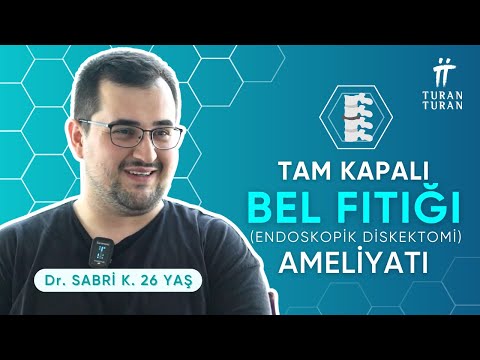
Rapid Recovery and Lasting Relief – Endoscopic Lumbar Hernia Surgery in Busra, Turkey
Spine Care/Surgery
Turan Turan Robotic Surgery Center and Orthopedic Clinic
Istanbul,Bursa, Turkey

Congenital Scoliosis Surgery in Turkey – Recovery, Costs, and Expert Care
Spine Care/Surgery
Turan Turan Robotic Surgery Center and Orthopedic Clinic
Istanbul,Bursa, Turkey
Unlock the Best Spine Care Surgery Packages Just for You
Discover the ultimate Spine Care Surgery packages designed to meet your health and wellness goals. Choose the perfect fit for your journey.

Price starting from $4,807
Affordable Spine Surgery Package in Jelenia Gora, Poland by KCM Hospital
KCM Clinic - Multispecialty Center in Jelenia Gora, Poland
- Orthopedic/Knee Surgery
Jelenia Gora, Poland

Price starting from $4,560
Best Percutaneous Laser Disc Decompression Package in Italy
Dr. GIAN PAOLO TASSI | Neurosurgery Specialist
- Spine Care/Surgery
San Benedetto del Tronto,San Benedetto del Tronto, Italy

Price starting from $6,500
Disc Hernia Surgery Package at Bayindir Healthcare Group, Ankara/İstanbul , Turkey
Bayindir Healthcare Group
- Spine Care/Surgery
Istanbul,Ankara, Turkey

Price starting from $9,000
All-Inclusive Spine Surgery Package in Mexico City, Mexico by CICOVE
CICOVE - Spine and Neurosurgery Center in Mexico City
- Spine Care/Surgery
Mexico City, Mexico
Transformative Spine Care Surgery Experiences: Dive into Procedure Insights
Discover the power of Spine Care Surgery through compelling patient experiences. Uncover detailed insights into procedures, recovery journeys, and life-changing results.
.png)
.png)