
Affordable Spinal sstabilization & Fusion Surgery in Istanbul, Turkey
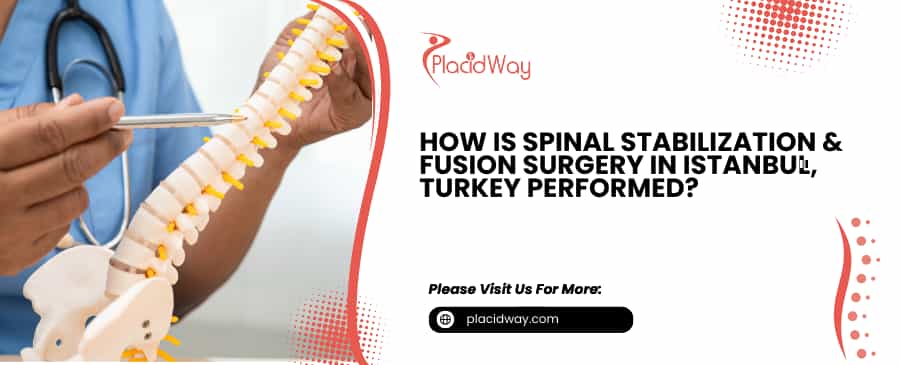
Patients exploring options for chronic back pain often look into Spinal Stabilization & Fusion Surgery in Istanbul, Turkey due to the availability of established medical facilities and modern surgical approaches. This procedure aims to limit movement between painful vertebrae, which can alleviate symptoms associated with severe spinal instability. Understanding the surgical process, recovery expectations, and the logistics of traveling for care helps individuals make informed health decisions alongside their primary healthcare providers.
Key Takeaways
- The procedure involves joining two or more vertebrae using hardware and bone grafts to eliminate painful motion.
- Surgeons in Istanbul utilize both traditional open surgery and minimally invasive techniques based on patient anatomy.
- Recovery is a gradual process taking several months, requiring physical therapy and adherence to movement restrictions.
- Traveling for spine surgery requires careful planning, including medical clearance for flying and post-operative monitoring.
- Outcomes vary by individual, and thorough consultation with a qualified specialist is necessary to determine eligibility.
What conditions are typically treated with spinal fusion in Istanbul?
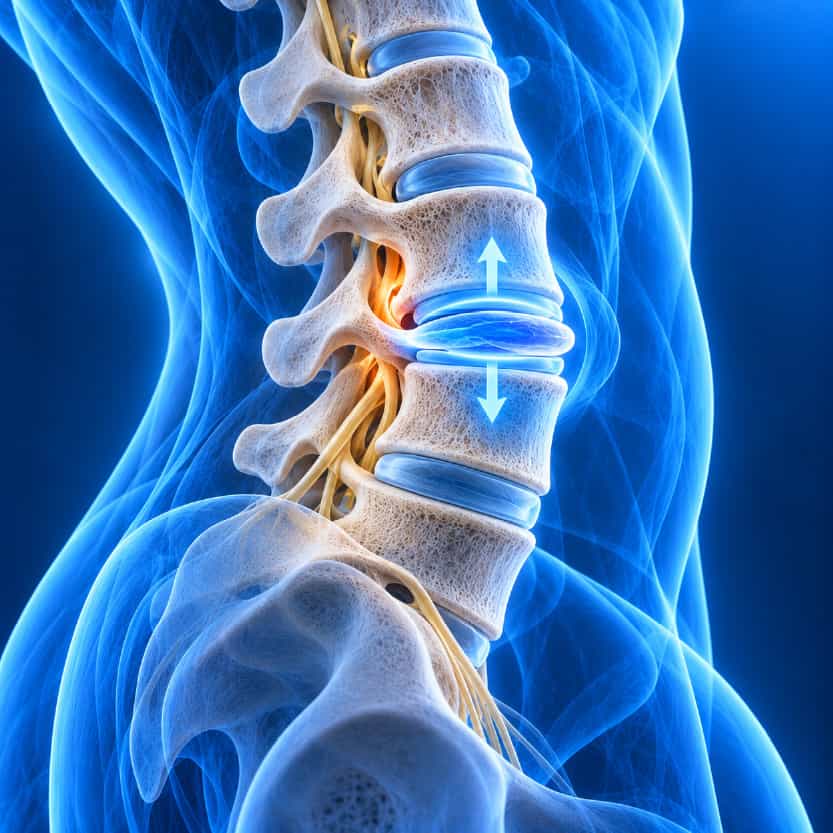
When conservative treatments like physical therapy, medications, and epidural injections fail to provide relief, surgery may be considered. Degenerative disc disease occurs when the discs between vertebrae lose their cushioning, leading to friction and pain. In cases of spondylolisthesis, one vertebra slips forward over the one below it, causing nerve compression and instability.
Spinal deformities such as scoliosis or kyphosis can also require stabilization to correct the curvature and prevent it from worsening. Additionally, traumatic fractures or tumors may compromise the structural integrity of the spine, necessitating fusion to support the affected area. A thorough diagnostic process, including MRI and CT scans, is required to confirm whether these conditions are present and if fusion is an appropriate intervention.
What surgical techniques are used for spinal stabilization?
The choice of surgical technique depends heavily on the specific vertebrae involved, the patient's anatomy, and the surgeon's evaluation. Common approaches include Anterior Lumbar Interbody Fusion (ALIF), where the surgeon accesses the spine through the abdomen; Posterior Lumbar Interbody Fusion (PLIF), accessed through the back; and Transforaminal Lumbar Interbody Fusion (TLIF), which approaches the spine from the side of the back.
During the operation, the damaged disc is often removed and replaced with a spacer or cage containing bone graft material. Metal screws and rods are then attached to the adjacent vertebrae to hold them rigidly in place. Over several months, the bone graft stimulates new bone growth, fusing the two vertebrae into one solid piece of bone. This biological process is vital for the long-term success of the stabilization.
Are minimally invasive spine surgeries available in Turkey?
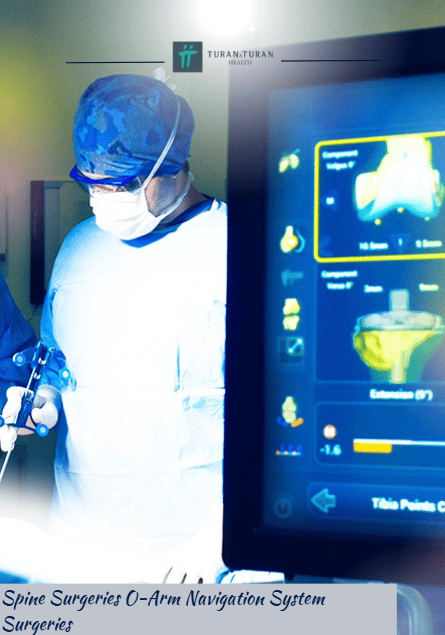
Unlike traditional open surgery, which requires a long incision and significant muscle retraction, minimally invasive techniques use tubular retractors. These tubes gently push muscle tissue aside to access the spine, potentially reducing soft tissue damage. Surgeons often use intraoperative imaging and specialized microscopes to guide the placement of hardware accurately.
Patients who undergo minimally invasive procedures may experience less postoperative pain, reduced blood loss, and a shorter hospital stay. However, not all complex spinal conditions or severe deformities can be adequately addressed through small incisions. The surgical team must evaluate the extent of the spinal pathology to determine if an open approach is medically necessary for safety and effectiveness.
What is the estimated Spinal Stabilization & Fusion Surgery cost in Istanbul, Turkey?
Cost estimates for major spinal procedures can vary significantly based on multiple medical factors. The primary variables include the number of spinal levels requiring fusion, the specific type and brand of hardware (such as titanium rods or specialized cages), and the source of the bone graft. Additionally, the length of the hospital stay and required pre-operative diagnostics influence the final medical bill.
When comparing international treatment options, patients often find that these estimates differ from those in North America or Western Europe due to varying healthcare economic structures. Patients should request detailed, itemized estimates from hospitals to understand what is included. It is essential to account for potential additional expenses, such as extended hospital days, specialized physical therapy, and necessary medications upon discharge.
How should patients prepare for spine surgery abroad?
- Medical Clearances: Patients typically need clearance from their primary care physician or a cardiologist to ensure they are healthy enough for general anesthesia and international travel.
- Smoking Cessation: Nicotine severely impairs bone growth. Surgeons generally require patients to stop smoking weeks before and after the surgery to reduce the risk of non-union (pseudoarthrosis).
- Medication Review: Blood thinners and nonsteroidal anti-inflammatory drugs (NSAIDs) may need to be paused before surgery to minimize bleeding risks.
- Record Compilation: Gathering physical copies and digital files of all relevant MRIs, CT scans, and medical history notes is crucial for the surgical team in Istanbul.
- Home Preparation: Arranging the home environment for recovery—such as placing essential items at waist height to avoid bending—should be done prior to leaving for treatment.
What does the recovery process look like after spinal fusion?
Following the operation, patients typically remain in the hospital for three to five days for pain management and close monitoring. Physical therapists begin working with patients almost immediately, teaching them how to walk and get out of bed without putting undue stress on the spine. A back brace may be prescribed to provide external support during the initial healing phase.
Complete bone fusion does not happen instantly; it is a gradual biological process that can take three to twelve months. During the first few months, patients must adhere strictly to physical restrictions to prevent the hardware from shifting. X-rays are required at regular intervals to monitor the progress of the bone graft. Outpatient physical therapy is often initiated once the surgeon confirms sufficient preliminary healing has occurred.
What are the potential risks and complications of this procedure?
Spinal surgery involves intricate work near the spinal cord and major nerves. While techniques are designed to protect these structures, there remains a risk of nerve injury, which could cause numbness, weakness, or in rare cases, paralysis. Deep vein thrombosis (blood clots in the legs) is also a concern, particularly for patients with limited mobility after surgery or those taking long flights.
Another specific risk is pseudoarthrosis, a condition where the bone graft fails to fuse the vertebrae into a solid mass. If this occurs, patients may experience persistent pain and could require revision surgery. Additionally, "adjacent segment disease" can develop years later, as the fused section forces the vertebrae immediately above and below it to bear more stress, potentially accelerating their degeneration.
How long do I need to stay in Istanbul after the surgery?
Discharging from the hospital does not mean a patient is immediately ready to fly home. The initial post-operative period requires close observation to ensure the surgical incision is healing without infection and that pain is adequately managed. Surgeons typically schedule a follow-up appointment about a week after discharge to inspect the wound, remove sutures if necessary, and review post-operative X-rays.
Air travel shortly after major surgery poses a heightened risk for deep vein thrombosis. Sitting in a confined airplane seat restricts blood flow, which can be dangerous. Patients must obtain a specific medical clearance (fit-to-fly certificate) from their surgeon before boarding a flight. It is also important to establish a plan for continuity of care with a local physician back home to monitor the long-term fusion process.
How do I choose a Spinal Stabilization & Fusion Surgery clinic in Istanbul, Turkey?
When evaluating medical facilities, look for hospitals that hold recognized international accreditations, such as from the Joint Commission International (JCI). This indicates that the facility adheres to established global standards for patient safety and operational protocols. The hospital should also have a well-equipped intensive care unit (ICU) and advanced diagnostic imaging capabilities.
Equally important is the medical background of the surgical team. Verify that the primary surgeon is board-certified in orthopedic surgery or neurosurgery with specific fellowship training in complex spine procedures. Requesting information about the surgeon's experience with your specific condition, reviewing peer-reviewed outcomes when available, and understanding the facility's infection control rates can help inform your decision-making process.
Why is medical tourism in Turkey popular for spinal surgeries?
The growth of healthcare facilities catering to international patients has made Istanbul a prominent destination for complex orthopedic and neurological procedures. Many major hospitals in the city have invested heavily in modern medical technology, such as robotic-assisted surgical systems and intraoperative neuronavigation, which are utilized during spinal stabilization surgeries.
Additionally, the concentration of medical professionals who frequently attend international conferences and maintain global affiliations contributes to the availability of varied treatment protocols. While financial considerations often initiate a patient's search for cross-border healthcare, the decision to proceed is usually solidified by the presence of comprehensive medical departments capable of managing major surgeries and the subsequent rehabilitation protocols.
Why Choose PlacidWay for Medical Tourism?
Navigating healthcare options internationally requires access to structured and reliable information. PlacidWay serves as a global medical resource platform designed to assist patients in gathering necessary data. Here are factual points about how PlacidWay operates:
- Global Directory: Provides access to a wide-ranging database of international healthcare facilities and medical centers.
- Facility Profiles: Offers detailed overviews of clinics, including their accreditations and listed medical services.
- Educational Resources: Features articles, procedure overviews, and resources to help patients understand different medical treatments.
- Direct Communication: Facilitates communication channels allowing patients to request estimates and information directly from healthcare providers.
- Objective Information: Focuses on presenting available options so patients can independently compare providers in consultation with their local physicians.
Frequently Asked Questions
Can I fly immediately after spinal fusion surgery?
No. Flying immediately after major spine surgery increases the risk of deep vein thrombosis (DVT) and other complications. Surgeons typically require patients to wait at least 10 to 14 days and obtain medical clearance before air travel.
What materials are used for the spinal hardware?
Surgeons commonly use medical-grade titanium or polyetheretherketone (PEEK) for rods, screws, and cages, along with bone grafts to encourage the vertebrae to fuse together naturally over time.
Will I lose flexibility after the spine is fused?
Yes, flexibility is lost at the specific vertebrae that are fused. However, if only one or two levels are fused, many patients do not notice a significant decrease in their overall range of motion.
How successful is spinal stabilization surgery?
Success rates vary widely depending on the underlying condition, the patient's overall health, and adherence to postoperative rehabilitation. While many experience significant pain relief, outcomes are not universally identical.
Do I need to bring my medical records to Istanbul?
Yes. You should bring all relevant medical records, including recent MRI scans, CT scans, X-rays, and detailed medical history notes, to allow the surgical team to properly evaluate your condition.
Is physical therapy necessary after returning home?
Physical therapy is usually a critical component of the recovery process. A structured program helps strengthen the muscles surrounding the spine and improves overall mobility as the bone fuses.
Are bone grafts taken from my own body?
Bone grafts can be taken from your own pelvis (autograft), obtained from a donor bank (allograft), or created using synthetic bone-graft substitutes, depending on the surgical plan.
Can the spinal hardware be removed later?
Spinal hardware is typically designed to remain in the body permanently. It is rarely removed unless it causes localized irritation, infection, or other specific complications.
How long does the actual operation take?
The duration of the surgery typically ranges from two to six hours. The exact time depends on the surgical approach, the number of spinal levels being fused, and the complexity of the condition.
Will a spinal fusion cure my back pain completely?
There is no absolute guarantee that spinal fusion will eliminate all back pain. The goal is to stabilize the spine and reduce pain to a manageable level, thereby improving daily function and quality of life.
Compare Treatment Options
Gather the information you need to make an informed decision about your spinal care. Request details from international facilities to discuss with your local doctor.
Request Treatment InformationReferences
- Spinal Fusion - Mayo Clinic
- Spinal Fusion Surgery - Cleveland Clinic
- Spinal Fusion - American Academy of Orthopaedic Surgeons (AAOS)
- Spinal Fusion - North American Spine Society (NASS)
- Spinal Devices Overview - U.S. Food and Drug Administration (FDA)
- Spinal Fusion Surgery Guide - Spine-health


.png)

.png)
.png)


.jpg)
-2-(1).png)
.jpg)
.png)












Share this listing