


Why Choose Turan Turan Health Group for Spinal Fusion Surgery?
.png)
Spinal Fusion Surgery in Turkey costs between $10,000 and $15,000, offering elite orthopedic care at a fraction of US prices. Patients benefit from robotic-assisted techniques, JCI-accredited facilities, and tailored rehabilitation.
Key Takeaways: Advanced Spine Care
- Exceptional Savings: Procedures cost up to 70% less than equivalent treatments in North America or the UK.
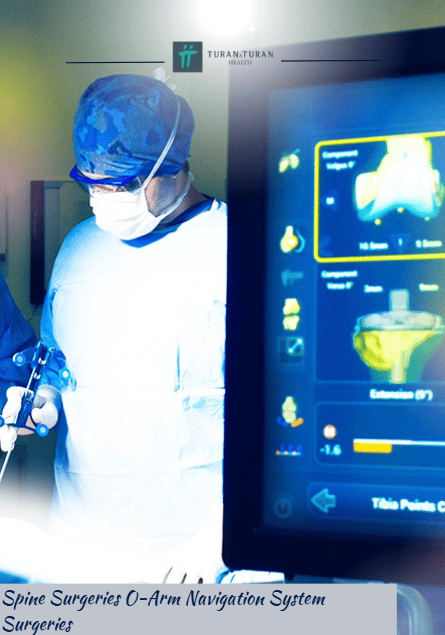
- Robotic Precision: Top hospitals utilize sophisticated robotic navigation for flawless hardware placement.
- Minimally Invasive Options: Advanced tubular retractor systems mean smaller incisions and faster healing times.
- Premium Implants: Only FDA-approved and CE-marked titanium and PEEK materials are used.
- Integrated Rehabilitation: Post-operative physical therapy is seamlessly woven into medical packages.
What makes Spinal Fusion Surgery in Turkey highly sought after?
International patients choose the region for its unique combination of highly skilled orthopedic surgeons, zero wait times, and exceptionally affordable healthcare prices without compromising on medical standards.
The global demand for orthopedic intervention has surged, primarily driven by aging populations and the rising incidence of degenerative disc diseases. However, in many Western healthcare systems, patients face agonizingly long waiting lists just to secure an initial consultation. The country has positioned itself as a premier destination by eliminating these wait times entirely. Patients can securely book a consultation, receive a comprehensive MRI review, and schedule their operation within a matter of weeks.
Beyond accessibility, the medical infrastructure is world-class. The government has invested heavily in creating massive, ultra-modern health campuses that rival the best hospitals in Germany or the United States. These facilities frequently hold Joint Commission International accreditation, ensuring that every protocol regarding infection control, anesthesia safety, and patient care meets the highest global standards. The surgeons operating in these hospitals often hold dual certifications and have completed extensive fellowships in Europe or North America.
Finally, the holistic approach to patient care sets the destination apart. Experiencing medical tourism in Turkey means that a patient is not simply discharged to a hotel room post-surgery. Instead, they are enveloped in a continuum of care that includes dedicated nursing staff, specialized physical therapists, and multi-lingual patient coordinators. This comprehensive support system is vital for complex procedures like spinal arthrodesis, where the initial recovery phase requires meticulous professional oversight.
How much does Spinal Fusion Surgery cost in Turkey compared to other countries?
The Spinal Fusion Surgery cost in Turkey ranges from $10,000 to $18,000 depending on the complexity, offering savings of over 70% compared to the United States and the United Kingdom.
Understanding the financial landscape of major orthopedic surgery is crucial for international patients. In the United States, an uninsured or underinsured patient can expect to see bills exceeding $80,000 for a standard single-level lumbar fusion. This exorbitant pricing includes immense hospital facility fees, separate surgeon fees, anesthesiology bills, and high markups on the titanium implants. Similarly, private care in the United Kingdom can easily surpass £40,000, driving many to look beyond their borders.
The significantly lower pricing structure abroad is not indicative of inferior medical quality. Instead, it reflects the lower cost of living, favorable foreign exchange rates, and heavy government subsidies aimed at bolstering the medical tourism sector. Furthermore, healthcare providers bundle their services. A single price quote usually encompasses the surgeon fee, the hospital stay, all operating room expenses, anesthesia, and the specialized titanium hardware required to stabilize the spine.
To provide a clear perspective on the financial advantages, consider the comparative breakdown below. These figures represent average estimates for a standard single-level lumbar fusion and highlight the dramatic economic relief available to patients willing to travel for their medical care.
| Country | Average Estimated Cost (USD) | Wait Time |
|---|---|---|
| United States | $80,000 - $110,000 | 1 - 3 Months |
| United Kingdom | $50,000 - $65,000 | 6 - 12 Months (NHS) |
| Germany | $25,000 - $35,000 | 2 - 4 Weeks |
| Turkey | $10,000 - $18,000 | Immediate Booking |
Which advanced techniques are used at a Spinal Fusion Surgery clinic in Turkey?
A leading Spinal Fusion Surgery clinic in Turkey utilizes minimally invasive spine surgery techniques, prioritizing muscle-sparing approaches to reduce trauma and accelerate patient recovery.
Modern spine specialists recognize that preserving the delicate musculature of the back is paramount to a successful recovery. Instead of utilizing traditional open surgery, which requires large incisions and significant muscle stripping, advanced clinics employ a variety of specialized approaches tailored to the unique anatomy and pathology of the patient.
- Anterior Lumbar Interbody Fusion (ALIF): The surgeon accesses the spine from the front of the body through the abdomen. This approach completely spares the back muscles from damage and allows for the placement of a larger interbody cage to restore disc height effectively.
- Transforaminal Lumbar Interbody Fusion (TLIF): This technique approaches the spine from a slightly lateral posterior angle. It allows the surgeon to fuse both the front and back of the spine through a single, smaller incision, reducing the risk of nerve damage.
- Lateral Lumbar Interbody Fusion (LLIF): Accessing the spine through the patient's side, this highly advanced technique avoids major nerves and back muscles entirely. It is exceptionally useful for correcting spinal deformities and restoring proper alignment.
- Endoscopic Spine Surgery: For certain fusion preparations, high-definition endoscopes are used. A camera the size of a pen is inserted through a tiny incision, allowing the surgeon to remove herniated disc material and prepare the bone graft site with unparalleled visual clarity.
- Dynamic Stabilization Systems: In cases where a rigid fusion is not strictly necessary, surgeons may employ dynamic rods that stabilize the segment while preserving a slight degree of natural motion, reducing stress on adjacent vertebrae.
The interbody cage inserted during these procedures acts as a spacer to keep the vertebrae apart, relieving pressure on pinched nerves. This cage is packed with bone graft material, encouraging your own skeletal system to grow directly through the implant over a period of several months.
How do robotic systems improve the success rate of spinal procedures?
Robotic navigation systems provide extreme precision for screw placement, effectively eliminating human hand tremor and minimizing the risk of inadvertent nerve damage during the complex operation.
The integration of robotic assistance represents the pinnacle of modern orthopedic surgery. The spinal column houses the delicate spinal cord and numerous vital nerve roots. Placing pedicle screws into vertebrae requires absolute millimeter precision; a slight miscalculation can lead to chronic pain or neurological deficits. Robotic systems mitigate this risk by utilizing advanced pre-operative imaging to create a detailed, three-dimensional blueprint of the patient's unique spinal anatomy.
During the operation, the robotic arm acts as a rigid, unmoving guide. The surgeon remains entirely in control of the instruments, but the robot ensures that the drill and screws follow the pre-planned trajectory flawlessly. This technology not only increases the biomechanical stability of the construct but also drastically reduces the amount of intraoperative radiation exposure, as fewer real-time X-rays are needed to verify screw positioning.
For international patients, choosing a hospital equipped with robotic spine technology translates directly into better clinical outcomes. The extreme accuracy means smaller incisions, less disruption to surrounding tissues, reduced intraoperative bleeding, and a significantly lower likelihood of requiring a revision surgery in the future. It is the ultimate fusion of surgical expertise and cutting-edge digital technology.
What is the typical recovery timeline for international spine surgery patients?
Most patients remain hospitalized for three to five days post-surgery and stay in the country for two to three weeks to undergo essential initial physical therapy before safely flying home.
The journey to full spinal fusion is a marathon, not a sprint. The biological process of arthrodesis, where two separate bones grow into one solid mass, takes several months to complete. However, the initial recovery phase is critical and progresses rapidly under professional medical supervision. Immediately following the operation, patients are closely monitored in a dedicated orthopedic ward. Within the first twenty-four hours, physical therapists assist patients in standing and taking their first steps to promote circulation and prevent deep vein thrombosis.
Days four through fourteen represent the intermediate recovery phase. During this time, the patient is discharged from the hospital but remains in a comfortable, medical-friendly hotel nearby. Daily activities are strictly limited to short walks and practicing safe posture mechanics. Pain is managed through oral medications, and clinical staff conduct regular check-ups to monitor the surgical incision for proper healing and remove any staples or sutures.
After receiving clearance to fly home, the long-term phase begins. Patients are provided with a detailed rehabilitation protocol to share with their local physiotherapist. For the first three months, heavy lifting, bending, and twisting are strictly prohibited to allow the bone graft to solidify around the titanium hardware. By month six, most individuals can resume normal daily activities, experiencing a profound reduction in the chronic pain that initially drove them to seek surgery.
Are there specialized rehabilitation programs for medical tourism in Turkey?
Yes, medical tourism in Turkey frequently integrates comprehensive orthopedic rehabilitation protocols directly into the surgical package to ensure optimal post-operative functional recovery.
A successful surgery is only half the battle; proper rehabilitation is what ultimately restores a patient's quality of life. Understanding this, top medical facilities have developed intensive physical therapy programs tailored specifically for international patients who have a limited window of time in the country. These programs are initiated the moment the surgeon clears the patient for therapeutic movement.
Rehabilitation focuses initially on neuromuscular re-education. Because patients often suffer from chronic pain for years prior to surgery, their muscles have adapted to walking and moving improperly. Therapists work one-on-one to correct these abnormal gait patterns, strengthen the core muscles that stabilize the spine, and improve overall flexibility without compromising the newly fused vertebral segments. Specialized equipment, including anti-gravity treadmills, is sometimes utilized to allow patients to walk comfortably with reduced body weight impact.
Additionally, some regions are famous for their thermal waters, and advanced clinics incorporate hydrotherapy into their recovery regimens. Exercising in a warm, buoyant aquatic environment reduces joint stress, improves circulation to the healing tissues, and provides natural pain relief. This holistic approach ensures that when the patient boards their flight home, they possess the physical confidence and knowledge required to continue their healing journey safely.
Following a structured rehabilitation protocol is just as important as the surgery itself. Patients who actively participate in their physical therapy and strictly adhere to bending and lifting restrictions demonstrate a significantly higher rate of successful bone fusion and long-term pain resolution.
How do Turkish hospitals ensure patient safety during complex spine surgeries?
Medical facilities strictly adhere to international healthcare standards through rigorous accreditation and utilize advanced intraoperative neuromonitoring to protect nerve function in real-time.
When undergoing a major orthopedic intervention abroad, safety is understandably the primary concern for any patient. The country's top medical centers address these anxieties by implementing a multi-layered approach to patient security, starting long before the patient enters the operating room.
- Intraoperative Neuromonitoring (IONM): A dedicated neurophysiologist monitors the patient's spinal cord and nerve roots continuously during the procedure. By sending tiny electrical signals through the body, they can instantly alert the surgeon to any potential nerve distress before permanent damage occurs.
- Rigorous Pre-operative Screening: Comprehensive blood work, cardiac EKGs, and pulmonary function tests are mandatory to ensure the patient is physically robust enough to safely undergo general anesthesia.
- Dedicated Orthopedic ICUs: Should intensive monitoring be required post-surgery, major hospitals feature specialized intensive care units staffed by personnel trained exclusively in complex spinal and neurological recovery.
- Advanced Infection Control: Operating theaters utilize laminar airflow systems and HEPA filtration to maintain a sterile environment, drastically reducing the risk of surgical site infections, which is a critical factor in hardware implantation.
- Multidisciplinary Tumor Boards: For fusions related to spinal oncology or complex deformities, a panel of surgeons, oncologists, and radiologists collaboratively review the case to determine the safest and most effective surgical strategy.
What type of implants are utilized for spinal fusion procedures abroad?
Surgeons strictly utilize FDA-approved and CE-marked surgical-grade titanium and PEEK materials to ensure maximum durability, biocompatibility, and long-term stability for the patient.
The structural integrity of a spinal fusion relies heavily on the quality of the hardware used to stabilize the vertebrae. Reputable clinics do not cut costs by using inferior materials. They source pedicle screws, rods, and interbody cages from elite global medical manufacturers, ensuring the implants meet the exact same rigorous standards found in North American and Western European hospitals. The primary metal utilized is surgical titanium, favored for its immense tensile strength, lightweight nature, and excellent biocompatibility, which prevents the body from rejecting the foreign object.
In addition to titanium, many interbody cages are crafted from PEEK (Polyether ether ketone), an advanced medical-grade polymer. PEEK is highly advantageous because its elasticity closely mimics that of natural cortical bone, allowing for better stress sharing across the spinal column. Furthermore, PEEK is radiolucent, meaning it does not obscure X-rays or MRI scans. This allows the surgeon to clearly visualize the bone graft healing process inside the cage during follow-up assessments.
The grafting material itself is equally critical. Surgeons may harvest an autograft from the patient's own iliac crest (pelvis), utilize high-quality allograft bone from an accredited tissue bank, or employ synthetic bone substitutes mixed with Bone Morphogenetic Proteins (BMP) to powerfully stimulate cellular bone growth. The specific combination of high-tech hardware and potent biological grafts is what guarantees the highest probability of a solid, permanent fusion.
Why Choose PlacidWay for your spinal fusion journey?
PlacidWay provides unparalleled access to elite orthopedic specialists, guarantees transparent pricing, and orchestrates a seamless medical experience without compromising on patient safety or clinical quality.
Navigating international healthcare options for a major orthopedic procedure requires a trusted partner. PlacidWay acts as your dedicated medical advocate, bridging the gap between your healthcare needs and the world's leading spine specialists. Here is why patients globally trust our expertise:
- Strict Medical Vetting: We perform exhaustive background checks on all partner hospitals. We ensure that every facility holds relevant international accreditations and that surgeons possess verified board certifications and documented success in complex spine procedures.
- Transparent Price Negotiation: Unforeseen medical bills are a significant source of stress. We negotiate comprehensive, all-inclusive medical packages that clearly outline the costs for surgery, hospitalization, implants, and physical therapy, protecting you from hidden fees.
- Seamless Teleconsultations: Before you make any commitments, we facilitate secure digital transfers of your MRI and X-ray imaging. We then arrange direct video consultations between you and the lead orthopedic surgeon to discuss your personalized treatment strategy in detail.
- Dedicated Patient Advocacy: From your initial inquiry through your post-operative recovery, you are assigned a dedicated case manager. This professional ensures seamless communication with the medical staff, eliminating language barriers and administrative hurdles.
- Quality Assurance Monitoring: Our commitment does not end when the surgery is over. We continuously monitor patient feedback and clinical outcomes, holding our network of healthcare providers accountable to the highest ethical and medical standards.
Frequently Asked Questions About Spinal Fusion
Can I undergo minimally invasive spinal fusion in Istanbul?
Yes, many advanced medical centers in Istanbul offer minimally invasive approaches for spinal fusion. These procedures utilize specialized tubular retractors to access the spine through very small incisions, which significantly reduces muscle damage, lowers blood loss, and accelerates the overall recovery process compared to traditional open back surgery.
How long does the actual spinal fusion operation take to complete?
The duration of the procedure depends heavily on how many vertebral levels are being fused and the complexity of your specific condition. A single-level fusion typically takes between two to four hours. However, multi-level fusions or cases involving severe spinal deformity correction may require six hours or more to ensure optimal safety and alignment.
Will I need to wear a back brace after my surgery in Antalya?
The requirement for a post-operative back brace varies based on the surgical technique used and the quality of your bone density. Many modern procedures utilizing robust titanium hardware do not require a brace. However, your orthopedic surgeon may recommend a rigid or soft brace for comfort and extra stability during the first few weeks of recovery.
What happens if my body rejects the spinal hardware?
True allergic reactions or rejections of modern spinal hardware are exceptionally rare because the implants are manufactured from highly biocompatible materials like surgical-grade titanium and PEEK plastic. If discomfort or issues arise, it is typically related to implant shifting, infection, or pseudoarthrosis (failure of the bones to fuse), rather than an allergic rejection.
Are bone grafts necessary for every spinal fusion procedure?
Yes, a bone graft or a biological substitute is mandatory for a successful fusion. The graft provides the biological scaffold and necessary proteins that stimulate your adjacent vertebrae to grow together into a single, solid bone. Without this grafting material, the metal hardware alone would eventually fail under the mechanical stress of daily movement.
How soon can I sit or walk after a lumbar fusion operation?
Most international patients are encouraged to stand and take assisted steps within 24 hours of waking up from surgery. Early mobilization is a critical protocol in modern orthopedic care to prevent blood clots and stimulate blood flow. Sitting for prolonged periods may be restricted initially, but short intervals are usually permitted right away.
Do Turkish orthopedic clinics offer multi-level spinal fusion?
Absolutely. Highly specialized orthopedic and neurosurgical teams across the country routinely perform complex multi-level fusions for patients suffering from severe scoliosis, advanced degenerative disc disease, or extensive spinal trauma. These complex cases often utilize state-of-the-art robotic navigation to ensure flawless execution across multiple vertebral segments.
Is it safe to undergo physical therapy immediately after spinal fusion?
Physical therapy begins immediately, but it is highly modified and gentle. Initial therapy focuses purely on safe movement mechanics, such as getting out of bed without twisting your spine (the log-roll technique), and basic walking. Vigorous stretching or core strengthening exercises are strictly delayed until the surgeon confirms initial bone healing.
What are the primary risks associated with lumbar spinal fusion?
Like any major orthopedic intervention, risks include surgical site infection, excessive bleeding, nerve damage, and deep vein thrombosis. A specific risk to this procedure is non-union, where the bones fail to fuse properly. Choosing a highly accredited facility with experienced spine specialists dramatically minimizes these inherent surgical risks.
How do I manage post-operative pain while recovering in the hospital?
Pain management is a top priority and is usually handled through a multimodal approach. You will likely receive intravenous pain medications immediately following the procedure, sometimes via a patient-controlled analgesia pump. As your recovery progresses, this is transitioned to oral medications, muscle relaxants, and localized therapies to keep you comfortable during rehabilitation.
Take the First Step Towards a Pain-Free Spine Today
* Secure processing. Patient privacy is strictly guaranteed.

.png)



.png)
.png)


.png)

.png)













Share this listing