


When considering robotic spine surgery in Istanbul, patients from Saudi Arabia save between 50% to 60% compared to private healthcare facilities in the GCC or the US. The procedure costs $12,500 to $18,500 USD in Turkey. These comprehensive packages include state-of-the-art robotic guidance (like Mazor X), titanium hardware, JCI-accredited hospital stays, and dedicated Arabic-speaking patient coordinators.

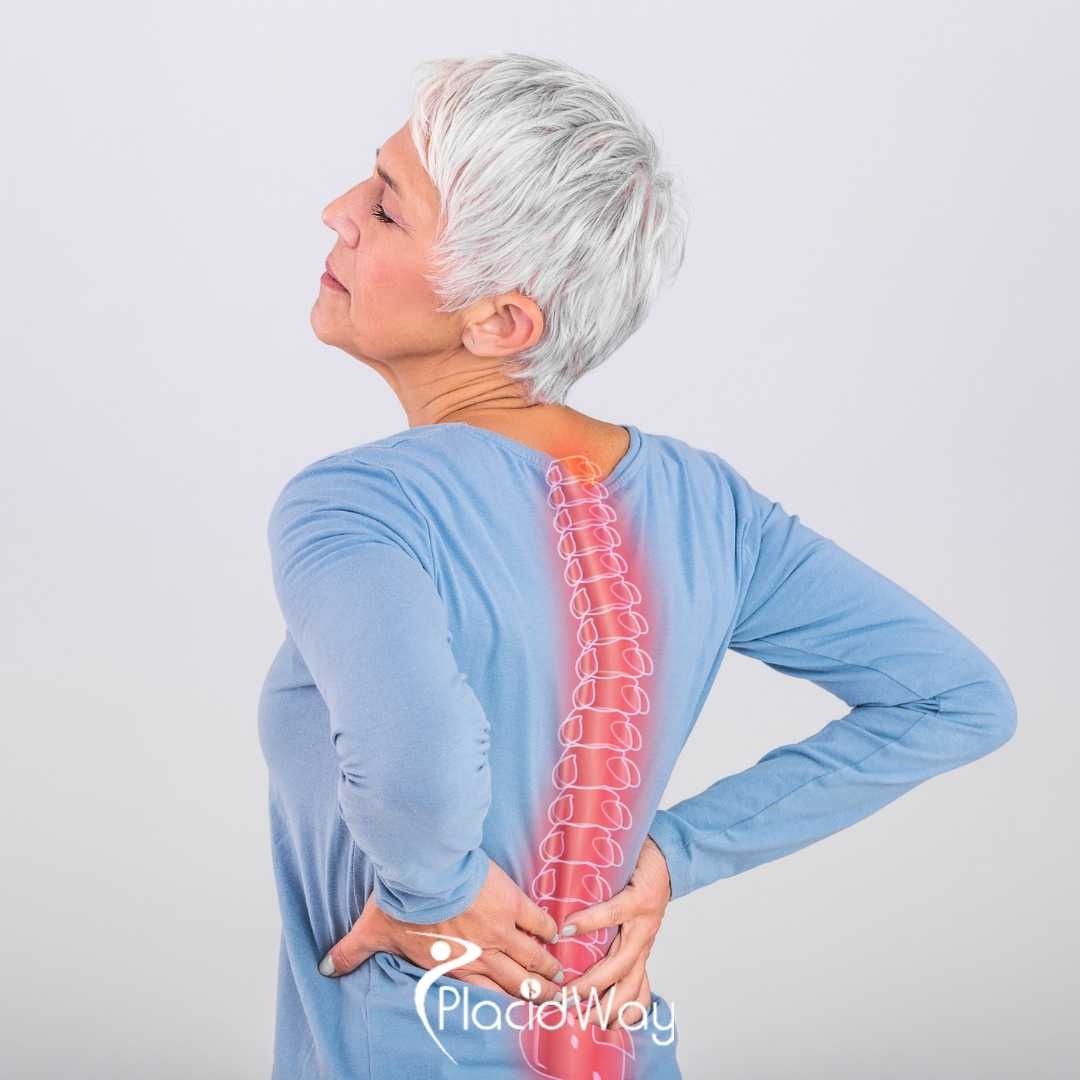
Chronic back pain and debilitating spinal disorders affect millions globally. Within the Gulf Cooperation Council (GCC), shifting lifestyle factors have led to an increased prevalence of conditions requiring complex spinal interventions. While conservative treatments remain the first line of defense, conditions such as severe spinal stenosis, advanced scoliosis, and degenerative disc disease eventually require surgical correction to restore a patient's mobility and quality of life.
For patients facing these complex diagnoses, traditional open spine surgery—with its large incisions, extended hospital stays, and lengthy recovery periods—presents an intimidating prospect. However, medical technology has evolved rapidly. Today, robotic spine surgery in Istanbul has emerged as a beacon of hope for patients seeking minimally invasive, highly precise, and economically accessible alternatives to domestic healthcare options.
In 2026, medical tourism data indicates a remarkable trend: demand from Saudi Arabia for advanced spinal procedures in Turkey has surged by 65%. This exponential growth is driven by a unique convergence of factors, including top-tier surgical expertise, state-of-the-art robotic infrastructure, cultural affinity, and transparent pricing models that bypass the exorbitant costs of private healthcare in the GCC.
This comprehensive guide explores the landscape of robotic spine surgery in Istanbul. By the end of this article, you will understand:
- How robotic technology transforms spinal procedures?
- A detailed cost comparison between Turkey and Saudi Arabia
- What the step-by-step surgical and recovery process entails?
- How to navigate international medical travel safely and effectively?
Quick Facts at a Glance
Essential benchmarks for Saudi patients researching minimally invasive spinal procedures in Turkey.
- Average Cost in Istanbul
- $12,500 – $18,500 USD
- Private Cost in Saudi Arabia
- $30,000 – $45,000 USD
- Hospital Stay
- 2 – 4 Nights
- Required Time in Turkey
- 10 – 14 Days
- Robotic Systems Used
- Mazor X™, ExcelsiusGPS®
- Screw Placement Accuracy
- 99.1% – 100%
What is Robotic Spine Surgery?
It is a common misconception that the robot performs the surgery autonomously. In reality, systems like the Mazor X Stealth Edition or the ExcelsiusGPS act as sophisticated navigation aids. The surgeon remains fully in control at all times. Before the operation, advanced CT scans create a customized 3D blueprint of the patient's spine. During the procedure, the robotic arm automatically aligns itself to the pre-planned trajectory, allowing the surgeon to insert instruments through incisions as small as a few centimeters.
Why Demand from Saudi Arabia Surged 65% in 2026?
The remarkable 65% increase in Saudi patients seeking robotic spine surgery in Istanbul is not incidental. It is the result of several converging regional and global trends:
- Private Healthcare Costs: While Saudi Arabia offers excellent public healthcare, accessing specialized, elective surgeries through private hospitals without comprehensive insurance coverage can result in out-of-pocket costs exceeding $40,000 USD.
- Wait Times: As regional health systems modernize and navigate post-pandemic backlogs, wait times for specialized non-emergency orthopedic and neurological surgeries have grown. Turkish hospitals offer almost immediate availability.
- Cultural and Religious Affinity: Turkey provides a highly comfortable environment for patients from the Middle East. Access to halal food, prayer facilities, and a deep understanding of Islamic cultural norms makes the recovery process far less stressful for Saudi families compared to traveling to Europe or the USA.
- Direct Logistics: With numerous daily, direct flights between Riyadh, Jeddah, and Istanbul, the logistical burden of medical travel is drastically minimized.
Cost Comparison: Istanbul vs. GCC
For many international patients, the decision ultimately balances exceptional medical quality with financial feasibility. The table below illustrates the stark contrast in pricing for robotic-assisted spinal fusion across major global medical hubs.
Note: Costs represent standard 1-to-2 level robotic spinal fusions. Complex multi-level scoliosis corrections will incur higher fees. Prices exclude flights and long-term accommodation.
What Does a Turkish Medical Tourism Package Include?
Leading hospitals in Istanbul design comprehensive packages to alleviate the stress of international logistics. A typical robotic spine surgery package encompasses:
- Pre-operative neurosurgical consultations and comprehensive diagnostics (MRI, CT scans, blood panels).
- Surgeon fees, anesthesiologist fees, and specialized operating theater costs.
- Utilization of the robotic navigation system and FDA-approved titanium implants.
- 2 to 4 nights in a private, hotel-style hospital room, including meals for the patient and one companion.
- VIP airport transfers and ground transportation between the hospital and your hotel.
- A dedicated, fluent Arabic-speaking patient coordinator available 24/7.
Why is it significantly cheaper?
The cost disparity does not reflect a compromise in quality. Instead, it is driven by macroeconomic factors: Turkey's favorable currency exchange rate, lower domestic costs of living and administration, and strong government subsidies aimed at dominating the global medical tourism market. Furthermore, Turkish hospitals benefit from high surgical volumes, allowing them to amortize the millions of dollars spent on robotic systems much faster than smaller regional clinics.
How Robotic Spine Surgery Works in Turkey?
For patients traveling from Saudi Arabia, understanding the exact medical process helps alleviate preoperative anxiety. The journey from diagnosis to surgical completion follows a highly structured, internationally standardized protocol.
- Preoperative 3D Mapping: Upon arrival in Istanbul, you will undergo a high-resolution CT scan. The robotic software utilizes these images to generate a 3D model of your spine. The surgeon plans the exact size, angle, and depth of every screw virtually, before you ever enter the operating room.
- Anesthesia and Positioning: The procedure is performed under general anesthesia. You are carefully positioned face-down on a specialized radiolucent surgical table, ensuring strict alignment.
- Registration and Synchronization: The robotic system is brought into the sterile field. The system "registers" your physical anatomy, matching it seamlessly to the virtual 3D plan created earlier.
- Robotic Trajectory Guidance: Instead of making a large, open incision to expose the entire spine, the surgeon makes micro-incisions (often less than 2 cm). The robotic arm moves precisely to the planned entry point and locks into place, creating an unshakeable guide tube.
- Screw Placement and Fixation: The surgeon passes their instruments through the robotic guide tube. The system ensures the drill and screws cannot deviate from the safe pathway, protecting delicate spinal cord nerves and surrounding blood vessels.
- Real-Time Verification: Throughout the surgery, intraoperative imaging provides real-time feedback, ensuring absolute accuracy before the incisions are closed and bandaged.
Safety, Quality, and Surgeon Credentials
When seeking robotic spine surgery in Istanbul, ensuring clinical safety is paramount. Medical tourists must demand the highest standards of international accreditation to guarantee their wellbeing.
Unparalleled Precision
Traditional "freehand" spine surgery relies heavily on the surgeon's visual estimation and anatomical landmarks, with screw misplacement rates historically hovering between 5% and 15%. In contrast, clinical studies demonstrate that robotic-assisted spine surgery achieves a screw placement accuracy rate of 99.1% to 100%. This near-perfect precision drastically reduces the risk of post-operative neurological deficits, revision surgeries, and hardware failure.
Hospital Accreditation
Elite Turkish hospitals cater to a global clientele by adhering to rigorous international standards. When selecting a facility, verify that it holds Joint Commission International (JCI) accreditation. This gold-standard credential ensures the hospital meets over 1,000 distinct safety criteria, identical to the standards required of top-tier hospitals in Riyadh, London, or New York.
Surgeon Qualifications
Turkey boasts some of the most experienced neurosurgeons and orthopedic spine specialists in the world. Many of the leading practitioners in Istanbul have completed advanced fellowships in the United States or Europe. Furthermore, they perform hundreds of robotic spinal cases annually—a high surgical volume that directly correlates with superior patient outcomes and fewer complications.
Recovery Timeline and Post-Operative Care
Because robotic spine surgery is inherently minimally invasive, it causes significantly less muscle dissection and blood loss than traditional open surgery. Consequently, the recovery timeline is greatly accelerated.
The Phased Recovery Journey
- Days 1–3 (Hospital Phase): You will likely be encouraged to stand and take light steps within 24 hours of surgery. Pain is managed through intravenous medications. The medical team will monitor your neurological function and wound healing.
- Days 4–14 (Istanbul Recovery): After discharge, you will transition to a nearby hotel. You will gradually increase your walking distance daily. Around day 10 to 14, you will have a final follow-up where the surgeon checks your progress and issues your fit-to-fly certificate.
- Weeks 3–6 (Home in Saudi Arabia): You can generally return to light office work or desk duties. Bending, lifting heavy objects, and twisting the spine remain strictly prohibited. You will begin prescribed physical therapy to strengthen your core muscles.
- Months 3–6 (Biological Fusion): While the titanium screws provide immediate mechanical stability, osseointegration—the process where your natural bone grows and fuses across the vertebral segments—takes several months. Routine activities resume, but high-impact sports must be avoided.
Warning Signs Post-Op
Although complications are rare, you must contact your local healthcare provider if you experience sudden leg weakness, loss of bowel or bladder control, a fever exceeding 38.3°C (101°F), or clear fluid leaking from the incision site.
How to Choose a Spine Surgert Clinics in Turkey?
Navigating the global medical tourism market requires diligence. Use this practical checklist to evaluate providers in Istanbul confidently.
- Verify Robotic Systems: Confirm the hospital explicitly uses advanced robotic platforms (e.g., Mazor X or ExcelsiusGPS), not just basic fluoroscopic navigation.
- Check Surgeon Credentials: Ensure the lead surgeon is board-certified in neurosurgery or orthopedic spine surgery, with specific, documented training in robotic techniques.
- Request Case Volume Data: Ask how many robotic spine surgeries the specific surgeon performs annually. High volume is a crucial indicator of expertise.
- Confirm JCI Accreditation: Cross-reference the hospital's name on the official Joint Commission International directory.
- Review Hardware Brands: Quality implants matter. Ensure the clinic uses FDA-approved or CE-marked titanium hardware from reputable global manufacturers (like Medtronic or Globus Medical).
- Assess Language Services: Verify that a dedicated Arabic-speaking medical translator will be present during all consultations and post-operative evaluations.
- Demand Transparent Pricing: Refuse vague estimates. Insist on an itemized quote that clearly defines what is included and what could constitute an extra charge.
Risks, Contraindications, and Limitations
Every surgical intervention, regardless of how technologically advanced, carries inherent risks. While robotic spine surgery in Istanbul significantly mitigates the danger of human error, patients must approach the procedure with realistic expectations.
Surgical Risks
General risks associated with spinal fusion include infection at the incision site, deep vein thrombosis (blood clots in the legs), adverse reactions to anesthesia, and non-union (pseudarthrosis), where the spinal bones fail to fuse properly over time.
Who is NOT a Candidate?
Robotic guidance is a tool, not a cure-all. You may be contraindicated for this specific procedure if you have:
- Severe Osteoporosis: Weak, brittle bones cannot securely anchor titanium pedicle screws, risking hardware pull-out.
- Active Infections: Any systemic infection or local skin infection must be resolved before hardware can be implanted.
- Complex Traumatic Deformities: Certain acute spinal traumas or highly aggressive spinal tumors may still require traditional open surgical approaches for comprehensive management.
Furthermore, medical tourists face the limitation of geographic distance. If a delayed complication arises after returning to Saudi Arabia, you will need a local spine specialist willing to provide follow-up care. Establishing this local medical relationship before you travel is highly recommended.
5-Step Action Plan for Spine Care Medical Travel to Turkey
If chronic back pain is impacting your life and you are considering treatment abroad, follow these five actionable steps to begin your journey smoothly.
- Gather Diagnostic Imaging: Obtain a recent MRI and CT scan of your spine from a local clinic in Saudi Arabia. Turkish surgeons cannot provide an accurate robotic surgical plan without current high-resolution imaging.
- Request a Remote Consultation: Use medical platforms to securely share your imaging with top hospitals in Istanbul. Schedule a video consultation to discuss your diagnosis and candidacy directly with the neurosurgeon.
- Compare Comprehensive Quotes: Evaluate the itemized treatment plans from 2 or 3 JCI-accredited facilities. Look beyond the price tag to compare inclusions like hotel stays and VIP transfers.
- Arrange Local Aftercare: Contact a physical therapist and a primary care physician in your home city. Inform them of your planned surgery and secure follow-up appointments for when you return.
- Finalize Travel Logistics: Book direct flights to Istanbul, secure a travel visa (often obtainable online for KSA citizens), and arrange for a family member or trusted companion to travel with you for moral and physical support.
Take the First Step Toward a Pain-Free Life
Connect with internationally accredited neurosurgical centers in Istanbul. Review surgeon credentials, compare transparent package costs, and schedule a free, no-obligation video consultation today.
Frequently Asked Questions
Making an Empowered Healthcare Decision
Enduring the daily limitations of a spinal disorder takes a profound toll on physical health and emotional wellbeing. For many individuals in the GCC, the high cost of domestic private care or extended public waitlists can feel like insurmountable barriers to healing. By exploring robotic spine surgery in Istanbul, patients unlock access to an entirely different paradigm of care.
The 65% surge in demand from Saudi Arabia proves that world-class medical outcomes do not require financial hardship. Advanced robotic precision minimizes recovery time, strict JCI accreditation ensures uncompromised safety, and comprehensive medical tourism packages eliminate the stress of cross-border logistics. Your spine dictates your mobility, independence, and overall quality of life—entrust its care to verified experts.
If you are ready to explore your options, the next step is simple. Connect with a reputable medical tourism platform to review surgeon credentials, submit your MRI for evaluation, and discover exactly how minimally invasive technology can help you reclaim a pain-free life.
The information in this article is for educational purposes only and does not constitute medical advice. Individual results vary based on health status, case complexity, and other factors. Always discuss your specific situation with a licensed healthcare professional before making treatment decisions. PlacidWay connects patients with verified healthcare providers but does not provide medical services directly.
- World Health Organization (WHO): Musculoskeletal Conditions and Interventions
- National Institutes of Health (NIH): Accuracy and Clinical Outcomes of Robotic-Assisted Spine Surgery
- Mayo Clinic: Spinal Fusion - Patient Guide
- Cleveland Clinic: Overview of Robotic Spine Surgery
- American Academy of Orthopaedic Surgeons (AAOS): Minimally Invasive Spine Surgery Standards
- PlacidWay Medical Tourism: Global Spine Surgery Options and Provider Networks
.png)





.jpg)

.png)









Share this listing