


Can Saudi Patients Trust Robotic Spine Surgery in Turkey?
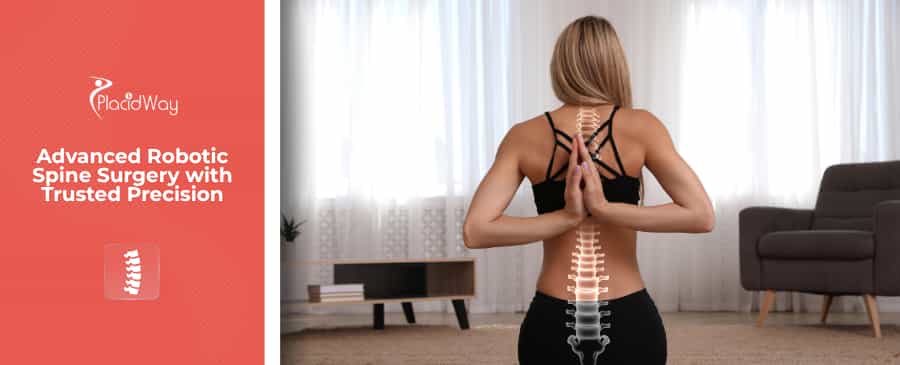
If you are living with degenerative disc disease, you already know the daily toll it takes. The sharp pain shooting down your legs when you stand up. The dull, constant ache in your lower back that makes sitting through a family gathering in Riyadh or Jeddah feel like an endurance test. You have likely tried the medications, the physical therapy, and the steroid injections, only to find the relief is temporary. You are ready to reclaim your life, but the thought of spine surgery is daunting.
You may be asking yourself: Is robotic spine surgery in Turkey a safe choice for Saudi patients with degenerative disc disease? It is completely normal to feel anxious about leaving your home country for a major medical procedure. You might worry about the quality of the technology, the language barrier, or what happens if something goes wrong. We understand those fears. In this comprehensive guide, we are going to walk you through the exact costs, the cutting-edge robotic technology, and the step-by-step reality of traveling to Turkey for spinal relief, giving you the honest information you need to make a confident decision.
Quick Facts: Robotic Spine Surgery (Saudi Arabia vs. Turkey)
What is Robotic-Assisted Spinal Fusion for Degenerative Disc Disease?
When you have degenerative disc disease, the cushions between your spinal bones dry out, shrink, and lose their ability to absorb shock. This causes the bones to rub together, pinching nerves and causing severe back and leg pain. To fix this, surgeons perform a "spinal fusion," essentially welding two or more vertebrae together so they stop moving and grinding.
In traditional surgery, the doctor relies on their eyes and manual X-rays to place the screws. Robotic spine surgery changes the game entirely. Here is how the process works in simple terms:
- 3D Mapping: Before you even enter the operating room, advanced CT scans create a complete 3D blueprint of your unique spine.
- Digital Planning: The surgeon plans the exact size, angle, and depth of every titanium screw on a computer monitor, avoiding delicate nerves.
- Robotic Guidance: During surgery, a robotic arm (like the Mazor X or ExcelsiusGPS) moves into the exact planned position over your back.
- Minimally Invasive Placement: The surgeon slides their instruments through a tiny tube guided by the robot. The robot ensures the surgeon's hand stays perfectly on the planned path.
- Stabilization: The painful disc is removed, a bone graft is placed, and the area is secured. Over the next few months, it heals into one solid piece of bone.
The biggest benefit here is precision. By removing human tremor and the guesswork of navigating through muscle, robotic systems reduce tissue damage, lower blood loss, and drastically speed up your recovery compared to traditional open back surgery.
Why Choose Robotic Spine Surgery in Turkey for Chronic Back Pain?
You might wonder why thousands of patients from the Gulf region fly to Istanbul every year for orthopedic care. It is not just about the price tag; it is about the entire patient experience.
- Unmatched Precision (Health): The robotic arms used in Turkish hospitals achieve 98% to 99% accuracy in screw placement. This virtually eliminates the risk of nerve damage and prevents the need for revision surgeries down the road.
- Muscle-Sparing Technique (Function): Because the robot allows for minimally invasive incisions (often less than an inch), your back muscles are gently pushed aside rather than cut. This means less postoperative pain and a faster return to normal life.
- Immediate Availability (Convenience): In many public health systems, waiting for a specialized robotic spine procedure can take 6 to 12 months. In Turkey, your surgery can typically be scheduled within a few weeks of your consultation.
- VIP Medical Concierge (Comfort): Turkish medical tourism is highly structured. From the moment you land, you are provided with airport transfers, luxury recovery accommodations, and dedicated Arabic-speaking patient coordinators.
- Shorter Hospital Stays (Duration): Traditional fusion keeps you in the hospital for 5 to 7 days. Robotic assistance reduces tissue trauma, allowing most patients to be discharged in just 2 to 3 days.
How Much Does Robotic Spine Surgery Cost in Turkey Compared to Saudi Arabia?
Let us look at the numbers frankly. Healthcare is expensive, and bringing cutting-edge robotics into the operating room adds to that cost. However, the geographic economics of medical care make a massive difference.
| Procedure | Private Clinic (Saudi Arabia) | JCI Hospital (Turkey) | Estimated Savings |
|---|---|---|---|
| Robotic Lumbar Fusion (1 Level) | $30,000 - $40,000 | $12,000 - $16,000 | 55 - 60% |
| Robotic Lumbar Fusion (2 Level) | $45,000 - $55,000 | $15,000 - $20,000 | 60 - 65% |
| Cervical Disc Replacement | $25,000 - $35,000 | $9,000 - $14,000 | 55 - 60% |
| Minimally Invasive Laminectomy | $18,000 - $25,000 | $6,000 - $9,000 | 60 - 65% |
| Bone Grafting Material | $2,000 - $4,000 | $800 - $1,500 | 55 - 60% |
Why is the price so much lower in Turkey? It is crucial to understand that the implants (the titanium screws and rods) and the robotic systems (such as Medtronic or Globus Medical machines) cost roughly the same globally. The savings come entirely from Turkey's lower cost of living, lower administrative overhead, and differences in currency exchange rates. You are paying less for the hospital room and the labor, not for cheaper medical supplies.
Are Turkish Hospitals Safe for Saudi Patients Needing Spine Surgery?
Safety is the defining factor in any medical decision. The thought of spinal surgery going wrong is terrifying, which is why choosing a highly regulated, technologically advanced environment is paramount. Turkey has spent the last two decades building an infrastructure specifically to cater to international medical tourists demanding Western standards of care.
| Quality Metric | Private KSA Hospitals | JCI Turkish Hospitals | Notes |
|---|---|---|---|
| Implant Materials | FDA/CE Approved Titanium | FDA/CE Approved Titanium | Identical international brands used. |
| Robotic Technology | Available in select top centers | Widely available in Istanbul hubs | Turkey frequently updates its tech fleet. |
| Infection Rates | 1-3% | 1-2% | Strict JCI sterilization compliance. |
| Surgeon Training | US/UK/Local trained | US/Europe trained fellowships | Many Turkish surgeons hold international memberships. |
Here is what ensures your safety:
- JCI Accreditation: The Joint Commission International is the strictest hospital evaluator in the world. Turkey has one of the highest numbers of JCI-accredited hospitals globally, meaning they are continually audited for patient safety, hygiene, and clinical outcomes.
- High Surgeon Volume: Surgical skill is directly tied to repetition. Because Turkey serves patients from Europe, the Middle East, and the US, top spinal surgeons perform hundreds of robotic procedures annually, mastering their craft far beyond surgeons with lower patient volumes.
- Continuous Monitoring: During the procedure, neuromonitoring tracks your nerve function in real-time. If a screw comes even a millimeter too close to a nerve, the system alerts the surgeon instantly.
- Language and Advocacy: Major hospitals employ full-time Arabic translators to ensure you understand every aspect of your diagnosis, consent forms, and recovery instructions. You are never left guessing.
What is the Timeline for Traveling from Saudi Arabia to Turkey for Spine Surgery?
Planning a medical trip requires organization, but comprehensive medical packages handle almost all the logistics for you. Here is your typical journey phase-by-phase:
- Pre-Travel (Weeks 1-2): You share your MRI and medical records digitally. The surgical team reviews them and provides a customized surgical plan and cost estimate.
- Arrival & Pre-Op (Days 1-2): A VIP vehicle picks you up from the Istanbul airport. You meet your surgeon, complete physical exams, blood work, and the crucial 3D CT scan needed for the robotic programming.
- Surgery & Hospitalization (Days 3-6): The minimally invasive surgery takes 2 to 4 hours. You will spend the next 2 to 3 days in a private hospital suite where nurses manage your pain and physical therapists help you take your first steps.
- Hotel Recovery (Days 7-12): You move to a comfortable nearby hotel to rest. You will return to the clinic for a final check-up and dressing change.
- Return Home (Day 13-14): Once the surgeon clears you for air travel, you fly back to Saudi Arabia to complete your long-term bone healing (which takes 3 to 6 months).
Important considerations for Saudi patients:
- Medical Visas: Saudi citizens can easily obtain an e-Visa for Turkey online in minutes.
- Travel Companion: Bring a spouse or family member. While the hospital staff is excellent, having a loved one to help you pack, manage luggage, and provide emotional support is vital during the first week.
- Post-Op Care at Home: Arrange an appointment with your local orthopedic doctor in Saudi Arabia for roughly 4 weeks after your return to check your progress and take follow-up X-rays.
Who is a Good Candidate for Robotic Spine Surgery in Turkey?
Robotic precision is incredible, but surgery is still surgery. It is not the first line of defense; it is the definitive solution when everything else has failed.
You are likely a great candidate if you:
- Have MRI-confirmed degenerative disc disease, spinal stenosis, or spondylolisthesis.
- Experience severe localized back pain or radiating nerve pain (sciatica) down your legs.
- Have tried physical therapy, rest, and medications for at least 6 months without relief.
- Are experiencing weakness or numbness in your legs that affects your walking.
- Are generally healthy enough to undergo general anesthesia.
- Are looking for the highest possible accuracy to protect your spinal nerves.
You may need to reconsider or undergo special preparation if you:
- Have severe osteoporosis: Very brittle bones may not hold the titanium screws well. Special cement-augmented screws might be needed, which requires careful pre-operative planning.
- Are heavily obese: High BMI increases anesthesia risks and places excessive strain on the healing spine. Weight loss might be recommended first.
- Have active infections: Any bodily infection must be completely cleared before placing hardware in the spine.
- Smoke heavily: Nicotine severely inhibits bone healing and fusion. You will be required to stop smoking weeks before and months after the procedure.
- Have uncontrolled diabetes: High blood sugar slows healing and increases infection risk. Your A1C levels must be managed prior to travel.
- Are seeking treatment for minor, intermittent aches: Surgery is only for debilitating, structural spine issues.
The smartest next step is to request a free remote evaluation. By sending your latest MRI to a specialist, you can find out exactly where you stand without spending a dime.
Frequently Asked Questions
When considering crossing borders for complex orthopedic care, questions naturally arise. Below are the most common concerns Saudi patients have regarding cost, quality, recovery, and logistics when choosing Turkey for their spine health.
How much does robotic spine surgery cost in Turkey compared to Saudi Arabia?
Robotic spine surgery in Turkey typically costs between $10,000 and $18,000, depending on the complexity of the fusion. In the Saudi Arabian private healthcare sector, similar robotic procedures can cost $25,000 to $40,000. This represents a 50% to 60% savings for patients, driven by lower operational overhead in Turkey.
Is the quality of robotic spine surgery in Turkey comparable to Western hospitals?
Yes. Turkish hospitals use the exact same robotic systems (like Mazor X and ExcelsiusGPS) and FDA-approved titanium implants as top US and European hospitals. Success rates for robotic spinal fusion in Turkey are 95-98%, matching global centers of excellence.
What is the recovery timeline after robotic spine surgery?
Because the surgery is minimally invasive, you will likely walk within 24 hours. Hospital stay is usually 2-4 days. You can generally fly back to Saudi Arabia in 10-14 days. Full bone fusion and complete recovery take 3 to 6 months, during which you will gradually increase your activity levels.
What happens if there are complications with my spine surgery?
Complications are rare (around 2-3%) with robotic precision. However, reputable Turkish hospitals provide comprehensive care guarantees. Minor follow-ups can often be managed by your local orthopedic doctor in Saudi Arabia using surgical reports provided by your Turkish surgeon.
Can I get robotic spine surgery if I have severe bone loss or osteoporosis?
Severe bone loss requires careful evaluation via DEXA and CT scans. While robotic guidance improves screw placement accuracy, very soft bone might still need special bone grafting or cement augmentation. Your surgical team will evaluate this before you travel to ensure the hardware will hold securely.
Which cities in Turkey are best for medical tourists needing spine surgery?
Istanbul and Ankara are the premier destinations. Istanbul has the highest concentration of JCI-accredited hospitals equipped with advanced spinal robotics and dedicated international patient departments featuring Arabic translators and VIP transport services.
Will my local doctor in Saudi Arabia handle follow-up care?
Most orthopedic surgeons in Saudi Arabia will manage routine follow-up care, such as X-rays at 3 and 6 months, as long as you provide your surgical operative notes and medical imaging from Turkey. It is advised to establish contact with a local doctor before you travel.
How do I verify the credentials of a Turkish hospital?
Look for Joint Commission International (JCI) accreditation, which ensures strict safety standards. Also, ask the hospital to verify their use of FDA or CE-marked implants and request details about their specific robotic navigation systems and the surgeon's international fellowship training.
Is it safe for a Saudi patient to travel alone for spine surgery?
While hospital staff are incredibly accommodating, we highly recommend bringing one family member or companion. The first 3 to 5 days after spine surgery limit your mobility, and having a companion offers crucial emotional and physical support during hotel recovery and the flight home.
How many trips to Turkey will I need for my degenerative disc treatment?
Usually, only one trip is required. You will stay for approximately 10 to 14 days to cover the consultation, surgery, initial physical therapy, and clearance to fly. Follow-ups are done virtually via video call or with your local doctor.
Are there financing options for Saudi patients traveling to Turkey?
Most international patients pay out of pocket via bank transfer or credit card. Because the cost is substantially lower than private care in the GCC, financing is rarely needed, though some third-party medical loan services do exist for international health travel.
What if there is a language barrier during my treatment in Turkey?
Leading medical tourism hospitals in Turkey have dedicated international desks that provide 24/7 Arabic and English interpreters. You will have a translator present during all medical consultations, pre-op briefings, and physical therapy sessions, ensuring clear communication.
Take the First Step Toward a Pain-Free Life
References
- North American Spine Society (NASS). "Patient Education: Degenerative Disc Disease and Fusion Options."
- PubMed Central (NIH). "Accuracy and Clinical Outcomes of Robotic-Assisted Pedicle Screw Placement."
- Joint Commission International. "JCI Accredited Organizations in Turkey."
- EuroSpine. "Advancements in Minimally Invasive Spinal Surgery Technologies."
- PlacidWay Medical Tourism. "Spine Surgery Abroad: Costs, Clinics, and Patient Guides."
.png)



.png)

.png)
.png)
.png)

.png)
.png)











Share this listing