
A Guide to Scoliosis Surgery with (O-Arm Nav) Cost in Turkey
-in-Turkey.png)
Considering scoliosis surgery can be a significant decision, and understanding the costs involved is often a primary concern for patients and their families. When exploring options abroad, Turkey consistently stands out as a leading destination for advanced medical procedures, including intricate spinal surgeries like those for scoliosis, often performed with state-of-the-art O-Arm Navigation technology. This guide aims to shed light on the financial aspects and comprehensive care available for scoliosis surgery in Turkey.
Turkey has built a strong reputation in medical tourism, offering world-class healthcare facilities, experienced surgeons, and significantly more competitive pricing compared to many Western countries. Patients seeking scoliosis surgery with O-Arm Navigation can find excellent value without sacrificing safety or the quality of outcomes. We'll delve into the factors influencing costs, what a typical package includes, and why Turkey remains a preferred choice for individuals navigating their treatment options.
What is the typical cost range for scoliosis surgery (O-Arm Navigation) in Turkey?
The cost of scoliosis surgery, especially when utilizing O-Arm Navigation, can vary based on several key factors. In Turkey, this advanced procedure typically falls within a range of $20,000 to $35,000. This price point often includes not just the surgery itself but also hospital stays, anesthesia, surgeon fees, and post-operative care, making it a comprehensive package for international patients.
It's important to remember that the exact figure will depend on the individual case's complexity. Mild scoliosis might require a less extensive procedure compared to severe spinal deformities, which could lead to a higher cost due to longer surgical times and more specialized instrumentation. The chosen hospital's prestige and the surgeon's level of experience also play a role in the final quotation.
Why is scoliosis surgery in Turkey often more affordable than in Western countries?
Turkey's healthcare system benefits from a combination of factors that contribute to its affordability while maintaining high standards. One significant aspect is the lower cost of living and operational expenses compared to Western European countries or North America. This translates into reduced overheads for hospitals, including staff salaries, facility maintenance, and administrative costs, which are then reflected in the prices offered to patients.
Furthermore, the Turkish government actively supports and promotes medical tourism, creating a competitive environment among healthcare providers. This competition drives down prices while encouraging investment in advanced medical technologies and highly trained professionals. Patients benefit from modern facilities equipped with the latest technology, such as O-Arm Navigation, at a fraction of the cost they would pay elsewhere.
What is O-Arm Navigation and why is it used in scoliosis surgery?
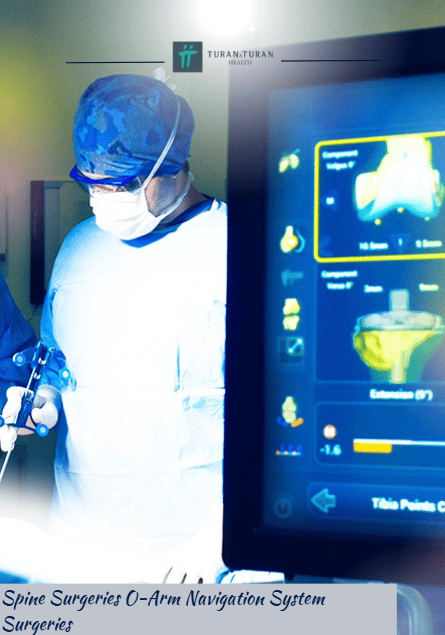
O-Arm Navigation is a cutting-edge technology that revolutionizes spinal surgery, including procedures for scoliosis. It is essentially a mobile X-ray system that provides surgeons with real-time, high-definition 2D and 3D images of the patient's spine during the operation. This imagery is then integrated with a navigation system, acting like a GPS for the surgeon.
The primary benefit of O-Arm Navigation in scoliosis surgery is its unparalleled precision. It allows surgeons to accurately place screws and rods into the vertebrae, crucial for correcting spinal curvature and ensuring stability. This precision minimizes the risk of complications such as nerve damage or improper instrumentation, leading to safer procedures, better corrective outcomes, and potentially faster recovery times for patients.
What factors influence the total cost of scoliosis surgery in Turkey?
Several factors converge to determine the final cost of scoliosis surgery in Turkey:
- Severity of Scoliosis: More severe curves or complex spinal deformities typically require longer surgeries, more extensive fusion, and additional instrumentation, increasing costs.
- Surgical Technique: While O-Arm Navigation is often included, specific surgical approaches (e.g., anterior vs. posterior fusion) can impact the overall price.
- Instrumentation Used: The type and number of rods, screws, and other implants needed for spinal correction directly affect the material costs.
- Hospital Accreditation and Facilities: Hospitals with international accreditations (like JCI) and state-of-the-art facilities may have slightly higher prices than smaller clinics.
- Surgeon's Experience and Reputation: Highly experienced and renowned spine surgeons might charge higher fees, reflecting their expertise and track record.
- Length of Hospital Stay: The standard recovery period in the hospital can vary, and any extended stay due to complications or patient preference will add to the total.
- Pre-operative Tests and Post-operative Care: Comprehensive packages usually include diagnostic tests, consultations, physical therapy, and follow-up appointments, but variations exist.
Understanding these variables helps patients obtain a more accurate estimate for their specific scoliosis surgery needs in Turkey.
What is typically included in a scoliosis surgery package in Turkey for international patients?
For international patients, medical tourism providers in Turkey typically offer comprehensive packages for scoliosis surgery to simplify the process. While specific inclusions can vary, a standard package often covers the following essential components:
| Service Included | Description |
|---|---|
| Medical Consultation | Initial remote and in-person consultations with the spine surgeon. |
| Pre-operative Diagnostics | All necessary tests (MRI, X-rays, blood tests, etc.) to prepare for surgery. |
| Surgical Procedure | The scoliosis correction surgery, including the use of O-Arm Navigation. |
| Anesthesia & Surgeon Fees | Costs for the anesthesiologist and the lead surgeon. |
| Hospital Stay | Accommodation in the hospital, typically for 5-7 days post-surgery, including nursing care. |
| Implants/Instrumentation | Cost of rods, screws, and other necessary hardware for spinal fusion. |
| Post-operative Care | Medication, wound care, and initial physiotherapy sessions while in Turkey. |
| Translator Services | Assistance with language barriers at the hospital. |
| Logistical Support | Sometimes includes airport transfers and assistance with accommodation arrangements. |
It is always advisable to get a detailed breakdown of all inclusions and exclusions from the medical tourism facilitator or hospital before making a decision.
How does the success rate of scoliosis surgery in Turkey compare globally?
Turkey's commitment to high medical standards, particularly in specialized fields like spinal surgery, has resulted in success rates for scoliosis correction that are on par with those observed in other globally recognized medical hubs. Hospitals in Turkey invest heavily in modern infrastructure and training, attracting highly qualified surgeons who are often internationally educated and experienced.
The consistent use of advanced technologies like O-Arm Navigation further contributes to these high success rates. By enabling greater precision during the procedure, it significantly reduces the risk of complications and enhances the effectiveness of curve correction. Patients typically experience substantial improvement in spinal alignment and reduction of pain, leading to a better quality of life post-surgery, consistent with global benchmarks.
What are the qualifications of spine surgeons in Turkey for scoliosis surgery?
Turkish spine surgeons specializing in scoliosis correction are highly qualified professionals. They typically hold medical degrees from reputable universities, followed by extensive residency training in either orthopedics or neurosurgery. Many then pursue further specialization through fellowships focusing specifically on spinal deformities and complex spine surgery.
A significant number of these surgeons also gain international experience, either through training programs, conferences, or working abroad. They are proficient in utilizing advanced surgical technologies, including O-Arm Navigation, which is a testament to their continuous professional development and dedication to providing state-of-the-art care. Patients can expect their surgeons to be members of national and international spinal societies, adhering to global best practices.
What are the potential risks and benefits of scoliosis surgery?
Like any major surgical procedure, scoliosis surgery comes with both potential benefits and risks that patients should carefully consider.
Benefits of Scoliosis Surgery:
- Significant Curve Correction: The primary goal is to reduce the spinal curvature, often by 50% or more, leading to improved posture and balance.
- Pain Reduction: For many patients, especially adults, surgery can alleviate chronic back pain associated with severe scoliosis.
- Improved Lung Function: In severe cases where the spine compresses the lungs, correction can enhance respiratory capacity.
- Prevention of Further Progression: Surgery prevents the curve from worsening, which is particularly important in adolescents.
- Enhanced Quality of Life: Patients often experience increased self-confidence and ability to participate in physical activities.
Potential Risks of Scoliosis Surgery:
- Infection: As with any surgery, there's a risk of surgical site infection.
- Nerve or Spinal Cord Damage: Though rare, this can lead to numbness, weakness, or paralysis. O-Arm Navigation significantly reduces this risk.
- Bleeding: Significant blood loss can occur, sometimes requiring transfusions.
- Implant Failure: Rods or screws can break or loosen over time, potentially requiring revision surgery.
- Pseudoarthrosis (Non-Union): The bones fail to fuse correctly, requiring additional surgery.
- Anesthesia Risks: Reactions to anesthesia are possible.
Discussing these thoroughly with your surgeon is crucial to make an informed decision about scoliosis surgery.
How long is the recovery period after scoliosis surgery in Turkey?
The recovery period after scoliosis surgery is a gradual process that varies for each individual, but a general timeline can be outlined:
- Hospital Stay: Typically, patients remain in the hospital for 5 to 7 days after surgery in Turkey. During this time, pain management is closely monitored, and patients begin light mobilization under the supervision of physiotherapists.
- Initial Home Recovery (3-4 weeks): Once discharged, patients will need significant rest and limited activity. Pain will gradually decrease, and simple daily tasks will become easier. During this phase, strenuous lifting, bending, or twisting is strictly prohibited.
- Intermediate Recovery (3-6 months): Patients can gradually return to school or light work. Physiotherapy becomes more intensive, focusing on strengthening core muscles and improving flexibility. Most daily activities can be resumed, but contact sports or heavy lifting are still restricted.
- Full Recovery (6-12 months): By this point, spinal fusion is usually complete, or nearly so. Most activity restrictions are lifted, and patients can return to nearly all pre-surgery activities, including sports. Ongoing physical therapy may be recommended to maintain strength and mobility.
Following post-operative instructions carefully, including adherence to physiotherapy, is critical for optimal recovery and long-term success of the scoliosis surgery.
What logistical support is available for international patients undergoing scoliosis surgery in Turkey?
Turkey's well-developed medical tourism infrastructure ensures that international patients undergoing scoliosis surgery receive extensive logistical support, aiming to make their experience as smooth and stress-free as possible. This support typically begins even before the patient arrives in the country.
Key logistical services often include:
- Airport Transfers: Organized pick-up and drop-off services from the airport to the hospital or accommodation.
- Accommodation Assistance: Help with booking hotels or serviced apartments that are conveniently located near the hospital and suitable for post-operative recovery.
- Translator Services: Professional medical translators are usually provided to ensure clear communication between the patient, surgeon, and medical staff.
- Visa Assistance: Guidance and support regarding visa requirements and application processes for Turkey.
- Patient Coordinators: Dedicated personnel who act as a single point of contact, assisting with scheduling appointments, managing paperwork, and addressing any concerns throughout the patient's stay.
- Post-operative Follow-up: Coordination of follow-up appointments and sometimes remote consultations after returning home.
These services are designed to address the unique needs of international patients, allowing them to focus solely on their treatment and recovery.
How to choose the right hospital and surgeon for scoliosis surgery in Turkey?
Selecting the ideal hospital and surgeon for scoliosis surgery in Turkey is a crucial step that requires careful research. Given the complexity of the procedure, a thorough evaluation ensures peace of mind and the best possible outcome.
Here’s what to look for:
- International Accreditations: Prioritize hospitals with international accreditations like Joint Commission International (JCI). These certifications signify adherence to global standards of patient safety and quality of care.
- Surgeon's Expertise:
- Ensure the surgeon is a board-certified orthopedic or neurosurgeon with specific fellowship training in spinal deformities.
- Inquire about their experience with O-Arm Navigation and the number of scoliosis surgeries they perform annually.
- Look for membership in international spine societies.
- Technology and Facilities: Confirm that the hospital is equipped with advanced technology, including O-Arm Navigation, and modern operating theaters and intensive care units.
- Patient Testimonials and Reviews: Read feedback from previous international patients who underwent scoliosis surgery at the facility. This provides insights into patient experience and satisfaction.
- Comprehensive Packages: Compare what is included in various treatment packages to ensure all necessary medical and logistical support is covered.
- Communication: Assess the ease of communication with the medical team and support staff, especially regarding language barriers.
Taking the time to research these aspects will help you make an informed decision for your scoliosis surgery journey in Turkey.
Ready to explore your options for scoliosis surgery in Turkey with O-Arm Navigation? Contact PlacidWay today to connect with leading hospitals and surgeons offering advanced, affordable spinal care solutions.

-in-Turkey.png)
.png)


.png)
.png)

.png)
.png)
.png)
.jpg)









Share this listing