


A Guide to Endoscopic Discectomy Turkey
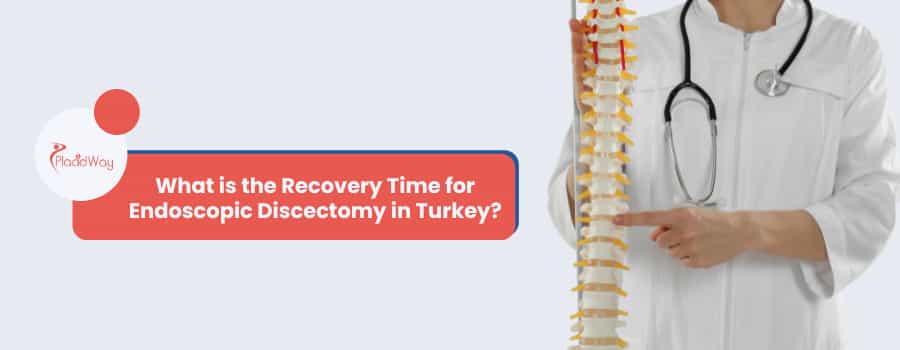
Undergoing a spinal procedure can be a big decision, and understanding the recovery process is naturally a top concern for anyone considering treatment. If you're exploring options for an endoscopic discectomy, especially in a destination like Turkey, you're likely wondering what the recovery journey entails. The good news is that endoscopic discectomy is a minimally invasive procedure designed to reduce recovery time and post-operative discomfort compared to conventional open surgeries.
Turkey has emerged as a popular destination for medical tourism, offering advanced medical treatments, including endoscopic discectomy, often at a more accessible cost without compromising on quality. When you choose to have this procedure in Turkey, you're not just getting expert surgical care; you're also benefiting from a healthcare system that prioritizes efficient patient recovery. This comprehensive guide will walk you through what to expect regarding recovery time, post-operative care, and returning to your daily life after an endoscopic discectomy in Turkey.
What is Endoscopic Discectomy?
Endoscopic discectomy is a modern surgical technique developed to treat disc herniations, which are a common cause of back and leg pain (sciatica). Unlike traditional open back surgery that requires a larger incision and muscle dissection, this procedure uses a tiny incision, typically less than a centimeter. Through this small opening, a surgeon inserts a thin tube called an endoscope, which has a camera and light source at its tip, allowing for a magnified view of the spinal structures on a monitor.
Specialized micro-surgical instruments are then passed through the endoscope to carefully remove the offending disc fragment that is compressing the nerve root. This approach minimizes damage to surrounding tissues, muscles, and ligaments, leading to less post-operative pain, a reduced risk of complications, and significantly faster recovery times. It's a precise method that targets the problem area directly while preserving spinal stability.
How long is the hospital stay after endoscopic discectomy in Turkey?
One of the significant advantages of endoscopic discectomy is the minimal hospital stay required. Because the procedure is less invasive, patients generally recover more quickly from the effects of anesthesia and the surgical intervention itself. In Turkey, medical facilities are well-equipped to manage these rapid discharge protocols, focusing on getting patients comfortably back on their feet as soon as safely possible.
Most patients are discharged within 24 hours of the surgery. Some individuals, particularly those who are otherwise healthy and have no underlying conditions, might even be considered for same-day discharge. Before being sent home, medical staff ensure that pain is well-managed, vital signs are stable, and the patient can move around independently and safely. This short stay allows for immediate post-operative monitoring while minimizing the time spent in a hospital environment.
What are the immediate post-operative instructions for endoscopic discectomy?
Following discharge, adhering to immediate post-operative instructions is crucial for a smooth recovery. Your medical team in Turkey will provide detailed guidelines tailored to your specific case. These instructions are designed to protect the surgical site and promote healing while preventing re-injury.
Key immediate instructions typically include:
- Pain Management: Take prescribed pain medication as directed to control discomfort, especially in the first few days.
- Activity Restrictions: Avoid the "BLT" rule – no bending, lifting (anything heavier than a gallon of milk), or twisting your back for the initial weeks.
- Mobility: Gentle walking is encouraged from day one to improve circulation and prevent stiffness, but avoid prolonged sitting or standing.
- Incision Care: Keep the small incision site clean and dry. You will be advised on when and how to shower and when dressings need to be changed.
- Sitting: Use a firm, supportive chair and avoid slouching. Limit sitting to short periods, getting up and moving frequently.
These guidelines are essential for preventing strain on the healing disc and surrounding tissues, paving the way for a strong and lasting recovery. Always communicate any concerns or unusual symptoms to your healthcare provider immediately.
When can I return to work after an endoscopic discectomy?
The swift recovery associated with endoscopic discectomy often allows patients to return to their professional lives much faster than with traditional back surgery. However, the exact timing depends heavily on the nature of your job and your individual healing progress. Your surgeon in Turkey will provide personalized advice based on your recovery trajectory.
For individuals with desk jobs or roles that involve minimal physical exertion, returning to work within one to two weeks post-surgery is often feasible. It's important to take frequent breaks, adjust your workstation for ergonomic support, and avoid prolonged sitting. Those with jobs that require significant lifting, bending, twisting, or prolonged standing might need a longer recovery period, typically four to six weeks, to ensure the spine has adequately healed and strengthened. Some highly strenuous jobs may even require clearance after several months.
What kind of physical therapy is needed after endoscopic discectomy?
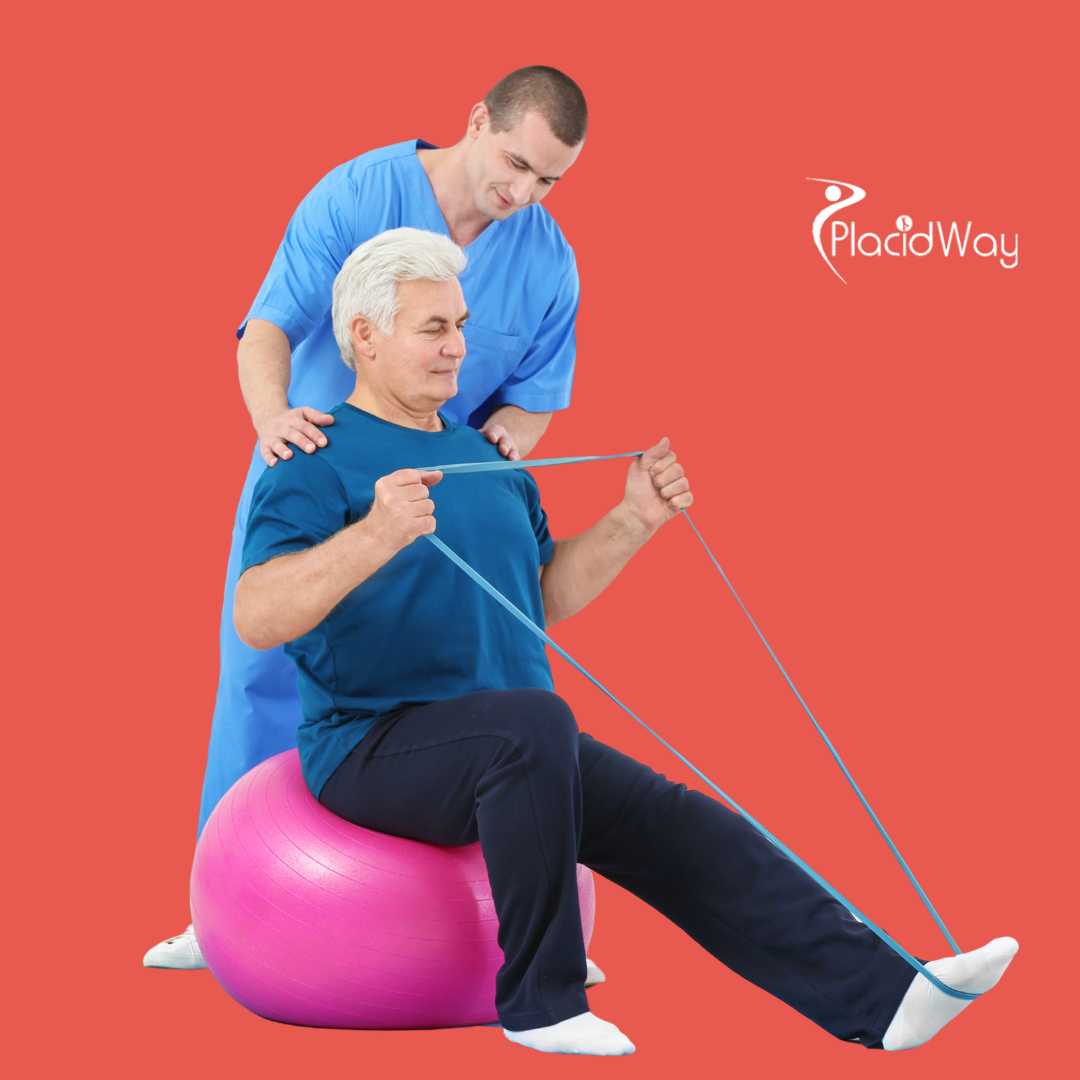
Physical therapy (PT) plays a vital role in optimizing the long-term success of an endoscopic discectomy. While the initial recovery allows for quicker mobilization, structured physical therapy helps to rebuild strength, improve flexibility, and ensure proper body mechanics, which are crucial for preventing future back issues. In Turkey, many clinics offer comprehensive post-operative rehabilitation programs, or they can advise on suitable therapy plans for when you return home.
Typically, PT might begin a few weeks after surgery, once the initial healing has occurred. Early sessions will focus on very gentle exercises to improve mobility and reduce stiffness. As you progress, the therapy will evolve to include:
- Core Strengthening: Exercises to strengthen the abdominal and back muscles, which support the spine.
- Flexibility: Stretches to improve range of motion and reduce muscle tightness.
- Posture Correction: Education and exercises to maintain proper posture during daily activities.
- Body Mechanics Training: Learning safe ways to lift, bend, and move to protect your back.
Adhering to your physical therapist's recommendations is just as important as the surgery itself for a comprehensive and lasting recovery. Consistency and patience are key.
Are there any restrictions after endoscopic discectomy?
To protect your healing spine and prevent re-herniation, certain activities will be restricted for a period following your endoscopic discectomy. These restrictions are in place to ensure optimal recovery and should be followed diligently. Your surgeon and medical team in Turkey will provide a specific timeline for these restrictions based on your individual progress.
Common restrictions include:
- Bending, Lifting, Twisting (BLT): This is the most critical restriction and is usually advised for at least 4-6 weeks. Avoid reaching for items on the floor, lifting heavy objects, or twisting your torso.
- Prolonged Sitting/Standing: Limit sitting or standing in one position for more than 20-30 minutes at a time, especially in the initial weeks. Get up and move around frequently.
- Driving: You may need to avoid driving for 1-2 weeks, particularly if you are still taking strong pain medication or if prolonged sitting causes discomfort.
- Strenuous Exercise/Sports: High-impact activities, running, contact sports, and heavy weightlifting are typically restricted for 1-3 months, or until cleared by your surgeon and physical therapist.
- Swimming: While gentle swimming can be beneficial, ensure your incision site is fully healed and cleared by your doctor before entering water.
Gradually reintroducing activities under guidance is essential. Rushing back into strenuous activities too soon can jeopardize your recovery and potentially lead to setbacks.
What are the benefits of choosing Turkey for endoscopic discectomy?
Turkey has established itself as a leading destination for medical tourism, particularly for specialized procedures like endoscopic discectomy. Patients from around the globe are increasingly opting for treatment in Turkey due to a compelling combination of factors. The quality of care often matches or even exceeds that found in many Western nations, while offering substantial cost savings.
Key benefits include:
- Experienced Surgeons: Turkish spine surgeons are often highly trained, with many having international experience and affiliations. They are proficient in advanced minimally invasive techniques.
- Modern Facilities: Hospitals in Turkey boast state-of-the-art technology, modern infrastructure, and often hold international accreditations like JCI (Joint Commission International), ensuring high standards of patient care and safety.
- Cost-Effectiveness: The cost of an endoscopic discectomy in Turkey can be considerably lower than in countries like the US, UK, or Canada, making advanced treatment more accessible without compromising quality.
- Comprehensive Packages: Many medical tourism facilitators and clinics in Turkey offer all-inclusive packages that cover surgery, accommodation, transfers, and sometimes even post-operative care, simplifying the patient journey.
- Geographic Accessibility and Hospitality: Turkey's strategic location makes it easily reachable for many international patients, and its renowned hospitality ensures a comfortable and welcoming environment during recovery.
These advantages make Turkey an attractive option for those seeking effective and affordable solutions for spinal conditions.
How does endoscopic discectomy recovery compare to traditional discectomy?
The comparison between endoscopic discectomy and traditional open discectomy in terms of recovery is quite stark, highlighting why the minimally invasive approach is often preferred when medically appropriate. Traditional discectomy involves a larger incision, requiring muscles to be cut or retracted, which leads to more tissue damage and a longer, more painful recovery.
Here’s a comparison of typical recovery aspects:
| Aspect | Endoscopic Discectomy | Traditional Open Discectomy |
|---|---|---|
| Incision Size | Very small (under 1 cm) | Larger (several centimeters) |
| Muscle/Tissue Damage | Minimal | Significant |
| Hospital Stay | Same-day to 1 night | 2-4 days |
| Post-operative Pain | Generally less severe | More pronounced and longer-lasting |
| Return to Light Activities | 1-2 weeks | 4-6 weeks |
| Full Recovery | 4-8 weeks | 3-6 months |
The reduced trauma to surrounding tissues in endoscopic discectomy translates directly into less pain, less need for strong pain medication, and a quicker return to normal daily functions, making it a highly appealing option for many patients.
What are the risks and complications associated with endoscopic discectomy?
Like any surgical procedure, endoscopic discectomy is not without potential risks and complications, although they are generally lower compared to open surgery due to its minimally invasive nature. It's important to discuss these thoroughly with your surgeon in Turkey to have a complete understanding before proceeding.
Potential risks and complications include:
- Nerve Damage: Although rare, there is a small risk of damage to the spinal nerves, which could lead to numbness, weakness, or increased pain.
- Infection: Any surgery carries a risk of infection at the incision site or deeper within the surgical area, though antibiotics are typically administered to minimize this risk.
- Bleeding: Minor bleeding is normal, but excessive bleeding requiring intervention is uncommon.
- Dural Tear (CSF Leak): The dura is the membrane surrounding the spinal cord. A tear can cause cerebrospinal fluid (CSF) leakage, which is usually repaired during surgery but can sometimes lead to headaches or other issues.
- Disc Re-herniation: There's a small chance the same disc can herniate again at the same level, sometimes requiring further intervention. This risk is similar to or slightly lower than open surgery.
- Persistent Pain: In some cases, nerve pain may not completely resolve or might recur, even after successful disc removal.
- Anesthesia Risks: As with any procedure requiring anesthesia, there are risks related to adverse reactions to the anesthetic agents.
Choosing an experienced surgeon in a reputable facility in Turkey helps significantly in minimizing these risks, as careful surgical technique and adherence to strict safety protocols are paramount.
How can I prepare for my endoscopic discectomy recovery in Turkey?
Proper preparation is key to a smooth and stress-free recovery, especially when undergoing a medical procedure abroad. When planning your endoscopic discectomy in Turkey, consider both the immediate post-operative period and your eventual return home. A well-thought-out plan can significantly enhance your comfort and healing process.
Here’s how you can prepare:
- Accommodation: Plan for a suitable recovery accommodation in Turkey for at least 7-14 days after discharge to allow for initial healing and follow-up appointments. Ensure it's easily accessible and comfortable.
- Transportation: Arrange for comfortable and appropriate transportation from the hospital to your accommodation and for your return journey home. Avoid long, strenuous travel immediately after surgery.
- Communication with Medical Team: Maintain open communication with your Turkish medical team. Understand all pre-operative instructions, what to expect during surgery, and detailed post-operative care guidelines before your procedure.
- Medication Management: Clarify all medication schedules, potential side effects, and how to obtain refills if necessary while in Turkey or upon your return home.
- Follow-up Care Plan: Discuss with your Turkish surgeon what follow-up care is needed once you return to your home country, including potential physical therapy referrals and check-ups.
- Support System: If possible, travel with a companion who can assist you during the initial recovery phase.
- Light Packing: Pack comfortable, loose-fitting clothes that are easy to put on and take off without straining your back.
By taking these preparatory steps, you can set yourself up for a successful surgery and a comfortable, efficient recovery journey after your endoscopic discectomy in Turkey.
Ready to explore your options for endoscopic discectomy or other healthcare solutions? Visit PlacidWay to connect with leading global medical providers and find the right path to your wellness journey.






.png)









Share this listing