


Advanced Minimally Invasive Spine Surgery and Rehabilitation in Turkey
Spine surgery in Turkey is exceptionally safe and modern, utilizing advanced robotics at JCI-accredited hospitals. Costs range from $6,000 to $15,000, offering world-class orthopedic and neurological care at a fraction of standard Western prices.
.png)
Key Takeaways: Excellence in Spinal Care
- • Global Accreditation: Facilities boast Joint Commission International (JCI) certifications, ensuring rigorous global safety standards.
- • Technological Superiority: Routine utilization of O-Arm imaging, Neuromonitoring, and sophisticated robotic surgical assistants.
- • Unmatched Affordability: Patients secure premium neurological procedures while saving up to 70 percent compared to North American healthcare rates.
- • Expert Medical Talent: Surgeries are spearheaded by internationally fellowship-trained orthopedic surgeons and elite neurosurgeons.
- • Holistic Patient Ecosystem: Packages seamlessly integrate complex surgery, intensive care, and specialized postoperative physical rehabilitation.
Why is minimally invasive spine surgery the standard in Turkey?
Any leading spine surgery clinic in Turkey prioritizes minimally invasive techniques to drastically reduce tissue damage and lower infection rates. This modern approach guarantees patients benefit from smaller incisions, minimal muscle disruption, and a significantly accelerated recovery trajectory.
- Preservation of Muscular Anatomy: Unlike traditional open surgeries that require extensive stripping of back muscles from the spinal column, minimally invasive procedures utilize specialized tubular retractors. These devices gently push muscle fibers aside, preserving their integrity and reducing postoperative muscle spasms.
- Substantial Reduction in Blood Loss: By employing microscopic visualization and avoiding large incisions, surgeons meticulously control bleeding during the operation. This precision virtually eliminates the necessity for hazardous blood transfusions during complex spinal decompression procedures.
- Mitigation of Surgical Site Infections: The implementation of micro-incisions creates a vastly smaller wound surface area exposed to the operating room environment. This naturally barricades the internal anatomy against pathogens, resulting in infection rates that fall well below global healthcare averages.
- Expedited Hospital Discharge: Traditional spinal fusions often mandate a hospital stay exceeding a week. Conversely, patients undergoing minimally invasive microdiscectomies or targeted lumbar fusions in Turkish facilities frequently transition to outpatient rehabilitation within two to three days.
- Aesthetic and Cosmetic Benefits: For patients concerned about permanent surgical scarring, the endoscopic approach is revolutionary. Incisions are often smaller than an inch, resulting in faint, highly inconspicuous marks that fade beautifully over time.
What advanced robotic technologies are used for spinal procedures in Turkey?
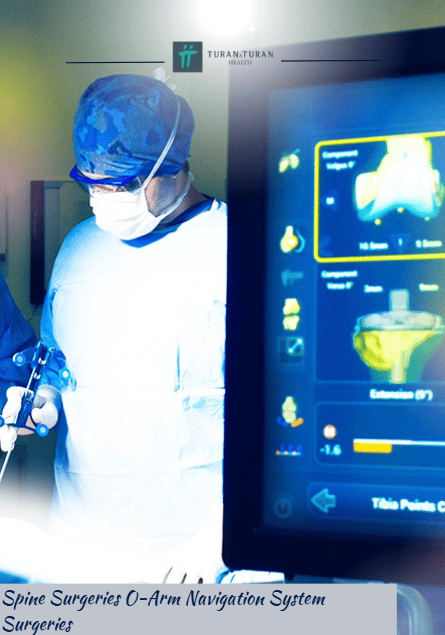
Elite medical institutions heavily invest in cutting edge neuromonitoring, intraoperative O-arm imaging, and robotic assisted navigation frameworks. These sophisticated diagnostic and surgical tools grant neurosurgeons flawless real time 3D mapping of the delicate spinal architecture.
The integration of the O-arm surgical imaging system represents a monumental leap in neurological safety. This technology functions as a mobile CT scanner operating seamlessly within the surgical theater. It captures multi-dimensional images of the patients anatomy while they are on the operating table. Surgeons use these high resolution scans to verify the absolute correct placement of pedicle screws and titanium rods before the patient ever leaves the room, entirely eliminating the need for corrective revision surgeries caused by hardware misalignment.
Complementing advanced imaging is the widespread adoption of real-time intraoperative neuromonitoring. During complex operations such as scoliosis curve correction or spinal tumor resection, specialized technicians continuously monitor the electrical signals traversing the spinal cord and peripheral nerves. If a surgical instrument navigates too closely to a critical nerve root, the system immediately alerts the surgeon. This invaluable feedback loop guarantees the preservation of motor functions and prevents devastating neurological deficits.
Furthermore, robotic surgical assistants have transformed the landscape of complex spinal fusions. These robotic arms do not replace the surgeon; rather, they augment human capability. Once the surgeon maps the trajectory for a spinal implant on a computer console, the robotic arm guides the surgical instruments with sub-millimeter precision. This ensures that every incision and screw placement aligns perfectly with the preoperative digital blueprint, enhancing construct stability and patient outcomes.
How does the spine surgery cost in Turkey compare to Western countries?
The average spine surgery cost in Turkey remains remarkably 60 to 70 percent lower than identical procedures performed in the United States or the United Kingdom. This extraordinary affordability provides access to premium healthcare without inducing catastrophic financial debt.
Understanding this immense price discrepancy requires examining the underlying macroeconomic factors rather than questioning the quality of medical care. The cost of living, labor wages, and hospital operational overheads in this region are substantially lower than in North America or Western Europe. Additionally, the favorable currency exchange rate grants international patients massive purchasing power, allowing them to afford luxurious private hospital suites and top tier medical expertise at a fraction of standard domestic rates.
Moreover, the pricing structure in these international healthcare hubs is refreshingly transparent and bundled. In many Western medical systems, a patient receives separate, exorbitant bills from the hospital facility, the primary surgeon, the anesthesiologist, the imaging center, and the pharmacy. In stark contrast, Turkish medical facilities provide comprehensive, all inclusive packages. A single quoted price generally covers the surgeon fees, operating room time, specialized spinal implants, intensive care unit days, and standard hospital ward accommodation.
This cost efficiency extends to advanced procedures like artificial disc replacement and multilevel spinal fusions, which can easily exceed one hundred thousand dollars in the US healthcare system. By exploring international options, uninsured or underinsured patients can reclaim their mobility and eradicate chronic back pain for a manageable investment ranging from six thousand to fifteen thousand dollars, inclusive of world-class rehabilitation support.
What types of complex spinal conditions are treated by Turkish surgeons?
Orthopedic experts and neurosurgeons practicing within a premier spine surgery clinic in Turkey routinely conquer severe scoliosis, herniated discs, and debilitating spinal tumors. They command unparalleled expertise in handling both adult degenerative diseases and complex pediatric spinal deformities.
- Advanced Scoliosis Correction: Surgeons expertly tackle severe spinal curvatures in both adolescents and adults. Utilizing highly specialized pedicle screws, titanium rods, and real time 3D navigation, they meticulously straighten the spinal column, dramatically improving pulmonary function and overall posture.
- Artificial Disc Replacement (Arthroplasty): For patients suffering from severely degenerated cervical or lumbar discs, specialists expertly remove the damaged tissue and insert a highly engineered prosthetic disc. This advanced motion-preserving technology maintains natural spinal flexibility, entirely avoiding the stiffness associated with traditional spinal fusions.
- Microdiscectomy for Herniated Discs: When a bulging intervertebral disc heavily compresses the sciatic nerve causing agonizing leg pain, neurosurgeons perform precise endoscopic microdiscectomies. By delicately extracting only the protruding disc fragment, immediate nerve pressure relief is achieved while maintaining the structural integrity of the spine.
- Complex Spinal Stenosis Decompression: Aging often leads to the narrowing of the spinal canal, creating severe pressure on the spinal cord. Surgeons execute precise laminectomies and laminotomies, expertly removing arthritic bone spurs and thickened ligaments to restore vital space for the neural elements.
- Spinal Oncology and Tumor Resection: Multidisciplinary oncological teams flawlessly handle intricate spinal cord tumors. Combining microsurgery techniques with advanced radiation therapies, they effectively resect malignant and benign growths while prioritizing the absolute preservation of neurological function.
How do Turkish hospitals ensure patient safety during complex spinal fusions?
Ensuring absolute patient safety requires strict adherence to international protocols and JCI accreditation standards. Multidisciplinary healthcare teams collaborate intensely to monitor every physiological parameter continuously from the initial anesthesia induction through to postoperative critical care.
The foundation of this uncompromising safety protocol begins long before the patient enters the operating theater. Comprehensive preoperative screening is mandatory for international travelers. Patients undergo exhaustive cardiac evaluations, pulmonary function tests, deep vein thrombosis risk assessments, and extensive blood work panels. This meticulous preparation ensures that the individual is physiologically capable of withstanding prolonged general anesthesia required for multi-level spinal interventions.
During the surgical procedure itself, the environment is controlled by stringent infection prevention protocols dictated by global accreditation bodies. Operating rooms are equipped with ultra-clean laminar airflow systems that continuously filter airborne particulates and bacteria away from the surgical field. The surgical team consists not only of the primary neurosurgeon but also a dedicated neuro-anesthesiologist who specializes exclusively in managing brain and spine patients, maintaining optimal cerebral and spinal cord blood flow throughout the intervention.
Following complex spinal reconstructions, patients are immediately transferred to specialized neurological intensive care units. These advanced ICUs feature one to one nursing ratios, ensuring that highly trained critical care nurses continuously assess motor functions, sensory responses, and vital signs. This immediate, high-intensity observation allows for the rapid identification and immediate resolution of any potential postoperative complications, guaranteeing the highest standard of patient security.
What should international patients expect during spinal surgery recovery in Turkey?
Postoperative recovery for spine surgery in Turkey involves a dedicated physical therapy regimen commencing almost immediately. Hospitals deliver specialized, compassionate care focusing intensely on breakthrough pain management and establishing early, safe patient mobility.
The recovery journey begins within the first twenty-four hours post-surgery. Counter to outdated medical philosophies that promoted prolonged bed rest, modern spinal protocols emphasize early mobilization. Guided by specialized orthopedic physical therapists, patients are encouraged to sit at the edge of the bed and take supported steps very soon after waking. This early movement is critical; it stimulates blood circulation, prevents the formation of dangerous blood clots, and jumpstarts the healing process of the spinal musculature.
Pain management is handled proactively through a multimodal approach. Rather than relying solely on heavy narcotic medications, medical teams utilize a combination of targeted nerve blocks, muscle relaxants, and anti-inflammatory infusions. This sophisticated pain control strategy ensures patients remain comfortable and lucid, allowing them to participate actively in their daily physiotherapy sessions without experiencing crippling discomfort or the severe grogginess associated with heavy opioids.
Prior to hospital discharge, patients undergo comprehensive education regarding their bodily mechanics. Physical therapists teach specific techniques for rolling out of bed, bending at the knees rather than the waist, and safely lifting lightweight objects. International patients are typically advised to remain in the city for an additional postoperative period, allowing the surgical team to conduct thorough wound inspections, remove surgical staples, and formally clear the patient for a safe flight back to their home country.
How does medical tourism in Turkey support spinal rehabilitation?
The robust infrastructure for medical tourism in Turkey is uniquely designed to accommodate the long-term recovery requirements of complex orthopedic patients. The ecosystem flawlessly integrates luxury healing environments with intensive, world-class physical therapy centers.
- Integrated Rehabilitation Centers: Top hospitals possess dedicated physical therapy wings equipped with anti-gravity treadmills and hydrotherapy pools. These facilities allow spine patients to begin strengthening their core and back muscles in a buoyant, zero-impact environment, radically accelerating the rehabilitation timeline.
- Dedicated Patient Coordinators: Navigating a foreign healthcare system post-surgery is effortless thanks to bilingual patient advocates. These dedicated professionals handle all logistical medical appointments, coordinate pharmacy prescription refills, and act as a constant communication bridge between the patient and the surgical team.
- Ergonomic Recovery Accommodations: The medical tourism sector partners with specialized recovery hotels. These facilities offer orthopedic mattresses, walk-in accessible showers with safety grab bars, and room service menus tailored for nutritional healing, ensuring maximum safety for patients with limited spinal mobility.
- Nutritional Support for Bone Fusion: Hospital dietitians craft specialized meal plans rich in calcium, Vitamin D, and high-quality proteins. This targeted nutritional intervention is scientifically proven to promote rapid bone grafting success and expedite cellular tissue repair following major spinal fusion surgeries.
- Seamless Telemedicine Continuity: The rehabilitation support does not terminate at the airport. Clinics establish robust telemedicine schedules, allowing the original neurosurgeon to review physical therapy progress, assess X-rays taken in the patients home country, and adjust recovery protocols remotely for up to a year post-procedure.
What are the success rates for disc replacement and spinal fusion in Turkey?
Clinical outcomes for complex neurological procedures boast extraordinary success rates consistently exceeding ninety percent. These remarkable statistics heavily reflect the immense technical skill, rigorous training, and immense experience of Turkish spine specialists.
For procedures such as lumbar spinal fusion, success is measured both radiographically through confirmed bone growth and clinically through patient reported pain reduction. Leading medical institutions report bony fusion success rates that rival or surpass the most prestigious spine centers globally. The utilization of high grade osteoinductive bone grafts and flawlessly positioned titanium hardware ensures maximum biomechanical stability, resulting in long-term structural durability.
Artificial disc replacement surgeries exhibit equally phenomenal success trajectories. Patients undergoing cervical or lumbar arthroplasty typically experience immediate relief from radiating nerve pain. Long-term outcome studies indicate excellent preservation of spinal segment mobility, drastically reducing the incidence of adjacent segment disease—a common complication where neighboring discs degenerate rapidly following a rigid spinal fusion.
Ultimately, patient satisfaction scores remain the most critical metric. International feedback consistently highlights profound improvements in quality of life. Patients who previously required mobility aids or suffered from chronic, debilitating pain frequently return to active lifestyles, participating in sports, returning to physically demanding occupations, and enjoying pain-free daily activities, underscoring the life-changing impact of these surgical interventions.
Why Choose PlacidWay for your spine surgery in Turkey?
PlacidWay connects you exclusively with globally recognized medical centers while guaranteeing completely transparent pricing and comprehensive care coordination. We relentlessly prioritize your physical health, financial security, and total peace of mind at every step.
- Rigorous Medical Vetting: We perform exhaustive background checks, partnering only with highly accredited hospitals that possess verifiable records of supreme surgical safety and zero history of systemic medical malpractice.
- Elite Surgeon Access: PlacidWay bypasses lengthy bureaucratic waiting lists, granting you direct and immediate access to internationally renowned, board-certified spinal neurosurgeons and orthopedic innovators.
- Absolute Financial Transparency: We negotiate guaranteed, all-inclusive medical packages on your behalf. You receive highly detailed cost breakdowns prior to commitment, ensuring zero hidden medical fees or unexpected hospital surcharges.
- Dedicated Patient Advocacy: Our expert coordinators serve as your personal medical advocates, seamlessly facilitating communication between you and the surgical team to ensure all your clinical questions are answered comprehensively.
- Pre-operative Case Evaluation: We securely compile and transmit your complex medical history, MRI scans, and X-rays to top specialists, facilitating accurate second opinions and highly customized surgical proposals before you make any decisions.
Frequently Asked Questions About Spinal Procedures and Medical Tourism
How long must I stay in Istanbul after undergoing a spinal fusion procedure?
Patients undergoing spinal fusion are typically required to stay in the hospital for three to five days for acute monitoring and early physiotherapy. Following discharge from the hospital, surgeons highly recommend remaining in Istanbul for an additional ten to fourteen days. This extended period ensures that you can attend critical follow-up appointments, receive clearance for air travel, and begin your prescribed rehabilitation in a controlled environment.
Is it completely safe to fly back home after undergoing lumbar spine surgery in Antalya?
Flying is safe provided you follow your neurosurgeons exact timeline and instructions. Most patients are cleared for commercial air travel approximately two to three weeks post-operation. During the flight, you will need to walk the cabin aisles frequently to prevent deep vein thrombosis, wear prescribed compression stockings, and utilize specialized lumbar support cushions to protect your healing spine.
Do Turkish medical facilities provide English speaking staff for international spinal patients?
Yes, major healthcare facilities catering to international patients feature dedicated international departments staffed entirely by fluent English speakers. These comprehensive teams include medical interpreters, patient coordinators, and bilingual nursing staff who remain by your side from the initial consultation through the entire recovery phase, ensuring flawless medical communication.
Are the titanium spinal implants and artificial discs used in Turkey FDA approved?
Top-tier medical institutions exclusively utilize premium spinal hardware and artificial discs manufactured by globally recognized biomedical companies. These high-grade implants are fully FDA approved and hold CE certifications. Your surgeon will provide complete documentation, including serial numbers and brand names of the implants used, ensuring global lifetime traceability and absolute peace of mind.
What is the average waiting time to schedule urgent spinal stenosis surgery in Turkish clinics?
One of the most significant advantages of seeking care internationally is the virtual elimination of extensive waiting lists. Once your medical files and MRI scans are reviewed, urgent procedures like spinal stenosis decompression can typically be scheduled within one to two weeks. This rapid response prevents further nerve damage and offers immediate relief from debilitating chronic pain.
Can I receive specialized neurological physical therapy in Izmir following my spinal procedure?
Absolutely, Izmir boasts highly advanced neurological rehabilitation centers equipped with state-of-the-art physical therapy technology. These comprehensive facilities collaborate directly with your operating surgeon to create a customized postoperative physiotherapy regimen. Treatments include aquatic therapy, robotic gait training, and targeted muscle strengthening to accelerate your spinal recovery.
How do I securely transfer my MRI and Xray scans to a Turkish neurosurgeon before my arrival?
Medical teams utilize secure, encrypted digital platforms compliant with international privacy laws to receive your radiological imaging. You can easily upload your DICOM files from your MRI or Xray CD directly to these specialized portals. The surgical team then conducts a thorough multidisciplinary review to formulate a precise surgical plan before you even depart your home country.
Does the quoted price for complex scoliosis surgery in Turkey cover intensive care unit charges?
Comprehensive surgical packages provided by premier medical facilities generally include a predefined number of days in the intensive care unit, which is standard protocol following extensive scoliosis correction. It is crucial to review your itemized treatment plan meticulously, as it will explicitly outline the covered ICU days, standard ward days, and surgical theater fees to ensure complete financial transparency.
What happens if I experience unexpected complications after returning home from my spinal operation?
Reputable healthcare providers offer extended postoperative telemedicine consultations to monitor your progress long after you return home. In the rare event of a delayed complication, your Turkish surgical team will collaborate directly with your local primary care physician or spine specialist, sharing detailed surgical reports and operative notes to ensure seamless continuum of care.
Are accompanying family members allowed to stay in the hospital room during my spinal recovery?
Yes, private patient suites in internationally accredited hospitals are specifically designed to comfortably accommodate an accompanying family member or caregiver. These spacious rooms typically feature a dedicated companion bed or sleeper sofa, en-suite bathroom facilities, and comprehensive meal services, ensuring your loved one can provide continuous emotional support throughout your inpatient recovery.
Reclaim Your Mobility and Live Pain-Free Today
Stop living with debilitating back pain. PlacidWay connects you directly with Turkey's most prestigious, accredited neurosurgical institutes. Secure a comprehensive, free medical evaluation of your MRI scans, receive a tailored surgical proposal, and discover how our fully transparent, all-inclusive medical packages can change your life safely and affordably.
* Your medical privacy is strictly guaranteed. Connect with a patient advocate today.
.png)





.png)








Share this listing