


Finding an accurate diagnosis and an effective treatment plan for severe spinal conditions can be a daunting journey for many patients. When chronic back and leg pain becomes debilitating, exploring advanced medical options like affordable robotic spine surgery in Turkey provides a highly effective pathway to regaining mobility. Dr. Frederick Stewart, a 62-year-old physician from Florida, experienced this firsthand after suffering an acute injury while lifting a heavy object [00:05]. His search for a permanent solution led him to international spine specialists who identified the true root cause of his suffering.
Many patients initially believe they require simple decompression procedures for spinal canal narrowing. However, thorough international medical evaluations often uncover underlying structural instabilities, such as lumbar spondylolisthesis. This comprehensive guide explores the critical differences between various spinal procedures, the clinical advantages of robotic-assisted stabilization, and why medical tourism for spine surgery continues to grow in popularity among North American and European patients.
Video Chapters & Quick Navigation
- Understanding Lumbar Spondylolisthesis
- Diagnostic Accuracy in Spinal Treatments
- Endoscopic vs. Robotic Spine Stabilization
- The Robotic Spine Surgery Procedure
- Post-Operative Recovery Timeline
- Benefits of Medical Tourism for Spine Care
- Preparing for Spinal Surgery Abroad
- Long-Term Spinal Health Maintenance
Understanding Lumbar Spondylolisthesis and Severe Back Pain
Lumbar spondylolisthesis occurs when one of the vertebrae in the lower spine slips forward over the bone directly beneath it. This structural misalignment compromises the integrity of the spinal column and frequently leads to severe nerve compression. Patients dealing with this condition often report debilitating pain that radiates from the lower back down through the buttocks and into the legs.
The mechanical instability caused by the slipped vertebra forces the surrounding muscles and ligaments to overcompensate. This constant strain results in severe localized back pain, especially during weight-bearing activities. Dr. Stewart noted that his severe back and leg pain started just two days after attempting to lift a ladder [00:08], a classic trigger for exacerbating an underlying spinal condition.
When the slipped vertebra encroaches on the spinal canal, it leads to spinal stenosis, essentially narrowing the space available for nerve roots. This nerve pinching is directly responsible for the radiating leg pain, numbness, and tingling often associated with the condition. Without proper stabilization, the slippage can progressively worsen, leading to permanent nerve damage and significant loss of mobility.
Common Symptoms of Lumbar Instability
Identifying the exact symptoms is crucial for differentiating between simple muscle strains and complex spinal deformities. Patients seeking treatment for lumbar spondylolisthesis abroad typically present with a specific cluster of neurological and physical symptoms.
| Symptom Category | Clinical Presentation | Impact on Daily Life |
|---|---|---|
| Neurological | Sciatica, tingling, numbness in lower extremities. | Difficulty standing for extended periods or walking long distances. |
| Mechanical | Deep ache in the lower back, feeling of spinal slipping. | Inability to lift objects, bend forward, or twist safely. |
| Muscular | Tight hamstrings, gluteal pain, severe muscle spasms. | Altered gait, reliance on walking aids, disrupted sleep patterns. |
Diagnostic Accuracy in Complex Spinal Treatments
Accurate medical imaging and thorough radiological assessment are the cornerstones of successful spine surgery. A misdiagnosis can lead to inappropriate surgical interventions that fail to address the root cause of the pain. Dr. Stewart’s case highlights a critical issue in modern healthcare; his initial diagnosis missed the vital component of lumbar instability.
He initially sought out endoscopic spine surgery under the belief that his only issue was spinal canal narrowing. However, upon arrival and comprehensive review by international specialists, it was discovered that he also suffered from lumbar spondylolisthesis [00:20]. Treating only the spinal canal narrowing without addressing the unstable slipped vertebra would have resulted in failed back surgery syndrome.
If he had undergone the initially planned procedure in the United States, he would have likely required a second, more invasive revision surgery due to the missed diagnosis [00:35]. This highlights why high-volume international spine centers place immense emphasis on independent, multi-disciplinary case reviews before any patient enters the operating room.
- Dynamic X-Rays: Essential for viewing the spine in flexion and extension to measure the exact degree of vertebral slippage.
- High-Resolution MRI: Provides detailed cross-sectional images to evaluate nerve root compression and disc degeneration.
- CT Scans: Utilized for precise preoperative surgical planning and robotic navigation mapping.
Endoscopic Spine Surgery vs. Robotic Spine Stabilization
Patients researching minimally invasive spine treatments often encounter debates between endoscopic procedures and robotic stabilizations. While both utilize advanced technology to minimize tissue damage, their clinical applications serve very different structural purposes.
Endoscopic spine surgery is highly effective for soft tissue issues like herniated discs or simple bone spurs causing localized nerve impingement. It involves using a tiny camera inserted through a tube to remove the compressive elements. However, an endoscope cannot stabilize a structurally loose spine; it can only decompress the trapped nerves.
Because the diagnostic team identified structural slipping in Dr. Stewart's lumbar region, they correctly pivoted the surgical plan. The medical team decided to perform robotic spine surgery for stabilization rather than just a simple endoscopic decompression [00:25]. Stabilization involves placing specialized surgical hardware to lock the shifting bones in place, allowing them to fuse securely over time.
Key Differences in Surgical Approaches
Understanding these differences helps patients make informed decisions about their treatment plans and manage their postoperative expectations regarding mobility and recovery timelines.
- Primary Function: Endoscopic primarily focuses on nerve decompression. Robotic stabilization focuses on correcting structural deformity and locking vertebrae.
- Hardware Usage: Endoscopic uses no hardware. Robotic stabilization utilizes titanium screws, rods, and bone graft material.
- Target Condition: Endoscopic is best for disc herniations. Robotic is the gold standard for spondylolisthesis and severe scoliosis.
The Step-by-Step Robotic Spine Surgery Procedure
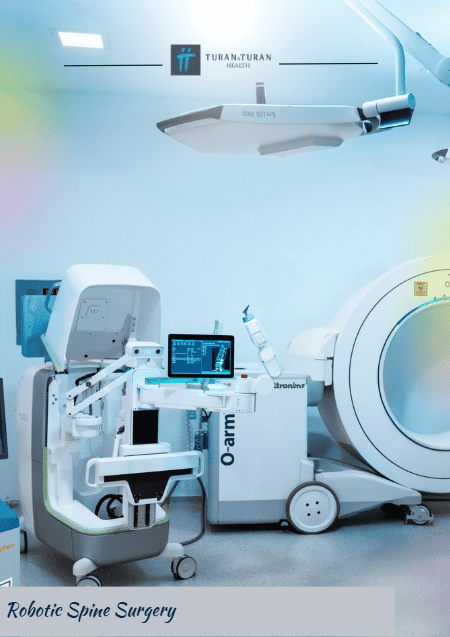
Robotic-assisted spinal stabilization represents the pinnacle of modern orthopedic and neurosurgical technology. The integration of robotics eliminates the guesswork traditionally associated with placing screws near delicate spinal cord structures. The procedure begins long before the first incision, relying heavily on advanced digital blueprints.
Surgeons first upload the patient's CT scans into the robotic software to create a highly accurate, 3D anatomical model of the spine. The surgeon plans the exact trajectory, size, and depth of every titanium screw on the computer. During the actual operation, the robotic arm guides the surgeon's instruments precisely along these pre-planned pathways.
This level of precision ensures that screws are placed flawlessly, avoiding any accidental nerve irritation or vascular injury. Furthermore, the robotic guidance allows surgeons to work through much smaller incisions compared to traditional open spine surgery. This minimally invasive approach drastically reduces intraoperative blood loss, lowers infection risks, and preserves the healthy back muscles crucial for postoperative rehabilitation.
Recovery Timeline After Robotic Spinal Stabilization Procedure
One of the most profound benefits of utilizing robotic technology for lumbar fusions is the dramatically accelerated recovery timeline. Traditional open spinal fusions often left patients bedridden for days, managing intense surgical pain. Minimally invasive robotic techniques flip this narrative entirely.
Dr. Stewart experienced this rapid recovery firsthand. The very next day after his robotic stabilization surgery, he was already up and doing some walking [00:40]. Early mobilization is strongly encouraged by international orthopedic teams as it promotes blood circulation, speeds up healing, and prevents postoperative complications like deep vein thrombosis.
By the second day, his progress was remarkable. He was able to walk up and down the hospital hallway entirely free of the debilitating pain that previously radiated through his legs, buttocks, and lower back [00:45]. This immediate relief of neurological symptoms is a hallmark of successful spinal stabilization and nerve decompression.
Standard Post-Operative Milestones
While every patient heals at their own pace, standard protocols for robotic spine surgery recovery typically follow a predictable and encouraging pattern.
| Timeframe | Expected Mobility & Recovery Status |
|---|---|
| Days 1-3 | Assisted walking in hospital corridors, management of surgical site discomfort, immediate relief from nerve pain. |
| Weeks 1-2 | Discharge from hospital. Independent walking around the home or hotel. Gradual reduction in pain medication. |
| Weeks 4-6 | Return to light daily activities and desk work. Initiation of structured physical therapy for core strengthening. |
| Months 3-6 | Complete fusion of the vertebrae. Return to moderate exercise, swimming, and normal lifestyle activities. |
Cost Benefits of Medical Tourism for Spine Surgery in Turkey
The financial burden of complex spinal treatments in the United States and Western Europe drives many patients to seek alternative healthcare destinations. Finding an affordable robotic spine surgery in Turkey does not mean compromising on medical quality; in fact, it often results in accessing superior, state-of-the-art facilities.
In North America, the out-of-pocket costs for robotic-assisted spinal fusion can be financially devastating, even with comprehensive health insurance. High deductibles, out-of-network surgeon fees, and exorbitant hospital facility charges quickly accumulate. Turkey offers highly competitive, all-inclusive medical packages that bundle the surgery, hospital stay, robotic technology fees, and localized accommodations into one transparent price.
Beyond the cost savings, international patients benefit from zero wait times. In countries with socialized healthcare systems, waiting lists for elective spinal fusions can stretch for years, leaving patients to suffer in chronic pain. Turkish medical centers accommodate international patients swiftly, ensuring that progressive conditions like spondylolisthesis are treated before permanent nerve damage occurs.
Why International Patients Choose Turkey for Complex Spinal Operations
Turkey has firmly established itself as a global leader in advanced orthopedic and neurosurgical care. The country heavily invests in healthcare infrastructure, ensuring its private hospitals are equipped with the latest surgical robots, high-definition endoscopes, and advanced diagnostic imaging machines.
The expertise of the surgical teams is a primary draw. Many top spinal surgeons in Turkey have completed extensive fellowships in the United States or Europe, bringing globally recognized best practices back to their domestic clinics. These teams handle high volumes of complex cases, giving them unparalleled experience in treating severe spinal deformities and revision surgeries.
Patient experience and hospitality also play a massive role in medical tourism. Recognizing the stress of traveling abroad for surgery, top clinics provide dedicated patient coordinators who manage airport transfers, translation services, and post-operative hotel accommodations. Dr. Stewart expressed immense satisfaction with his overall experience, stating he couldn't be more pleased and highly recommends the facility [00:56].
- JCI Accredited Hospitals: Ensuring stringent international standards for patient safety and clinical care are meticulously met.
- Multilingual Medical Staff: Eliminating communication barriers to ensure patients fully understand their diagnosis and treatment plans.
- Comprehensive Aftercare: Structured physical therapy and continuous remote follow-ups once the patient returns to their home country.
Preparing for Your Spinal Surgery Abroad
Meticulous preparation is essential for a smooth medical tourism experience. The process begins with a comprehensive remote consultation. Patients are required to securely transmit their recent MRI scans, X-rays, and medical history reports to the international surgical team for initial review.
Once the surgical team evaluates the imaging, they provide a detailed preliminary treatment plan, outlining the recommended surgical approach, the specific hardware to be used, and the expected recovery timeline. This allows patients to understand the clinical roadmap and financial commitments before booking any flights.
Travel logistics are specifically tailored around the patient's limited mobility. Clinics coordinate VIP airport pickups using comfortable, accessible vehicles that transport patients directly to the hospital or a specialized recovery hotel. Patients are advised to travel with a companion to assist with luggage and provide emotional support during the immediate post-operative phase.
Long-Term Outlook After Minimally Invasive Spinal Fusion
The long-term prognosis for patients undergoing robotic spinal stabilization is overwhelmingly positive. Once the targeted vertebrae successfully fuse together, the mechanical instability is permanently resolved. Patients can anticipate a significant, long-term reduction in localized back pain.
Because robotic surgery minimizes the dissection of surrounding back muscles, patients maintain excellent core strength post-surgery. This preserved muscle mass is vital for supporting the newly fused spine and preventing adjacent segment disease. Committing to a structured physical therapy program and maintaining a healthy body weight further protects the spine.
Returning to an active, pain-free life is the ultimate goal. Just like Dr. Stewart, who rapidly regained his ability to walk without nerve pain, patients worldwide are reclaiming their independence through these advanced surgical interventions abroad.
Ready to End Your Back Pain?
Connect with top-rated international spine specialists today. Receive a comprehensive medical review and explore affordable robotic spine surgery options abroad.
Get Free QuoteView Full Video Transcript
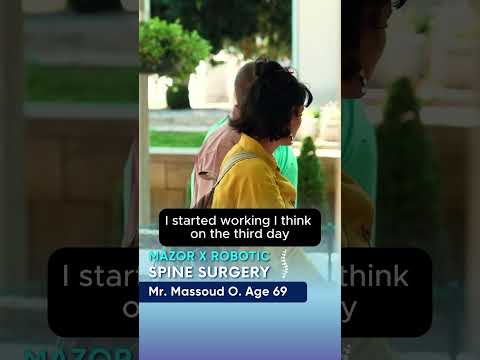
[00:00] My name is Dr. Frederick Stewart. I live in Florida.
[00:03] I am 62 years old and I decided to try and lift something.
[00:07] About two days later I had pretty severe back and leg pain.
[00:12] I came here to have my back fixed.
[00:15] Initially, Frederick had come to us seeking endoscopic spine surgery.
[00:20] His only issue was not spinal canal narrowing. There was also lumbar spondylolisthesis too.
[00:25] In the end we decided to perform robotic spine surgery for stabilization.
[00:30] If I had had the surgery in the United States, I would have had to have a second surgery.
[00:35] They actually missed part of the diagnosis that the medical team here got correct.
[00:40] After the surgery, next day we did some walking.
[00:44] Second day I was able to walk up and down the hallway with none of the pain that I had formally in my legs and buttock and low back.
[00:52] I am very happy that I came here. I couldn't be more pleased.
[00:56] I would absolutely recommend coming here.


.png)
.png)









Share this listing