
The landscape of global healthcare is rapidly changing, and Turkey has positioned itself at the forefront of this medical revolution. Facing exorbitant domestic healthcare costs, an increasing number of US citizens are looking abroad for complex orthopedic and neurological procedures. The trend of seeking affordable robotic spine surgery in Turkey has grown exponentially as patients realize they do not have to compromise on medical excellence to achieve financial relief.
This surge in medical travel is largely driven by a combination of world-class medical infrastructure and highly competitive pricing. Patients from North America are discovering that they can undergo complex, technology-driven spinal interventions at a fraction of the cost they would face back home. With internationally accredited hospitals and English-speaking medical staff, Turkey offers a seamless and highly professional environment for medical tourists seeking major surgical interventions.
Over 1.2 million international patients traveled to Turkey for medical treatments in 2022, with orthopedic and spinal surgeries ranking among the most highly sought-after specialties.
- Unmatched Cost Savings: Patients can achieve up to 90% savings compared to standard US healthcare prices, even factoring in the cost of flights.
- State-of-the-art Technology: Turkish hospitals invest heavily in the latest robotic surgical platforms that rival those found in top American institutions.
- Highly Qualified Surgeons: Many leading spine specialists in Turkey have completed extensive fellowships in the US or Western Europe.
- No Long Waiting Lists: Unlike some public or heavily burdened private healthcare systems, Turkey offers rapid scheduling for urgent surgical procedures.
Understanding the Advanced Technology Behind Robotic Spine Surgery in Turkey
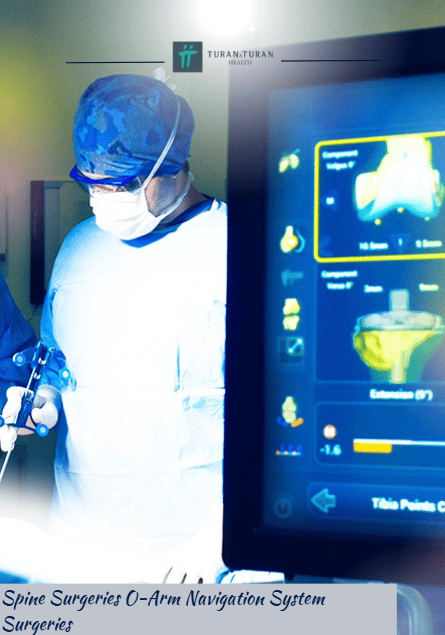
The integration of robotics into spinal procedures represents a monumental leap forward in surgical precision and patient safety. Advanced robotic systems are designed to assist the surgeon, not replace them, by providing real-time 3D mapping and highly accurate guidance for instrument placement. Robotic spine surgery clinics in Turkey are equipped with some of the most sophisticated navigation platforms available on the global market today.
During these procedures, the robotic arm acts as an incredibly precise guide, allowing the surgeon to place pedicle screws and implants with pinpoint accuracy. This technology generally reduces the need for large incisions, minimizes radiation exposure from continuous X-rays, and preserves surrounding healthy tissue. As a result, patients typically experience less intraoperative blood loss and a smoother trajectory toward functional recovery.
Robotic assistance in spine surgery can increase the accuracy of screw placement to over 98%, significantly reducing the risk of nerve damage and the need for future revision surgeries.
- Pre-Operative Planning: Advanced software allows surgeons to map out the entire surgery virtually before the patient even enters the operating room.
- Enhanced Visualization: 3D imaging gives the surgical team a comprehensive view of the patient's unique spinal anatomy in real-time.
- Minimally Invasive Techniques: The precision of robotics enables smaller incisions, which typically results in less scarring and reduced postoperative pain.
- Radiation Reduction: Robotic navigation drastically cuts down the amount of fluoroscopy (X-ray) needed during the procedure, protecting both the patient and the medical staff.
Common Conditions Treated with Robotic Spine Surgery in Turkey
Robotic assistance is highly versatile and can be utilized to treat a wide array of debilitating spinal conditions. Patients suffering from chronic back pain, nerve compression, or structural deformities often find that conventional treatments no longer provide adequate relief. For these individuals, pursuing medical tourism in Turkey for robotic intervention becomes a viable and life-changing option.
The precision offered by robotic systems is particularly beneficial for complex reconstructive surgeries where the margin for error is virtually nonexistent. By utilizing these advanced tools, surgeons can effectively decompress spinal nerves, stabilize weakened vertebrae, and correct abnormal curvatures. Most patients experience significant improvements in their mobility and quality of life following these targeted interventions.
Studies indicate that minimally invasive robotic spine surgeries are associated with a 50% shorter hospital stay compared to traditional open surgeries.
- Spinal Stenosis: Robotic systems assist in precise bone removal to relieve pressure on the spinal cord and nerves.
- Herniated Discs: Advanced imaging helps surgeons pinpoint and remove the exact portion of the disc pressing on nerve roots.
- Scoliosis and Kyphosis: Complex spinal deformities are corrected using robotic guidance to ensure perfect hardware placement for spinal realignment.
- Degenerative Disc Disease: Spinal fusion procedures are optimized through the exact positioning of pedicle screws, promoting better long-term spinal stability.
Analyzing the Affordable Robotic Spine Surgery Cost in Turkey
One of the most compelling reasons North Americans travel abroad for healthcare is the striking disparity in medical pricing. When comparing domestic costs to the Robotic Spine Surgery cost in Turkey, the financial benefits become immediately apparent. The US healthcare system is burdened by high administrative costs, exorbitant insurance premiums, and premium pricing for new technology, resulting in staggering out-of-pocket expenses for patients.
In contrast, Turkey benefits from lower operational costs, a favorable exchange rate, and government subsidies aimed at promoting medical tourism. This allows Turkish clinics to offer the exact same robotic platforms and high-quality materials—such as titanium implants—at a fraction of the price. The table below illustrates the dramatic difference in average procedure costs, showcasing why Turkey is an economically logical choice for spinal care.
| Procedure Name | Average Cost in Turkey | Average Cost in the US |
|---|---|---|
| Robotic Spinal Fusion (1-2 Levels) | $12,000 - $18,000 | $80,000 - $120,000 |
| Robotic Microdiscectomy | $4,500 - $7,000 | $30,000 - $50,000 |
| Robotic Laminectomy | $5,000 - $8,000 | $40,000 - $70,000 |
| Robotic Scoliosis Correction | $20,000 - $35,000 | $150,000 - $250,000 |
The comprehensive cost in Turkey typically includes the surgeon's fee, operating room charges, anesthesia, necessary medical imaging, and the hospital stay, ensuring patients face minimal unexpected expenses.
Comparing the Quality of Robotic Spine Surgery Clinics in Turkey to US Standards
A common concern among prospective medical tourists is whether the quality of care abroad can match the standards they expect in the United States. Fortunately, the leading Robotic Spine Surgery clinics in Turkey are frequently accredited by international regulatory bodies such as the Joint Commission International (JCI). This accreditation is a globally recognized gold standard, indicating that a hospital adheres to stringent guidelines regarding patient safety, facility management, and clinical outcomes.
Furthermore, the medical professionals operating in these high-tier institutions are often heavily involved in international medical societies. Many Turkish orthopedic surgeons and neurosurgeons regularly attend and present at global conferences, keeping them entirely up-to-date with the latest advancements in robotic surgical techniques. This cross-pollination of medical knowledge ensures that the standard of care remains exceptionally high.
Turkey holds one of the highest numbers of JCI-accredited hospitals in the world, ensuring that facilities meet exact and rigorous international standards for healthcare quality and patient safety.
- Rigorous Sterilization Protocols: JCI-accredited hospitals maintain infection rates that are comparable to, or sometimes lower than, major US hospitals.
- Advanced ICUs: Facilities are equipped with state-of-the-art intensive care units to handle any highly complex post-operative needs.
- Multidisciplinary Teams: Patient cases are generally reviewed by a team consisting of neurosurgeons, orthopedists, pain management specialists, and physiotherapists.
- Premium Implant Materials: Surgeons in Turkey utilize the exact same FDA-approved titanium screws and rods manufactured by top global medical brands.
The Medical Tourism Experience for Spine Surgery in Turkey
Embarking on a journey for international healthcare can seem daunting, but Turkey has spent over a decade perfecting the medical tourism experience. Medical tourism in Turkey is designed to be highly patient-centric, alleviating the logistical stress associated with traveling for major surgery. Top-tier hospitals operate dedicated international patient departments that manage every detail of the patient's clinical journey from the moment they inquire.
From seamless airport transfers to having a personal translator present during all medical consultations, the infrastructure is built entirely around the comfort of the international patient. These patient coordinators act as liaisons between the patient and the medical staff, ensuring that cultural barriers are minimized and that the patient feels completely supported and understood throughout their entire hospital stay.
- Bilingual Medical Staff: Language barriers are rarely an issue, as top-tier medical and nursing staff are generally fluent in English.
- Dedicated Patient Coordinators: Patients are usually assigned a single point of contact who assists with medical appointments, paperwork, and translation.
- VIP Hospital Suites: Many clinics offer luxurious, hotel-style hospital rooms that accommodate a family member or companion during the recovery process.
- Cultural Competence: Turkish healthcare providers are highly experienced in catering to the specific dietary, religious, and cultural needs of North American patients.
Preparing for Your Robotic Spine Surgery Procedure in Turkey
Thorough preparation is the foundation of a successful surgical outcome, especially when traveling across the globe. Before you commit to affordable robotic spine surgery in Turkey, you will typically undergo an extensive remote evaluation process. Patients are required to submit recent MRI or CT scans, detailed medical histories, and reports from their local physicians so that the Turkish surgical team can formulate a precise initial treatment plan.
Once you arrive in Turkey, the pre-operative process continues with in-person consultations and comprehensive diagnostic testing. The surgical team will conduct physical examinations, blood tests, and potentially new imaging to ensure there have been no changes in your condition. This meticulous approach guarantees that the robotic systems are programmed with the most accurate, up-to-date anatomical data available.
Always travel with physical copies of your essential medical records and imaging on a USB drive, even if you have previously sent them digitally to your clinic.
- Medication Management: Discuss all current medications with your surgeon; you will typically need to pause blood thinners and certain anti-inflammatory drugs before surgery.
- Clear Communication: Compile a list of questions regarding the surgical technique, expected outcomes, and the specific robotic system being utilized to discuss during your consultation.
- Pre-hab Exercises: If recommended by your local doctor, engaging in gentle core-strengthening exercises prior to travel can generally improve your postoperative recovery speed.
- Companion Support: While not mandatory, traveling with a trusted friend or family member is highly advisable for emotional support and assistance during early recovery.
The Typical Recovery Process After Robotic Spine Surgery in Turkey
Recovery following a robotic-assisted procedure is typically much swifter than traditional open spine surgery. Because the robotic arms allow for precise navigation through small incisions, the surrounding muscle and soft tissue sustain significantly less trauma. Patients undergoing robotic spine surgery in Turkey usually experience reduced postoperative pain and require less reliance on heavy narcotic pain medications during their initial recovery phase.
In most cases, patients are encouraged to stand and walk within 24 hours of their procedure under the supervision of a physical therapist. This early mobilization is a critical step in preventing complications such as blood clots and accelerating the healing process. While the initial hospital stay may last anywhere from 3 to 7 days depending on the procedure's complexity, the full bone fusion and internal healing process will continue for several months after you return home.
Data shows that robotic assistance in spinal fusions can reduce the average length of a hospital stay by up to 27% and lower readmission rates related to surgical complications.
- Immediate Post-Op Care: The first few days focus on pain management, vital sign monitoring, and assessing neurological function.
- In-Hospital Physiotherapy: Dedicated therapists will guide you through safe movement mechanics, teaching you how to sit, stand, and walk without compromising your spine.
- Fit to Fly Assessment: Before returning to the US, your surgeon will conduct a final evaluation to ensure it is completely safe for you to endure a long-haul flight.
- Gradual Activity Resumption: Most patients can generally return to desk jobs within 4 to 6 weeks, while strenuous physical activities are usually restricted for 3 to 6 months.
Important Safety Protocols for Robotic Spine Surgery in Turkey
Patient safety is the absolute priority when undergoing major medical interventions abroad. Turkish healthcare facilities adhering to international standards implement rigorous safety protocols at every stage of the surgical journey. When receiving care at top robotic spine surgery clinics in Turkey, patients benefit from continuous intraoperative monitoring and stringent infection control measures designed to mitigate surgical risks.
During the operation, advanced neuromonitoring techniques are frequently employed. This allows the medical team to continuously track the electrical signals of the spinal cord and nerves in real-time, providing an instant alert if a nerve is inadvertently stressed. While all surgeries carry inherent risks, the combination of robotic precision and real-time neurological tracking generally provides the safest possible surgical environment.
While robotic spine surgery minimizes risks, it is still a major surgical procedure. Potential complications, though rare, can include infection, blood clots, hardware failure, or adverse reactions to anesthesia. Always discuss these risks extensively with your chosen medical provider.
- Comprehensive Screening: Thorough preoperative cardiovascular and pulmonary evaluations ensure that patients are physically fit to undergo general anesthesia.
- Sterile Operating Environments: Facilities utilize advanced HEPA filtration systems in operating theaters to maintain exceptionally low infection rates.
- Deep Vein Thrombosis (DVT) Prevention: Compression devices and early mobilization protocols are strictly enforced to prevent the formation of dangerous blood clots.
- Post-Surgical Monitoring: High-dependency units ensure that patients receive specialized, continuous monitoring during the critical first 24 to 48 hours post-surgery.
Evaluating the Success Rates of Robotic Spine Surgery in Turkey
The success of any spinal procedure is primarily measured by the alleviation of the patient's symptoms, the restoration of structural stability, and the improvement in overall quality of life. For patients traveling for medical tourism in Turkey, the clinical outcomes associated with robotic spine surgery are exceptionally promising. Because the technology eliminates the micro-tremors of the human hand and offers perfect trajectory alignment, the success rates for accurate implant placement are consistently outstanding.
However, it is vital to remember that "success" is highly individualized. It depends entirely on the specific spinal condition, the patient's age, overall health, and strict adherence to postoperative rehabilitation guidelines. While most patients experience a profound reduction in nerve pain and improved mobility, no medical procedure can guarantee a 100% resolution of all symptoms.
Research indicates that patients undergoing robotic-assisted spinal fusions have a lower rate of adjacent segment disease—a condition where the spinal levels above or below the fusion break down over time.
- High Accuracy Rates: Robotic systems typically achieve an implant placement accuracy rate exceeding 98%, significantly minimizing hardware-related complications.
- Reduced Revision Rates: The precision of robotics generally leads to fewer patients requiring secondary surgeries to correct misplaced screws.
- Symptom Relief: The vast majority of patients report a substantial decrease in radicular pain (sciatica) within the first few weeks following decompression and fusion.
- Long-Term Stability: Optimal hardware placement fosters a better environment for bone grafts to fuse, leading to durable, long-term spinal stability.
Patient Experiences Following Robotic Spine Surgery in Turkey
Hearing about the journeys of others can provide immense comfort and clarity when considering international surgery. Many individuals from the United States who have sought affordable robotic spine surgery in Turkey are eager to share how the experience transformed their lives. Their stories often highlight not just the financial relief, but the exceptional level of compassion and professionalism demonstrated by the Turkish medical staff.
These generalized accounts reflect the typical sentiments of patients who have successfully navigated the medical tourism process. They emphasize the seamless integration of advanced technology, attentive nursing care, and the profound impact of finally finding relief from chronic, debilitating back pain.
A Journey to Pain-Free Living
"After years of debilitating sciatica and facing a $90,000 bill in the US, I traveled to Istanbul for a robotic fusion. The technology was mind-blowing, and the hospital felt like a five-star hotel. Today, I am walking completely pain-free." - Michael, USA
Exceeding All Expectations
"I was incredibly nervous about having spine surgery abroad. However, the international patient team held my hand through every step. The robotic precision meant my incision was tiny, and my recovery was much faster than my local doctor predicted." - Sarah, Canada
World-Class Surgical Expertise
"The surgeon's credentials were impeccable, having trained in the United States. He explained the robotic procedure clearly via Zoom before I even booked my flight. The care I received in Turkey was far superior to my experiences back home." - David, USA
Affordable and Transformative
"My insurance refused to cover my scoliosis correction. Traveling for robotic surgery was the best decision I ever made. The entire process was seamless, affordable, and the results have given me my life back." - Emily, UK
How to Choose the Best Surgeon for Robotic Spine Surgery in Turkey
Selecting the right medical professional is undoubtedly the most critical decision in your medical tourism journey. When researching providers for your robotic spine surgery in Turkey, you must look beyond modern facilities and heavily scrutinize the operating surgeon's credentials. The best outcomes are achieved by surgeons who have specific, extensive training and high case volumes in robotic-assisted spinal procedures.
Prospective patients should not hesitate to ask detailed questions during initial virtual consultations. Inquire about the surgeon's specific experience with your exact spinal condition, the type of robotic platform they utilize, and their personal success and complication rates. A reputable, trustworthy surgeon will always be transparent, providing clear, realistic expectations rather than making absolute guarantees.
Request to see before-and-after anonymized X-rays of patients with similar conditions to yours, and ensure the surgeon is actively certified by recognized international spinal boards.
- Verify Board Certification: Ensure the surgeon holds certifications from recognized national or international orthopedic or neurosurgical associations.
- Assess International Experience: Look for specialists who have completed fellowships or specialized robotic training programs in the US, UK, or Germany.
- Evaluate Communication Skills: It is crucial that your surgeon speaks fluent English and is willing to take the time to answer all your questions comprehensively.
- Check JCI Accreditation: Ensure that the surgeon operates primarily out of a hospital that holds active Joint Commission International accreditation.
Navigating Post-Operative Care After Robotic Spine Surgery in Turkey
The surgical intervention is only the beginning; dedicated post-operative care is vital for achieving a successful long-term outcome. When opting for medical tourism in Turkey, your medical journey does not conclude the moment you board your flight home. Reputable international clinics place a strong emphasis on continuous remote monitoring and comprehensive aftercare coordination.
Before you are discharged, the medical team will provide you with a highly detailed recovery plan. This generally includes guidelines on wound care, a specific schedule for physical therapy, and instructions on recognizing any signs of potential complications. Turkish providers typically facilitate ongoing virtual consultations to monitor your progress and ensure your recovery remains on the right track.
- Detailed Discharge Summaries: You will receive all surgical reports, new imaging, and medical notes translated into English to provide to your local primary care physician.
- Local Physician Coordination: Many patients find it helpful to establish contact with a local physical therapist and primary care doctor before traveling, ensuring a smooth transition of care.
- Telemedicine Follow-ups: Leading clinics utilize secure video conferencing to check on your mobility, pain levels, and wound healing at scheduled intervals post-surgery.
- Commitment to Rehabilitation: Strictly adhering to your prescribed physical therapy regimen at home is generally the most important factor in regaining full strength and flexibility.
How PlacidWay Assists Your Robotic Spine Surgery Medical Tourism Journey in Turkey
Navigating the complexities of international healthcare can be overwhelming, especially when preparing for a major procedure. PlacidWay serves as your dedicated partner, streamlining the entire process of accessing Robotic Spine Surgery in Turkey. Our goal is to connect you with the highest quality healthcare providers while ensuring a seamless, transparent, and supportive medical journey.
By leveraging our extensive global network, we empower patients to make informed, confident decisions regarding their spinal health. We focus on matching you with accredited facilities and top-tier surgeons that align perfectly with your specific medical requirements and budget.
- Connecting patients directly with globally recognized, JCI-accredited medical centers in Turkey.
- Facilitating secure transfers of your medical records and MRI scans for precise preliminary evaluations.
- Coordinating initial virtual teleconsultations with leading board-certified orthopedic and neurosurgeons.
- Providing comprehensive, transparent breakdowns of medical procedure quotes.
- Assisting in the alignment of post-operative follow-up communication between your international surgeon and local healthcare providers.
Frequently Asked Questions
Is robotic spine surgery in Turkey safe for international patients?
Robotic spine surgery in Turkey is generally considered safe when performed at JCI-accredited facilities by experienced specialists. These hospitals typically adhere to strict international healthcare standards and rigorous infection control protocols.
How much does robotic spine surgery cost in Turkey compared to the US?
Patients typically save between 70% and 90% on robotic spine surgery in Turkey. While a spinal fusion might cost over $100,000 in the US, the same procedure in Turkey generally ranges from $10,000 to $18,000.
How long do I need to stay in Turkey for robotic spine surgery?
Most patients are advised to stay in Turkey for 10 to 14 days. This timeframe typically includes pre-operative consultations, the hospital stay, and the initial post-operative recovery before flying home.
What technology is used for robotic spine surgery in Turkey?
Leading Turkish hospitals utilize advanced navigation and robotic platforms, such as the Mazor X or ExcelsiusGPS systems. These technologies assist surgeons with precise screw placement and minimally invasive techniques.
Do doctors in Turkey speak English fluently?
Yes, surgeons and medical staff who cater to medical tourists are typically fluent in English. Many of these specialists have completed fellowships or training programs in the United States or Europe.
Can I get a virtual consultation before traveling to Turkey?
Absolutely. Most internationally recognized clinics offer preliminary teleconsultations. Patients can share their MRI scans and medical records to receive an initial evaluation before committing to travel.
What is the typical recovery time after robotic spine surgery?
Initial recovery generally takes a few weeks, while complete bone fusion and tissue healing can take several months. Most patients experience a faster return to daily activities compared to traditional open spine surgery.
How do I transfer my medical records to a hospital in Turkey?
Medical tourism platforms and hospital international departments usually provide secure, encrypted portals for uploading MRI scans, X-rays, and medical histories to ensure patient privacy.
Are there any hidden fees in the cost of medical care in Turkey?
Reputable clinics typically provide comprehensive, itemized treatment plans prior to your arrival. It is important to request a detailed breakdown of costs, including surgeon fees, hospital charges, and anesthesia.
What happens if I need follow-up care after returning home?
Turkish clinics generally coordinate with your local primary care physician or specialist for ongoing care. Many also offer long-term virtual follow-ups to monitor your recovery remotely.
Ready to take the next step toward a pain-free life? Let PlacidWay connect you with world-class robotic spine surgeons in Turkey. Request your free, no-obligation quote today and start your journey to recovery!
Medical Disclaimer: This article is for informational purposes only and is not medical advice. Always consult a qualified healthcare provider before making any medical decisions. Results may vary. Read Full Disclaimer here.
References
- National Center for Biotechnology Information (NCBI). "Current Status of Robotic Surgery in Spine: A Review." https://pubmed.ncbi.nlm.nih.gov/32886014/
- Mayo Clinic. "Spinal Fusion - About the Procedure." https://www.mayoclinic.org/tests-procedures/spinal-fusion/about/pac-20384523
- Patients Beyond Borders. "Medical Tourism Guide. https://www.patientsbeyondborders.com/
.png)


.png)




.png)

.png)


-2-(1).png)
.png)
.png)
.jpg)








Share this listing