


CAR-T Cell Therapy in Thailand: Leading Cancer Treatment Revolution
A devastating cancer diagnosis no longer means facing limited options or unimaginable financial ruin. Today, CAR-T Cell Therapy in Thailand is leading a global cancer treatment revolution, offering a beacon of hope for patients battling complex blood cancers. For years, groundbreaking immunotherapy was restricted to exorbitant medical systems in the West. Now, advanced oncological science intersects with renowned Southeast Asian medical excellence.
By choosing state-of-the-art hospitals in Bangkok, international patients are accessing cutting-edge cellular therapy at a fraction of standard costs. Watch to uncover how Thailand is rewriting the future of personalized medicine and life-saving cancer care.
Video Chapters & Quick Navigation
The Evolution of Oncology: Understanding CAR-T Cell Therapy
The landscape of modern oncology is undergoing a seismic shift, moving away from generalized, highly toxic treatments toward hyper-personalized cellular medicine. At the forefront of this scientific evolution is Chimeric Antigen Receptor T-cell therapy. As noted at in the video, this treatment is not just another medication; it is a living drug created directly from the patient's own biological material.
To understand the magnitude of this treatment, one must look at how the immune system functions. Naturally, our T-cells act as the body's internal defense force, seeking out and destroying abnormal cells. However, cancer cells are notoriously deceptive, developing mechanisms to hide from the immune system. CAR-T cell therapy bridges this gap by genetically re-engineering these immune cells in a high-tech laboratory setting.
During the manufacturing process, scientists introduce a new genetic sequence into the T-cells, equipping them with specialized receptors known as chimeric antigen receptors. These highly targeted receptors allow the modified cells to definitively recognize specific proteins found on the surface of malignant cancer cells. Once infused back into the patient, these newly empowered "super cells" actively hunt, bind to, and eradicate the cancer with unprecedented precision.
A Lifeline for Relapsed and Refractory Cases
Historically, patients who did not respond to multiple rounds of chemotherapy or radiation were left with palliative care. Immunotherapy has fundamentally rewritten this prognosis. For many patients battling aggressive blood cancers, this therapy represents a definitive chance at long-term remission.
The clinical data surrounding this treatment is nothing short of miraculous. Individuals who had exhausted all conventional medical options have achieved complete remission after a single infusion. This is why the demand for affordable CAR-T cell therapy has skyrocketed, pushing patients to look beyond the exorbitant healthcare systems of North America and Western Europe.
Why Thailand is a Global Hub for Advanced Cancer Care
When discussing complex cellular therapies, the destination matters just as much as the treatment itself. Thailand has rapidly ascended as the premier medical tourism destination for oncology in Southeast Asia. This rise is not accidental; it is the result of decades of strategic government investment in biotechnology, medical infrastructure, and international healthcare accreditations.
As highlighted at , major medical centers in Bangkok boast state-of-the-art hematology wards and specialized cellular engineering laboratories. These facilities operate under stringent international protocols, often mirroring the exact safety and efficacy standards set by the FDA in the United States and the EMA in Europe. The technology utilized in Thai hospitals is identical to what is found in top-tier Western institutions.
Internationally Trained Oncologists and Hematologists
The true strength of Thailand’s medical sector lies in its human capital. A vast majority of the lead oncologists, hematologists, and cellular biologists operating in premium Thai hospitals have undergone extensive fellowship training in the United States, the United Kingdom, or Australia. They bring back invaluable global expertise to their home country.
These specialists are deeply integrated into the global oncological community. They regularly participate in international tumor boards and contribute to cutting-edge research in cellular immunotherapy. When an international patient travels to Thailand, they are not receiving alternative or experimental care; they are receiving world-class, scientifically validated medicine administered by elite professionals.
Shattering the Price Barrier: Global Cost Comparison
The most significant barrier to accessing life-saving cellular immunotherapy is the staggering financial cost. In the United States, the base price for the genetic engineering of the cells alone can exceed $400,000 to $500,000. When factoring in the required hospitalization, specialized ICU care, chemotherapy conditioning, and post-infusion monitoring, the total bill frequently approaches or exceeds $1 million.
This prohibitive pricing model has forced families to leverage their homes, launch crowdfunding campaigns, or tragically forego treatment altogether. Thailand presents a profoundly disruptive alternative to this systemic healthcare failure. Due to lower localized operational costs, favorable currency exchange rates, and government-supported medical innovation, the exact same therapy is available for a fraction of the cost.
| Medical Component | Estimated Cost (USA/UK) | Estimated Cost (Thailand) |
|---|---|---|
| Cellular Manufacturing & Engineering | $375,000 - $475,000 | $80,000 - $120,000 |
| Hospitalization & ICU Monitoring | $150,000 - $300,000 | $15,000 - $30,000 |
| Conditioning Chemotherapy | $30,000 - $50,000 | $5,000 - $10,000 |
| Total Estimated Expenditure | $600,000 - $1,000,000+ | $100,000 - $160,000 |
As detailed at , patients traveling for medical tourism for cancer care in Thailand can save up to 70% to 80% compared to Western pricing. These robust, all-inclusive medical packages often cover not just the clinical procedures, but also VIP patient concierge services, airport transfers, and long-term accommodation for accompanying family members.
The Step-by-Step Clinical Process for International Patients
Undergoing highly complex oncological treatment in a foreign country requires meticulous planning and clear communication. Leading cancer centers in Bangkok have streamlined this process, creating dedicated international patient departments to ensure a seamless medical journey.
The journey begins long before the patient boards a flight. Initial consultations are conducted via secure telemedicine platforms. During these virtual meetings, Thai oncologists review the patient’s medical history, previous pathology reports, and imaging scans to determine clinical eligibility for the procedure.
Phase 1: Leukapheresis and Cell Collection
Upon arrival in Thailand, the first physical step is cell collection, medically termed leukapheresis. The patient is connected to a specialized machine that draws their blood, isolates and extracts the vital T-cells, and safely returns the remaining blood components to the body. This process typically takes three to six hours and is performed on an outpatient basis.
Phase 2: Laboratory Engineering and Expansion
Once harvested, the cells are immediately transported to a highly controlled, sterile laboratory environment. Here, biotech specialists introduce the inactive viral vector that programs the T-cells to grow the specific Chimeric Antigen Receptors. Over the next two to four weeks, these cells are stimulated to multiply by the millions, creating a formidable cellular army.
Phase 3: Conditioning Chemotherapy
While the cells are multiplying in the lab, the patient prepares for infusion. A few days prior to receiving the new cells, the patient undergoes a brief, low-dose regimen of conditioning chemotherapy. This critical step reduces the number of existing, natural immune cells in the body, creating necessary biological "space" for the newly engineered cells to expand and thrive upon infusion.
Phase 4: Infusion and Critical Monitoring
The culmination of the process is the infusion itself. The engineered cells are administered intravenously in a process that closely resembles a standard blood transfusion. While the actual infusion takes less than an hour, the subsequent monitoring period is the most critical phase of the entire treatment cycle.
Which Cancers are Treated by Advanced Immunotherapy?
While immunotherapy is rapidly expanding into solid tumor research, its most profound, FDA-approved successes have been within the realm of hematological malignancies. Thailand’s top oncological institutes specialize in treating these specific, aggressive blood cancers that have proven resistant to traditional first-line therapies.
- Diffuse Large B-Cell Lymphoma (DLBCL): The most common type of non-Hodgkin lymphoma. This aggressive cancer affects B-lymphocytes, and CAR-T cell therapy targeting the CD19 antigen has shown remarkable efficacy in inducing long-term remission in relapsed patients.
- Acute Lymphoblastic Leukemia (ALL): A rapidly progressing cancer of the blood and bone marrow, predominantly affecting children and young adults. Immunotherapy has been a game-changer for pediatric and young adult patients who have relapsed multiple times.
- Mantle Cell Lymphoma (MCL): A rare and typically aggressive form of B-cell non-Hodgkin lymphoma. Advanced cellular therapy offers renewed hope for patients who have exhausted other targeted therapies.
- Multiple Myeloma: Recent advancements have allowed therapies targeting the BCMA (B-cell maturation antigen) to achieve unprecedented response rates in patients suffering from advanced, refractory multiple myeloma.
Patient Safety and Managing Complex Side Effects
Because this therapy involves hyper-stimulating the immune system to aggressively attack cancer cells, it carries a unique profile of potential side effects. The success of the treatment relies heavily on a hospital’s ability to predict, identify, and manage these immunological responses. Thai hospitals are uniquely equipped with world-class intensive care units (ICUs) tailored specifically for bone marrow transplant and cellular therapy patients.
Cytokine Release Syndrome (CRS)
As discussed at , the most common side effect is Cytokine Release Syndrome. When the engineered cells begin destroying cancer cells, they release massive amounts of inflammatory proteins called cytokines into the bloodstream. This can cause severe flu-like symptoms, high fevers, and drops in blood pressure. Thai oncologists proactively manage CRS using specific immunosuppressive medications like Tocilizumab to neutralize the inflammation safely without harming the cancer-fighting cells.
Neurological Toxicities (ICANS)
Another potential complication is Immune Effector Cell-Associated Neurotoxicity Syndrome (ICANS). Patients may experience temporary confusion, difficulty speaking, or tremors. The multidisciplinary teams in Bangkok’s premier hospitals include specialized neurologists who work in tandem with hematologists to monitor patients 24/7, ensuring rapid intervention with corticosteroids if neurological symptoms emerge.
Top Recommended Cancer Centers in Bangkok
Navigating the medical landscape of a foreign country can be intimidating. Through rigorous evaluation of clinical outcomes, technological infrastructure, and international accreditations (such as JCI), several Thai hospitals have distinguished themselves as regional leaders in the fight against cancer.
Facilities like Bumrungrad International Hospital and Bangkok Hospital are globally recognized for their comprehensive oncology departments. These mega-hospitals function more like modern medical cities, offering integrated care that covers diagnostic imaging, highly complex laboratory engineering, and holistic post-treatment rehabilitation under one roof.
Furthermore, these hospitals employ dedicated medical translators, international insurance liaisons, and cultural support staff. This ensures that patients from the United States, Australia, Europe, and the Middle East receive culturally sensitive care and can communicate with their medical teams in their native languages effortlessly.
The Logistics of Medical Tourism for Cancer Care
Traveling for a specialized procedure requires a timeline commitment. Because the manufacturing of the cells takes several weeks, and the post-infusion monitoring requires strict observation, international patients should anticipate remaining in Thailand for roughly six to eight weeks. However, the environment in which this recovery takes place is vastly superior to the clinical, stressful confines of a standard Western hospital.
Thailand’s renowned hospitality plays a crucial role in the healing process. Patients and their families often reside in luxury serviced apartments located just minutes from the medical centers. The low cost of living in Bangkok allows families to hire private nurses or caregivers if needed, without facing financial strain.
Additionally, the psychological benefits of recovering in a tranquil, culturally rich environment cannot be overstated. Reducing emotional stress is a critical component of holistic cancer care. Access to beautiful surroundings, world-class nutrition, and deeply compassionate Thai healthcare workers transforms a daunting medical procedure into a profoundly supported journey toward remission.
The paradigm of global healthcare is shifting. No patient should be denied life-saving immunotherapy strictly due to geographical location or financial status. By combining top-tier scientific innovation with compassionate, affordable care, Thailand has solidified its position as a true beacon of hope for cancer patients worldwide.
Take Control of Your Cancer Treatment Journey
Do not let exorbitant costs limit your access to life-saving immunotherapy. PlacidWay Medical Tourism connects you with globally accredited, elite oncology centers in Thailand offering affordable, world-class CAR-T Cell Therapy. Our team handles the complex logistics, so you can focus entirely on healing.
REQUEST A FREE CONSULTATION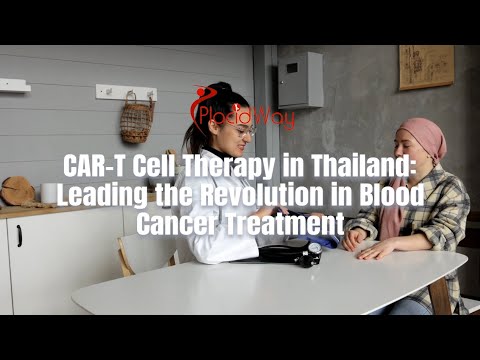





.png)
.png)
.png)




.png)









Share this listing