


Stem Cell Mexico City: Zague’s Regenerative Treatment Experience at Dr. Ary Papadopulos
For elite athletes, chronic joint pain and physical degradation are often treated as inevitable side effects of a legendary career. Finding the right stem cell Mexico City clinic has become a top priority for sports professionals seeking to repair their bodies without invasive surgery. Mexican football icon Luis Roberto Alves, universally known as "Zague," recently highlighted this exact journey, bringing international attention to advanced regenerative medicine.
By choosing Dr. Ary Papadopulos for his cutting-edge orthopedic stem cell treatment, Zague demonstrated that world-class cellular healing is highly accessible south of the border. This comprehensive guide breaks down the precise protocols used in Zague's recovery, exploring how high-grade mesenchymal stem cells repair damaged cartilage, reduce systemic inflammation, and restore mobility. Discover why thousands of international patients are now traveling to Mexico City for premium regenerative healthcare that is both highly effective and surprisingly affordable.
Video Chapters & Quick Navigation
The Elite Athlete's Physical Burden: Understanding Zague's Joint Degradation
Professional football players subject their bodies to decades of extreme biomechanical stress, rapid directional changes, and high-impact collisions. For a legendary forward like Zague, sprinting and pivoting on unforgiving pitches invariably leads to the progressive deterioration of joint cartilage. This specific type of wear-and-tear routinely results in osteoarthritis, a painful condition where the protective tissue between bones wears down completely.
Historically, when athletes reached this level of structural degradation, their only medical recourse was invasive orthopedic surgery, such as knee or hip replacements. As seen at in the documentary footage, the reliance on painkillers and cortisone injections merely masks the underlying issue without providing actual tissue repair. These traditional methods often result in long, painful recovery periods and significant scar tissue formation.
The modern paradigm of sports medicine has shifted aggressively toward regenerative therapies that harness the body's innate healing mechanisms. High-profile athletes are no longer accepting joint replacement as an inevitability. Instead, they are utilizing advanced stem cell therapy for sports injuries to regenerate lost cartilage, reduce joint inflammation, and drastically extend their active lifespans without going under the knife.
The Limitations of Corticosteroid Injections
For decades, orthopedic doctors relied heavily on corticosteroid injections to manage chronic joint pain in athletes. While steroids offer rapid relief from acute inflammation, long-term use is scientifically proven to accelerate cartilage degradation. This creates a dangerous cycle where the athlete feels temporarily better but is fundamentally worsening the structural integrity of their joint.
Regenerative medicine fundamentally disrupts this destructive cycle by focusing on cellular renewal rather than mere symptom management. By introducing highly potent biological agents directly into the damaged area, doctors can stimulate the growth of new, healthy tissue. This approach is precisely what led Zague to seek out specialized orthopedic care outside the constraints of traditional sports therapy.
Meet Dr. Ary Papadopulos: A Pioneer in Regenerative Medicine
When an athlete of Zague's caliber chooses a physician, the vetting process is incredibly rigorous, demanding nothing short of absolute medical excellence. Dr. Ary Papadopulos has established himself as a premier authority in regenerative treatments, operating out of a state-of-the-art medical facility in Mexico City. His extensive background in reconstructive procedures provides him with a unique, highly detailed understanding of human tissue architecture and cellular repair mechanisms.
Dr. Papadopulos's clinical approach is distinguished by his strict adherence to international safety protocols and his commitment to using only the highest quality biological materials. At , viewers are introduced to the pristine, advanced laboratory environments where these therapies are administered. His clinic integrates comprehensive diagnostic imaging with precise, ultrasound-guided injection techniques to ensure maximum therapeutic efficacy.
Furthermore, Dr. Papadopulos is renowned for his highly personalized patient care models, which prioritize holistic recovery over one-size-fits-all treatments. He conducts thorough biochemical evaluations before any procedure to ensure the patient's body is primed to accept and utilize the regenerative cells. This meticulous attention to detail has made him a highly sought-after specialist for international medical tourists seeking the best stem cell doctor in Mexico City.
Board Certifications and Global Standards
Patients traveling for medical care often worry about the quality and regulation of international clinics. Dr. Papadopulos mitigates these concerns through rigorous board certifications and affiliations with elite global medical boards. His practice strictly follows the guidelines set forth by international regenerative medicine societies, ensuring that all stem cell extraction, expansion, and application processes are flawless.
The laboratories utilized by his team are heavily regulated, maintaining ISO-certified cleanroom environments to guarantee cell viability and absolute sterility. This level of medical infrastructure rivals, and often exceeds, the standards found in top-tier private hospitals across the United States and the European Union. It is this unwavering commitment to safety that provides peace of mind to high-profile patients and everyday medical tourists alike.
The Science of Cellular Regeneration: How Stem Cells Heal Joints
To fully appreciate Zague's treatment, one must understand the biological mechanisms that make stem cell therapy so revolutionary for joint repair. The primary biological agents used in these orthopedic procedures are Mesenchymal Stem Cells (MSCs). These specialized cells are multipotent, meaning they have the unique ability to differentiate into various skeletal tissues, including cartilage, bone, and fat cells.
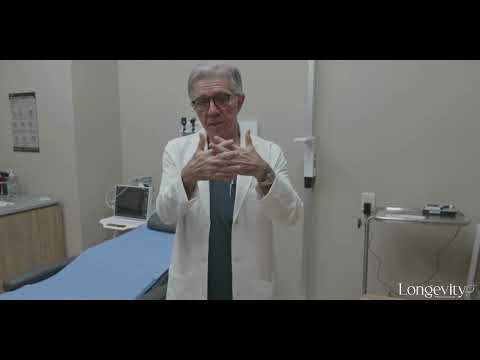
When MSCs are injected directly into a damaged knee or shoulder joint, they perform a highly complex biological function known as the paracrine effect. As detailed in the clinical breakdown at , the introduced stem cells secrete powerful growth factors, cytokines, and exosomes. These chemical signals instruct the body's native, dormant cells to wake up and begin an aggressive tissue repair process.
Additionally, mesenchymal stem cells are powerfully immunomodulatory and anti-inflammatory. Unlike pharmaceutical anti-inflammatories that merely block pain receptors, MSCs actively alter the local immune environment within the joint. They shut down the aggressive, destructive inflammation that causes osteoarthritis, creating a biological environment where new, healthy cartilage can actually take root and grow.
Autologous vs. Allogeneic Stem Cells
In the field of regenerative medicine, there are two primary sources for therapeutic cells. Autologous stem cells are harvested directly from the patient’s own body, typically from bone marrow in the iliac crest or from abdominal adipose (fat) tissue. While effective, the quality of autologous cells naturally declines as a patient ages, making them sometimes less ideal for older athletes with severe joint damage.
Conversely, allogeneic stem cells are ethically sourced from donated human umbilical cords (Wharton’s Jelly) following healthy, full-term cesarean births. These day-zero cells are highly robust, replicating at a much faster rate than adult cells, and they contain massive concentrations of growth factors. Leading clinics in Mexico City heavily favor these young, vibrant cells for severe orthopedic reconstruction due to their unmatched regenerative potency.
Inside Zague's Treatment Protocol: A Step-by-Step Breakdown
The journey to structural recovery is not a simple walk-in procedure; it is a meticulously planned medical protocol designed to optimize cellular integration. Zague’s experience at Dr. Papadopulos’s clinic began with an exhaustive diagnostic phase. This included high-resolution MRI scans and detailed blood panels to pinpoint the exact locations of cartilage loss and assess his overall systemic health.
Once the precise degradation zones were mapped, the actual application process was scheduled. As captured at , the clinical team utilized advanced fluoroscopy and ultrasound guidance to administer the cells. This imaging technology is absolutely critical; injecting stem cells blindly into a joint capsule significantly reduces the chances of success. Ultrasound ensures the biologic material is deposited exactly onto the micro-tears and bone lesions.
The procedure itself is surprisingly minimally invasive, often completed in a single afternoon on an outpatient basis. Local anesthesia is applied to the injection site, ensuring the patient remains entirely comfortable throughout the process. Following the targeted injections, the medical team applies platelet-rich plasma (PRP) as a biological scaffold, essentially providing the newly introduced stem cells with the immediate nutritional support they need to survive and thrive.
The Role of Exosomes and Peptides
Modern regenerative protocols frequently pair stem cell injections with exosome therapy and custom peptide regimens. Exosomes are the microscopic communication vesicles secreted by stem cells. By adding highly concentrated exosome serums to the injection site, doctors essentially amplify the healing signals, hyper-accelerating the communication between the new stem cells and the patient's existing tissue.
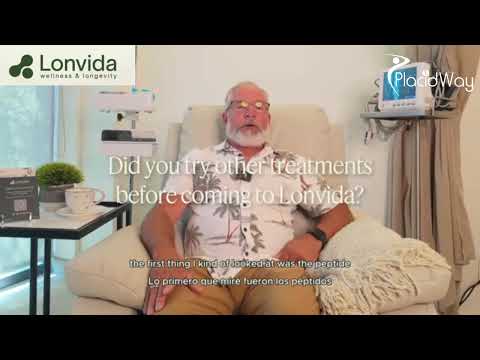
Simultaneously, targeted peptide therapies are often prescribed for the weeks following the procedure. Specific peptides, such as BPC-157 or TB-500, are highly effective at promoting angiogenesis—the formation of new blood vessels. Enhanced blood flow to the treated joint ensures that oxygen and crucial nutrients are consistently delivered, drastically improving the long-term survival and efficacy of the stem cell graft.
Why Choose Mexico City for Advanced Regenerative Medicine?
Mexico City has rapidly transformed into a global powerhouse for advanced medical tourism, particularly in the realm of regenerative medicine and orthopedics. Unlike the restrictive regulatory environment of the FDA in the United States—which severely limits the culturing and expansion of therapeutic cells—Mexico’s progressive medical framework allows doctors to utilize highly concentrated, expanded stem cell dosages safely.
This regulatory advantage means that patients receiving treatment in Mexico City are often receiving millions more live, viable cells than they would legally be allowed to receive in a North American clinic. As discussed at , this higher cellular volume directly correlates to faster tissue regeneration and more profound clinical outcomes, especially for severe sports injuries.
Beyond the medical advantages, Mexico City offers a deeply luxurious and supportive environment for recovery. Districts such as Polanco and Santa Fe feature world-class infrastructure, five-star accommodations, and specialized wellness centers tailored specifically for international patients. Medical tourists can recover in absolute comfort, enjoying premium hospitality while their bodies undergo deep cellular healing.
Accessibility and Premium VIP Care
Traveling to Mexico City is incredibly convenient for North American and European patients, with Benito Juárez International Airport (MEX) offering daily direct flights from major global hubs. Top-tier clinics like Dr. Papadopulos’s practice provide comprehensive VIP concierge services to eliminate any travel-related stress. This typically includes private airport transfers, bilingual medical coordinators, and pre-arranged luxury hotel bookings.
This holistic approach to medical tourism ensures that the patient’s only focus is on their health and recovery. The seamless integration of premium medical care with high-end hospitality sets Mexico City apart from other medical tourism destinations. Patients are treated not merely as clinical subjects, but as esteemed guests receiving elite, personalized healthcare.
International Cost Comparison: Affordability Meets Excellence
One of the most compelling reasons athletes and everyday patients cross borders for regenerative treatments is the dramatic difference in financial investment. In the United States, comprehensive stem cell protocols utilizing expanded umbilical cord cells are astronomically expensive, often entirely out of pocket since major health insurance providers still classify these treatments as experimental.
In Mexico City, the economic landscape of healthcare is vastly different. The lower cost of administrative overhead, reduced medical malpractice insurance burdens, and localized laboratory culturing allow elite clinics to offer these exact same premium treatments at a fraction of the cost. Patients are not paying for inflated hospital administration fees; they are paying strictly for world-class medical expertise and pure biological materials.
Below is a comparative look at standard orthopedic stem cell treatment costs. Note that these figures reflect comprehensive packages, highlighting the profound savings available through medical tourism without sacrificing safety or efficacy.
| Treatment Feature | United States Cost (Estimated) | Mexico City Cost (Estimated) |
|---|---|---|
| Single Joint (e.g., Knee) Stem Cell Injection | $8,000 - $12,000 | $3,500 - $5,500 |
| Expanded High-Dose IV Therapy | $15,000 - $25,000 | $6,000 - $9,000 |
| Ultrasound Guidance & PRP Scaffolding | Often billed separately ($1,500+) | Usually Included in Package |
| Comprehensive Diagnostic Bloodwork | $800 - $1,500 | Usually Included in Package |
Recovery and Rehabilitation: Maximizing the Stem Cell Investment
The injection of stem cells is only the beginning of the regenerative journey. For patients like Zague, strict adherence to a post-treatment rehabilitation protocol is absolutely critical for the long-term success of the procedure. Immediately following the injections, patients are instructed to minimize weight-bearing activities and avoid anti-inflammatory medications (NSAIDs), as these drugs can actually hinder the necessary biological healing response.
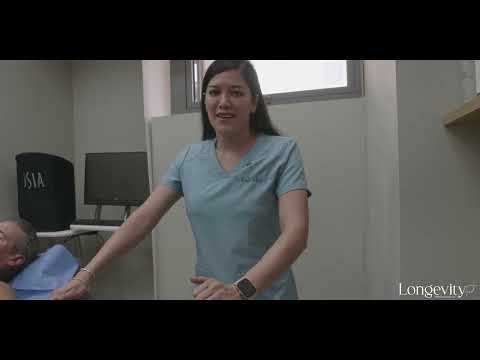
During the first three to six weeks, the introduced stem cells are actively engrafting into the damaged tissue matrix. This is a delicate biological phase. Patients are encouraged to engage in highly specific, low-impact physical therapy. As seen at , targeted aquatic therapy and isometric strengthening are utilized to maintain joint mobility without placing undue shear stress on the healing cartilage.
By months three to six, the regenerative effects become profoundly noticeable. Patients typically report massive reductions in resting joint pain, drastically improved ranges of motion, and the ability to return to high-impact activities. The ultimate goal of this comprehensive rehabilitation is not just pain reduction, but the complete biomechanical restoration of the joint to its pre-injury structural integrity.
Nutrition and Lifestyle Modifications
To ensure the stem cells flourish, top clinics advise comprehensive lifestyle and nutritional modifications. An anti-inflammatory diet rich in omega-3 fatty acids, antioxidants, and lean proteins provides the essential building blocks the body needs to construct new tissue. Patients are strongly advised to eliminate refined sugars and processed foods, which aggressively fuel systemic inflammation and degrade cellular health.
Furthermore, adequate hydration and prioritized sleep protocols are mandated. During deep sleep, the human body naturally releases its own human growth hormone (HGH), which works synergistically with the injected stem cells to accelerate tissue repair. By optimizing their internal biological environment, patients maximize the return on their regenerative medicine investment.
Navigating Medical Tourism Logistics with Confidence
Embarking on international medical travel can feel daunting for first-time patients, but highly structured pathways exist to make the process completely frictionless. Organizations specializing in medical tourism facilitation work directly with elite providers like Dr. Papadopulos to manage every logistical variable. This ensures that international patients receive transparent pricing, clear communication, and guaranteed clinic access.
The initial step always involves a remote digital consultation. Patients securely forward their recent MRI scans, X-rays, and medical histories to the clinic in Mexico City. The medical team reviews these diagnostics to determine candidacy and designs a bespoke treatment protocol. This guarantees that before you ever book a flight, you know exactly what your medical itinerary and financial commitment will entail.
Once approved, patient coordinators handle the scheduling of the clinical procedure, ground transportation, and accommodations in prime Mexico City neighborhoods. From the moment you land to the moment you return home with revitalized joints, every detail is orchestrated to provide a safe, luxurious, and medically superior healing experience.
Ready to Reclaim Your Mobility in Mexico City?
Stop letting chronic joint pain and sports injuries dictate your life. Connect with elite regenerative specialists like Dr. Ary Papadopulos through PlacidWay, and discover how affordable, world-class stem cell therapy can restore your active lifestyle today.
GET A FREE CLINICAL QUOTE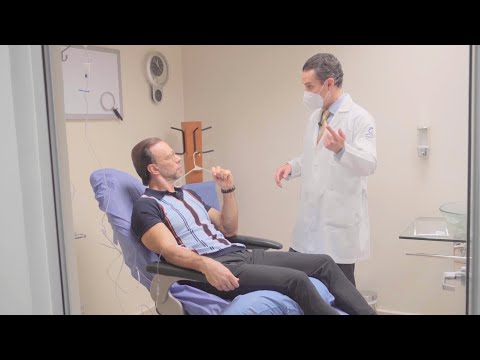





.png)








Share this listing