


Worried About Pain? Your Comprehensive Guide to Stress-Free Medical and Dental Care
Are you constantly worried about pain when considering essential medical treatments or restorative dentistry? You are certainly not alone in this struggle. Millions of patients worldwide delay life-changing procedures like full mouth restorations or dental implants purely due to crippling dental anxiety and the intense fear of physical discomfort. However, modern medical advancements have completely revolutionized the patient experience.
Today, achieving a pain-free dental implant process is not just an optimistic promise; it is an absolute clinical reality. By utilizing advanced sedation dentistry, state-of-the-art computer-assisted anesthesia, and the expertise of world-class international specialists, you can completely overcome your fears. Let us explore exactly how modern medicine ensures you never have to compromise your health due to the fear of pain.
Video Chapters & Quick Navigation
Decoding Odontophobia: The Psychology of Dental Anxiety
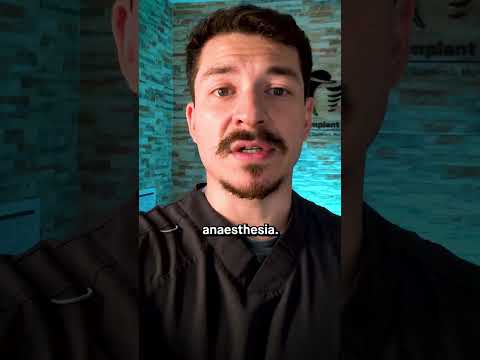
If you find yourself instantly panicked at the thought of sitting in a medical chair, it is crucial to understand the underlying psychology. As highlighted at in our accompanying video, being worried about pain is the primary reason individuals avoid the dentist. This intense fear is formally known as odontophobia or dentophobia.
Odontophobia is frequently triggered by a negative or traumatic childhood experience in a clinical setting. When the brain associates the sights, sounds, or smells of a clinic with past discomfort, it triggers a severe "fight or flight" response. This autonomic nervous system reaction causes an elevated heart rate, shallow breathing, and acute emotional distress before a procedure even begins.
Furthermore, fear is often a learned behavior passed down through generations. If your parents exhibited severe anxiety regarding dental work, it is highly likely you internalized those fears. Recognizing that your anxiety is a valid, biologically driven response is the very first step toward finding practical solutions for overcoming the fear of the dentist without relying entirely on sheer willpower.
The Biological Reality: Understanding Pain Versus Pressure
One of the most profound barriers patients face is the inability to distinguish between pain and pressure during a surgical procedure. Local anesthetics are incredibly effective at blocking the nerve pathways responsible for transmitting sharp pain signals to the brain. However, they do not block proprioceptive nerves, which are responsible for feeling pressure and movement.
During a procedure like a tooth extraction or the placement of a titanium dental implant, you will inevitably feel the doctor pressing, pushing, and making adjustments. Because the mind is already in a state of hyper-vigilance, it frequently misinterprets this harmless pressure as sharp pain. This psychological misfire can cause a patient to panic unnecessarily.
Top-tier international dentists are specifically trained to coach patients through this sensory difference. By actively narrating the procedure and reminding the patient that pushing sensations are completely normal and safe, doctors help de-escalate anxiety. Understanding this fundamental biological difference is critical for maintaining a calm mindset while in the operative chair.
Revolutionary Technologies Eliminating the Fear of Needles
For many patients, the actual surgical procedure is less terrifying than the initial injection of numbing medication. Trypanophobia, or the extreme fear of medical needles, is incredibly common. The initial "pinch" of an injection occurs because the anesthetic fluid is being pushed into sensitive gum tissue too quickly, creating a microscopic tissue tear.
Topical Anesthetics and Pre-Numbing
To combat this, modern clinical protocols begin with highly potent, clinical-strength topical anesthetics. These sweet-tasting gels or sprays typically contain high concentrations of benzocaine or lidocaine. When applied to the mucosal tissue for two to three minutes prior to any injection, the surface level of the gums becomes completely desensitized, ensuring the needle entry is entirely unnoticeable.
Computer-Assisted Anesthesia Delivery Systems
As noted at , the true game-changer in painless dentistry is the implementation of computer-assisted anesthesia delivery systems, often referred to as "The Wand." Unlike a traditional syringe reliant on human thumbs, these advanced digital devices control the flow rate of the anesthetic fluid with microprocessor precision.
By delivering the numbing medication drop by drop at the exact optimal pressure, the tissue has time to absorb the fluid without tearing or stretching. The result is an injection process so remarkably gentle that the vast majority of patients do not even realize the anesthesia has been administered. This single piece of technology has salvaged the smiles of thousands of needle-phobic patients.
A Deep Dive Into Sedation Dentistry: Your Pathway to Comfort
When localized numbing is simply not enough to quell deep-seated anxiety, comprehensive sedation dentistry steps in to bridge the gap. Global dental clinics now offer a tiered approach to patient comfort, customizing the level of sedation based on the invasiveness of the procedure and the patient’s individual anxiety profile.
| Sedation Type | Administration | Patient Experience | Best Suited For |
|---|---|---|---|
| Nitrous Oxide (Laughing Gas) | Inhaled via nasal mask | Light euphoria, deeply relaxed but fully awake. Wears off instantly. | Mild anxiety, routine cleanings, simple fillings. |
| Oral Conscious Sedation | Prescription pill (e.g., Halcion) taken pre-op | Moderate sedation. Groggy, slow to respond, likely to forget the procedure. | Moderate anxiety, multiple extractions, single implants. |
| Intravenous (IV) Sedation | Delivered directly into the bloodstream | Deep twilight sleep. No memory of the surgery, completely oblivious to surroundings. | Severe phobia, full mouth restorations, All-on-4 implants. |
| General Anesthesia | Administered by an anesthesiologist | Complete unconsciousness. Requires breathing assistance. | Extreme special needs, highly complex maxillofacial surgeries. |
The Magic of IV Twilight Sedation
For extensive reconstructive work, IV sedation is the absolute gold standard. Mentioned at , twilight sleep allows the patient to drift into a highly peaceful, dream-like state. While you are technically breathing on your own and can follow simple commands from the doctor, your brain does not record the traumatic memories or register any pain.
This form of affordable sleep dentistry abroad is particularly appealing because the medications used—often a precise blend of Midazolam and Fentanyl or Propofol—have potent amnesic effects. You will sit in the surgical chair, blink, and seemingly wake up seconds later with a fully restored, brand-new smile, entirely skipping the psychological burden of the surgery.
The Step-by-Step Anatomy of a Painless Dental Implant Procedure
Fear thrives in the unknown. By breaking down the painless dental implants process step by step, patients can intellectually process the safety and comfort of the journey ahead. Let us demystify the timeline of a modern surgical appointment.
Phase 1: Digital Planning and Simulation
Long before any surgical tools are utilized, your doctor will perform a non-invasive 3D CBCT (Cone Beam Computed Tomography) scan. This highly advanced imaging allows the surgeon to map out your jawbone density, nerve pathways, and sinus cavities with millimeter precision. Knowing exactly where the implant will go eliminates surgical guesswork, drastically reducing time in the chair and post-operative trauma.
Phase 2: Sedation Induction and Numbing
On the day of the procedure, you will be escorted to a tranquil surgical suite. If you have opted for IV sedation, a specialized anesthesiologist will smoothly establish the IV line. Within seconds, a warm wave of relaxation will wash over your body. Only once you are entirely sedated and comfortable will the doctor apply the local anesthetic using a computer-assisted delivery device.
Phase 3: The Atraumatic Surgical Placement
An interesting anatomical fact is that human jawbone contains very few pain-sensing nerve endings. The majority of sensation comes from the surrounding gum tissue. Because your gums are heavily numbed and you are in twilight sleep, the surgeon can gently prepare the bone and insert the biocompatible titanium post without you feeling any sharp sensations whatsoever.
Phase 4: Gentle Awakening
Once the surgical site is securely closed with dissolving sutures, the flow of sedative medication is halted. You will gently wake up feeling as though you just had a deep, restful nap. A dedicated recovery nurse will monitor your vitals, provide you with an ice pack, and walk you through your personalized post-operative recovery protocol.
Mastering Post-Operative Comfort: Managing Healing Without the Hurt
While the procedure itself is guaranteed to be comfortable, many patients are equally worried about pain during the recovery phase. Managing pain after dental implant surgery is a highly structured, scientifically proven process. It focuses on staying ahead of the inflammation curve rather than reacting to discomfort after it begins.
- Pre-Emptive Medication: World-class doctors will often administer long-lasting analgesics (like Exparel) or a robust dose of anti-inflammatory medication before the local anesthesia wears off. This ensures your pain receptors are blocked during the crucial first 24 hours.
- The NSAID Protocol: Clinical studies have proven that a strict, alternating schedule of Ibuprofen (an NSAID) and Acetaminophen is often more effective at managing acute dental pain than harsh narcotic opioids. This combination aggressively reduces tissue swelling while simultaneously blocking central pain signals.
- Cold Therapy: Immediate and consistent application of ice packs to the outside of the jaw during the first 48 hours restricts blood flow, massively reducing facial swelling and the throbbing sensation associated with healing.
- Restricted Diet: Adhering to a strict soft-food diet (smoothies, mashed potatoes, lukewarm soups) prevents mechanical trauma to the surgical site, allowing the delicate gum tissues to seal over the implant unbothered.
By strictly following these protocols, the vast majority of patients report that their post-operative experience feels more like a mild, dull ache similar to a minor bruise, rather than acute surgical pain.
The Hidden Financial Cost of Letting Fear Dictate Your Health
Avoiding the dentist because you are worried about pain is one of the most expensive financial mistakes a patient can make. Dental decay and periodontal disease do not heal themselves; they aggressively compound over time. What begins as a tiny, painless cavity will eventually breach the enamel and infect the inner pulp of the tooth.
Once the pulp is infected, the patient is forced to endure agonizing toothaches and requires a costly root canal and crown. If ignored further, the tooth will die and require an extraction. Following an extraction, the jawbone immediately begins to resorb and shrink. To place an implant later, the patient will now require expensive and invasive bone grafting surgeries.
By conquering your fear early through painless modern dentistry, you halt this expensive domino effect. Furthermore, as highlighted at , seeking treatment abroad allows you to afford the luxury of IV sedation, which often costs over $1,500 out-of-pocket in the United States or the UK, but is frequently included in international dental packages.
Choosing the Right International Clinic for Dental Phobia Patients
When traveling abroad for major restorative work, selecting a medical facility that specializes in dental phobia is paramount. Top destinations for medical tourism, such as Mexico, Turkey, Costa Rica, and Colombia, have intentionally designed their clinical experiences to cater to high-anxiety international travelers.
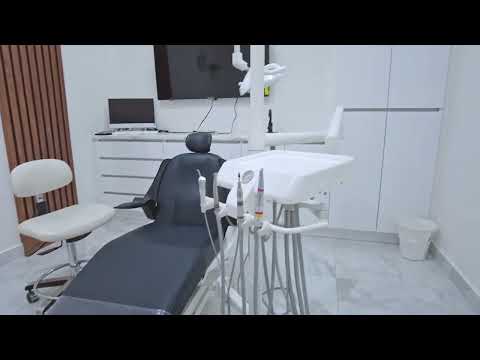
The best clinics for dental phobia patients often feature spa-like environments that intentionally avoid the harsh fluorescent lighting and antiseptic smells of traditional hospitals. They offer noise-canceling headphones, aromatherapy, and weighted blankets in the surgical suites to promote deep sensory relaxation.
More importantly, you must look for clinics holding international accreditations such as the Joint Commission International (JCI). These strict accreditations guarantee that the facility employs dedicated, board-certified anesthesiologists, utilizes medical-grade sterilization equipment, and possesses all necessary emergency protocols. Never compromise on safety when seeking affordable care.
Actionable Steps to Prepare for a Stress-Free Dental Vacation
If you are finally ready to reclaim your oral health without the agony, preparation is your greatest ally against anxiety. Start by scheduling a virtual video consultation with your prospective international surgeon. Meeting the doctor face-to-face, seeing their demeanor, and hearing them explain their specific pain management protocols builds vital trust.
During this consultation, be explicitly honest about your fears. Say the words out loud: "I am terrified of the pain." A compassionate, highly skilled doctor will not judge you; they will immediately map out a customized sedation and anesthesia plan to reassure you.
Finally, utilize reputable medical tourism facilitators like PlacidWay. Having a dedicated team handle your airport transfers, hotel accommodations, and clinical appointments removes the logistical stress from your trip. When you do not have to worry about navigating a foreign city, you can focus 100% of your energy on relaxing and preparing for your pain-free transformation.
Don't Let Fear Hold Your Smile Hostage!
You deserve a healthy, beautiful smile without the agonizing pain and overwhelming stress. PlacidWay connects you with globally accredited, world-class clinics specializing in ultra-comfortable, affordable sleep dentistry and painless medical procedures.
REQUEST YOUR FREE, NO-OBLIGATION QUOTETake the first step toward a completely stress-free medical journey today.

















Share this listing