


10 Years Ago Diagnosed AVN & Found Surgery is not Last Option: A Recovery Journey with Regeneration Therapy
Ten years ago, receiving an Avascular Necrosis (AVN) diagnosis felt like an immediate sentence to early joint replacement surgery. For patients suffering from severe hip pain and bone tissue death, traditional orthopedics often present surgery as the inevitable and only path forward. However, a groundbreaking shift in medical science has proven that surgery is not the last option for AVN patients.
By exploring a comprehensive recovery journey with regeneration therapy, patients are discovering innovative, non-invasive ways to restore blood flow. You can regenerate damaged bone and reclaim your active lifestyle without undergoing a total hip replacement.
Video Chapters & Quick Navigation
Understanding Avascular Necrosis and the Threat of Bone Death
Avascular necrosis, frequently referred to as osteonecrosis, is a severely debilitating condition where bone tissue dies due to a lack of blood supply. When the cellular components of the bone are starved of vital nutrients and oxygen, micro-fractures begin to develop rapidly. Over time, these tiny fractures accumulate, eventually leading to the complete collapse of the bone structure.
This condition most commonly strikes the femoral head, which is the ball portion of the hip joint. Patients diagnosed with avascular necrosis of the hip often experience an escalating, sharp pain in the groin that radiates down the thigh. As highlighted at in the video, this joint pain progresses from only occurring during weight-bearing activities to becoming a constant, throbbing agony even while resting.
The Hidden Causes of Osteonecrosis
Understanding the root cause of AVN is crucial for determining the correct non-surgical avascular necrosis treatment plan. Long-term use of high-dose corticosteroids is one of the leading triggers, as it can increase lipid levels in the blood, leading to blockages in the small blood vessels feeding the bone. Trauma to the joint, such as a severe dislocation or fracture, can also sever these delicate blood vessels instantly.
In many cases, lifestyle factors such as excessive alcohol consumption significantly contribute to the development of this disease. Excessive alcohol intake contributes to fatty deposits in the blood vessels, restricting critical blood flow to the femur. Regardless of the underlying trigger, the early diagnosis of osteonecrosis is critical to preventing joint collapse and exploring non-surgical alternative treatments.
Why Total Hip Replacement Isn't the Only Answer
For decades, the standard orthopedic response to advanced AVN has been surgical intervention, typically culminating in a total hip replacement (arthroplasty). While hip replacements can effectively eliminate the pain caused by bone-on-bone friction, they are highly invasive procedures with significant lifelong implications. This is especially problematic for younger patients diagnosed in their thirties or forties.
A prosthetic hip joint has a limited lifespan, usually lasting between 15 to 20 years depending on the patient's activity level. If a young patient undergoes this surgery, they are almost guaranteed to face a complex, high-risk revision surgery later in life. As mentioned around , finding that surgery is not the last option becomes a pivotal moment for those desperate to preserve their natural joints.
The Limitations of Core Decompression
Before jumping to a total joint replacement, doctors often recommend a procedure known as core decompression. This involves drilling holes into the dead bone to relieve pressure and create channels for new blood vessels to form. While intended to stimulate healing, core decompression has a highly variable success rate.
If the bone has already begun to collapse, core decompression will not restore the structural integrity of the femoral head. Furthermore, the recovery period is lengthy and often requires weeks of strict non-weight-bearing rehabilitation. Because of these unpredictable outcomes, patients actively seek advanced stem cell therapy for avascular necrosis of the hip as a more reliable alternative.
The Turning Point: Discovering Regeneration Therapy for AVN
Regeneration therapy represents a monumental paradigm shift in how modern medicine approaches degenerative bone diseases. Rather than cutting away dead tissue and replacing it with metal and plastic, regenerative medicine aims to heal the body from within. This innovative field utilizes the body's own biological mechanisms to repair damaged tissues, restore blood flow, and halt disease progression.
For AVN patients, the discovery of regenerative therapies often feels like a lifeline. These treatments focus heavily on addressing the primary problem: the lack of blood supply. By introducing powerful healing agents directly into the necrotic lesion, doctors can jumpstart the body's natural healing cascade.
How Stem Cells Target Bone Necrosis
Mesenchymal stem cells (MSCs) are the cornerstone of regenerative treatment for avascular necrosis. These incredible cells have the unique ability to differentiate into osteoblasts, which are the specialized cells responsible for forming new bone tissue. As discussed at , when MSCs are harvested from a patient's own bone marrow or adipose tissue and injected into the hip, they begin repairing the structural damage immediately.
In addition to rebuilding bone, stem cells release potent growth factors that combat inflammation within the joint capsule. This rapid reduction in inflammation provides patients with significant pain relief much faster than traditional surgical interventions. It is a dual-action therapy that addresses both the symptoms and the root cause of bone death.
The Science Behind Bone Regeneration and Blood Flow Restoration
To truly understand how regeneration therapy serves as an alternative to total hip replacement for avascular necrosis, we must look at the biological process of angiogenesis. Angiogenesis is the physiological process through which new blood vessels form from pre-existing vessels. Without robust angiogenesis, the bone will remain starved and continue to degenerate.
Regenerative treatments, particularly Platelet-Rich Plasma (PRP) therapy, are highly effective at stimulating this vascular growth. PRP is derived from the patient's own blood, spun in a centrifuge to concentrate the healing platelets. These platelets are rich in Vascular Endothelial Growth Factor (VEGF), a critical protein that signals the body to build new blood vessels.
Cellular Healing Over Mechanical Fixes
When PRP and stem cells are combined and targeted into the necrotic area of the hip, they work synergistically to restore vitality to the joint. The newly formed blood vessels bring oxygen and essential nutrients back to the starving bone cells. Simultaneously, the stem cells begin laying down fresh, healthy bone matrix to replace the necrotic tissue.
This cellular healing approach preserves the original anatomy of the patient. Mechanical fixes, like joint replacement, alter the natural biomechanics of the body and can lead to muscular imbalances or leg length discrepancies. The science of bone regeneration prioritizes long-term biological harmony over quick, destructive surgical fixes.
Comparing Traditional Surgery vs. Non-Surgical Regeneration Therapy
When evaluating the best course of action for an AVN diagnosis, a direct comparison between conventional orthopedics and regenerative medicine is vital. Patients must weigh the long-term consequences of altering their skeletal structure against the potential of biological repair. The following table highlights the critical differences between the two methodologies.
| Treatment Feature | Total Hip Replacement (Surgery) | Regeneration Therapy (Non-Surgical) |
|---|---|---|
| Anatomy Preservation | Removes natural bone; inserts metal/plastic prosthetic. | Preserves 100% of the patient's natural bone and joint. |
| Recovery Time | Extensive (3 to 6 months) with heavy physical therapy. | Minimal downtime; progressive healing over several weeks. |
| Longevity of Results | Prosthetics wear out in 15-20 years, requiring revision. | Healed bone is permanent and naturally self-sustaining. |
| Infection Risk | High risk of deep joint infections and blood clots. | Extremely low risk as treatments use autologous cells. |
As the data shows, exploring a non-surgical avascular necrosis recovery plan offers distinct advantages regarding safety and joint preservation. While severe, late-stage collapse may still require surgery, intervening early with regenerative options provides the best chance of saving the hip.
A Ten-Year Recovery Journey Without Invasive Surgery
Reflecting on a decade of living with AVN reveals the incredible resilience of the human body when given the right tools to heal. The initial diagnosis is almost always accompanied by fear and physical limitation, restricting patients from basic activities like walking or climbing stairs. However, committing to an alternative treatment for avascular necrosis initiates a profound transformation.
In the first few months following stem cell and PRP injections, the most notable change is typically a sharp decrease in acute joint pain. This is perfectly captured around , where the reduction in pain allows patients to transition from crutches back to independent walking. Over the next several years, MRI scans often reveal stabilization of the bone lesion and the arrest of further collapse.
Managing Pain and Rebuilding Mobility
Long-term success with regenerative medicine relies on patience and guided physical rehabilitation. As the bone slowly regains its density, patients must engage in low-impact mobility work to keep the joint capsule lubricated and flexible. Water aerobics, stationary cycling, and targeted stretching play a massive role in a ten-year successful recovery timeline.
It is inspiring to see patients who were once told they needed immediate hip replacements walking, hiking, and living fully active lives a decade later. This long-term viability proves that regenerative solutions are not merely temporary pain band-aids. They are legitimate, durable medical interventions that alter the trajectory of the disease.
Lifestyle Modifications to Support AVN Recovery
Medical treatments alone are rarely enough to guarantee a complete recovery from a systemic issue like avascular necrosis. The environment within the body must be optimized to support the newly introduced stem cells and the fragile new blood vessels. Lifestyle modifications act as the critical foundation for any regenerative therapy protocol.
Patients must adopt a proactive approach to their daily habits to ensure long-lasting joint preservation. This includes eliminating habits that restrict blood flow, such as smoking, which drastically reduces oxygen levels in the bloodstream. Managing underlying conditions like high cholesterol or autoimmune disorders is also essential to prevent future vascular blockages.
Dietary Changes and Nutritional Support
An anti-inflammatory diet is a powerful tool in avoiding hip replacement surgery. Consuming foods rich in Omega-3 fatty acids, antioxidants, and dark leafy greens helps lower systemic inflammation, creating an ideal healing environment for the hip. Reducing refined sugars and processed trans fats is equally important, as these compounds contribute to arterial plaque and poor circulation.
Supplementation often plays a key role in the non-surgical avascular necrosis recovery process. Vitamin D3, Vitamin K2, and calcium are vital for rebuilding bone density, while supplements like L-arginine can help dilate blood vessels to improve overall blood flow. Always consult with a regenerative specialist to tailor a nutritional plan that complements the cellular therapies.
Patient Success Stories and Global Treatment Accessibility
The narrative surrounding Avascular Necrosis is rapidly changing from one of despair to one of profound hope. Thousands of patients globally are sharing their success stories, detailing how they escaped the operating room and opted for cellular healing instead. These testimonies act as a beacon of light for newly diagnosed individuals who feel trapped by the limitations of conventional orthopedics.
Unfortunately, many of these advanced regenerative therapies are not yet fully covered by standard insurance or readily available in local clinics. This reality has driven a massive surge in medical tourism, where patients seek out world-renowned regenerative medicine centers abroad. Traveling for health allows access to cutting-edge stem cell protocols, expanded cellular expansion techniques, and highly specialized physicians.
Seeking Treatment Beyond Local Borders
Finding reputable clinics that offer legitimate stem cell therapy for avascular necrosis of the hip requires diligent research. International clinics in regions known for advanced biological medicine often provide comprehensive care packages that include the cellular treatments, intensive physical therapy, and holistic recovery support. Partnering with a trusted medical tourism facilitator takes the guesswork out of this complex process.
The journey to overcome AVN does not have to end on a surgical table. By exploring regenerative medicine, optimizing lifestyle factors, and seeking out global medical expertise, a pain-free, active future is entirely possible. Your natural joints are worth fighting for, and the science of regeneration is here to help you win that battle.
Ready to Explore Non-Surgical Treatment for AVN?
PlacidWay connects you with top-rated regenerative medicine centers worldwide. Discover advanced stem cell therapies and alternative treatments for Avascular Necrosis. Let us help you take the first step toward saving your joint today.
GET A FREE QUOTE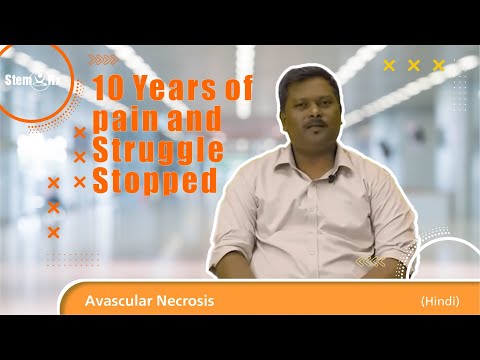









.png)
.png)
.png)





-(2).png)
-(6).png)








Share this listing