
Stage 4 Colon Cancer Treatment in Tijuana, Mexico: Lydia Yoder’s Experience at ITC
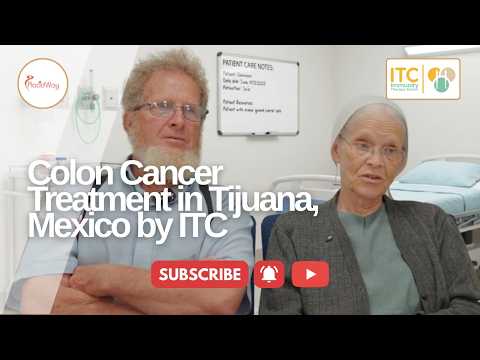
About this video: Receiving a Stage 4 cancer diagnosis can be life-changing for patients and their families. Lydia Yoder’s journey began on January 4th, when she was diagnosed with fourth-stage cancer after a serious colon obstruction required emergency surgery and an ostomy bag. In this video, Lydia shares her personal experience navigating cancer care, surgery, recovery, and treatment in Tijuana, Mexico.
While researching options for Colon Cancer Treatment in Tijuana Mexico, Lydia traveled to the Immunity Therapy Center (ITC). Her story includes her experience in the immune therapy room, personalized attention from her physician, tumor removal and colon reconstruction, nutritious meals, transportation support, daily life in Tijuana, and her follow-up more than three months later.
Lydia’s story reflects her individual medical experience and outcome. Cancer treatment decisions should always be based on an individualized evaluation by qualified medical professionals, and another patient’s results may differ.
Video Chapters & Quick Navigation
Lydia Yoder’s Stage 4 Colon Cancer Diagnosis and Emergency Surgery
Lydia’s journey began suddenly. As she explains in the video at [00:00:00], she was diagnosed with fourth-stage cancer on January 4th. Her colon was obstructed, and the severity of the obstruction required emergency surgery. Following the procedure, Lydia received an ostomy bag.
A colon obstruction can become a serious medical emergency because stool, fluids, and gas may no longer pass normally through the intestine. Depending on the patient’s condition, surgery may be necessary to relieve the obstruction and stabilize the patient. In Lydia’s case, the emergency operation marked the beginning of a much larger cancer treatment and recovery journey.
Adjusting to a serious cancer diagnosis while recovering from surgery and learning to live with an ostomy can be physically and emotionally demanding. Lydia’s story gives patients and families a first-person view of how quickly life can change after an advanced colon cancer diagnosis and why compassionate, understandable medical care can become so important.
Why Lydia Sought Colon Cancer Treatment in Tijuana, Mexico
Tijuana, Mexico is a destination considered by some international patients who are researching cancer treatment and integrative medical care outside their home country. Lydia traveled to the Immunity Therapy Center (ITC) while exploring alternative medicine and cancer care in Tijuana.
For patients researching Stage 4 colon cancer treatment in Mexico, the decision to travel can involve more than the therapies themselves. Doctor communication, nursing support, treatment planning, transportation, accommodation, nutrition, follow-up, and coordination with a patient’s existing oncology team can all affect the overall experience.
Integrative cancer centers may combine medical evaluation with supportive or complementary approaches. The specific therapies offered can vary by patient and provider. Anyone considering treatment abroad should ask for clear information about what is being recommended, the medical evidence supporting it, possible risks and side effects, treatment duration, expected follow-up, and how the plan may interact with other cancer treatments.
Understanding Integrative Cancer Care
Integrative oncology generally aims to address both the medical needs of the patient and supportive aspects of care such as nutrition, symptom management, emotional well-being, and quality of life. The exact approach can differ significantly between clinics and between individual patients.
| Aspect of Care | Standard Oncology Care | Integrative Cancer Care |
|---|---|---|
| Treatment Planning | May include surgery, chemotherapy, radiation, immunotherapy, targeted therapy, or other evidence-based treatments according to diagnosis and stage. | May combine conventional medical care with supportive or complementary therapies based on the patient’s individual situation. |
| Patient Evaluation | Treatment decisions are generally based on cancer type, stage, pathology, imaging, biomarkers, previous treatment, and overall health. | May also consider nutrition, supportive care, lifestyle factors, and complementary treatment goals alongside medical evaluation. |
| Nutrition | Nutritional support may be recommended according to the patient’s treatment, symptoms, digestive function, and nutritional needs. | Nutrition may receive additional emphasis as part of a broader supportive care plan. |
Lydia’s Experience in the Immune Therapy Room at ITC
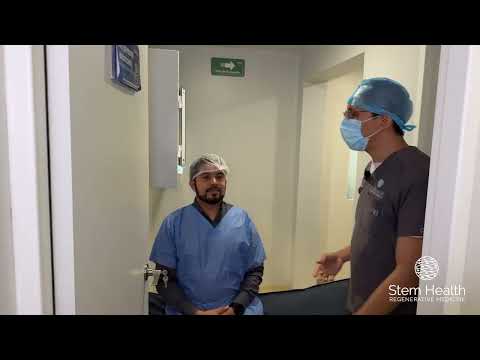
At [00:00:15], Lydia describes feeling comfortable and well taken care of in the immune therapy room. She says the nurses were well trained, caring, and attentive to potential problems, and that they would contact the doctor when something required further attention.
Her comments emphasize the importance of close observation and supportive nursing care during a complex cancer journey. For patients receiving treatment away from home, having nurses who communicate clearly and respond to concerns can make the experience feel more manageable.
Integrative clinics may offer different forms of immune-focused or supportive therapy, including treatments intended to interact with immune function. Some centers may also discuss therapies such as hyperthermia or other complementary approaches. However, the appropriate treatment depends on the patient’s diagnosis, medical history, current health, and treatment plan.
Lydia does not provide a complete clinical list of every therapy she received in this video. Patients interested in ITC should therefore request an individualized medical consultation and ask the clinic to explain the exact therapies recommended for their case, including potential benefits, risks, evidence, side effects, and alternatives.
Personalized Cancer Care from Dr. Adolfo Carrillo
Another central part of Lydia’s story is the relationship she developed with her personal physician. At [00:00:39], Lydia expresses gratitude for Dr. Adolfo Carrillo, describing him as knowledgeable, patient, and kind.
She says Dr. Carrillo took a special interest in her health, answered many questions, and spent considerable time with Lydia and her family on the first day. For Lydia, this personal attention helped create a feeling that the medical team genuinely cared about her situation and would help whenever possible.
For patients traveling internationally for cancer treatment, communication with the treating physician is especially important. Patients may need detailed explanations about their diagnosis, proposed therapies, treatment schedule, possible side effects, follow-up requirements, and how treatment abroad should coordinate with care they receive at home.
Tumor Removal, Ostomy Reversal and Colon Reconstruction
One of the most significant developments Lydia describes appears at [00:01:20]. She says that the tumor and her ostomy bag were removed and that her colon was reconstructed.
Colon reconstruction and ostomy reversal are surgical procedures that may be considered when a patient’s medical condition allows the bowel to be reconnected. Whether this is possible depends on many factors, including the location of disease, previous surgery, bowel health, overall medical condition, and the judgment of the surgical team.
Lydia also reports that her pathology results showed clear margins in the colon and liver. In surgical oncology, a clear or negative margin generally means that cancer cells are not identified at the outer edge of the tissue removed during surgery.
Her experience is specific to her own medical situation. Surgical candidacy, pathology results, recovery, and long-term outcomes vary considerably from one patient to another.
Nutrition During Lydia’s Cancer Treatment Experience in Tijuana
Nutrition is another subject Lydia discusses in the video. At [00:01:50], she explains that although she liked some meals more than others, she found it comforting to know that the food was nutritious and that she was receiving what she needed.
Good nutrition can be particularly important for patients recovering from major illness or surgery. Cancer and its treatments can affect appetite, digestion, weight, energy, and the body’s nutritional requirements. For that reason, nutrition plans should be adapted to the individual patient’s condition and treatment needs.
Integrative cancer programs may also discuss a variety of nutritional and supportive approaches. These can include:
- Individualized Meal Planning: Nutrition plans may be adapted to the patient’s appetite, digestive function, medical condition, and treatment needs.
- Anti-Inflammatory Eating Patterns: Some supportive nutrition programs emphasize minimally processed foods and nutrient-dense meals.
- Digestive and Microbiome Support: Patients recovering from colon surgery may need individualized nutritional guidance based on bowel function and medical recommendations.
- Intravenous Nutritional Support: Some clinics may use IV vitamins or minerals as part of a broader treatment plan. Patients should ask about the medical rationale, evidence, risks, and appropriateness of any IV therapy offered.
Nutritional strategies should not be assumed to treat or cure cancer on their own. Patients should discuss major dietary changes, supplements, and intravenous therapies with qualified healthcare professionals, especially while receiving active cancer treatment.
Travel and Daily Life During Cancer Treatment in Tijuana
Travel logistics are an important consideration for patients thinking about medical treatment abroad. Accommodation, transportation, border crossing, mobility, daily appointments, and access to medical assistance can all affect the experience of receiving cancer care in another country.
At [00:02:09], Lydia describes staying with her family in an Airbnb located approximately 30 to 40 minutes from the clinic on foot. She says they took a taxi to the clinic in the morning and walked home afterward, which also gave her some daily exercise.
Lydia says that she and her family did not have a bad experience while walking and that they personally felt comfortable in the area. This represents her own experience during her stay and should not be interpreted as a general guarantee about safety conditions throughout Tijuana.
At [00:03:10], Lydia also compliments the clinic for helping patients travel from the train station or airport. International patients should confirm current pickup locations, transportation arrangements, border procedures, accommodation options, companion policies, and any related costs before traveling.
Lydia’s Follow-Up More Than Three Months Later
Lydia says she returned for a follow-up more than three months later. At [00:01:20], she reports that her reconstructed colon was functioning well and that her cancer was in regression.
In oncology, regression generally refers to a decrease in the size or extent of cancer. It does not necessarily mean that cancer has been permanently eliminated, and continued medical monitoring can remain important, particularly for patients with advanced disease.
Lydia’s reported outcome represents her personal experience. Cancer biology, treatment history, surgery, overall health, medical response, and follow-up results can differ significantly between patients. Her story should therefore be understood as a testimonial rather than a prediction of what another patient will experience.
Reflecting on her journey at [00:02:39], Lydia says that the effort and time required to travel to Tijuana were worthwhile from her perspective. She emphasizes the value she places on good health and acknowledges that some patients must travel farther than others.
Near the end of the video, Lydia says that based on her own experience with other clinics, she believes ITC is a good place for people interested in alternative medicine. She also praises the clinic’s assistance with patient transportation.
Explore Your Options for Cancer Treatment in Tijuana
If you are researching Stage 4 colon cancer treatment or integrative cancer care in Tijuana, you can request an individualized consultation to learn more about available treatment options, medical review requirements, recommended care, expected stay, and travel arrangements.
Request a Free Medical ConsultationLydia’s experience is personal to her. Cancer treatment suitability, risks, benefits, and expected outcomes vary between patients and should be reviewed with qualified medical professionals.
View Full Video Transcript
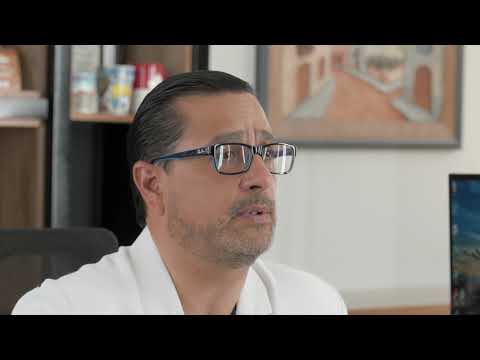
[00:00:00] I was diagnosed on January the 4th with fourth-stage cancer. They did emergency surgery and they gave me an ostomy bag because my colon was obstructed.
[00:00:15] It felt so comfortable. I felt so well taken care of. I just felt I was at such a good place, and in the immune therapy room the nurses are well trained and very caring. They look for problems, or they would call the doctor if there was anything that they observed.
[00:00:39] I was very grateful for Dr. Adolfo Carrillo, who was my personal doctor. He is very knowledgeable. He was patient, kind, and took a special interest in my health, which meant so much to me. He answered many questions. He took so much time that first day with our family. It just felt like here is somebody that cares and is going to help you if at all possible.
[00:01:20] They removed the tumor and my ostomy bag, and then they reconstructed my colon. The pathology reports showed clear margins in the colon and the liver. I came back for a follow-up after three-plus months. My colon works great and my cancer is in regression.
[00:01:50] They are definitely nutritious. Of course, there are some things I like better than others, but as a whole it is very comforting to know that they are nutritious and you are getting what you need.
[00:02:09] We are in an Airbnb about 30 to 40 minutes walking time, and so we walk back. We get a taxi in the morning and then we walk home every day and get a little exercise. We have not had any bad experience from walking the streets. Everything seems safe around here. We feel very comfortable.
[00:02:39] I would say the effort and the time it takes to get here is well worth it. Your health is worth a lot, and that is only a small part of trying to get here. Of course, some have to travel further than others.
[00:03:10] I think if we want to get healthy and we want alternative medicine, this is a very good place to come. I actually do not know of a better place from all the experience I have had with other clinics. I also think you do a good job getting your patients from the train or the airport over here and meeting them over there. I think you do a very good job of that.




.png)


.png)
.png)









Share this listing