


Advanced Pediatric Robotic Rehabilitation in Turkey: Sory’s Journey to Mobility at Romatem
When a child faces a life-altering diagnosis like a brain tumor or hydrocephalus, the road to recovery often feels insurmountable for families. For seven-year-old Sory and her mother Dilnoza, that journey began in Tashkent, Uzbekistan, and eventually led them across borders to the specialized medical corridors of Bursa, Turkey. In this heart-stirring video, we witness the power of resilience paired with cutting-edge medical technology.
Advanced pediatric robotic rehabilitation has become a beacon of hope for international patients seeking to restore motor functions that were once thought lost. Watch as Sory utilizes the world-renowned Lokomat technology and specialized physical therapy to transition from a sedentary life to standing independently for the first time in years. This guide explores the multi-faceted approach to neurological recovery that is putting Turkey at the forefront of global physical medicine.
Video Chapters & Quick Navigation
Overcoming Hydrocephalus and Brain Tumors in Children
Dilnoza, a mother from Tashkent, shares the difficult journey her daughter Sory has faced since the age of two [00:00]. Sory was diagnosed with a brain tumor and hydrocephalus—a condition where excess cerebrospinal fluid builds up within the ventricles of the brain, increasing pressure on brain tissues.
Having undergone three major surgeries and the placement of a medical shunt to manage intracranial pressure, Sory’s physical development was severely delayed. For several years, she was unable to walk or even maintain an upright sitting position. This lack of mobility often leads to secondary complications in children, such as muscle atrophy, bone density loss, and decreased cardiovascular health. For families like Sory's, finding a comprehensive neurological rehabilitation center that specializes in pediatric cases is the only way to break the cycle of immobility.
The Complexity of Pediatric Neurological Recovery
Rehabilitating a child after a brain tumor requires a multidisciplinary team. Unlike adult rehabilitation, pediatric recovery must account for the child’s ongoing growth and the plasticity of their developing nervous system. At Romatem, the focus isn't just on physical strength, but on "re-wiring" the brain’s connections to the muscles through intensive, repetitive, and task-oriented movements.
The Power of Lokomat: Robotic Gait Training for Kids
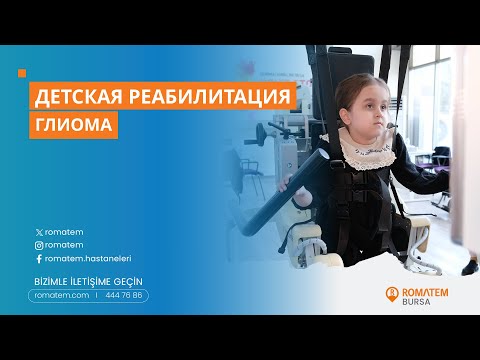
One of the most impressive tools featured in Sory's treatment plan is the Lokomat robotic gait trainer [00:10]. This sophisticated exoskeleton helps children who cannot walk independently by supporting their body weight and moving their legs in a precise, natural walking pattern on a treadmill.
How Robotic Therapy Works
For a child like Sory, who had been sedentary for years [00:15], the Lokomat provides high-intensity repetitive training. This repetition is crucial for neuroplasticity—the brain's ability to reorganize itself by forming new neural connections. The system uses biofeedback, often in the form of a video game seen in the clip, to keep the child engaged. As Sory "walks" in the virtual world, her brain receives sensory feedback that matches her physical movements, reinforcing the walking cycle.
Key Benefits of Lokomat for Children:
- Proper Gait Pattern: Ensures the child learns the correct way to move their hips, knees, and ankles.
- Weight Support: Gradually increases the amount of weight the child carries as they get stronger.
- Increased Motivation: Game-based interfaces make "boring" therapy fun for 7-year-olds.
- Safety: Provides a controlled environment where the risk of falling is eliminated.
Holistic Physical Therapy and Sensory Integration
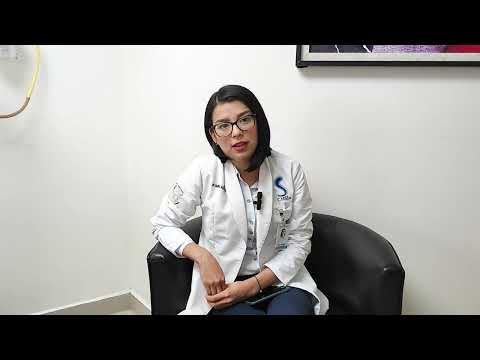
Dr. Nermin Çal???r, a Neurology Specialist at Romatem, explains that the approach is far more than just "robotics" [00:25]. The clinical team focuses heavily on muscle strengthening exercises and sensory integration. After neurological trauma, a child’s brain may struggle to process information from the senses—touch, balance, and body position.
Activating the Senses
In the sensory integration unit, therapists work on activating the feelings and sensations in Sory's legs and body [00:35]. By stimulating these sensory pathways, the brain becomes more "aware" of the limbs, which is a prerequisite for controlled movement. This often involves tactile stimulation, proprioceptive activities, and vestibular (balance) training.
Hydrotherapy: Healing in the Water
A highlight of Sory’s rehabilitation was the time spent in the pool [00:42]. Hydrotherapy (or aquatic therapy) is exceptionally effective for pediatric patients with mobility issues. The buoyancy of the water supports up to 90% of the child's body weight, allowing Sory to move her legs with much less effort than on land.
Water also provides gentle resistance, which helps in strengthening muscles without the harsh impact on joints. Furthermore, the warm temperature of the pool helps to reduce spasticity (muscle stiffness), which is common in children with brain injuries or shunts. For Sory, the pool wasn't just therapy; it was a place of joy and freedom.
Occupational Therapy and Fine Motor Skills
While walking is a major goal, occupational therapy (OT) focuses on the "occupations" of childhood—playing, eating, and self-care. Romatem’s OT unit worked with Sory to improve her upper body strength and fine motor coordination [00:41]. Whether it was grasping a ball or reaching for rings, these exercises are vital for a child to gain independence in their daily life.
From Sedentary to Standing: Results in Just One Month
The progress Sory made in just one month of intensive treatment is nothing short of miraculous [00:50]. Dilnoza notes that before arriving in Bursa, Sory could not sit straight or stand. Now, after 30 days of pediatric physical therapy, Sory can sit with a straight back and even stand on her own feet for several minutes [00:58].
The Importance of Core Stability
Sitting straight is a major milestone. It indicates that Sory’s core muscles (back and abdominals) have strengthened enough to support her torso. This core stability is the foundation for all other movements, including standing and eventually walking. Seeing Sory laugh while balancing on a therapy ball [01:00] showcases the psychological breakthrough that often accompanies physical progress.
Why Turkey is a Global Hub for Rehabilitation
Families from Uzbekistan, the Middle East, and Europe are increasingly choosing Turkey for robotic rehabilitation. Hospitals like Romatem in Bursa offer a unique combination of high-tech equipment (like Lokomat and ArmeoSpring) and highly trained medical specialists at a cost that is significantly more accessible than in Western Europe or the United States.
Beyond the technology, the cultural emphasis on hospitality and family-centered care makes the stressful journey of medical travel much easier for parents. As Sory herself says at the end of the video, she is happy to be there and hopes to be walking very soon [01:17]. This emotional well-being is a critical component of the healing process.
| Therapy Type | Focus Area | Key Outcome for Sory |
|---|---|---|
| Lokomat (Robotic) | Gait training/Walking | Neural patterning for steps |
| Sensory Integration | Nervous system processing | Better limb awareness |
| Hydrotherapy | Buoyant exercise | Reduced spasticity & joy |
| Occupational Therapy | Fine motor/Daily life | Improved hand coordination |
A Future of Hope: Continuing the Recovery Path
Rehabilitation is not a sprint; it’s a marathon. While Sory has achieved remarkable goals in one month, her mother Dilnoza is determined to continue the treatment [01:15]. The ultimate goal is for Sory to walk independently and integrate fully into a normal childhood. The success story of this young girl from Tashkent serves as a powerful testament to the fact that with the right technology, expert guidance, and a mother's love, the impossible becomes possible.
Ready to Help Your Child Overcome Challenges?
Discover how cutting-edge pediatric robotic rehabilitation at Romatem in Turkey can help children regain mobility and independence. Watch Sory’s inspiring journey and see how advanced therapies like Lokomat, hydrotherapy, and sensory integration are transforming lives.
GET A FREE QUOTEView Full Video Transcript
00:00 Hello, my name is Dilnoza. I am from Uzbekistan, Tashkent. I am Sory’s mother; she is 7 years old.
00:07 Since the age of two, we have been suffering from a brain tumor and hydrocephalus. We have had 3 operations, and we have a shunt.
00:15 For a long time, we could not walk; all this time we were sedentary. On Instagram, I saw the Romatem clinic and we came here to Bursa.
00:24 For a month, we have been undergoing treatment.
00:25 [Dr. Nermin Çal???r]: Here, accompanied by our physiotherapists, we did exercises for muscle strengthening. With the "Lokomat" robot, we applied passive and active walking exercises.
00:33 In our sensory integration unit, we took care of activating the sensations in the legs and body.
00:41 Especially work in our occupational therapy unit and pool. For Sory, it was very pleasant and fun.
00:47 We liked it very much here. We received good treatment. She could not stand, she could not keep her back straight.
00:54 Now, in a month, she can already stand on her feet for several minutes on her own and sit straight. For us, this is a great achievement.
01:03 Here we went through good physiotherapy in the robot and in the pool. Very good specialists.
01:09 I want to say a big thank you to the Romatem clinic. We liked your treatment very much, and we want to continue our treatment in this clinic in the future.
01:17 [Sory]: Inshallah, I will walk soon. I am very glad I came to Romatem. Thank you to all the doctors.










Share this listing