
The Complete Guide to Pediatric Robotic Rehabilitation for Cerebral Palsy: Technology, Therapy, and Care
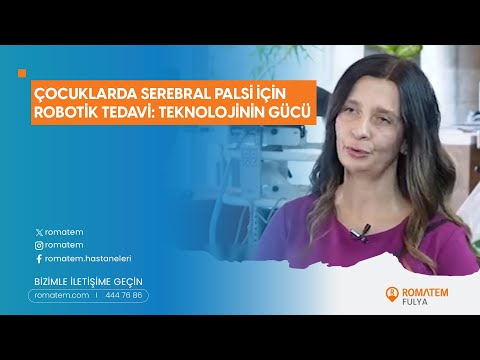
About this video: When a child is diagnosed with a neuromotor condition, families immediately begin searching for the most effective interventions. The medical landscape is evolving rapidly, and pediatric robotic rehabilitation for cerebral palsy represents the absolute forefront of this technological revolution. For decades, restorative options were strictly limited to manual stretching and overground walking assistance. While these foundational methods are critical, they often lead to severe physical exhaustion and emotional frustration for both the child and the dedicated medical team.
Today, advanced bio-mechanical technologies are completely transforming how clinical specialists approach long-term developmental care. By flawlessly integrating robotic-assisted gait training, immersive screen-based gamification, and highly specialized aquatic treatments, modern therapeutic clinics are maximizing neuroplasticity and fostering unprecedented levels of physical independence. Watch this video to discover exactly how these cutting-edge therapies operate, why they are an absolute necessity for overcoming psychological therapy fatigue, and the profound, life-changing benefits they consistently offer to young patients facing severe daily mobility challenges.
Video Chapters & Quick Navigation
The journey of maximizing physical independence for a child with a neuromotor condition is complex, demanding, and continuously evolving. As medical technology progresses, families are gaining access to unprecedented tools that fundamentally rewrite the prognosis for severe physical disabilities. Understanding these advancements is the first critical step toward securing a brighter, more independent future for a developing child.
Understanding Cerebral Palsy Physical Therapy Options
Cerebral palsy is fundamentally a complex group of motor dysfunctions caused by a non-progressive neurological brain disorder that occurs during early fetal development, birth, or shortly thereafter. Because the underlying neurological lesion within the brain is static and does not actively worsen over time, the primary clinical focus shifts entirely toward managing the physical symptoms and maximizing the child's functional motor abilities. However, while the brain injury itself is non-progressive, the resulting physical manifestations—such as severe muscle spasticity, altered joint mechanics, and impaired balance—can become significantly more pronounced and debilitating as the child's skeletal structure rapidly grows during adolescence.
Children diagnosed with this condition frequently exhibit abnormal locomotor patterns, including the highly common spastic diplegia, equinus gait (toe walking), or a crouch gait characterized by excessive flexion at the hips, knees, and ankles. These biomechanical abnormalities lead to massive energy expenditure during basic ambulation, ultimately resulting in severe mobility limitations and a drastically reduced overall quality of life. To combat these progressive musculoskeletal complications, specialists deploy a wide array of cerebral palsy physical therapy options designed to stretch shortened muscles, increase functional joint range of motion, and actively prevent the formation of permanent, painful contractures that would otherwise require invasive orthopedic surgical intervention.
Traditional manual physical therapy remains an absolute cornerstone of any comprehensive pediatric neurorehabilitation program. As noted at [00:25] in the video, treating these conditions is a profound team effort where physiotherapists play a vital role. Highly trained physiotherapists meticulously perform targeted passive stretching, joint mobilization techniques, and manual weight-bearing exercises to maintain the child's physical flexibility. They work diligently to improve postural control and facilitate normal motor development milestones. However, while these manual, hands-on techniques are undeniably essential for baseline care, they possess distinct, unavoidable limitations when it comes to driving the massive neurological adaptations required for true functional recovery and independent ambulation.
The Limitations of Traditional Manual Interventions
The primary limitation of traditional manual therapy lies directly in the physical constraints of the human body. A dedicated therapist, no matter how highly skilled or exceptionally strong, can only perform a limited number of repetitive movement cycles before physical fatigue inevitably sets in. Furthermore, manually supporting the total body weight of a growing child while simultaneously attempting to guide their legs through a perfectly symmetrical, complex physiological gait pattern is practically impossible for extended durations. This restricted volume of therapeutic repetition severely limits the overall dosage of motor learning the child can receive in a single clinical session, highlighting the desperate need for advanced technological assistance in modern pediatric care settings.
Overcoming Rehabilitation Burnout in Children
One of the most significantly overlooked, yet profoundly critical, challenges in the realm of pediatric medical care is the phenomenon of patient burnout. The emotional, psychological, and physical toll of living with a chronic, lifelong neuromuscular disorder is immense and deeply exhausting. As explicitly highlighted in the expert video transcript at [00:53], even fully developed, mature adults undergoing a standard, routine rehabilitation process eventually grow tired, easily bored, and highly frustrated with the monotonous nature of repetitive physical therapy. They begin to lack motivation and actively resist attending their scheduled medical appointments.
For young children, this inherent lack of clinical motivation is magnified exponentially. Pediatric physical therapy compliance frequently plummets when daily routines become strictly clinical and highly repetitive. Traditional hospital settings, characterized by sterile environments and repetitive in-bed stretching exercises, fail completely to stimulate a child's natural, inherent curiosity and their profound biological desire for interactive play. After a certain period of undergoing continuous, rigorous medical treatment, the child grows profoundly weary of these basic exercises. They actively resist clinical visits, emotionally withdraw, and begin to completely dread the mere sight of the hospital doors, viewing therapy not as a path to independence, but as a form of physical punishment.
Recognizing and actively combating this severe psychological barrier is the first crucial step toward implementing an effective, sustainable treatment protocol. To successfully overcome rehabilitation burnout in children, medical professionals and physiotherapists must fundamentally shift their entire therapeutic approach from a paradigm of clinical obligation to one of highly engaging, joyful interaction. Motivation is not merely a psychological luxury in the context of neurorehabilitation; it is an absolute clinical necessity. If a child refuses to actively participate and emotionally engage with the prescribed physical movements, the central nervous system cannot effectively process the sensory information required to build new neural pathways.
This critical intersection of psychology and biomechanics is precisely where the integration of cutting-edge robotics and interactive technology proves to be an absolute, undeniable game-changer. By fundamentally shifting the child's perspective from forced, painful medical therapy to highly anticipated, technologically advanced recreational engagement, clinics can drastically increase patient compliance. When a child is genuinely excited to interact with a high-tech robotic device, their emotional resistance vanishes, allowing the medical team to safely push their physical limits, increase the duration of the therapy session, and ultimately achieve far superior, long-lasting clinical outcomes.
How Does Robotic Assisted Gait Training Help Children With Cerebral Palsy?
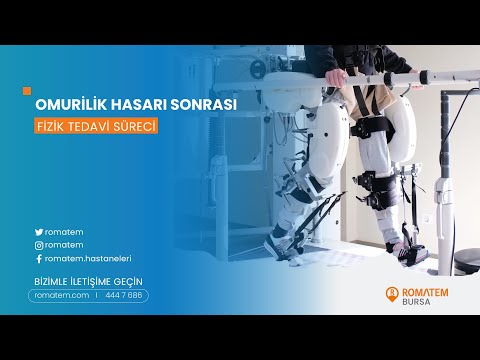
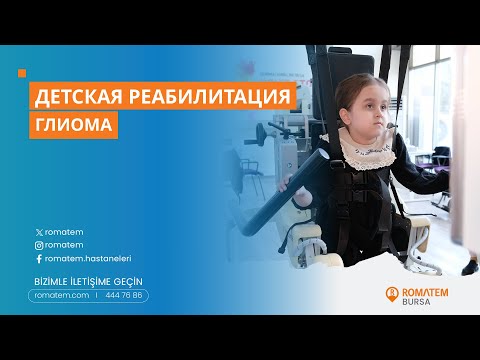
When families first encounter the concept of integrating advanced robotics into their child's medical routine, the most immediate and pressing question is: exactly how does robotic assisted gait training help children with cerebral palsy? The answer lies in the profound ability of these sophisticated machines to deliver massive volumes of highly precise, task-specific movement that perfectly simulates a healthy, natural walking pattern. Robotic-assisted gait training (RAGT) utilizes sophisticated, motorized exoskeletal devices that securely attach to the child's lower extremities. These intelligent machines physically support a precisely calculated percentage of the child's body weight, safely secure their vulnerable joints, and meticulously guide their legs through a continuous, physiologically correct stepping motion.
The immediate, psychological impact of this technology is nothing short of miraculous. As the expert mentions at [01:12], walking robots allow non-ambulatory children to safely stand upright, granting them the profound, life-altering joy of standing and experiencing the world from a vertical perspective. Beyond this immense emotional uplift, the quantifiable clinical benefits of utilizing a driven gait orthosis are staggering. By utilizing treadmill-based RAGT systems, a child can effortlessly perform thousands of perfectly symmetrical walking repetitions for continuous durations of 45 to 60 minutes, a massive leap compared to traditional capabilities.
| Therapy Modality | Repetition Volume | Kinematic Consistency |
|---|---|---|
| Manual Physiotherapy | Low to Moderate (Highly limited by human therapist fatigue) | Variable. Difficult to maintain perfect symmetry across hundreds of steps. |
| Robotic-Assisted Gait Training | Extremely High (Thousands of steps per session effortlessly achieved) | Perfectly consistent. The exoskeleton dictates precise joint angles every cycle. |
This sheer, unprecedented volume of high-intensity, repetitive motion is manually impossible for any human therapist team to replicate. Clinical studies have repeatedly demonstrated that consistent RAGT intervention leads to highly significant improvements in spatiotemporal gait parameters. Children exhibit marked increases in their self-selected walking speed, enhanced stride length, and vastly improved postural equilibrium. Furthermore, the robotic exoskeleton aggressively combats abnormal crouch gait patterns by actively forcing the hip and knee joints into proper, full extension during the stance phase of the gait cycle, subsequently increasing the propulsive force required to move the body forward and drastically reducing the overall metabolic energy and oxygen consumption required for independent ambulation.
Overground Robot-Assisted Gait Training Innovations
In addition to stationary, treadmill-based systems, the medical field is now rapidly advancing toward overground robot-assisted gait training. These untethered, fully wearable robotic exoskeletons allow children to physically walk across the solid floor of the clinical clinic, rather than remaining stationary on a moving belt. Overground RAGT devices utilize highly sensitive force sensors installed beneath the ankle-foot orthosis to automatically detect the child's specific gait phase in real-time. The robot then generates customized, assistive torques directly at the hip and knee joints—providing necessary flexion torque during the swing phase to lift the leg, and robust extension torque during the stance phase to securely support the child's body weight as they propel themselves actively across the room.
Fostering Neuroplasticity Through High-Intensity Repetition
To truly, deeply understand why these advanced robotic rehabilitation devices are so wildly successful for children with neuromuscular disorders, one must thoroughly understand the underlying neurobiological concept of neuroplasticity. Neuroplasticity refers strictly to the human brain's remarkable, inherent ability to continuously reorganize itself by forming brand new, highly efficient neural connections throughout a person's life. When the developing fetal or infant brain sustains an ischemic injury resulting in cerebral palsy, the original, primary neural pathways governing voluntary, coordinated movement are severely damaged, disorganized, or entirely severed.
However, the surrounding, undamaged healthy brain tissue retains the astonishing, biological capacity to adapt, rewire, and permanently take over these lost motor functions. This complex cellular rewiring process is heavily, almost entirely, dependent on external physical experience; specifically, it requires highly intensive, task-specific, and massively repetitive physical training. This is where the true brilliance of robotic therapy shines. Robotic devices provide the exact, high-dosage sensory input required to forcefully trigger this neuroplastic adaptation. By physically guiding a child's paralyzed or spastic limbs through thousands of perfectly executed movement cycles per session, the robotic systems continually feed correct, highly accurate proprioceptive data back up the spinal cord to the sensory cortex of the brain.
Over extended periods of consistent treatment, this massive, unrelenting influx of accurate sensory information literally teaches the healthy, undamaged areas of the motor cortex how to properly command the peripheral muscles. It suppresses abnormal, spastic reflexes and replaces them with coordinated, voluntary motor commands. The active participation of the child during this process is paramount; passive movement alone does not trigger optimal neuroplasticity. Therefore, the robotic systems are carefully calibrated to provide only the exact amount of mechanical assistance necessary to complete the movement, forcing the child's brain and muscles to actively work, engage, and adapt, ultimately leading to permanent, life-long improvements in voluntary motor control and functional, independent mobility.
Gamified Rehabilitation: Transforming Clinical Therapy into Play
We are currently living in the absolute zenith of the digital technology age. As accurately stated at [01:59], from infancy, modern children are completely surrounded by interactive digital interfaces, mobile phones, and highly engaging virtual platforms. However, children with severe cerebral palsy are frequently, and tragically, excluded from these highly normative childhood experiences. Due to their severely limited fine motor control, uncoordinated movements, and muscular spasticity, they often cannot simply hold a standard mobile phone or effortlessly manipulate a video game controller to play with their neurotypical peers. This profound physical limitation frequently creates a deep, lingering sense of social isolation and psychological exclusion.
Gamified pediatric robotic rehabilitation ingeniously and beautifully bridges this massive technological gap. By directly linking the highly sophisticated therapeutic robotic hardware to immersive, on-screen virtual reality games, the child's actual physical movements become the live joystick actively controlling the digital environment. For upper extremity rehabilitation, specialized arm robots provide adjustable, gravity-eliminated weight support for the child's weakened arms, allowing them to perform three-dimensional reaching and grasping movements. The integrated biofeedback sensors continuously track the child's micro-movements, translating their physical therapy exercises into thrilling on-screen actions, such as steering a digital spaceship, catching falling virtual fruit, or racing a car down a vibrant digital track.
The clinical results of this gamification strategy are absolutely astounding and multifaceted:
- Maximum Cognitive Distraction: The intense focus required to succeed in the immersive game naturally and effectively distracts the child's brain from the physical exertion and the mild discomfort of the muscular stretching exercises.
- Instant Positive Reinforcement: Points, high scores, and cheerful audio rewards provide immediate, powerful feedback, actively encouraging the child to voluntarily maximize their range of motion and push past fatigue.
- Unprecedented Adherence: Children approach their clinical appointments with palpable excitement rather than anxiety, eager to connect to the robotics and beat their previous high scores.
As a direct result of this technological integration, the medical team is able to achieve groundbreaking functional milestones that were previously thought impossible, strictly ensuring long-term compliance with the demanding physical rehabilitation protocol.
Hydrotherapy for Pediatric Cerebral Palsy Benefits
While advanced robotics undeniably represent the absolute pinnacle of modern biomechanical engineering, combining these high-tech solutions with specialized, nature-based treatments consistently yields the most superior, holistic patient results. The provided expert transcript specifically emphasizes at [00:41] that hydrotherapy is a highly important, utterly indispensable component in the comprehensive, multi-tiered treatment of pediatric neuromuscular conditions. Aquatic physical therapy leverages the highly unique, profound physical properties of water to create an incredibly safe, highly therapeutic, and deeply comforting healing environment for children struggling with severe mobility constraints.
The most prominent and impactful benefit of hydrotherapy lies in the principle of buoyancy. When a child is immersed in water up to their chest, the natural buoyancy of the fluid dramatically reduces the harsh effects of gravity, effectively offloading a massive percentage of the excessive, compressive weight from their vulnerable, developing joints. This incredible weightlessness allows children with profound lower extremity weakness, who cannot safely stand on land without collapsing, to easily practice standing, balancing, and initiating independent gait in a highly supportive medium that entirely prevents painful, confidence-destroying falls. This newfound freedom of movement is physically liberating and deeply empowering for a child's fragile self-esteem.
The Science of Resistance and Hydrostatic Pressure
Beyond buoyancy, the natural viscosity of water provides constant, omnidirectional resistance. As the child moves their limbs through the water, they must actively push against this fluid friction. This allows for highly effective, low-impact muscle strengthening without the need for dangerous, heavy traditional gym weights. The therapist can easily adjust the intensity of the resistance simply by changing the speed or direction of the child's movements. Furthermore, the hydrostatic pressure exerted by the surrounding water gently compresses the child's body. This constant, even pressure significantly improves vital lung capacity by forcing the respiratory muscles to work slightly harder against the water, while simultaneously providing massive amounts of continuous, calming proprioceptive sensory feedback to the child's central nervous system.
Finally, the thermodynamics of a specially heated hydrotherapy pool play an absolutely crucial role in effective muscle tone management. Hydrotherapy pools are typically maintained at a warm, deeply soothing temperature of 33 to 35 degrees Celsius. This profound warmth actively promotes aggressive vasodilation, massively increasing nutrient-rich blood flow to tight, spastic muscles. This natural thermal therapy significantly decreases muscle rigidity, enhances soft tissue extensibility, and naturally suppresses abnormal, hyperactive neuromuscular reflexes. By overriding nociceptive pain impulses, the warm water drastically reduces physical discomfort, making subsequent robotic stretching and land-based exercises vastly more comfortable, tolerable, and clinically effective for the child.
Establishing a Strategy for Long-Term Care for Cerebral Palsy
Successfully managing cerebral palsy is never a short-term medical sprint; it is an enduring, highly complex, lifelong marathon that requires immense dedication, adaptability, and unwavering support. As explicitly emphasized by leading medical experts in the video at [01:39], treating this intricate condition requires an ongoing, lifelong process. As a child continuously grows and physically matures, their rapidly lengthening skeletal bones frequently outpace the growth of their tight, spastically contracted muscles. This biological discrepancy continually creates brand new, highly challenging biomechanical issues that demand immediate, highly specialized clinical intervention to prevent irreversible joint deformities and the tragic loss of previously gained motor functions.
Therefore, establishing a sustainable, highly engaging, and intensely effective strategy for long-term care for cerebral palsy is absolutely paramount for ensuring a child's continuous physical development and overall emotional well-being. Parents and caregivers must actively seek out forward-thinking, highly progressive medical centers that deeply understand the delicate, critical intersection of advanced physical medicine, cutting-edge technological innovation, and nuanced child psychology. The care plan must be entirely dynamic, constantly evolving to meet the child's changing physical needs as they transition from early childhood, through the turbulent growth spurts of adolescence, and eventually into functional, independent adulthood.
By effectively and intelligently combining state-of-the-art robotic gait training, highly immersive upper extremity virtual biofeedback, soothing and strengthening hydrotherapy, and expertly applied manual physical therapy, specialized clinical teams are thoroughly transforming the arduous, painful journey of cerebral palsy rehabilitation. They are successfully shifting the overarching medical narrative from one of painful endurance to one of joyful, technological empowerment. This comprehensive, highly advanced approach fundamentally ensures that every single child is granted the unparalleled, life-changing opportunity to maximize their true physical potential, actively and happily engage with their surrounding environment, and confidently step forward into a brighter, vastly more independent future.
Ready to Empower Your Child's Physical Development?
Connect with world-class pediatric rehabilitation centers offering the latest in robotic-assisted gait training, advanced hydrotherapy, and gamified physical therapy to maximize your child's independence.
REQUEST A FREE CONSULTATIONView Full Video Transcript
[00:00:00] Tabii ki Fiziksel T?p ve Rehabilitasyon alan?nda da teknoloji geli?iyor robot destekli sistemler de geliyor kesinle gerek Eee Serebral pili
[00:00:10] çocuklarda gerekse çocuklardaki Eee pediyatrik Rehabilitasyon gerektiren di?er durumlarda robot destekli sistemlerden de faydalan?yor musunuz kesinlikle Eee söyledi?im gibi pediyatrik
[00:00:25] Rehabilitasyon özellikle Eee Serebral parsi rehabilitasyonu bir ekip i?.
[00:00:30] H? h? Eee ve Eee bu ekipte fizyoterapistler çok önemli bir rol oynuyor amaç egzersiz ve çocu?un geli?imini desteklemek Eee
[00:00:41] bunun için de robotik rehabilitasyonlar çok önemli bizde hidroterapi Çok önemli çünkü biz çocukla ilgileniyoruz normal yeti?kin bile bir Rehabilitasyon
[00:00:53] sürecinde belli bir süre sonra b?k?yor vazgeçiyor can? s?k?l?yor.
[00:01:00] yani E bu anlamda bile Eee baz? robotik geli?meler çocu?u çok destekliyor En az?ndan rehabilitasyona devam?n? destekliyor Ama onun yan?nda
[00:01:12] rehabilitasyonda Bu robotik uygulamalar Eee diyelim ki yürüme robotlar? çocu?un ayakta durmas?n? sa?l?yor ona ayakta durma sevinci ya?at?yor yürüme tekrarlar?n?
[00:01:25] art?r?yor defalarca tekrarl?yor bir yar?m saat 45.
[00:01:29] 5 dakika bir saat boyunca yürüyebiliyor ve yürürken Eee oyunlar oynuyor bir hedefe gidiyor ve onu motive ediyor Eee bu
[00:01:39] ömür boyu süren bir süreç dedi?imiz için belli bir süre sonra çocuk sadece yatak içindeki egzersizden b?k?yor hastanenin kap?s?n? görmek
[00:01:47] istemiyor asla gelmek istemiyor ama siz o robotu Dedi?iniz zaman oraya ba?lanmak için can at?yor bizim kold robotlar? var biofeedback
[00:01:56] li ba?lant?l? orada bir oyun oynuyor biliyorsunuz.
[00:01:59] teknoloji ça?? art?k Çocuklar?n bebeklikten elinde telefonlar e sosyal medya Onun d???nda Y oyunlar Eee her ?ey bununla ve bu
[00:02:09] çocuklar bunlar? Bazen sadece bu yolla yapabiliyorlar normal bir çocuk gibi eline bir telefon al?p bir oyun oynayam?yor yani eee
[00:02:17] O heyecanla geliyor hastaneye ve süreci gerçekten çok ciddi hem fiziksel anlamda destekliyor hem de e motivasyonu art?r?yor çocuklar aç?s?ndan
[00:02:26] da.







.png)













Share this listing