
In modern oncology and chronic disease management, the conversation around care is expanding beyond traditional methodologies to include supportive, complementary frameworks. Dr. Carlos Bautista outlines the theoretical foundation and specific modalities utilized at the Immunity Therapy Center, emphasizing a systemic approach to restoring the body's natural baseline.
Quick Takeaway: Alternative and complementary therapies at Immunity Therapy Center (ITC) focus on restoring homeostasis and supporting the immune system alongside conventional care. The clinic utilizes modalities like localized and whole-body hyperthermia, which aim to weaken tumor cells through targeted heat while preserving healthy tissue, though these are largely considered integrative adjuncts rather than standalone cures.
- 0:00 - Introduction: Pillar 2 of the Healing Approach at ITC
- 0:18 - Restoring Homeostasis: The Goal of Alternative Therapies
- 0:38 - Clinical Context: Integrating Complementary and Conventional Care
- 1:09 - Modality Breakdown: The 9 Advanced Alternative Therapies
- 1:43 - The "Heat" Mechanism: How Hyperthermia Targets Tumor Tissue
- 2:13 - Final Perspectives: Supporting Natural Healing Abilities
The Philosophy of Integrative Care: Seeking Homeostasis
The human body operates in a continuous state of dynamic balance known as homeostasis. When a patient develops a complex chronic condition, such as cancer, an autoimmune disorder, or multiple sclerosis, this fundamental biological equilibrium is deeply disrupted. The immune system, which is normally responsible for identifying and eliminating rogue cells or managing inflammation, can become suppressed, overwhelmed, or confused.
Dr. Bautista describes the second pillar of the Immunity Therapy Center's approach as a concerted effort to restore this natural balance. Rather than focusing exclusively on the eradication of disease through high-toxicity interventions, this integrative philosophy suggests that supporting the body's baseline vitality is equally critical. The clinical goal of introducing alternative and complementary therapies is to gently reduce systemic inflammation, encourage optimal immune function, and ultimately improve the patient's daily energy levels and resilience.
This approach recognizes that healing requires metabolic energy. When a patient is exhausted by disease or the harsh side effects of standard medical treatments, their biological capacity to recover is severely limited. By targeting the underlying terrain of the body, integrative practitioners aim to create an internal environment that is less hospitable to disease and more conducive to recovery.
The Evidence Landscape: Bridging Complementary and Conventional Medicine
For decades, a strict line existed between allopathic (conventional) medicine and alternative therapies. However, as oncology and chronic disease management have evolved, that boundary has softened into what is now widely recognized as "integrative medicine." Dr. Bautista points out that patients who incorporate complementary therapies alongside their standard conventional care often report superior physical and emotional outcomes.
The changing landscape is evidenced by the involvement of major medical and research institutions. The video notes that therapies once dismissed outright are now the subject of research at leading organizations, including Harvard, the University of California San Francisco (UCSF), and the National Institutes of Health (NIH).
"Research shows that patients who incorporate complementary therapies alongside conventional care often experience better physical and emotional outcomes."
It is important for patients to understand what this research represents. While major institutions are actively studying these modalities, they are primarily investigating them as supportive, adjunct care—methods to manage pain, reduce treatment-induced neuropathy, mitigate severe nausea, and lower stress—rather than verifying them as primary, standalone cures for aggressive cancers. The integration of these treatments is intended to elevate the overall quality of life, allowing patients to better tolerate and complete their necessary conventional medical regimens.
The Clinical Framework: 9 Modalities of Alternative Care
To execute this integrative philosophy, the Immunity Therapy Center utilizes a highly specific roster of treatments. These modalities are designed to exploit the distinct biological vulnerabilities of cancer cells while attempting to stimulate the patient's innate healing mechanisms.
The clinic organizes its approach around nine advanced alternative therapies, which generally fall into categories of thermal manipulation, electromagnetic frequency application, and light or sound wave therapy:
- Whole Body Hyperthermia: Systemically raising the patient's core body temperature to simulate a fever state, intended to broadly stimulate immune function.
- Localized Hyperthermia: Applying targeted, intense heat directly to known tumor sites to weaken the localized tissue.
- Rife Therapy: An experimental modality utilizing specific electromagnetic frequencies theorized to target the resonance of abnormal cells.
- Halo Therapy: Also known as salt therapy, utilized primarily for respiratory health, inflammation reduction, and overall detoxification.
- Sono Dynamic Therapy: The use of ultrasound waves in conjunction with sound-sensitive compounds to target deep-seated tissue abnormalities.
- Pulsed Electromagnetic Field Therapy (PEMF): Low-frequency electromagnetic waves designed to promote cellular repair, improve circulation, and manage pain.
- Biomagnetic Therapy: The strategic application of specific magnetic fields intended to alter tissue pH levels and restore cellular equilibrium.
- Mag Ray Therapy: The integration of localized magnetic fields with specific spectrums of light energy.
- Laser Therapy: The use of targeted, low-level laser light to penetrate tissues, aimed at reducing inflammation and promoting cellular regeneration.
While presented as a unified protocol at the clinic, the level of established scientific evidence varies significantly across this spectrum. Modalities like hyperthermia have robust bodies of international research supporting their use in specific clinical contexts, whereas treatments like Rife therapy remain highly experimental and are not recognized by standard oncological guidelines.
The Biological Response: Understanding Hyperthermia Therapy
Of the therapies discussed, Dr. Bautista identifies hyperthermia as one of the most powerful tools in their clinical repertoire. The therapeutic application of heat is a concept that has been studied extensively, particularly in European oncology centers, and relies on distinct physiological principles.
The "Temperature" Threshold (Targeting Tumor Tissue)
The foundational principle of hyperthermia involves carefully raising the temperature of tumor tissue to a specific clinical window—between 104 and 113 degrees Fahrenheit (40 to 45 degrees Celsius). The goal is to induce thermal stress. Because tumor vasculature (the network of blood vessels feeding a cancer) is often disorganized and inefficient compared to the structured blood vessels of healthy tissue, tumors are less capable of dissipating heat. Consequently, the abnormal cells are weakened by the elevated temperatures, while the surrounding healthy tissue is able to cool itself and remain unharmed.
The "Oxygenation" Response (Sensitizing Cells)
Beyond direct cellular damage, the application of heat fundamentally alters the tumor's microenvironment. As local temperatures rise, blood vessels dilate, significantly increasing blood flow to the targeted area. This increased perfusion brings a surge of oxygen to the hypoxic (oxygen-starved) core of the tumor. Because radiation and certain chemotherapies rely on oxygen to create the free radicals necessary to destroy cancer DNA, this oxygenation effect effectively sensitizes the tumor, making conventional treatments potentially more effective when administered in tandem.
The "Protein" Trigger (Heat Shock Activation)
On a systemic level, hyperthermia triggers a complex immune reaction. When cells are subjected to significant thermal stress, they produce specialized molecules known as heat shock proteins (HSPs). These proteins act as a cellular distress signal. When expressed on the surface of tumor cells, heat shock proteins can effectively "unmask" the cancer, drawing the attention of the body's immune system. This process is theorized to stimulate immune activity, prompting the body's natural defenses to recognize and attack abnormal cells that previously evaded detection.
| Claimed Application | Evidence Strength | What Evidence Shows |
|---|---|---|
| Hyperthermia as a tumor sensitizer | Mixed / Moderate | Clinical guidelines in some regions support hyperthermia as a viable adjunct to radiation or chemotherapy; however, evidence proving it is effective as a primary, standalone curative treatment remains lacking. |
| Integrative therapies for quality of life (MS, Cancer, Autoimmune) | Moderate / Strong | Significant evidence supports certain complementary approaches (such as stress reduction, structured nutrition, and mild physical therapies) for improving patient quality of life and managing severe treatment side effects. |
| PEMF, Rife, and Biomagnetic Therapies for anti-tumor efficacy | Limited / Uncertain | While some electromagnetic therapies are studied for bone healing or pain management, robust phase III clinical trial data demonstrating direct, reliable anti-tumor efficacy remains highly limited or absent. |
While integrative therapies aim to provide low-toxicity care, they are not entirely without risk. Extreme heat therapies like whole-body hyperthermia can induce severe cardiovascular stress or thermal burns, and patients with pacemakers, compromised temperature regulation, or severe heart disease are generally contraindicated. The most significant risk in pursuing alternative cancer care is the potential delay of standard, evidence-based treatments—such as targeted radiation, surgical intervention, systemic chemotherapy, and approved immunotherapies—which remain the primary established standards for active disease management.
Frequently Asked Questions About These Therapies
Is hyperthermia an FDA-approved replacement for traditional chemotherapy?
No. In the United States, hyperthermia is generally not approved as a standalone replacement for traditional oncology treatments. When utilized in major medical centers, it is almost exclusively administered as an adjunct—meaning it is given concurrently with radiation or chemotherapy to potentially enhance the effectiveness of those conventional treatments.
Do institutions like Harvard and the NIH endorse all 9 alternative therapies offered at ITC?
While the video accurately states that leading institutions study complementary therapies, this does not imply a blanket medical endorsement of all nine modalities discussed for the cure of cancer. Organizations like the NIH heavily research integrative medicine, but primarily focus on verifiable modalities that improve patient quality of life, manage pain, and reduce conventional treatment side effects.
How do heat shock proteins affect the immune response during hyperthermia?
When cells are exposed to high temperatures, they produce heat shock proteins to protect themselves from thermal damage. In the context of tumor cells, the sudden expression of these proteins on the cell surface can act as an alert system, making the previously hidden abnormal cells highly visible to the patient's immune system, potentially triggering an immune response.
Why does the clinic refer to these as complementary rather than purely alternative therapies?
The term "alternative" traditionally implies choosing an experimental treatment instead of standard medical care, which carries severe clinical risks. "Complementary" or "integrative" medicine refers to utilizing these supportive therapies alongside conventional medical interventions to support the body, manage toxicity, and promote systemic homeostasis.
- How will these specific complementary modalities interact biologically with my current, standard-of-care oncology treatments?
- Are there any cardiovascular, metabolic, or physiological contraindications I have that make hyperthermia or PEMF unsafe for my body?
- Which of these nine specific modalities are actively supported by current peer-reviewed clinical trial data for my exact diagnosis?
- How does your clinic monitor for adverse events during the administration of experimental treatments like Sono Dynamic Therapy or Rife Therapy?
- Will traveling abroad to pursue these integrative treatments require me to pause or delay critical timelines for my conventional oncology care?
This content is strictly for educational purposes and does not constitute medical advice, a diagnostic determination, or a recommendation to pursue experimental care. Many alternative and integrative therapies, including several discussed above, remain investigational for the treatment of cancer, and successful clinical outcomes are never guaranteed. Patients should always consult comprehensively with their primary, licensed oncology provider before altering their treatment plan or pursuing overseas medical care.
Understand Your Treatment Options Before Making a Decision
Navigating the intersection of conventional oncology and integrative care requires clear, personalized information. PlacidWay helps patients organize their clinical inquiries, collect necessary medical records for review, and connect with specialized international healthcare providers to better understand available complementary treatment pathways.
Request a Neutral Medical EvaluationVideo Transcript
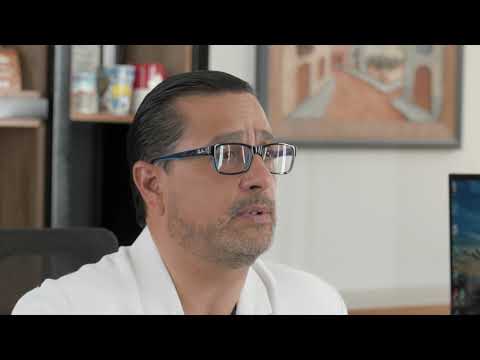
0:00 - Hello, I'm Dr. Carlos Bautista, founder and medical director of ITC, Immunity Therapy Center.
0:13 - Welcome to pillar number two in our healing approach: alternative therapies.
0:18 - Alternative therapies are designed to restore homeostasis, the body's natural ability to self-heal and rebalance.
0:26 - These therapies work gently yet powerfully, helping to reduce inflammation, enhance immune function, and improve overall energy and vitality.
0:38 - Research shows that patients who incorporate complementary therapies alongside conventional care often experience better physical and emotional outcomes.
0:49 - Once considered alternative, many of these therapies are now being studied at leading institutions like Harvard, UCSF, and the National Institutes of Health.
0:59 - Clinical studies show that integrative approaches improve quality of life in patients with cancer, multiple sclerosis, and autoimmune conditions.
1:09 - At ITC, we utilize nine advanced alternative therapies, each designed to exploit cancer cell vulnerabilities and stimulate natural healing.
1:21 - Whole body hyperthermia. Localized hyperthermia. Rife therapy. Halo therapy. Sono dynamic therapy. Pulsed electromagnetic field therapy (PEMF). Biomagnetic therapy. Mag ray therapy. Laser therapy.
1:43 - One of the most powerful therapies we offer is hyperthermia. By carefully raising the temperature of tumor tissue to between 104 and 113 degrees Fahrenheit, we can weaken cancer cells without harming healthy tissue.
1:58 - This therapy increases oxygen delivery, sensitizes tumors to treatments, and stimulates immune activity by triggering heat shock proteins.
2:08 - It is widely used across Europe and has been shown to improve survival rates.
2:13 - Thank you for watching. Alternative therapies provide powerful, low-toxicity options to support your body's natural healing ability.
2:23 - I encourage you to continue watching the rest of our video series to discover how each healing pillar contributes to your recovery. God bless you.






















Share this listing