
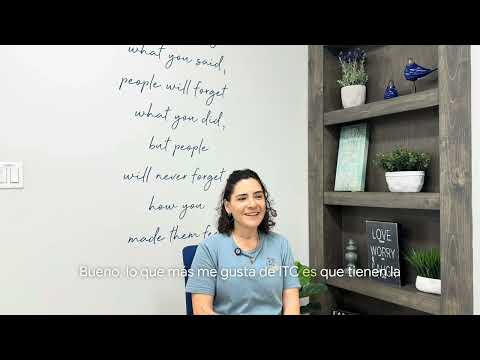
A brain cancer diagnosis can leave patients and families facing difficult medical and emotional decisions, especially when a tumor is considered inoperable. In this video testimonial, Mollie Tollinchi shares her personal experience after being diagnosed with a brain tumor during pregnancy and later traveling to Immunity Therapy Center (ITC) in Tijuana, Mexico, for integrative cancer care.
Mollie discusses the symptoms that led to her diagnosis, the challenges she faced after being told her tumor was inoperable, her experience beginning treatment at ITC, nutrition during cancer care, laboratory monitoring, and the personal support she received from doctors and nurses. Her story represents one patient's experience and should not be interpreted as proof that the same treatment approach will provide the same medical outcome for another person.
Video Chapters & Quick Navigation
Mollie’s Brain Cancer Diagnosis During Pregnancy
Mollie Tollinchi explains that she had been living with brain cancer for approximately three years [00:06]. Her diagnosis developed during an especially difficult stage of her life because she was six months pregnant at the time [00:14].
Mollie says the tumor was growing while she was pregnant and that she did not know it was present [00:18]. She carried her pregnancy while unaware of the neurological problem developing.
Approximately three weeks after giving birth, she noticed a concerning change while performing an everyday task. Mollie says she was making a list when she suddenly realized she could no longer read her own handwriting [00:24].
She describes the writing as looking like “chicken scratch” [00:32]. The sudden change prompted her to seek emergency medical attention.
Mollie went to the emergency room, where a CT scan revealed a brain tumor [00:40]. She describes the diagnosis as an emotionally overwhelming moment.
At [00:46], Mollie recalls praying that she would survive long enough to see her baby again. Her desire to remain present for her child became an important emotional motivation throughout her treatment journey.
What It Meant When Mollie Was Told Her Brain Tumor Was Inoperable
Later in her cancer journey, Mollie says she received difficult news that her tumor had become inoperable [01:08].
An inoperable brain tumor generally means that surgical removal is not considered appropriate because of factors such as tumor location, involvement with critical neurological structures, the extent of disease, or the potential risks associated with surgery. The reasons can differ significantly from one patient to another.
When Surgery Is No Longer Considered an Option
Surgery is only one part of brain cancer care. When surgery is not possible, patients may still discuss other approaches with their oncology team, including radiation therapy, systemic treatment, targeted therapies where appropriate, clinical trials, symptom management, and supportive or integrative care.
Mollie explains that being told the tumor was inoperable influenced her decision to continue searching for additional treatment options [01:10].
Why Some Cancer Patients Research Integrative Care
Patients with complex or advanced cancer diagnoses sometimes research integrative approaches because they want additional support for nutrition, symptoms, emotional health, physical strength, and overall quality of life.
Integrative care should not automatically be considered a replacement for established oncology treatment. Patients considering these programs should ask what therapies are being offered, what evidence supports them, what risks are involved, and whether the center will coordinate care with their existing oncology team.
Mollie’s Experience at Immunity Therapy Center in Tijuana
Mollie’s search eventually led her to Immunity Therapy Center in Tijuana, Mexico. In the video, she speaks positively about Dr. Bautista and expresses gratitude for the center and the care she received there [04:11].
Her comments reflect her personal experience with ITC and should not be interpreted as an independent assessment of treatment effectiveness.
Starting Treatment Soon After Arrival
One part of Mollie’s experience that stood out to her was how quickly care began after she arrived at the center.
She says she arrived on a Tuesday and that treatment started immediately [01:21].
Mollie describes being surprised by the speed at which the medical team began working with her [01:25].
At [01:30], she continues describing the immediate attention she received rather than experiencing a prolonged wait before starting the program.
A Treatment Plan She Felt Was Personalized
At [01:43], Mollie describes feeling that the treatment plan was designed around her individual situation.
Personalized cancer care can involve reviewing diagnosis, pathology, previous treatments, laboratory findings, symptoms, nutritional status, medications, and overall health. Patients should ask exactly how any proposed treatment plan relates to their specific cancer diagnosis.
Nutrition and Eating During Mollie’s Cancer Treatment
Nutrition was another part of the program that Mollie discusses positively. She says she enjoyed the food and found it appealing during her stay [02:18].
Maintaining adequate food intake can become difficult for some cancer patients because illness, treatment side effects, fatigue, nausea, taste changes, and reduced appetite can all affect eating.
Mollie talks about seeing other cancer patients struggle with significant weight loss [02:26].
At [02:30], she discusses how having food that looked and tasted appealing made eating easier during treatment.
Later in the video, Mollie talks about working with nutrition staff who reviewed dietary needs with patients [04:48].
Supporting Nutrition During Cancer Care
Cancer-related weight loss can become a significant medical concern. Nutritional care may focus on maintaining calorie intake, preserving muscle mass, managing treatment-related symptoms, maintaining hydration, and helping patients tolerate meals.
| Nutrition Consideration | General Role During Cancer Care |
|---|---|
| Adequate Protein | Helps support muscle maintenance and tissue repair. |
| Fruits and Vegetables | Can provide vitamins, minerals, fiber, and other nutrients as part of an individualized eating plan. |
| Calorie-Dense Foods | May help patients maintain body weight when appetite is reduced. |
| Individual Nutrition Planning | Allows diet recommendations to be adjusted according to treatment, symptoms, appetite, weight, and medical needs. |
Mollie’s White Blood Cell Counts and Laboratory Monitoring
Mollie says her white blood cell count was low when she arrived at the center [03:39].
Why White Blood Cell Counts Matter
White blood cells are involved in the body's response to infection and other immune functions. In cancer patients, white blood cell levels can be influenced by the disease itself, medications, chemotherapy, radiation, infection, nutrition, bone marrow function, and other medical factors.
Low white blood cell counts can increase susceptibility to infection in some situations. Laboratory results therefore need to be reviewed in context by qualified medical professionals.
At [03:48], Mollie says Dr. Carrillo reviewed her bloodwork and told her that her white blood cell levels were rising.
The video does not establish which specific part of her treatment caused this laboratory change, so it is more accurate to describe this as a change observed during her stay rather than attributing it to one therapy.
How Mollie Says She Felt During Treatment
Mollie also describes noticeable changes in how she felt physically and emotionally.
At [02:06], she says she began feeling like herself again.
Later, at [04:00], Mollie describes feeling that several aspects of her health had improved during her time at the center.
These statements describe her personal experience. They do not establish that her brain tumor was cured, eliminated, or objectively controlled by the treatments she received.
The Importance of Compassionate and Patient-Centered Cancer Care
Beyond the medical and nutritional parts of her treatment experience, Mollie places significant emphasis on how she was treated personally by the healthcare team.
At [03:04], Mollie says she did not feel like she was simply another number in the medical system.
At [03:12], she continues by describing the staff as genuinely caring about patients.
Mollie’s Experience With Dr. Carrillo
Mollie speaks positively about Dr. Carrillo and the attention she received from him [04:28].
At [04:34], she describes him sitting down with her, talking through how she was feeling, and reviewing her condition.
Mollie compares this type of attention with some of her previous healthcare experiences in the United States [04:52].
The Nursing Team and Emotional Support
Mollie specifically mentions nurses Elena and Ana [05:06]. She describes them very positively and highlights the role their support played during her stay.
Mollie also has a professional healthcare background, and at [05:38], she explains that the quality and warmth of the nursing care exceeded what she expected.
The staff also recognized personal moments during her stay. On Mollie’s birthday, they placed a candle in her oatmeal [02:50]. Mollie remembers this small gesture as part of the supportive environment she experienced.
What to Consider Before Traveling to Tijuana for Cancer Treatment
Mollie’s story also reflects a broader reason some patients consider medical travel: they may be searching for treatment approaches, supportive services, or integrative care that they have not found locally.
However, cancer treatment abroad requires careful evaluation. Patients should understand exactly what therapies are being proposed, whether those therapies have evidence for their specific cancer, and how the treatment will interact with existing medications or oncology care.
Before traveling, patients may want to discuss the following with the international center and their home oncology team:
- Diagnosis Review: Confirm what pathology reports, MRI scans, CT scans, laboratory results, and previous treatment records are required.
- Treatment Details: Ask for a clear explanation of each therapy being proposed and why it is being recommended.
- Evidence: Ask what clinical research supports each proposed therapy for the specific type and stage of cancer.
- Potential Risks: Review possible side effects, contraindications, drug interactions, and emergency procedures.
- Care Coordination: Determine whether the international clinic will communicate with the patient's oncologist, neurosurgeon, or other doctors at home.
- Follow-Up: Clarify how laboratory tests, imaging, medication management, and ongoing monitoring will be handled after returning home.
Patients should be cautious of any clinic that promises a cure, guarantees tumor elimination, or advises stopping established cancer treatment without appropriate medical consultation.
Mollie’s Message to Other People Facing Cancer
Toward the end of her testimonial, Mollie reflects on how cancer can affect people much younger than many expect.
At [05:58], she discusses being only 31 years old while dealing with cancer.
At [06:15], Mollie emphasizes that cancer does not discriminate by age and can affect young adults and children as well as older patients.
Mollie also describes the hopes she had when she began this part of her treatment journey [06:26].
At [06:34], she describes feeling much better at the time of the testimonial.
Mollie strongly recommends Immunity Therapy Center based on her personal experience [05:48]. This recommendation represents her individual opinion as a patient rather than evidence of treatment effectiveness for other people.
At [06:24], she speaks about the importance of letting other patients know that additional treatment and supportive-care options may be available.
Mollie’s story is ultimately a personal account of diagnosis, treatment decisions, supportive care, and how she felt during her experience. It does not establish that integrative or alternative treatment cured her brain cancer or that another patient will experience the same outcome.
Explore Integrative Cancer Treatment Options in Tijuana
If you are researching additional treatment options for brain cancer, review your diagnosis, pathology, imaging, current oncology plan, medications, and overall health with qualified cancer specialists before deciding whether an international integrative treatment program may be appropriate.
Request Cancer Treatment Information



























Share this listing