


Living with a neurodegenerative condition can feel like an endless battle against your own body. For decades, patients diagnosed with this life-altering illness have been told that standard medications are their only hope.
Today, innovative stem cell therapy for Parkinson's disease is completely changing that narrative. By harnessing the power of regenerative medicine, patients are discovering new ways to slow disease progression, restore nerve function, and reclaim their independence.
This revolutionary approach offers a beacon of hope for those seeking advanced treatments beyond conventional symptom management.
Video Chapters & Quick Navigation
The Neurological Impact of Parkinson's Disease
To truly comprehend the potential of advanced regenerative treatments, we must first understand the biological mechanisms underlying this complex condition. As noted in the clinical discussion at [00:08], Parkinson's disease is a chronic, persistent, and currently incurable degenerative disorder of the central nervous system. It fundamentally disrupts the intricate communication pathways between the brain and the body's muscular system.
The disease primarily targets a specific region of the midbrain known as the substantia nigra. This vital area is responsible for producing dopamine, a crucial neurotransmitter that regulates fluid, coordinated body movements. As the disease progresses, these specialized dopaminergic neurons prematurely deteriorate and die off, leading to a severe dopamine deficit.
Without sufficient dopamine, the basal ganglia—the brain network responsible for motor control—cannot function properly. This neurological breakdown results in the classic movement disorders associated with the disease. Furthermore, the buildup of misfolded alpha-synuclein proteins, forming structures known as Lewy bodies, accelerates this destructive process across various brain regions.
Recognizing the Debilitating Symptoms of Parkinson's
The clinical presentation of this neurodegenerative disorder is vast, affecting both the physical and psychological well-being of the patient. The primary indicators, highlighted around [00:19], encompass a wide array of movement and coordination issues. Because the disease is progressive, these symptoms often begin subtly before escalating into profound physical limitations.
Motor Symptoms and Physical Limitations
One of the earliest and most recognizable signs is the resting tremor, which typically begins in a single limb or hand. Patients frequently experience a "pill-rolling" tremor that manifests when the muscles are completely relaxed. Over time, this involuntary shaking can spread to other extremities, making daily tasks incredibly difficult.
Another hallmark symptom is bradykinesia, or the generalized slowness of voluntary movement. Patients often find that their steps become shortened and their feet drag, resulting in a characteristic shuffling gait. Combined with severe muscular rigidity, this makes simple actions like getting out of a chair or turning around a hazardous endeavor.
Postural instability is perhaps one of the most dangerous motor complications. The loss of natural balance reflexes significantly increases the risk of severe falls and subsequent injuries. As the disease advances, patients may experience "freezing of gait," a phenomenon where they temporarily feel their feet are glued to the floor.
Non-Motor Symptoms: The Invisible Burden
While the physical tremors are the most visible aspect of the condition, the hidden non-motor symptoms often take a more severe toll on a patient's quality of life. Alterations in sleep patterns are incredibly common, severely disrupting the restorative rest necessary for brain health. Many patients suffer from insomnia, excessive daytime sleepiness, or REM sleep behavior disorder, where they physically act out their vivid dreams.
Psychological and emotional distress also heavily impact those living with this degenerative disorder. Profound alterations in mood, including clinical depression, severe anxiety, and generalized apathy, are frequent complications stemming from changing brain chemistry. Cognitive decline, ranging from mild executive dysfunction to severe dementia, can also emerge in the later stages of the disease.
| Primary Motor Symptoms | Common Non-Motor Symptoms |
|---|---|
| Resting tremors in hands, arms, or legs | Sleep disturbances (Insomnia, REM behavior disorder) |
| Bradykinesia (Slowness of movement) | Mood alterations (Depression, severe anxiety) |
| Muscular rigidity and profound stiffness | Cognitive changes and executive dysfunction |
| Postural instability and loss of balance | Autonomic dysfunction (Constipation, blood pressure drops) |
The Limitations of Traditional Parkinson's Care
For decades, the standard protocol for treating Parkinson's disease has relied heavily on pharmacological interventions designed to temporarily boost dopamine levels. Medications like Levodopa and Carbidopa can produce dramatic improvements in motor function during the early stages of treatment. However, these drugs merely mask the symptoms rather than addressing the underlying cellular degeneration.
Over time, the efficacy of conventional medications typically wanes, leading to a frustrating phenomenon known as "motor fluctuations." Patients find themselves oscillating between "on" periods, where movement is relatively fluid, and "off" periods characterized by severe rigidity and tremors. Additionally, prolonged use of high-dose dopamine replacement therapy frequently induces dyskinesia—uncontrollable, erratic writhing movements that can be as debilitating as the disease itself.
Even advanced surgical options, such as Deep Brain Stimulation (DBS), focus entirely on symptom management. While DBS can significantly reduce tremors and reduce medication dependency, it does not halt the progressive loss of neurons. The fundamental inability of traditional medicine to stop the disease progression has driven the urgent demand for novel, regenerative approaches.
The Transformative Power of Stem Cell Therapy
Regenerative medicine introduces a paradigm shift in how we approach chronic neurological conditions. As explained at [00:34], the primary function of stem cells within the context of Parkinson's is to actively delay the progression of this otherwise incurable disease. Instead of simply managing the chemical imbalance, cellular therapy targets the root cause of the neurological decay.
Regenerating Compromised Nervous Tissue
Stem cells possess the unique, innate ability to migrate to areas of injury and inflammation within the central nervous system. Once deployed, these powerful cells work to regenerate damaged nervous tissue, creating a healthier microenvironment in the brain. They promote the survival of the remaining dopaminergic neurons, potentially preventing further cellular death.
This regenerative action is largely achieved through the secretion of neurotrophic factors. These specialized proteins act like a biological fertilizer for the brain, stimulating the repair of damaged synaptic connections and promoting neuroplasticity. By fostering a healing environment, stem cell treatment for neurodegenerative diseases offers a multifaceted defense against progressive decline.
Restoring Muscular Strength and Coordination
As the cellular therapy begins to mend the neural pathways, patients frequently report noticeable improvements in their physical capabilities. By enhancing the communication signals between the brain and the peripheral nervous system, the therapy helps grant more force and control to the muscular system. This translates to reduced rigidity and a smoother, more confident gait.
Improving muscular strength is paramount for maintaining patient independence and preventing fall-related injuries. When the neural signals are optimized through regenerative treatments, patients often require lower doses of traditional medications. This reduction in pharmaceutical dependency can drastically decrease the occurrence of debilitating side effects like dyskinesia.
The Science Behind Mesenchymal Stem Cells (MSCs)
In the realm of advanced regenerative medicine for neurological disorders, Mesenchymal Stem Cells (MSCs) have emerged as the leading biological tool. These multipotent cells can be ethically sourced from various tissues, including bone marrow, adipose (fat) tissue, and umbilical cord tissue. MSCs are highly favored in clinical settings because they have an excellent safety profile and pose virtually no risk of tumor formation.
One of the most powerful characteristics of MSCs is their robust immunomodulatory capacity. Parkinson's disease is characterized by chronic, localized inflammation within the brain, driven by overactive immune cells called microglia. Mesenchymal stem cells naturally secrete anti-inflammatory cytokines that calm this destructive immune response, halting the toxic environment that kills dopamine-producing neurons.
Furthermore, MSCs exert a potent paracrine effect, meaning they release microscopic vesicles packed with healing growth factors directly into the surrounding tissues. These factors include Brain-Derived Neurotrophic Factor (BDNF) and Glial Cell Line-Derived Neurotrophic Factor (GDNF), which are critical for neuronal survival. Through these combined mechanisms, MSCs provide unparalleled neuroprotection that traditional pharmacology simply cannot replicate.
The Crucial Pre-Therapy Medical Evaluation
Stem cell therapy is not a universally identical procedure; it requires precise, clinical customization to be effective. As emphasized around [00:52], a rigorous medical evaluation by a specialized physician is absolutely mandatory before any cellular therapy is administered. This assessment ensures that the diagnosis is accurate and that the patient is an ideal candidate for regenerative intervention.
- Comprehensive Neurological Testing: Physicians utilize the Unified Parkinson's Disease Rating Scale (UPDRS) to accurately measure the severity of both motor and non-motor symptoms.
- Advanced Neuroimaging: MRI or specialized PET scans may be reviewed to assess the extent of dopaminergic depletion and rule out atypical Parkinsonism syndromes.
- Establishing Personalized Protocols: Based on the evaluation, specialists determine the exact type, dosage, and delivery method of stem cells tailored to the patient's specific metabolic and neurological needs.
This individualized approach guarantees that the regenerative treatment targets the patient's unique biological deficits. Furthermore, the pre-therapy evaluation provides a vital baseline metric, allowing medical teams to objectively track improvements in mobility and cognition post-treatment.
Integrating Holistic Support Therapies
While advanced stem cell treatments for neurodegenerative diseases offer incredible regenerative potential, achieving long-term success requires a multidisciplinary approach. Regenerative medicine works best when paired with comprehensive lifestyle interventions and rehabilitative therapies. By treating the whole patient rather than just the cellular deficit, outcomes can be exponentially improved.
Intensive physical therapy is considered absolutely essential for patients undergoing cellular treatments. Targeted exercises designed specifically for movement disorders help to retrain the brain, capitalize on newly generated neural pathways, and improve neuroplasticity. Stretching routines, balance training, and gait-correction exercises ensure that the restored muscular strength translates into functional, everyday mobility.
Nutritional interventions also play a massive role in supporting the newly introduced stem cells. A diet rich in natural antioxidants, omega-3 fatty acids, and anti-inflammatory compounds—such as the Mediterranean diet—provides the ideal metabolic environment for cellular regeneration. Additionally, speech therapy and occupational therapy provide critical tools for patients to overcome daily hurdles and maximize their renewed independence.
Global Access to Regenerative Medical Tourism
Navigating the complex landscape of cutting-edge medical treatments can be overwhelming for patients and their families. Many individuals find that the most advanced, specialized regenerative protocols are located at prestigious international centers of excellence. The rise of regenerative medical tourism has made it easier than ever for patients to access world-class care outside their home countries.
Leading global clinics operate under strict international safety standards, utilizing state-of-the-art laboratory facilities to cultivate and administer clinical-grade stem cells. By stepping outside the rigid, slow-moving regulatory frameworks of standard healthcare systems, patients can access highly effective, innovative therapies much sooner. Specialized medical facilitation services guide patients through this entire journey, ensuring a seamless, stress-free experience.
These specialized facilities don't just offer medical procedures; they provide a comprehensive sanctuary for healing. From the initial remote consultation to airport transfers and post-treatment follow-ups, every detail is meticulously managed. This allows the patient to focus entirely on their recovery, their physical therapy, and the journey toward reclaiming a vibrant, active life.
Take the First Step Toward Regenerative Healing
Are you or a loved one seeking advanced alternative treatments for Parkinson's disease? Discover how personalized stem cell therapy protocols can help regenerate nervous tissue, improve muscular strength, and delay disease progression.
REQUEST FREE INFORMATION TODAY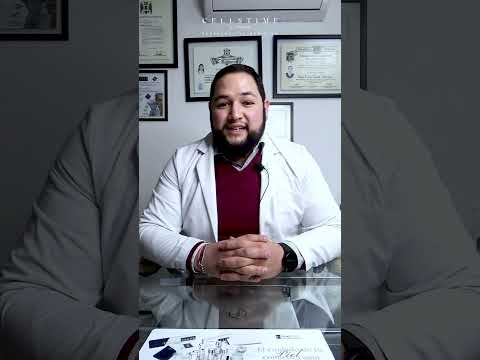




















Share this listing