
Living with chronic joint and spine pain can dramatically reduce your quality of life, but highly invasive surgeries are no longer the only path forward. The field of orthopedics is experiencing a massive paradigm shift toward regenerative biologics for musculoskeletal pain. In this presentation, Dr. Paul Winterton, an orthopedic surgeon trained at the Mayo Clinic, explores the cutting-edge science behind tissue regeneration.
From platelet-rich plasma to highly potent placental-derived mesenchymal stem cells, modern medicine is finally unlocking the body's innate ability to heal itself. Discover how these breakthrough non-operative therapies work and how you can reclaim your mobility without relying on traditional joint replacement surgery.
Video Chapters & Quick Navigation
Historically, orthopedic surgeons relied heavily on operative management to treat joint degradation and chronic spine issues. However, over the past two decades, the focus has shifted dramatically toward non-operative modalities. As outlined at [01:55], regenerative medicine aims to treat the root cause of pain by facilitating the body’s own healing mechanisms.
This biological approach is critical for patients suffering from degenerative conditions like osteoarthritis. By introducing specialized therapeutic materials directly into damaged areas, medical professionals can decrease inflammation, repair tissue, and significantly improve functional mobility.
Understanding the Basics: What Are Stem Cells?
To comprehend how these advanced treatments function, we must first understand the primary building block: the stem cell. As explained at [04:15], a stem cell is essentially an infant cell. It is crucial to note that these are not embryonic cells; they are ethically sourced, naturally occurring cells found in adult bone marrow or donated umbilical cords and placentas.
These specialized "medicinal signaling cells" possess two extraordinary capabilities. First, they are capable of self-replication, meaning they can divide and create copies of themselves. Second, they are capable of differentiation.
Differentiation allows these blank-slate cells to mature into specific, targeted cell lines. Whether your body needs new cartilage cells to cushion a knee joint or fresh connective tissue to stabilize a spinal disc, stem cell therapy for joint pain provides the exact cellular machinery required for that targeted regeneration.
Viscosupplementation: First-Line Joint Lubrication
Before progressing to advanced cellular therapies, many patients begin their regenerative journey with viscosupplementation. Discussed at [04:40], this process involves injecting hyaluronic acid directly into an affected joint space.
When joint cartilage is damaged by osteoarthritis, the articulating surfaces become rough and irregular. This causes painful friction during movement. Injecting a highly viscous lubricant into the knee, shoulder, or ankle physically decreases this coefficient of friction.
While viscosupplementation cannot rebuild lost cartilage, it serves as an excellent mechanical buffer. It slows the further breakdown of joint surfaces and provides significant symptomatic relief for patients navigating early to moderate stages of joint degeneration.
Harnessing Your Blood: Platelet-Rich Plasma Injection Benefits
Moving beyond simple lubrication, Platelet-Rich Plasma (PRP) leverages the patient's own blood to actively stimulate healing. At [06:28], the process is detailed: a small amount of peripheral blood is drawn and placed into a centrifuge. The rapid spinning separates the cellular components, allowing clinicians to isolate and concentrate the platelets.
These concentrated platelets—often five to ten times their normal volume—are teeming with over thirty distinct growth factors. When injected into a damaged spine facet or a degraded knee, these growth factors immediately signal the local environment to begin repairing torn ligaments and worn cartilage.
The Hidden Power of Platelet-Poor Plasma (PPP)
Historically, once the rich platelets were extracted, the remaining fluid—Platelet-Poor Plasma—was discarded. However, recent advancements highlighted at [07:44] reveal that PPP is highly valuable. By utilizing ultra-filtration systems, doctors can extract a profound protein called Alpha-2-Macroglobulin (A2M).
A2M acts as a powerful, naturally occurring anti-inflammatory agent. By injecting this concentrated protein back into the joint, it binds to and neutralizes the destructive enzymes that actively break down cartilage, halting the progression of osteoarthritis in its tracks.
Exosomes for Joint Regeneration: The Cellular Messengers
One of the most exciting frontiers in regenerative biologics for musculoskeletal pain is the use of Exosomes and Cytosomes. Introduced at [08:15], these are not actual cells. Instead, they are microscopic, molecular-sized "bubbles" known as extracellular vesicles that bud off from living stem cells.
Though they lack a nucleus and their own DNA, these lipid-bilayer vesicles are packed with messenger RNA (mRNA). Think of them as tiny envelopes containing vital biological software. When injected into a damaged joint, exosomes use velcro-like receptors to physically attach to your aging, damaged cells.
Once attached, they deposit their mRNA. This triggers a biological process involving replication, transcription, and translation [11:34]. Simply put, exosomes deliver instructions that tell your old, non-functioning cartilage cells to turn back the clock and start acting young and healthy again, spurring profound tissue regeneration.
| Treatment Modality | Source Material | Primary Mechanism |
|---|---|---|
| Platelet-Rich Plasma (PRP) | Patient's Blood | Releases concentrated growth factors to stimulate local tissue repair. |
| Platelet-Poor Plasma (PPP) | Patient's Blood | Delivers Alpha-2-Macroglobulin to neutralize cartilage-destroying enzymes. |
| Exosomes | Umbilical Stem Cells | Transfers mRNA to reprogram aging cells to act youthful and regenerate. |
Bone Marrow Aspirate Concentrate (BMAC): The Traditional Standard
For years, Bone Marrow Aspirate Concentrate (BMAC) has been the globally accepted standard of care for autologous (self-derived) stem cell therapy. As shown at [14:41], this procedure involves aspirating bone marrow directly from the patient's posterior iliac crest (the back of the pelvis) using a specialized Jamshidi needle.
While the patient is under local anesthesia, the marrow is drawn, immediately placed into a centrifuge, and spun down to isolate the body's own mesenchymal stem cells. Because it utilizes the patient's native tissue, it is a highly safe and widely utilized option.
Interestingly, up to 95% of patients receiving BMAC injections are utilizing it for spinal pain, specifically targeting the lumbar and cervical regions. While effective, the sheer volume of stem cells obtained via this method is naturally limited by the patient's age and overall health.
Placental-Derived Mesenchymal Stem Cells: The Pinnacle of Healing
The ultimate breakthrough in medicinal signaling cells comes from placental and umbilical cord tissue. Outlined at [18:05], the placenta serves as the master command center for a developing embryo. It dictates exactly which tissues become a heart, a lung, or a spinal disc.
These tissues are ethically harvested from fully vetted, healthy mothers following full-term C-section deliveries. Because these cells exist at "day zero" of human development, their vitality, replication speed, and regenerative potency far surpass anything extracted from an aging adult's bone marrow.
By capturing these pristine, highly active cells, doctors can inject a massive, concentrated dose of regenerative power directly into degrading joints, essentially flooding the area with the raw materials of youth.
Regulatory Differences: Affordable Stem Cell Therapy in Mexico
Despite the incredible potential of placental stem cells, patients often run into a massive roadblock in the United States. Due to strict FDA regulations, American laboratories are legally prohibited from culturing and expanding these donated stem cells.
This limitation forces patients to seek care internationally. As noted at [20:05], the regulatory environment under Mexico's health authority (COFEPRIS) allows advanced biotechnology labs, such as L-Cells in Guadalajara, to legally culture and multiply these pristine cells in highly sterile, ISO-certified environments.
- Massive Cell Counts: Mexican clinics can provide doses of 50 million to 100 million live, cultured stem cells per vial.
- Cost Effectiveness: A comprehensive 50-million cell joint injection in Mexico often costs between $2,500 and $3,000, significantly less than complex US procedures.
- Technological Lead: Mexican biotech labs are currently estimated to be decades ahead of the US in the specific application of cultured placental-derived cells.
Targeted Applications: Spine and Large Joint Injections
The application of these biologics requires extreme precision. For systemic issues, patients may opt for intravenous (IV) delivery [23:25]. The cells travel to the right side of the heart, circulate through the lungs, and distribute throughout the body.
However, for targeted musculoskeletal pain, direct localized injections are necessary. When treating the spine, doctors actively avoid injecting directly into the spinal disc. As detailed at [28:05], penetrating the disc introduces an unnecessary risk of infection and isn't biologically required.
Instead, specialists inject the biologics into the peri-vertebral lymphatic vessels surrounding the spine. These natural pathways act as an express delivery system, pulling the healing cells directly into the damaged discs, facet joints, and supporting ligaments. For large joints like the knee, doctors inject a robust dose of 50 million MSCs directly into the intra-articular space [35:10].
Post-Injection Protocols to Maximize Tissue Regeneration
The success of regenerative biologics for musculoskeletal pain does not end when the needle is removed. Proper post-injection protocol is an absolute necessity to ensure the cells survive, disperse, and begin their reparative work.
A critical component of this follow-up care involves acoustic wave therapy, also known as shockwave therapy, highlighted at [38:05]. By passing physical sound waves through the skin and into the joint, this therapy prevents the newly injected stem cells and exosomes from clumping together in one spot.
This mechanical dispersion ensures the healing biologics coat the entirety of the damaged cartilage. Furthermore, the acoustic waves stimulate immediate localized blood flow, providing the biological fuel the stem cells need to thrive during their critical six-week integration period.
An Alternative to Total Joint Replacement Arthroplasty
For patients suffering from bone-on-bone osteoarthritis, surgeons quickly recommend total joint arthroplasty (joint replacement). While historically touted as having a 95% satisfaction rate, modern orthopedic data presents a very different reality.
As Dr. Winterton reveals at [45:15], the true success and patient satisfaction rate for total joint replacements in 2024 is actually closer to 75%. That leaves a staggering 25% of patients dealing with post-operative complications, residual stiffness, or chronic pain following an incredibly invasive, irreversible surgery.
By leveraging highly concentrated, cultured placental stem cells from world-class laboratories in Mexico, patients now possess a scientifically sound, non-surgical alternative. This biological approach effectively limits inflammation, rebuilds compromised tissue, and allows you to preserve your natural anatomy for years to come.
Ready to Reclaim Your Mobility?
PlacidWay Medical Tourism connects you with top-rated regenerative medicine clinics in Mexico, offering world-class, highly cultured stem cell therapy at unbeatable prices. Discover your alternatives to invasive joint surgery today.
GET A FREE QUOTE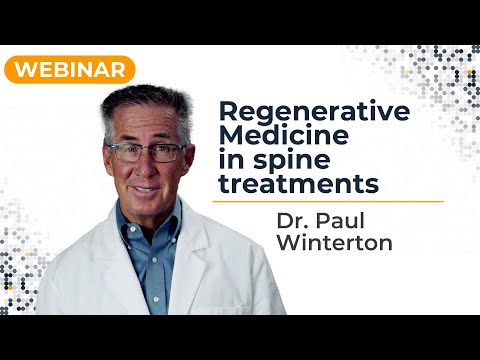






.png)
.png)




.png)
.png)









Share this listing