


The relentless progression of Amyotrophic Lateral Sclerosis, commonly known as ALS, has long challenged the boundaries of modern medical science. Patients and their families are often left desperately searching for viable, long-term therapeutic options to halt this progressive neurological disease. In the face of these severe clinical challenges, cutting-edge medical research has increasingly focused on the incredible, untapped potential of regenerative medicine.
Specifically, clinical researchers are looking closely at UC-MSC stem cell therapy for ALS as a revolutionary approach to holistic cellular repair. As we comprehensively analyze the latest medical insights from Vega Medical Services, we will explore exactly how these advanced cellular therapies are dramatically changing the global landscape of neurodegenerative disease research. [00:00]
While traditional medical treatments have historically offered highly limited functional relief, the unique biological potential of stem cells introduces a brilliant beacon of genuine hope. This in-depth medical guide will analyze the ongoing clinical research and clearly explain the underlying biological mechanisms of direct motor neuron protection. Ultimately, we will deeply illustrate why these advanced biological treatments may one day fully revolutionize the way healthcare providers manage and treat Amyotrophic Lateral Sclerosis. [00:03]
Video Chapters & Quick Navigation
Understanding Amyotrophic Lateral Sclerosis (ALS) and Motor Neuron Degeneration
Amyotrophic lateral sclerosis, frequently referred to as ALS or Lou Gehrig's disease, is fundamentally defined as a devastating progressive neurological disease that severely impairs the human body's core functionality. This relentless, currently incurable condition primarily targets and progressively degrades vital motor neurons located within the central nervous system. [00:28]
Motor neurons are highly specialized, complex nerve cells directly responsible for transmitting electrical signals that control all of our voluntary muscle movements. From the seemingly simple act of lifting a cup of water or turning a page, to the incredibly complex mechanical coordinations required for walking, swallowing, and speaking, motor neurons dictate every single conscious physical action.
As the insidious disease takes hold, these crucial motor neurons systematically degenerate, atrophy, and eventually die off. This tragic biological event permanently severs the essential communication lines between the brain's motor cortex and the vast muscular system. Patients initially experience subtle, easily dismissed symptoms like localized muscle weakness, persistent muscular fasciculations (twitching), and a frustrating, uncharacteristic loss of fine physical coordination.
Unfortunately, as the disease relentlessly progresses and more populations of neurons perish, this initial localized weakness rapidly spreads throughout the entire physical body. This widespread, unchecked cellular death eventually leads to complete, debilitating paralysis, rendering the patient entirely reliant on supportive medical care for basic survival functions. [00:41]
The Current Landscape of ALS Treatments and Their Limitations
Receiving an ALS diagnosis is profoundly overwhelming, and attempting to navigate the current traditional medical toolkit can be highly discouraging for many affected families. Unfortunately, there are very few FDA-approved treatments for ALS currently available in the global healthcare market today. [00:51]
The few traditional, synthetic medications that are readily accessible primarily focus on slightly slowing the rapid, devastating progression of the disease and managing daily painful symptoms. These conventional pharmacological interventions are simply not designed on a molecular level to address the catastrophic cellular loss actively occurring deep within the brain and spinal cord. Rather than offering a definitive medical cure or achieving any level of neurological reversal, they predominantly attempt to extend physical survival by a matter of mere months.
This immense, alarming gap in effective, long-term therapeutic options highly emphasizes the urgent, pressing need for completely innovative approaches in modern clinical neurology. Actively managing debilitating physical symptoms is undeniably crucial for maintaining a patient's immediate comfort and dignity, but it fundamentally fails to stop the underlying, relentless motor neuron destruction from progressing.
Because traditional pharmaceutical drugs only temporarily mask symptoms or slightly alter isolated chemical pathways, patients and researchers are increasingly searching for comprehensive, multi-targeted disease-modifying therapies. This desperate, unified search for a truly functional cure is exactly what has driven the global medical community to intensely explore the vast, untapped capabilities of advanced regenerative medicine.
The Sourcing and Ethics of Umbilical Cord Stem Cells
When publicly discussing advanced cellular therapies, patients and their loved ones frequently have deeply valid questions regarding the ethical sourcing of these powerful biological materials. Umbilical cord tissue-derived mesenchymal stem cells are highly ethically and safely sourced from the Wharton's Jelly of the umbilical cord immediately following a completely healthy, full-term delivery.
This highly regulated, intensely scrutinized collection process is completely non-invasive and naturally poses absolutely zero medical risk to either the consenting mother or the newborn infant. Cellular tissues that are historically and typically discarded as routine medical waste are instead carefully, rapidly preserved and immediately transferred to specialized, strictly FDA-compliant laboratories for rigorous, sterile processing.
These incredibly specific types of stem cells are exceptionally valuable for widespread medical applications because they are naturally considered "immunologically privileged" by the human body. This incredibly unique biological advantage means they possess an exceptionally low statistical risk of ever triggering a dangerous, adverse immune rejection when properly administered to an ALS patient.
Consequently, this entirely eliminates the immediate medical need for prescribing dangerous, highly harsh immunosuppressive drugs that are typically mandatorily required in traditional whole-organ transplants. Their robust cellular nature, rapid in-vitro expansion capabilities, and massive natural yield of potent bioactive molecules make them the absolute perfect candidate for safely treating complex, multi-systemic neurodegenerative disorders like ALS.
Exploring UC-MSC Stem Cell Therapy for ALS Patients
In recent years, the interconnected global scientific community has witnessed a massive, paradigm-shifting transformation in how we approach aggressive neurological research. Leading clinical researchers have aggressively turned their undivided attention to umbilical cord derived mesenchymal stem cells, widely known in the medical field as UC-MSCs, for their incredible, unmatched potential to treat ALS. [01:04]
It is critically important for all prospective patients to understand that UC-MSC stem cell therapy for ALS is still largely situated in the active clinical research phase. The ultimate, definitive safety profiles and verified long-term efficacy of these incredibly advanced treatments are actively being studied worldwide and must be fully established by major medical regulatory boards. [00:11]
Patients and their proactive families should always thoroughly consult with a highly qualified health care professional before seriously considering or actively pursuing any form of experimental stem cell therapy. [00:21] Despite still navigating ongoing clinical trials, UC-MSCs confidently offer an incredibly promising medical solution strictly due to their entirely unique biological mechanisms of action.
One of the most profound, stubborn physiological hurdles in successfully treating any severe neurodegenerative disease is the ability to properly cross the highly restrictive blood-brain barrier (BBB). Amazingly, UC-MSCs inherently possess the unique, natural intrinsic ability to seamlessly cross this highly selective border, finally granting them direct, unfettered access to the most severely damaged, dying regions of the central nervous system. [01:15]
Once they have successfully navigated past the blood-brain barrier's strict defenses, they effectively set up a highly localized, adaptive biological pharmacy. They begin to continuously and intelligently release powerful neuroprotective factors, significantly regulate toxic localized inflammation, and dramatically alter the disastrous course of motor neuron survival.
The Power of Neurotrophic Factors in Promoting Neuronal Survival
The true, unparalleled therapeutic brilliance of this advanced cellular treatment lies in exactly what the mesenchymal stem cells secrete once they securely reach the damaged neural tissue. One of the absolute key biological advantages of utilizing UC-MSCs is their unparalleled, sustained ability to autonomously release highly powerful neurotrophic factors directly into the deteriorating spinal cord and brain. [01:31]
Neurotrophic factors are highly specialized, naturally occurring biomolecules that actively and aggressively support the ongoing growth, long-term survival, and complex differentiation of existing neurons. In the direct context of a ruthless, fast-moving condition like ALS, these intelligently targeted molecules physically act as an impenetrable biological shield for degrading and dying nerve cells. [01:26]
Glial Cell Line-Derived Neurotrophic Factor (GDNF)
Among the most critically important molecules generously released by these intelligent stem cells is the highly researched Glial Cell Line-Derived Neurotrophic Factor, universally referred to as GDNF. This incredibly potent neuronal survival factor specifically targets and comprehensively supports highly vulnerable motor neurons located throughout the central nervous system.
GDNF plays an absolutely instrumental, non-negotiable role in aggressively repairing severely damaged neural pathways and actively stimulating the healthy regeneration of heavily compromised cellular axons. By successfully preventing forced programmed cell death, GDNF acts as a crucial, life-saving molecular intervention for exhausted motor neurons that are currently operating under immense, disease-driven toxic stress. [01:38]
Brain-Derived Neurotrophic Factor (BDNF)
In direct conjunction with GDNF, the generous, sustained release of Brain-Derived Neurotrophic Factor (BDNF) serves as yet another foundational pillar of this highly advanced regenerative therapy. BDNF is globally recognized and highly praised by leading neurologists for its vital, irreplaceable involvement in heavily promoting high levels of essential neuroplasticity.
Neuroplasticity is defined as the brain's remarkable, innate ability to physically and structurally reorganize itself by forming entirely new, healthy, and highly functional neural connections. Together, these specific, highly targeted neurotrophic factors synergistically protect fragile motor neurons from further irreversible structural damage and heavily promote long-term neuronal survival. [01:45]
By constantly and consistently bathing the central nervous system in incredibly high concentrations of both GDNF and BDNF, this cellular therapy may effectively and noticeably slow the heavily accelerated rate of cellular degeneration typically observed in advanced ALS patients. [01:50]
Combating Toxic Neuroinflammation in Motor Neuron Disease
Beyond the direct, measurable structural protection of delicate motor neurons, another highly critical functional role of UC-MSCs is their profound, systemic ability to drastically reduce rampant inflammation residing within the central nervous system. [01:57]
In the highly complex, poorly understood pathology of ALS, neuroinflammation is absolutely not just a passive, unfortunate byproduct of the debilitating illness; it is a massive, primary cellular driver of the disease itself. An incredibly overactive and dangerously misguided immune response heavily and directly contributes to severe, rapid motor neuron destruction. [02:04]
Microglia and astrocytes, which normally serve to heavily protect the brain, sadly become hyper-activated and begin relentlessly releasing toxic pro-inflammatory signals that indiscriminately attack completely healthy nerve cells. Thankfully, umbilical cord-derived UC-MSCs are uniquely equipped with incredibly robust immunomodulatory properties. [02:09]
These highly specialized biological properties allow the introduced stem cells to intelligently interface with and immediately recalibrate the patient's rapidly malfunctioning existing immune system. By intentionally releasing highly targeted anti-inflammatory cytokines, they act as powerful, corrective chemical messengers that effectively help properly regulate the localized immune response. [02:14]
This essential biological de-escalation successfully and permanently shifts the nervous tissue environment from a state of highly toxic hostility to one of supportive, long-term healing. Ultimately, this magnificent process creates a drastically more neuroprotective environment directly within the highly vulnerable brain and spinal cord, halting further inflammatory-driven damage in its tracks. [02:20]
Managing Severe Oxidative Stress and Cellular Exhaustion
In direct, dangerous conjunction with rampant neuroinflammation, intense systemic oxidative stress plays a massive, devastatingly destructive role in the aggressive, unstoppable progression of motor neuron disease. Oxidative stress biologically occurs when there is a highly dangerous, unchecked chemical imbalance between the rapid production of toxic free radicals and the human body's natural, inherent ability to properly neutralize them.
This deep, foundational physiological imbalance is undoubtedly another major factor significantly contributing to the widespread, tragic neuronal death seen in ALS patients globally. Highly reactive oxygen species essentially act like microscopic biological shrapnel, brutally tearing through the intricate, fragile lipid membranes of neurons and rapidly destroying essential cellular DNA. [02:24]
Intelligently applied UC-MSCs directly and forcefully address this microscopic cellular crisis by actively and aggressively helping to manage oxidative stress throughout the heavily affected neural tissues. By systematically and continuously releasing a highly potent array of natural antioxidants and other vital bioactive compounds, these therapeutic cells effectively neutralize heavily harmful free radicals. [02:34]
This incredibly robust, multi-layered antioxidant defense mechanism is an absolute clinical requirement for preserving the highly delicate structural integrity of any surviving motor neurons. Through the relentless, ongoing secretion of these highly vital chemical compounds, UC-MSC therapy may significantly and permanently enhance overall long-term cell survival, substantially delaying the relentless physical progression of ALS.
The Multi-Faceted Defense Mechanism of UC-MSCs
| Therapeutic Action | Biological Impact on ALS Patients |
|---|---|
| Neurotrophic Factor Secretion (GDNF/BDNF) | Directly shields existing highly fragile motor neurons, entirely prevents forced programmed cell death, and strongly encourages essential neural regeneration processes. |
| Profound Immunomodulation | Releases highly targeted anti-inflammatory cytokines to immediately stop the patient's hyperactive, confused immune system from violently attacking healthy nerve cells. |
| High-Yield Antioxidant Release | Effectively and permanently neutralizes toxic, highly reactive free radicals, dramatically lowering severe cellular oxidative stress and actively preventing mitochondrial collapse. |
Traditional Medications vs. Regenerative Approaches
When carefully and thoroughly evaluating the incredibly complex, often frustrating landscape of ALS treatment, it is highly beneficial for patients to comprehensively compare the mechanisms of traditional pharmacology with the dynamic, adaptive capabilities of regenerative medicine. Traditional FDA-approved medications widely used for ALS typically work by artificially, chemically altering a single specific chemical pathway in the brain.
For example, some standard prescription drugs actively aim to marginally reduce the rapid, excessive release of glutamate, which is an excitatory neurotransmitter that strictly causes neuronal toxicity when present in massive, entirely unregulated amounts. Other widely prescribed standard medications act purely as basic free radical scavengers to slightly reduce baseline systemic oxidative stress over time.
While these conventional daily medications certainly represent important, heavily researched historical milestones in overall ALS care, their real-world clinical impact is notoriously highly limited. They fundamentally do not possess any inherent biological ability to successfully repair existing tissue damage or fundamentally alter the underlying, dangerously toxic neuroinflammatory cellular environment.
In stark, illuminating contrast, modern UC-MSC stem cell therapy represents a comprehensive, multi-modal, and highly adaptive therapeutic approach. Rather than entirely and narrowly targeting a single isolated chemical pathway, these incredibly intelligent stem cells simultaneously deploy a vast, deeply interconnected array of sophisticated biological healing mechanisms directly to the severely compromised central nervous system.
Preserving Muscle Function and Daily Quality of Life
The vast, undeniable advantages of actively exploring highly advanced stem cell interventions firmly extend far beyond the microscopic, purely cellular level found within the brain and spinal cord. Beyond the direct, highly measurable clinical effects on preserving vital, life-sustaining neurons, UC-MSC therapy may also offer profound, life-altering indirect benefits for total global muscle function. [02:44]
Because Amyotrophic Lateral Sclerosis is fundamentally strictly characterized by the tragic, gradual loss of all voluntary muscle control, any therapeutic intervention that effectively slows neuronal decay will inherently preserve the physical, functional capabilities of the affected patient. By successfully slowing the relentless, terrifying loss of motor neurons and simultaneously heavily reducing toxic neuroinflammation, UC-MSCs indirectly protect the entire muscular system from experiencing rapid, completely irreversible atrophy.
Consequently, highly motivated patients proactively undergoing these highly innovative regenerative treatments could potentially maintain their core daily muscle strength for a substantially longer, highly valuable period of time. [02:56] This extended, incredibly precious preservation of robust physical function is absolutely paramount for maintaining an individual patient's dignified independence and overall daily quality of life.
Most importantly, actively maintaining long-term vital muscle viability means potentially delaying some of the most undeniably life-threatening, terrifying physical symptoms typically associated with the much later terminal stages of ALS. This crucial therapeutic delay includes dramatically stalling profound generalized physical muscle weakness and successfully staving off severe, life-limiting, and highly dangerous respiratory difficulties. [03:02]
The Rigorous Path Forward in ALS Care and Clinical Research
As modern, cutting-edge science bravely continues to peel back the incredibly complex, heavily overlapping layers of seemingly incurable neurodegenerative diseases, the strategic, highly clinical utilization of umbilical cord-derived mesenchymal stem cells firmly represents one of the most exciting, promising frontiers in global biotechnology today.
While the highly current scientific data undeniably provides a utterly fascinating and highly encouraging, positive glimpse into the promising future of advanced ALS management, completely rigorous, tightly controlled clinical trials remain absolutely paramount. Leading dedicated researchers globally are continuously dedicating vast, highly unprecedented financial and medical resources to meticulously tracking long-term biological patient outcomes and strictly perfecting optimal cell administration protocols.
For patients and their terrified families desperately attempting to carefully navigate the incredibly overwhelming, dark reality of a recent severe ALS diagnosis, the rapid, powerful emergence of regenerative medicine reliably provides a desperately needed, brilliant ray of genuine hope. However, actively navigating the heavily complex global landscape of these highly emerging medical treatments demands careful, thoughtful consideration, highly extensive biological education, and close, unwavering collaboration with specialized, certified medical professionals.
It is highly and strictly recommended that all individuals deeply interested in actively exploring the vast, life-changing potential of UC-MSC stem cell therapy heavily engage in comprehensive, deep medical consultations with board-certified neurologists. By collectively staying fiercely, continuously updated on the absolute latest positive developments in global ALS research and advanced stem cell therapies, we can collaboratively continue the vital medical fight to finally turn this highly devastating disease into a highly manageable, survivable condition. [03:05]
Ready to Explore Advanced Stem Cell Therapies?
Navigating a complex ALS diagnosis absolutely requires immediate access to the most highly innovative, cutting-edge medical care currently available globally. Connect with highly qualified, specialized medical experts to discover if comprehensive UC-MSC stem cell therapy is the ideal, life-changing path forward for your highly personalized neurological treatment journey.
GET A FREE MEDICAL CONSULTATION & QUOTE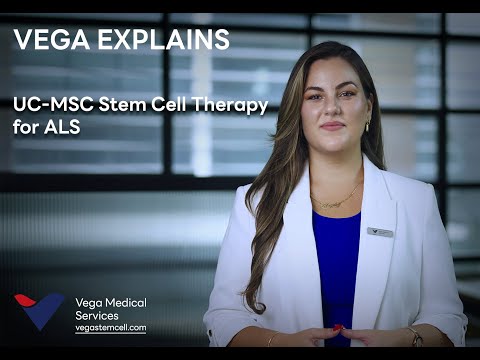





.png)





-(6).png)








Share this listing