


When families are faced with a progressive neurodegenerative disorder, finding effective treatment options becomes an urgent priority. For decades, the medical community has struggled to find interventions that do more than merely manage symptoms. Today, the landscape of neurology is witnessing a paradigm shift. Stem cell therapy for Alzheimer's disease is emerging as a beacon of hope, moving the focus from symptom management to true cellular regeneration and neuroprotection.
While this cutting-edge approach is still navigating the rigorous phases of clinical research, the science behind umbilical cord-derived mesenchymal stem cells offers profound insights into how we might one day halt cognitive decline. By targeting the root causes of brain degeneration, regenerative medicine is opening doors that were previously thought permanently closed. Watch to explore how these microscopic powerhouses are being utilized to combat memory loss, repair synaptic connections, and potentially rewrite the future of cognitive health.
Video Chapters & Quick Navigation
The global impact of progressive neurodegenerative disorders cannot be overstated. Millions of individuals and their families are thrust into a complex journey of managing cognitive decline, memory impairment, and behavioral changes. As medical science pushes the boundaries of what is possible, advanced cellular therapies have taken center stage in neurological research. Before diving into the complex mechanisms of these therapies, it is crucial to understand that [00:11] stem cell therapy for Alzheimer's disease is still in the research phase and has not yet been approved for general, widespread use.
However, the rapid pace of clinical trials for Alzheimer's disease treatment is yielding unprecedented data. Researchers are no longer just looking at ways to delay the inevitable; they are investigating the very biological architecture of the brain to uncover methods of neuro-restoration. To appreciate the profound potential of this therapeutic avenue, we must first dissect the intricate pathology of the disease itself.
Understanding the Pathology of Alzheimer's Disease
Alzheimer's disease is far more than simple forgetfulness. As noted at [00:25], it is a progressive neurodegenerative disorder that gradually, yet relentlessly, impairs memory, cognition, and behavior. The disease physically alters the brain's landscape, primarily affecting the hippocampus and the cerebral cortex—regions absolutely vital for forming new memories and executing complex thoughts.
At the microscopic level, the disease is characterized by two devastating biological anomalies: amyloid-beta plaques and tau tangles. Amyloid-beta is a naturally occurring protein that, in a healthy brain, is broken down and cleared away. In the Alzheimer's brain, these proteins misfold and accumulate into hard, insoluble plaques between neurons. These plaques physically block cell-to-cell signaling at the synapses, disrupting the brain's internal communication network.
Simultaneously, tau proteins, which normally stabilize the internal microtubule structures of neurons, become defective. They detach and twist into neurofibrillary tangles inside the cell. This internal collapse deprives the neuron of vital nutrients, ultimately leading to cellular starvation. As these dual toxic processes spread, neurons are irreparably damaged and eventually die, resulting in severe brain atrophy and the tragic loss of self that defines the later stages of the disease.
The Limitations of Conventional Cognitive Therapies
To understand why the medical community is so intensely focused on regenerative medicine, one must look at the limitations of standard pharmacological approaches. For decades, the standard of care for progressive neurodegenerative disorders has relied heavily on medications like cholinesterase inhibitors and NMDA receptor antagonists. These drugs attempt to maximize the efficiency of the surviving neurons by regulating specific neurotransmitters like acetylcholine and glutamate.
While these medications can temporarily improve symptoms and stabilize cognitive function for a limited time, they do not halt the underlying destruction of brain tissue. They are akin to turning up the volume on a radio that is slowly losing its power source. Once the neuronal damage surpasses a certain threshold, these traditional medications lose their efficacy entirely.
Furthermore, developing new drugs is notoriously difficult due to the blood-brain barrier. This highly selective semipermeable membrane border prevents solutes in the circulating blood from non-selectively crossing into the extracellular fluid of the central nervous system. While it perfectly protects the brain from toxins and pathogens, it also violently rejects over 95% of large-molecule experimental drugs, creating a massive hurdle for neurologists seeking disease-modifying therapies.
What Are Umbilical Cord-Derived Mesenchymal Stem Cells (UC-MSCs)?
This is where the frontier of cellular medicine begins. Recent research has heavily focused on [00:57] umbilical cord-derived mesenchymal stem cells, commonly referred to as UC-MSCs. But what exactly are these cells, and why are they preferred over other types of stem cells?
Mesenchymal stem cells are multipotent stromal cells that can differentiate into a variety of cell types, including osteoblasts, chondrocytes, and adipocytes. However, in the context of neurology, their primary value lies not in their ability to become new brain cells, but rather in their profound "paracrine" capabilities. They act as microscopic cellular pharmacies, secreting powerful growth factors, anti-inflammatory agents, and signaling molecules that command surrounding damaged tissue to heal.
Sourcing these cells from donated human umbilical cords—specifically from a gelatinous substance known as Wharton's Jelly—offers numerous advantages. First, the collection process is entirely non-invasive and ethically sound, utilizing medical waste from healthy, full-term deliveries. Second, umbilical cord tissue stem cells are biologically "young." They possess robust proliferation capacities and high vitality compared to stem cells harvested from adult bone marrow or adipose (fat) tissue. Crucially, UC-MSCs have low immunogenicity, meaning they are immune-privileged and rarely trigger an adverse immune rejection response in the recipient.
1. The Crucial Role of Reducing Neuroinflammation
The first major mechanism through which UC-MSCs operate involves the immune system of the brain. As detailed at [01:25], one of the hallmark features of Alzheimer's is chronic neuroinflammation. In a healthy brain, microglial cells act as the local immune defense, clearing away cellular debris and foreign invaders. However, in an Alzheimer's brain, these microglial cells become chronically overactivated by the constant presence of amyloid plaques.
This perpetual state of immune panic leads to a devastating cycle. The overactive microglia release neurotoxic inflammatory cytokines that inadvertently damage healthy surrounding neurons. This chronic brain inflammation accelerates structural brain damage and drives rapid cognitive decline. It becomes a fire that the brain's native systems cannot extinguish.
UC-MSCs intervene by aggressively modulating this immune response. Upon administration, these stem cells release specific anti-inflammatory cytokines. These signaling proteins command the overly aggressive microglial cells to stand down, shifting them from a destructive inflammatory state (M1 phenotype) to a tissue-repairing state (M2 phenotype). By dampening the chronic inflammation, UC-MSCs help slow the aggressive progression of the disease, providing the brain with a critical window to stabilize and attempt repair.
2. Neuroprotection and Synaptic Repair Mechanisms
Stopping further damage is only half the battle; repairing the existing neuronal infrastructure is equally vital. At [01:45], the video highlights the incredible capacity of UC-MSCs for neuroprotection and synaptic repair. Memory and cognition are not stored in individual cells, but rather in the complex synaptic connections and networks formed between billions of neurons.
When UC-MSCs enter the neurological environment, they begin to secrete high levels of specialized neurotrophins. The most critical of these are Brain-Derived Neurotrophic Factor (BDNF) and Glial Cell Line-Derived Neurotrophic Factor (GDNF). These molecules essentially act as biological fertilizer for the brain. BDNF, in particular, plays a crucial role in promoting the survival of existing neurons and encouraging the growth and differentiation of new neurons and synapses.
By bathing damaged neural networks in BDNF and GDNF, stem cell therapy helps reinforce weakened synaptic connections. This process, known as synaptic plasticity, is the fundamental biological basis for learning and memory retention. Protecting these delicate networks from toxic insults while simultaneously stimulating their growth is what makes UC-MSCs a highly promising intervention for memory-related neurodegenerative conditions.
3. Accelerating the Clearance of Amyloid-Beta Plaques
The physical removal of toxic protein buildup is an essential component of disease modification. Mentioned at [02:10], the reduction of amyloid-beta plaques is a major therapeutic target. As previously discussed, these hard, insoluble plaques actively contribute to widespread brain cell death by disrupting metabolic pathways and triggering massive oxidative stress.
Rather than acting as a simple sweeping mechanism, UC-MSCs empower the brain's own innate immune system to do the heavy lifting. By releasing specific immunomodulatory factors, stem cells enhance the phagocytic capacity of local microglial cells. Phagocytosis is the biological process by which a cell engulfs and digests solid particles.
Under the influence of MSCs, the microglial cells become highly efficient scavengers, actively hunting down, breaking apart, and digesting the stubborn amyloid-beta plaques. By clearing this toxic debris, the local tissue environment becomes vastly more hospitable. The reduction of physical plaques allows surrounding neurons to breathe, re-establish lost synaptic connections, and potentially recover lost cognitive function. This naturally assisted clearance is considered a vital step in comprehensive Alzheimer's treatment protocols.
4. The Frontier of Exosome-Mediated Regeneration
Perhaps the most exciting and cutting-edge aspect of cellular medicine today is exosome-mediated regeneration, highlighted at [02:29]. While stem cells themselves are incredibly powerful, researchers have discovered that much of their therapeutic benefit comes from the tiny vesicles they release, known as exosomes.
Exosomes are extracellular vesicles, measuring just 30 to 150 nanometers in diameter. They are essentially microscopic biological envelopes that stem cells use to send mail to other cells in the body. Inside these lipid bilayer envelopes is a highly concentrated payload of messenger RNA (mRNA), microRNA, signaling proteins, and vital growth factors. When a damaged brain cell receives and absorbs an exosome, the genetic material inside immediately instructs the damaged cell to initiate self-repair protocols.
The most profound advantage of exosomes in neurology is their size. Because they are infinitesimally small and possess a compatible lipid structure, [02:45] these exosomes can easily cross the blood-brain barrier. This solves the greatest historical challenge in neuropharmacology. Physicians can potentially deliver highly concentrated, neuroprotective, and regenerative signals directly into the deepest structures of the brain without requiring highly invasive surgical procedures.
Translating Preclinical Success to Human Clinical Trials
The journey from the laboratory bench to bedside medical application is long and meticulously regulated. As noted at [02:54], research into UC-MSCs for Alzheimer's is largely in its early stages, though the foundational data is incredibly robust. The initial phases of this research take place in preclinical studies involving complex animal models.
In transgenic mouse models engineered to exhibit human-like Alzheimer's pathology, the introduction of UC-MSCs has yielded astonishing results. Researchers have documented visible neurogenesis—the birth of new neurons—in the hippocampus. Furthermore, these preclinical studies consistently show a dramatic reduction in overall amyloid plaque levels and marked improvements in spatial memory and cognitive task performance in the animal subjects. These striking successes provided the ethical and scientific green light to proceed with human evaluation.
Transitioning to human applications, [03:15] early-phase clinical trials primarily focus on establishing absolute safety. Phase 1 and Phase 2a trials have evaluated the intravenous and intrathecal administration of UC-MSCs in early to moderate Alzheimer's patients. The paramount finding from these early studies is that the therapy is generally well-tolerated. Patients have not exhibited severe adverse immunological reactions, nor has there been evidence of tumor formation, confirming the excellent safety profile of umbilical cord tissue stem cells.
Evaluating the Safety Profile and Ethical Considerations
When investigating novel treatments, safety and ethics must be at the forefront of the conversation. The use of umbilical cord-derived cells perfectly aligns with stringent bioethical standards. Because the Wharton's Jelly is harvested from donated umbilical cords following healthy births, no embryos are harmed or utilized in the creation of these cellular products. This completely bypasses the historical ethical controversies associated with embryonic stem cells.
Furthermore, because these are adult mesenchymal stem cells, they do not possess the chaotic pluripotency that causes uncontrolled cell growth. They are naturally programmed to seek out inflammation, deposit their regenerative payload, and eventually clear from the body. This targeted, self-limiting biological behavior contributes to the excellent safety profile reported in current medical literature.
However, as the video strictly outlines, it is critical to acknowledge that larger, double-blind, placebo-controlled clinical trials are required. These extensive Phase 3 trials are necessary to conclusively prove long-term therapeutic efficacy, establish standardized dosing protocols, and fully map the trajectory of cognitive improvement in massive and diverse patient populations.
Preparing for the Future of Cognitive Health
The trajectory of Alzheimer's research has fundamentally shifted. The medical community is moving away from the era of merely managing devastating cognitive decline and entering the age of regenerative potential. The ability to utilize the body's natural cellular signaling mechanisms to reduce neuroinflammation naturally, rebuild synaptic highways, and clear out toxic neurological debris offers a truly profound new avenue for patients worldwide.
For patients and caregivers navigating the complexities of Alzheimer's disease treatment options, staying informed is the most powerful tool available. Participating in or seeking out information regarding FDA-cleared clinical trials can provide access to these next-generation therapies. It is imperative to always consult with a qualified board-certified neurologist or healthcare professional before making any changes to a care plan or considering participation in experimental regenerative therapies.
The human brain possesses a remarkable, latent capacity for healing. With the targeted assistance of umbilical cord-derived stem cells and powerful exosome delivery systems, the future of unlocking and restoring that cognitive vitality looks brighter than ever before.
Explore Advanced Neurological Treatment Options
Navigating clinical trials and innovative regenerative medicine can be overwhelming. PlacidWay connects you with globally recognized specialists and cutting-edge treatment centers. Let us help you explore safe, evaluated options for cognitive health.
REQUEST MORE INFORMATION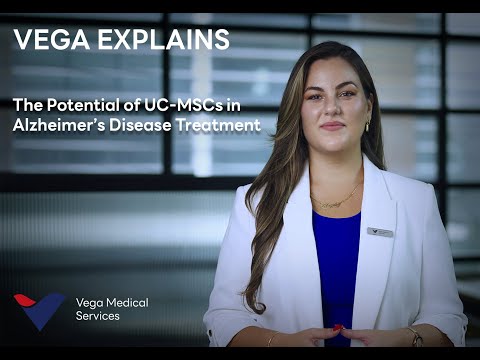






.png)
.png)





-(6).png)


-(9).png)








Share this listing