


For parents facing the devastating reality of infant liver failure, finding immediate, world-class medical intervention is a race against time. When six-month-old Ghaitha was diagnosed with a rare genetic disorder causing rapid liver deterioration, her family embarked on a desperate, international search for a cure. This video documents their extraordinary journey to secure a highly complex, living donor pediatric liver transplant in Turkey. Watch to discover how the internationally renowned specialists at Medical Park Hospital transformed a critical medical emergency into a miraculous story of renewal, showcasing the pinnacle of modern pediatric organ transplantation.
Video Chapters & Quick Navigation
- Understanding Niemann-Pick Disease
- The Critical Search for a Transplant
- Turkey as a Global Medical Hub
- The Living Donor Process for Infants
- World-Class Expertise at Medical Park
- Post-Operative Care and Recovery
- Patient Support and Coordination
- Financial Considerations and Costs
- Long-Term Outlook for Recipients
Understanding Niemann-Pick Disease Type C and Pediatric Liver Failure
Niemann-Pick disease type C is an exceptionally rare and devastating inherited lysosomal storage disorder. It fundamentally compromises the body's ability to transport and metabolize cholesterol and other lipids within cells. While it is frequently recognized by medical professionals for its progressive neurological symptoms, infants diagnosed with early-onset Niemann-Pick disease often present with severe, life-threatening hepatic (liver) involvement. As seen in the heartbreaking case of six-month-old Ghaitha, who was suffering from hepatitis specifically linked to Niemann-Pick disease type C [00:14], this genetic condition can trigger rapid and catastrophic liver failure.
The accumulation of unprocessable lipids in the liver causes severe inflammation, hepatosplenomegaly (the dangerous enlargement of the liver and spleen), and ultimately, cirrhosis. When an infant begins to exhibit signs of congenital jaundice [01:08], it serves as an immediate, blaring alarm for pediatric hepatologists. Congenital jaundice in this specific context indicates that the child's bile ducts are completely failing to process bilirubin, a natural byproduct of red blood cell breakdown.
The Impact of Lipid Accumulation on Infant Health
This systematic failure leads directly to the pale, deteriorating physical appearance described by Prof. Dr. Bülent Ünal [01:01]. Without immediate, highly specialized medical intervention, pediatric liver failure causes lethal toxins to build up in the bloodstream. This toxicity leads to hepatic encephalopathy, severe developmental delays, and fatal outcomes. For desperate families facing this grim diagnosis, traditional medical management is entirely insufficient, making an emergency pediatric liver transplant the only viable, life-saving option.
The Critical Search for a Lifesaving Pediatric Organ Transplant
The emotional and logistical toll of discovering your infant needs an emergency organ transplant is simply unimaginable. As Mohamed El Moustit, Ghaitha’s father, vividly recalls, the family suddenly found themselves thrust into a highly critical situation [00:21]. For parents residing in developing nations or regions lacking highly specialized pediatric transplant centers, a diagnosis of end-stage liver disease comes with the terrifying realization that local hospitals are entirely unequipped to perform such complex restorative procedures.
The search for a clinic capable of performing a pediatric liver transplant [00:26] instantly becomes a frantic, high-stakes race against time. The infant's visibly deteriorating health, marked by lethargy, feeding difficulties, and a failing biliary system, serves as a constant, agonizing reminder of the ticking clock. In these dire, panic-filled moments, the swift guidance of knowledgeable medical professionals is paramount to survival.
The crucial intervention of the head pediatric doctor, Fayrouz Jamaoui [00:35], who firmly advised the family to travel quickly to Turkey for the transplant, highlights the critical importance of international medical networks. Pediatric organ transplants require an incredibly specific convergence of skilled microsurgeons, advanced pediatric intensive care units (PICU), and specialized isolation wards. Finding an institution that offers both world-class surgical care and the international patient support required to guide desperate parents is the defining factor between life and death.
Why Turkey is a Global Hub for Complex Pediatric Liver Transplants
Over the past decade, Turkey has firmly established itself as a premier global destination for complex medical tourism, particularly in the highly specialized and demanding field of pediatric organ transplantation. Families from across Europe, the Middle East, and North Africa increasingly look to Turkish medical centers when facing life-threatening conditions that require advanced surgical interventions. This rise as a medical powerhouse is the direct result of heavy government investments in healthcare infrastructure and the establishment of state-of-the-art medical facilities like Medical Park Hospital [00:45].
Advanced Medical Infrastructure and Global Standards
For an advanced pediatric liver transplant in Turkey, the stringent standards of care rival, and frequently exceed, those found in leading Western hospitals. Turkish transplant centers are globally recognized for their incredibly high volume of successful procedures, particularly involving living donors. This high surgical volume translates directly into unparalleled, refined surgical expertise. Surgeons in Turkey perform hundreds of complex organ transplants annually, constantly advancing their techniques and significantly improving long-term patient survival rates.
Furthermore, premier facilities are heavily equipped with cutting-edge 3D diagnostic technology, specialized pediatric intensive care units, and rigorous sterilization protocols that meet the highest international benchmarks. The seamless combination of world-class medical infrastructure, internationally accredited healthcare protocols, and a deep, systemic commitment to positive patient outcomes makes Turkey an undisputed beacon of hope for families requiring immediate, life-saving organ transplants for infants.
The Intricacies of Living Donor Liver Transplants for Infants
When an infant requires a liver transplant, time is an absolute luxury they rarely possess. Waiting for a compatible deceased donor organ can take agonizing months or even years—time that a six-month-old baby with rapidly progressing liver failure simply does not have. This is precisely where the medical marvel of a living donor liver transplant becomes the ultimate critical lifeline. As Prof. Dr. Bülent Ünal solemnly noted, Ghaitha did not have much time left [02:37].
The Miracle of Liver Regeneration
Thanks to the extraordinary courage and dedication of her mother, the surgical team was able to expertly transfer a portion of the mother’s healthy liver directly to the infant [02:42]. A living donor liver transplant for infants relies entirely on the liver’s unique biological capacity to regenerate. A healthy adult can safely donate a specific segment of their liver—often the left lateral segment when donating to a small child—and remarkably, both the donor's and the recipient's livers will regenerate to full functionality and normal size within just a few months.
However, executing this procedure demands extreme, microscopic surgical precision. Pediatric transplant surgeons must meticulously anastomose (connect) microscopic blood vessels and incredibly delicate bile ducts. The child's tiny, fragile anatomy leaves absolutely zero margin for surgical error. The success of this dual-surgery approach ensures the ischemic time—the duration the donor tissue is without a steady blood supply—is kept to the bare minimum, dramatically maximizing the chances of successful organ engraftment.
World-Class Medical Expertise at Medical Park Hospital
The ultimate success of a high-stakes pediatric organ transplant is completely dependent on the synchronized expertise of the medical team. Medical Park Hospital boasts a robust, multidisciplinary roster of globally respected organ transplant specialists. Key figures like Prof. Dr. Abuzer Dirican [00:55] and Prof. Dr. Bülent Ünal [01:03] represent the absolute pinnacle of surgical excellence in the field of hepatic transplantation.
Rigorous Pre-Operative Planning
Their direct involvement in Ghaitha's complex case highlights the absolute necessity of having highly experienced specialists who deeply understand the unique physiological challenges of operating on an infant battling a rare metabolic disorder. At elite institutions like Medical Park Hospital, the intricate transplant process begins long before the first surgical incision is made. Upon arriving in Turkey, Ghaitha’s medical team immediately conducted comprehensive diagnostic imaging and complementary tests to precisely confirm the extent of the disease [02:17].
This meticulous pre-operative planning is a defining hallmark of world-class medical expertise. It involves pediatric hepatologists, anesthesiologists, and immunologists working in tight, flawless coordination with the surgical team. The fact that the hospital conditions for organ transplants are described by the father as "very good" [01:20] is a deeply humble understatement for the rigorous, highly sterilized, and technologically advanced environments required to achieve a flawless outcome in such medically fragile patients.
Post-Operative Care and the Critical Road to Recovery
The successful completion of the surgical procedure is truly only the first major hurdle in a pediatric liver transplant; the immediate post-operative period is equally, if not more, critical. For highly vulnerable infants like Ghaitha, the initial recovery phase requires highly specialized pediatric intensive care monitoring. The medical team must constantly evaluate the newly transplanted liver for any early signs of acute rejection, dangerous vascular thrombosis, or insidious biliary leaks.
- Immunosuppression Therapy: Carefully tailored medication doses to prevent the infant's immune system from attacking the donor organ.
- Infection Prevention Protocols: Strict isolation and sterile environments to protect the severely immunocompromised child.
- Vascular Ultrasound Monitoring: Daily imaging to ensure perfect blood flow through the microscopic newly connected arteries.
The true measure of a pediatric transplant's success is vividly seen in the weeks and months following the complex surgery. Ghaitha's critical second-month post-operative tests came back entirely clean [02:51], signaling a magnificent surgical engraftment and fully restored liver function. As the new liver begins to properly metabolize toxins, the physical transformation in the infant is profound. The jaundice fades entirely, vibrant energy levels return, and the infant's body can finally absorb the nutrients necessary for healthy growth, allowing her to safely return to her home country [02:56].
Comprehensive Patient Support and Medical Tourism Coordination
Traveling abroad for a highly invasive, life-saving medical procedure is an overwhelmingly stressful experience, particularly when navigating language barriers and complex foreign medical terminologies. Recognizing this immense emotional burden, top-tier international hospitals in Turkey have meticulously developed robust medical tourism coordination departments to support families at every conceivable step. From the very moment the family decided to seek treatment, they were guided by dedicated patient coordinators like Ms. Betül [01:26].
This comprehensive, empathetic support system is designed to entirely remove the crushing burden of logistics from the terrified parents. The dedicated hospital staff expertly managed everything from seamless airport pickups to arranging comfortable hotel accommodations near the facility [02:11]. Furthermore, the constant presence of dedicated medical translators ensures that parents fully and confidently understand the precise diagnosis, the surgical risks involved, and the intricate post-operative care instructions.
This exceptional level of transparency, availability, and responsiveness [01:47] builds a crucial, unbreakable foundation of trust between the medical team and the family. When parents are thrust into a foreign environment while their infant is fiercely battling a life-threatening disease, having compassionate, culturally sensitive, and highly organized administrative support is just as important to the family's overall well-being as the surgical intervention itself.
Financial Considerations: Affordable Pediatric Liver Transplants in Turkey
A massive, undeniable factor driving global families to seek complex medical treatment abroad is the completely prohibitive cost of advanced healthcare in their home countries or in Western nations. In the United States or parts of Europe, an uninsured or out-of-network pediatric liver transplant can easily cost upwards of several hundred thousand dollars, placing an insurmountable, crippling financial burden on desperate families. In stark contrast, medical tourism in Turkey provides access to genuinely elite medical care at a remarkable fraction of the cost. As Ghaitha's relieved father gratefully noted, the overall prices at Medical Park Hospital are highly affordable [01:42].
All-Inclusive Medical Tourism Packages
Crucially, this financial affordability does not come at the expense of medical quality or patient safety. The significantly lower costs are the direct result of favorable currency exchange rates, heavy government subsidies for international healthcare infrastructure, and a highly competitive, regulated medical tourism market.
| Healthcare Aspect | Western Hospitals (US/EU) | Medical Centers in Turkey |
|---|---|---|
| Cost of Transplant Procedure | Exceedingly high (Often $250k - $500k+) | Highly affordable (Up to 70% in total savings) |
| Living Donor Wait Times | Can be delayed by heavy bureaucratic red tape | Immediate scheduling for critical emergency cases |
| Patient Logistics & Support | Often managed entirely by the stressed family | Fully coordinated (Hotels, flights, dedicated translators) |
For families actively seeking affordable pediatric liver transplant surgery, comprehensive medical packages in Turkey typically include not only the incredibly complex surgical procedure and the living donor's operation, but also pre-operative diagnostics, post-operative intensive care stays, and immediate immunosuppressant medications. By offering transparent, upfront pricing, Turkish medical centers ensure families do not face hidden financial crises while fighting for their child's life.
The Long-Term Outlook for Infant Liver Transplant Recipients
The ultimate, driving goal of a pediatric organ transplant is not merely biological survival, but the total restoration of a full, vibrant, and entirely normal life. Prior to the surgery, infants suffering from severe end-stage liver disease experience significant, frightening developmental delays due to severe malnutrition, toxic neurological build-up, and chronic, debilitating fatigue. However, once a healthy piece of donor liver is successfully integrated into the child's body, their developmental trajectory shifts dramatically and beautifully.
As the highly experienced Medical Park specialists proudly emphasize, successful infant transplant recipients can quickly catch up to grow, run, and play exactly like their completely healthy peers [01:56]. The long-term medical outlook for pediatric liver transplant patients is overwhelmingly positive. With strict, careful adherence to a daily medication regimen to prevent organ rejection and regular health screenings, these resilient children go on to achieve perfectly normal academic levels [01:59] and lead long, fulfilling lives.
The awe-inspiring transformation of a critically ill, fading infant into a thriving, energetic child is deeply and emotionally described by the family as a literal "new life" and being beautifully "born again" after a dark period of suffering [03:28]. This remarkable, tear-jerking outcome is a profound testament to the miraculous capabilities of modern transplant medicine, the advanced medical infrastructure of Turkey, and the unwavering, heroic dedication of the living donors who make these second chances at life completely possible.
Seeking a Lifesaving Pediatric Organ Transplant?
Do not let exorbitant costs or long waiting lists compromise your child's future. PlacidWay Medical Tourism connects desperate families with world-renowned, internationally accredited pediatric transplant centers in Turkey. Let us manage the complex medical logistics while you focus entirely on your child's healing.
GET A FREE MEDICAL QUOTE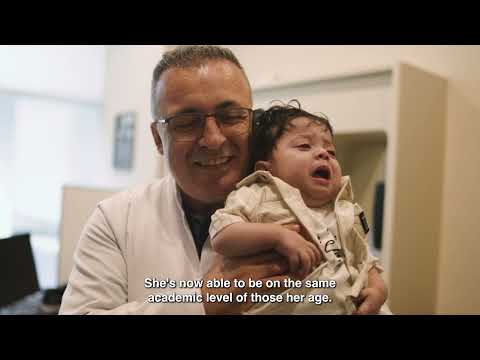



.png)











Share this listing