


Are you tired of struggling with loose, uncomfortable traditional dentures that slip while you speak or eat? The modern solution lies in hybrid prosthesis dental implants. This revolutionary approach to restorative dentistry offers the perfect blend of a fixed permanent smile and the essential soft tissue support your face needs to look youthful.
For patients facing total tooth loss, finding a reliable, long-lasting solution is paramount. In this comprehensive guide, we will explore everything you need to know about implant supported fixed dentures. From the initial planning stages and surgical procedures to material choices and long-term maintenance, discover how advanced dental technology can permanently transform your oral health and restore your confidence.
Video Chapters & Quick Navigation
The Evolution of Dental Implants and Restorative Dentistry
For decades, patients suffering from tooth loss had minimal options. The primary solution was traditional removable dentures. However, the landscape of restorative dentistry has drastically changed. As Dr. Kübra Y?ld?z Domaniç points out [00:13], implant-supported prostheses have become a highly routine procedure in modern dental clinics. Whether addressing the loss of a single tooth, partial edentulism, or complete toothlessness, the application of titanium dental implants provides a foundation that closely mimics natural tooth roots.
The transition from removable appliances to fixed solutions represents a massive leap in patient care. In the past, complete tooth loss meant accepting a life of dietary restrictions and social anxiety. Today, advancements in biomedical engineering have made full mouth dental implant restoration accessible and highly predictable. The integration of biocompatible materials ensures that your body accepts the implant, fusing it securely to the jawbone for a lifetime of structural stability.
This routine integration of technology means that patients no longer have to fear the dentist's chair. Advanced 3D imaging and computer-guided surgery allow for unparalleled precision. By mapping the exact density and volume of the jawbone, dental professionals can design a treatment plan that ensures maximum stability for the final prosthesis. Consequently, patients can enjoy a permanent, functional smile that feels and acts just like natural teeth.
The Hidden Struggles of Traditional Removable Dentures
Despite being a long-standing treatment, conventional dentures come with a host of frustrating drawbacks. One of the most common complaints heard in dental offices is the poor retention and stability of these removable appliances. When patients attempt to eat or speak, traditional dentures often slip or click, leading to immense discomfort and embarrassment. As noted in the video [00:39], the inadequate chewing function provided by these appliances severely impacts a patient's quality of life and overall nutrition.
Beyond functional limitations, removable dentures fail to address the underlying biological issue of progressive bone loss. When natural teeth are extracted, the jawbone no longer receives the necessary stimulation from chewing forces. This lack of stimulation leads to rapid bone resorption, causing the jaw to shrink over time. As the bone deteriorates, the traditional denture loses its fit, requiring frequent and costly realignments or replacements.
Furthermore, this bone loss directly impacts facial aesthetics. A shrinking jawbone results in a collapsed lower face, deepening wrinkles around the mouth, and thinning lips. Many patients notice a prematurely aged appearance due to the lack of adequate structural support. This cosmetic deterioration is a significant factor driving patients toward implant supported fixed dentures, which permanently preserve bone health and maintain crucial facial volume.
What Exactly is a Hybrid Prosthesis?
A hybrid prosthesis is an innovative dental restoration that bridges the gap between a conventional denture and a traditional fixed dental bridge. It is called "hybrid" because it combines two distinct restorative elements: replacement teeth and replacement gum tissue. This dual-action design is particularly crucial for patients who have experienced significant bone and soft tissue loss. By incorporating a pink acrylic or composite base, the hybrid prosthesis seamlessly replaces the lost gums, ensuring a highly natural and aesthetically pleasing appearance.
Unlike traditional dentures that rest on the gums and rely on suction or adhesives, a fixed hybrid implant prosthesis is firmly anchored to titanium posts integrated into the jawbone. This secure attachment means the prosthesis does not move, slip, or rub against the sensitive gum tissue. Patients can enjoy the confidence of knowing their teeth are permanently fixed in place, restoring full biting and chewing capabilities without dietary restriction.
Moreover, the hybrid design offers the ultimate convenience. As highlighted by the specialist [01:02], these prostheses provide the comfort of fixed teeth while perfectly mimicking the soft tissue. This means you do not have to endure the daily hassle of removing your teeth for soaking and cleaning. The hybrid prosthesis becomes a permanent part of your oral anatomy, allowing you to live your life without the constant reminder of dental appliances.
| Feature | Traditional Dentures | Hybrid Prosthesis |
|---|---|---|
| Stability & Retention | Prone to slipping, clicking, and falling out | Permanently fixed to titanium implants |
| Chewing Power | Significantly reduced (approx. 20-30%) | Restores near-natural bite force (up to 95%) |
| Bone Health Impact | Accelerates jawbone loss and deterioration | Preserves and continuously stimulates jawbone |
| Daily Maintenance | Must be removed nightly for soaking | Brushed like natural teeth without removal |
The Crucial Role of Pre-Surgical Treatment Planning
A successful hybrid prosthesis dental implant procedure does not begin in the surgical chair; it begins with meticulous planning. A common misconception among patients is that the primary challenge lies in the surgical placement of the implants. However, the true key to a flawless outcome is the extensive pre-surgical design phase. As explained in the consultation [00:23], predicting the final shape and position of the prosthesis must occur long before the first implant is ever placed.
This backward-planning approach ensures that the titanium implants are inserted into the precise locations needed to accurately support the final restoration. Dentists utilize advanced digital smile design software and 3D cone-beam computed tomography (CBCT) scans to evaluate bone volume, density, and nerve pathways. By creating a high-resolution digital mockup of the final teeth, the surgical team can fabricate a custom surgical guide that dictates the exact trajectory of each implant.
This level of detailed planning completely eliminates guesswork and highly minimizes surgical risks. It guarantees that the implants are placed at the optimal angle and depth to comfortably handle the intense forces of daily chewing. When the restorative dentist and the oral surgeon collaborate closely during this phase, the patient benefits from a smoother surgery, faster recovery times, and a final prosthesis that fits perfectly and looks entirely natural.
The Strategic All-on-4 Dental Implant Approach
For a hybrid prosthesis to function correctly and endure a lifetime of wear, it requires a robust and highly stable foundation. Typically, this means placing a minimum of four implants in each jaw. This methodology is widely recognized as the all on 4 dental implant procedure. As detailed in the expert analysis [01:14], relying on at least four strategically positioned titanium roots ensures that the intense biting forces are evenly distributed across the entire jawbone, safely preventing material fatigue and implant overload.
One of the most remarkable and innovative aspects of this approach is the use of angled implants in the posterior region of the mouth. When patients suffer from severe bone loss in the back of the upper jaw, they often severely lack the necessary bone height for traditional vertical implants. By tilting the third and fourth implants at an angle [01:58], surgeons can securely anchor the posts into denser, anterior bone that naturally resists resorption.
This innovative technique provides a massive advantage: it often wholly eliminates the need for invasive and costly preliminary procedures. Patients can frequently bypass lengthy sinus lift surgeries or complex, painful bone grafting treatments. By maximizing the use of available bone, the all-on-4 concept allows for a faster, more efficient, and often more affordable path to a full mouth restoration without compromising structural integrity. Because of these optimized surgical workflows, accessing affordable hybrid dentures in Turkey has become highly sought after by patients worldwide.
Understanding the Osseointegration and Healing Timeline
Patience is a vital and unavoidable component of the implant journey. After the precise surgical placement of the titanium roots, the body must undergo a biological process known as osseointegration. This is the critical healing phase where the surrounding jawbone cells grow and firmly attach directly to the microscopic surface of the implant. The overall success of the entire hybrid prosthesis relies heavily on a strong, unyielding fusion between the bone and the metal, effectively creating an artificial root system.
Typically, this essential healing period takes an average of three months, as noted during the clinical explanation [01:33]. During this delicate time, it is absolutely imperative that the underlying implants remain undisturbed to actively prevent micro-movements that could easily lead to implant failure. Patients are generally advised to adhere closely to a soft food diet to protect the surgical sites while the jawbone fully solidifies around the threaded posts.
Fortunately, you do not have to suffer through going without teeth during this mandatory waiting period. Dentists provide a temporary, functional, and aesthetically pleasing prosthesis that allows you to eat, speak, and smile comfortably while your body heals. Once the three-month osseointegration window has successfully passed and the implants are deemed completely stable by your doctor, the final, custom-crafted hybrid prosthesis is securely attached, marking the exciting completion of your total smile transformation.
When is a Fixed Hybrid Implant Prosthesis the Best Choice?
While traditional fixed dental bridges are truly excellent for patients with minimal bone loss, they are not always the optimal clinical solution for everyone. A fixed hybrid implant prosthesis becomes the strongly preferred treatment when a patient exhibits significant anatomical challenges. If the vertical distance between the upper and lower jaws has drastically increased due to severe bone resorption, a standard bridge would require abnormally long replacement teeth, resulting in a highly unnatural and disproportionate appearance.
In these complex, challenging cases, the hybrid prosthesis uniquely excels. By cleverly incorporating the pink artificial gum tissue, the dentist can easily restore the lost vertical dimension without creating noticeably elongated teeth. Furthermore, as discussed by the specialist [01:43], when soft tissue support is heavily demanded to correct severe facial concavity and provide essential structural volume, the hybrid design stands out as the absolute only viable restorative option capable of delivering comprehensive aesthetic results.
Additionally, patients who simply cannot safely undergo extensive bone grafting procedures due to systemic health concerns, advanced age, or budget constraints greatly benefit from this streamlined approach. The hybrid prosthesis seamlessly adapts to the patient's existing anatomical reality. It brilliantly compensates for lost tissue externally rather than requiring invasive, painful internal surgical reconstruction. This critical feature makes the treatment incredibly versatile, clinically forgiving, and highly accessible to a much broader demographic of patients suffering from severe dental deterioration.
The Mechanics of Occlusal Screw-Retained Implant Restorations
The specific method by which the final prosthesis is attached to the underlying implants is a critical deciding factor in long-term clinical success. Modern advanced implantology heavily favors the occlusal screw-retained implant restoration method over older techniques. In this highly precise engineering setup, tiny, machined titanium screws pass directly through the chewing surface (the occlusal surface) of the artificial teeth and thread securely into the underlying implants. As highlighted in the detailed technical breakdown [02:06], this fastens the prosthesis in an incredibly secure and unyielding manner.
The outdated alternative to advanced screw retention is cement retention, which utilizes specialized dental glue to hold the teeth in place. However, cement can sometimes accidentally seep deeply beneath the gum line, causing severe localized inflammation and potentially leading to catastrophic implant failure—a detrimental condition known as peri-implantitis. Screw-retained prostheses successfully eliminate this specific biological risk entirely. They reliably offer a much cleaner, significantly more biologically friendly connection between the dental restoration and the delicate oral tissues, ensuring excellent long-term peri-implant health.
The single most significant advantage of investing in a screw-retained hybrid prosthesis is complete retrievability. While the denture is completely fixed and safely unmovable for the patient at home, a trained dentist can easily unscrew and remove it during a routine office visit. This ingenious feature allows for thorough professional cleaning, required maintenance, or simple cosmetic repairs without damaging the prosthesis or jeopardizing the implants. It is a brilliant, patient-focused engineering solution that practically guarantees the lifetime serviceability of your major dental investment.
A Deep Dive into Material Options and Prosthesis Cost
When custom designing a hybrid prosthesis, the final choice of materials plays a massive, undeniable role in both the aesthetic outcome and the overall financial cost. Patients have several distinct material options to carefully choose from, depending heavily on their cosmetic desires and specific budget constraints. The base of the prosthesis almost always features a rigid, unyielding framework made of milled titanium or a specialized medical-grade polymer. This underlying core structure ensures absolute structural integrity against the intense, daily forces of grinding and chewing.
For the visible visual aspect of the teeth and gums, high-grade dental acrylic is a highly popular and incredibly cost-effective choice. As prominently mentioned in the clinical overview [03:46], using acrylic materials helps drastically lower the overall prosthesis cost while smartly allowing for incredibly easy, fast repairs if a tooth accidentally chips. If a patient chronically grinds their teeth (bruxism), acrylic is often the preferred route because it is slightly softer and naturally acts as a vital shock absorber, securely protecting the underlying rigid implants from excessive, damaging stress.
- Acrylic over Titanium: Highly cost-effective, remarkably easy to repair in a single day, and expertly acts as a necessary shock absorber against heavy, repetitive bite forces.
- Porcelain Fused to Metal (PFM): Offers a great, time-tested balance of superior aesthetic appeal and durable structural integrity for worry-free, long-term wear.
- Solid Zirconium: The absolute premium choice providing unmatched natural translucency, superior clinical stain resistance, and immense, fracture-resistant strength.
On the other hand, for patients forcefully demanding the absolute pinnacle of dental aesthetics, porcelain or zirconium hybrid prostheses truly represent the industry gold standard. Zirconium offers unparalleled durability and a breathtakingly beautiful translucent quality that flawlessly mimics natural, healthy tooth enamel. While a zirconium hybrid prosthesis cost is typically higher upfront, the high-end investment reliably yields a remarkably natural, highly stain-resistant, and visually enduring smile that beautifully satisfies even the highest cosmetic expectations.
The Transformative Aesthetic Benefits of Proper Lip Support
The severe clinical impact of extensive tooth loss goes far beyond the simple, frustrating inability to chew; it drastically and negatively alters the entire structural architecture of the human face. The upper lip relies heavily on the underlying teeth and healthy gums for its outward projection and youthful fullness. When bone and soft tissue deeply resorb over time, the lip falls inward, creating a severely sunken, collapsed profile. This tragic loss of vertical dimension also causes the corners of the mouth to continuously droop downward, strongly contributing to a perpetually unhappy, aged expression.
A meticulously designed, custom-fitted hybrid prosthesis actively and visibly reverses these prominent signs of aging. The pink acrylic flange of the prosthesis cleverly acts as an internal architectural scaffold, securely pushing the lip and delicate cheeks outward to their natural, youthful positions. This vital, targeted soft tissue support instantly plumps the face and significantly, noticeably reduces the prominence of perioral wrinkles—the deep, stubborn fine lines that stubbornly form around the mouth over the passing years.
By accurately restoring the correct anatomical proportions of the lower jaw, patients routinely report looking ten to fifteen years younger the exact moment the final prosthesis is seated. The transformative, life-altering power of proper lip support cannot be overstated in modern cosmetic dentistry. It is fundamentally not just about having a bright set of white teeth; it is absolutely about comprehensively restoring the harmony, balance, and glowing vitality of the entire face. This holistic, all-encompassing aesthetic enhancement is widely considered one of the most celebrated and emotional outcomes of finally receiving a fixed hybrid implant prosthesis.
Long-Term Care, Maintenance, and Oral Hygiene
A highly common, yet incredibly dangerous, dental myth is that artificial, fabricated teeth do not require regular brushing. However, maintaining pristine, dedicated oral hygiene is absolutely critical to successfully ensuring the long-term longevity of your hybrid prosthesis and the enduring health of the underlying implants. While the advanced dental materials themselves cannot decay or rot like natural enamel, the sensitive gum tissue directly surrounding the titanium posts is still highly susceptible to severe bacterial infection. Ignoring plaque and hard tartar accumulation can quickly lead to devastating, irreversible bone loss around the implants.
Fortunately, successfully caring for a hybrid prosthesis is remarkably straightforward and closely mimics traditional, easy oral hygiene routines. Patients are strictly instructed to brush their fixed teeth at least twice a day using a soft-bristled toothbrush and a gentle, non-abrasive toothpaste. Because the prosthesis is securely, firmly screwed in place by the dentist, you do not have to endure the daily, frustrating chore of removing it at night. It safely remains a permanent, reliable fixture in your mouth, providing round-the-clock physical comfort and unwavering, powerful function.
In addition to dedicated daily brushing, routinely utilizing water flossers or specialized interdental brushes is highly, strongly recommended to effectively flush out the small, hidden space between the prosthesis and the natural gums. Furthermore, regular, scheduled professional maintenance is completely non-negotiable for long-term success. As heavily emphasized by the dental expert [03:07], patients must rigorously visit their dentist periodically. During these vital visits, the dentist can quickly unscrew the prosthesis, thoroughly and deeply clean the implants, and beautifully polish the restoration to keep it clinically flawless.
Determining If You Are the Ideal Candidate
The deeply personal decision to pursue a full mouth dental implant restoration is entirely life-changing, requiring careful, educated consideration. But how do you ultimately know if you are the right fit for a modern hybrid prosthesis? Generally speaking, the ideal candidates are those individuals who are completely edentulous (meaning they are missing all their teeth in one or both jaws) or those who currently have a severely failing dentition that absolutely requires full extraction. If your natural teeth are severely, irreparably compromised by advanced periodontal disease or rampant, uncontrollable decay, starting fresh with an implant-supported solution is often the safest, most logical path forward.
Additionally, if you currently, regretfully wear traditional removable dentures and find yourself constantly, daily frustrated by their total lack of stability, you are a prime, excellent candidate for this massive upgrade. As noted in the final, encouraging clinical recommendations [04:28], patients who chronically complain of deep discomfort, poor chewing ability, and the bulky, gag-inducing feel of conventional acrylic plates experience an immense, immediate upgrade in their daily quality of life. The sleek, fixed nature of the hybrid appliance entirely eliminates the plastic bulkiness covering the roof of the mouth, magnificently enhancing both taste and delicate temperature sensation.
Age is practically rarely a limiting factor in modern, advanced implantology; what ultimately matters most is the patient's general systemic health, adequate bone density, and their strict willingness to fully commit to proper oral hygiene protocols. If you are actively, eagerly seeking a permanent, beautiful, and highly functional solution to severe dental deterioration, promptly consulting with a qualified, experienced implantologist about a fixed hybrid implant prosthesis is your absolute best first step toward permanently reclaiming your radiant smile and your unshakeable, vibrant confidence.
Ready to Restore Your Smile with Hybrid Implants?
PlacidWay Medical Tourism connects you with top-rated dental clinics worldwide, offering world-class fixed hybrid implant prostheses at unbeatable prices. Let us handle the details while you focus on achieving the flawless smile you deserve.
GET A FREE QUOTE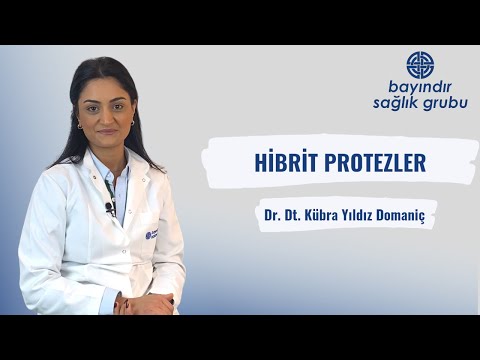

.png)














Share this listing