


Men struggling with uneven facial hair are increasingly turning to a highly effective solution: the beard transplant procedure in Turkey. This medical advancement offers a permanent fix for those frustrated by genetics, scarring, or natural thinning. Medical tourism has positioned specific regions as global leaders in this aesthetic field. Patients globally are traveling to access premium care at specialized clinics.
Choosing to undergo FUE beard hair restoration requires understanding the intricate details of the surgery. From evaluating your donor area to planning the exact angles of the grafts, every step matters for a natural appearance. We will break down the methodology, analyze visual evidence of successful operations, and outline the necessary steps for optimal graft survival. You will learn exactly what to expect from the initial consultation through the final stages of maturation.
Video Chapters
- Analyzing the Beard Implant Before and After Results
- Understanding FUE Beard Hair Restoration Techniques
- Step-by-Step Permanent Beard Growth Surgery
- Evaluating the Cost of Beard Transplant in Turkey
- Navigating Facial Hair Transplant Recovery Time
- Patchy Beard Treatment Options and Alternatives
- Finding the Best Clinic for Beard Transplant Success
- Long-Term Maintenance and Graft Care
Analyzing the Beard Implant Before and After Results
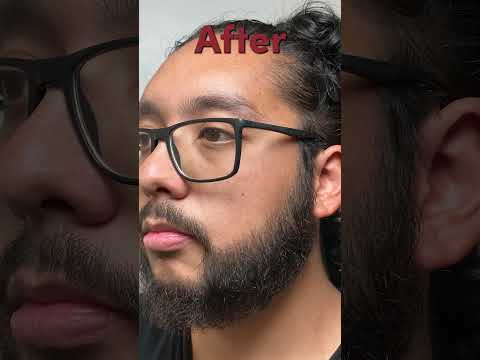
Visual documentation provides the most compelling evidence of surgical efficacy in facial hair restoration. Observing the dramatic shift in density helps prospective patients set realistic expectations for their own procedures. At [00:04], the patient exhibits a classic case requiring intervention. The initial state reveals a disconnected goatee, extremely sparse cheek growth, and significant bare patches along the jawline.
This uneven distribution is a primary driver for men seeking patchy beard treatment options. The lack of connection between the mustache and the chin area creates an unkempt appearance that cannot be resolved through grooming products alone. By the time we observe the transformation at [00:06], the structural changes are undeniable. The patient now features a dense, fully connected beard that completely covers the previously bare cheeks.
A critical marker of a successful transplant is the ability to groom and interact with the new hair naturally. At [00:08], a fine-toothed comb is passed through the newly grown facial hair. The follicles hold firmly, demonstrating proper root integration and robust density without showing any underlying scalp or scar tissue. We see further confirmation of this density from different angles at [00:13] and [00:18].
Understanding FUE Beard Hair Restoration Techniques
Follicular Unit Extraction (FUE) stands as the gold standard for permanent beard growth surgery. Unlike older methods that left linear scars, FUE involves extracting individual hair follicles directly from the donor area. This donor area is typically located at the back of the scalp where hair is genetically resistant to shedding. Surgeons use micro-punches ranging from 0.7mm to 0.8mm to ensure minimal tissue trauma.
The harvested grafts are then meticulously preserved in a specialized solution to maintain vitality outside the body. Precision during the implantation phase is what determines the natural look of the final result. The surgeon must match the natural angle and direction of facial hair growth, which lays much flatter against the skin compared to scalp hair.
Single-hair grafts are exclusively used around the borders of the cheeks and mustache to create a soft, natural transition line. Two-hair or three-hair grafts are reserved for the central cheek and chin areas where maximum density is required. This strategic placement ensures the newly implanted hair mimics biological growth patterns seamlessly.
Step-by-Step Permanent Beard Growth Surgery
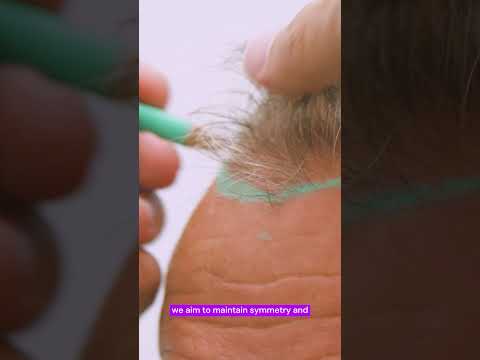
Preparation for the procedure begins weeks before entering the operating room. Patients must cease the consumption of blood-thinning medications, alcohol, and certain supplements to minimize bleeding. The surgery day commences with a detailed consultation where the surgeon physically draws the new beard design onto the patient's face. This design phase respects the patient's facial symmetry and underlying bone structure.
Once the design is approved, local anesthesia is administered to both the donor region and the face. Tumescent fluid is often injected to separate the skin from underlying tissues, providing a safer surface for extraction and implantation. The entire process requires immense focus and can take anywhere from six to eight hours, depending on the graft count.
Understanding the specific stages of the operation helps alleviate patient anxiety. Clinics prioritizing safety strictly adhere to these structured phases:
- Graft Extraction: Utilizing motorized or manual micro-punches to individually harvest healthy follicles without over-harvesting the donor site.
- Incision Creation: Making microscopic slits in the recipient facial area using sapphire blades to control the depth and angle.
- Implantation Phase: Carefully inserting the harvested follicles into the pre-made slits using specialized forceps or Choi implanter pens.
- Post-Operative Bandaging: Applying protective dressings to the donor area while leaving the recipient area open to heal.
Evaluating the Cost of Beard Transplant in Turkey
The financial aspect of hair restoration often dictates where a patient chooses to undergo surgery. The cost of a beard transplant in Turkey is remarkably lower than in North America or Western Europe, without compromising medical standards. This price discrepancy is primarily due to lower operational costs, favorable exchange rates, and government subsidies for medical tourism.
Many Turkish clinics offer comprehensive packages that include VIP airport transfers, hotel accommodations, and post-operative medications. These all-inclusive models provide transparency, preventing unexpected expenses from surprising the patient. Patients receive premium medical care at a fraction of the domestic price.
To illustrate the financial advantage, review the comparative pricing structure below. The figures represent average estimates for a standard 2,500-graft procedure across different global markets.
| Region / Country | Average Procedure Cost (USD) | Inclusions |
|---|---|---|
| United States | $8,000 - $15,000 | Surgery only |
| United Kingdom | $7,000 - $12,000 | Surgery only |
| Turkey | $1,800 - $3,500 | Hotel, Transfers, Meds, Surgery |
| Mexico | $3,500 - $6,000 | Surgery, limited transfers |
Navigating the Facial Hair Transplant Recovery Time
Understanding the facial hair transplant recovery time is crucial for scheduling time off work and managing social commitments. The initial 72 hours post-surgery require strict adherence to medical guidelines. Patients must sleep on their backs with their heads elevated to reduce facial swelling and prevent dislodging the fragile new grafts.
Crusting and scabbing around the implanted follicles will form within the first few days. Clinics provide specialized lotions and shampoos to gently soften these scabs without forcefully removing them. By day ten, the majority of the scabbing should naturally flake off, leaving a clean appearance with short, stubble-like hair.
Between weeks three and six, patients experience "shock loss," where the transplanted hair shafts shed. This shedding phase is entirely normal and marks the transition of the follicle into a resting state. Permanent, sustained growth begins around the third or fourth month, gradually thickening until the final result is visible at the twelve-month mark.
Patchy Beard Treatment Options and Alternatives
Not every patient requires a surgical approach immediately. Assessing all patchy beard treatment options ensures you choose the most appropriate intervention for your specific condition. Topical solutions containing Minoxidil can stimulate blood flow to miniaturized follicles, potentially enhancing density in mildly sparse areas.
Microneedling combined with natural oils, such as peppermint or rosemary oil, has shown varying degrees of success in promoting superficial growth. However, these conservative treatments demand continuous, lifelong application to maintain results. Discontinuing the topical treatments usually leads to a rapid reversal of any gained density.
For cases involving facial scarring, alopecia barbae, or genetic lack of hair follicles, topical treatments are largely ineffective. In these scenarios, transferring healthy follicles via FUE remains the only clinically proven method to establish permanent, dense coverage. Surgery bypasses the limitations of dormant follicles by introducing thriving ones directly into the target zones.
Finding the Best Clinic for Beard Transplant Success
The surge in medical tourism has led to an overwhelming number of facilities offering cosmetic procedures. Selecting the best clinic for a beard transplant requires rigorous research and verification of credentials. Prospective patients must look past marketing materials and demand to see verifiable qualifications from the operating physician.
Ensure the clinic is accredited by reputable international organizations, such as the Joint Commission International (JCI). The lead surgeon should hold membership with the International Society of Hair Restoration Surgery (ISHRS). These affiliations guarantee that the facility adheres to stringent hygiene, safety, and ethical protocols during operations.
Requesting comprehensive portfolio evidence is a mandatory step during the vetting process. Ask the clinic for extensive video documentation rather than relying solely on static images. High-definition footage showcasing patients combing through their results proves the authenticity of the density and the success of the graft survival rate.
Long-Term Maintenance and Graft Care
Once the maturation phase completes, the transplanted follicles behave exactly like natural facial hair. They can be trimmed, shaved, styled, and dyed without fear of damaging the root structure. The durability of the FUE beard hair restoration is lifelong, as the donor hair retains its genetic resistance to thinning.
Proper skin care enhances the overall aesthetic of the new beard. Applying high-quality beard oils prevents the hair from becoming brittle and moisturizes the underlying skin, preventing flakiness. Regular exfoliation keeps the pores clear, mitigating the risk of ingrown hairs as the dense new follicles push through the dermis.
Patients should invest in professional grooming tools, including sharp trimming scissors and boar bristle brushes. Establishing a consistent grooming routine trains the hair to lay flat against the face, maximizing the visual impact of the procedure. The psychological benefits of this physical transformation often translate into heightened self-esteem and improved social confidence.
Ready for a Permanent Beard Transformation?
Take the first step toward achieving the dense, connected facial hair you desire. Connect with top-rated specialists and receive a comprehensive evaluation and cost estimate for your procedure.
Get Free QuoteView Video Transcript Details
[00:00] - Visual demonstration begins showing a patient's dense, fully matured facial hair.
[00:02] - A pink grooming comb is firmly pulled through the thick beard, illustrating robust graft strength and natural hair direction.
[00:04] - The screen displays the "Before" profile. The patient has a disconnected goatee, sparse mustache, and completely bare cheeks with high sideburns.
[00:06] - The screen transitions to the "After" profile. The patient now exhibits a perfectly lined, dense beard covering the entirety of the previously bare jaw and cheek zones.
[00:08] - Close-up footage resumes of the comb running through the newly transplanted hair, confirming the absence of underlying scarring.
[00:13] - Another "Before" and "After" comparison is shown from the opposite side profile, highlighting the dramatic increase in follicle density.
[00:18] - A final front-facing comparison highlights the symmetrical restoration of the patient's facial hair structure, completing the visual evidence.
















Share this listing