

If you are experiencing hair thinning and considering surgical restoration abroad, navigating your options can feel complicated. Many international patients look toward Turkish clinics for their procedures, balancing the desire for natural-looking results with out-of-pocket expenses. To make a safe and informed decision, you need to understand the true costs involved and know exactly how to verify critical credentials, such as Turkish Ministry of Health clinic licenses and International Society of Hair Restoration Surgery memberships. This guide breaks down everything you should evaluate before booking your procedure, ensuring you prioritize clinical safety and realistic outcomes over marketing promises.
Quick Summary of Hair Restoration in Turkey
- Estimated Procedure Cost: Typically ranges from $1,800 to $4,500 USD, depending on the clinic and number of grafts required.
- Safety and Regulation: The Turkish Ministry of Health strictly regulates surgical facilities, requiring specific operating theater licenses for invasive procedures.
- Ideal Candidate: Healthy adults with stabilized hair loss patterns and adequate donor hair density at the back or sides of the scalp.
- Initial Recovery Time: Expect 7 to 14 days of downtime for the initial healing of incisions and crusting.
- Main Reason for Travel: Patients often seek high-quality surgical care and comprehensive treatment packages at significantly lower costs compared to North America or Western Europe.
- Important Caution: Always verify that your primary surgeon is fully registered with the Turkish Medical Association and ask about their specific complication management protocols.
Understanding Why Patients Travel to Istanbul Turkey for Hair Restoration
Every year, thousands of men and women explore cross-border healthcare options to address their hair loss. Turkish clinics have built a substantial global reputation in the field of surgical hair restoration. The primary appeal lies in the intersection of specialized surgical experience and overall affordability. Because local operating costs and living expenses are lower in this region, medical facilities can offer comprehensive surgical care at a lower price point than many Western countries.
However, affordability is only one part of the decision-making process. Patients must also prioritize clinical safety and surgeon expertise. While many reputable clinics operate in the city, the rapid growth of medical tourism means that quality can vary between facilities. Thorough research is essential to ensure you select a provider who adheres to strict medical standards and puts patient safety first.
Primary Reasons for Seeking Treatment Abroad
- Access to specialized surgeons performing hundreds of restoration cases annually.
- Availability of advanced FUE extraction methods and microscopic graft evaluation.
- Comprehensive care packages that typically include local transfers and hotel accommodations.
- Significantly lower out-of-pocket costs compared to domestic healthcare markets.
- Geographic accessibility for patients traveling from Europe, the Middle East, and North America.
Biological Fundamentals of Hair Loss and Grafting
To understand how surgical restoration works, you must first understand the biological nature of hair growth. Most patterned hair loss is caused by androgenetic alopecia, a genetic condition involving the hormone dihydrotestosterone. This hormone binds to susceptible hair follicles, causing them to shrink over time until they stop producing visible hair. Interestingly, follicles located at the very back and sides of the head are typically genetically resistant to this hormone.
Surgical restoration relies on this concept of donor dominance. When a surgeon extracts these resistant follicles and relocates them to thinning areas, they retain their genetic resistance. Once successfully integrated into the recipient scalp tissue, these transplanted follicles continue to grow normally. The success of the procedure depends entirely on carefully preserving the biological integrity of the follicle during the brief period it is outside your body.
Clinical Tip: Hair does not grow in single strands. It grows in tiny clusters called follicular units, which contain one to four hairs, sebaceous glands, and a tiny muscle. Surgeons must extract and transplant these complete units intact to ensure healthy growth.
Determining Your Suitability for Hair Transplant Surgery
Not everyone experiencing hair thinning is an ideal candidate for surgical intervention. A responsible medical provider will carefully evaluate your scalp health, age, and medical history before recommending surgery. One of the most critical factors is the stability of your current hair loss. If you are very young and losing hair rapidly, surgery may be premature, as you could continue to lose native hair behind the transplanted area.
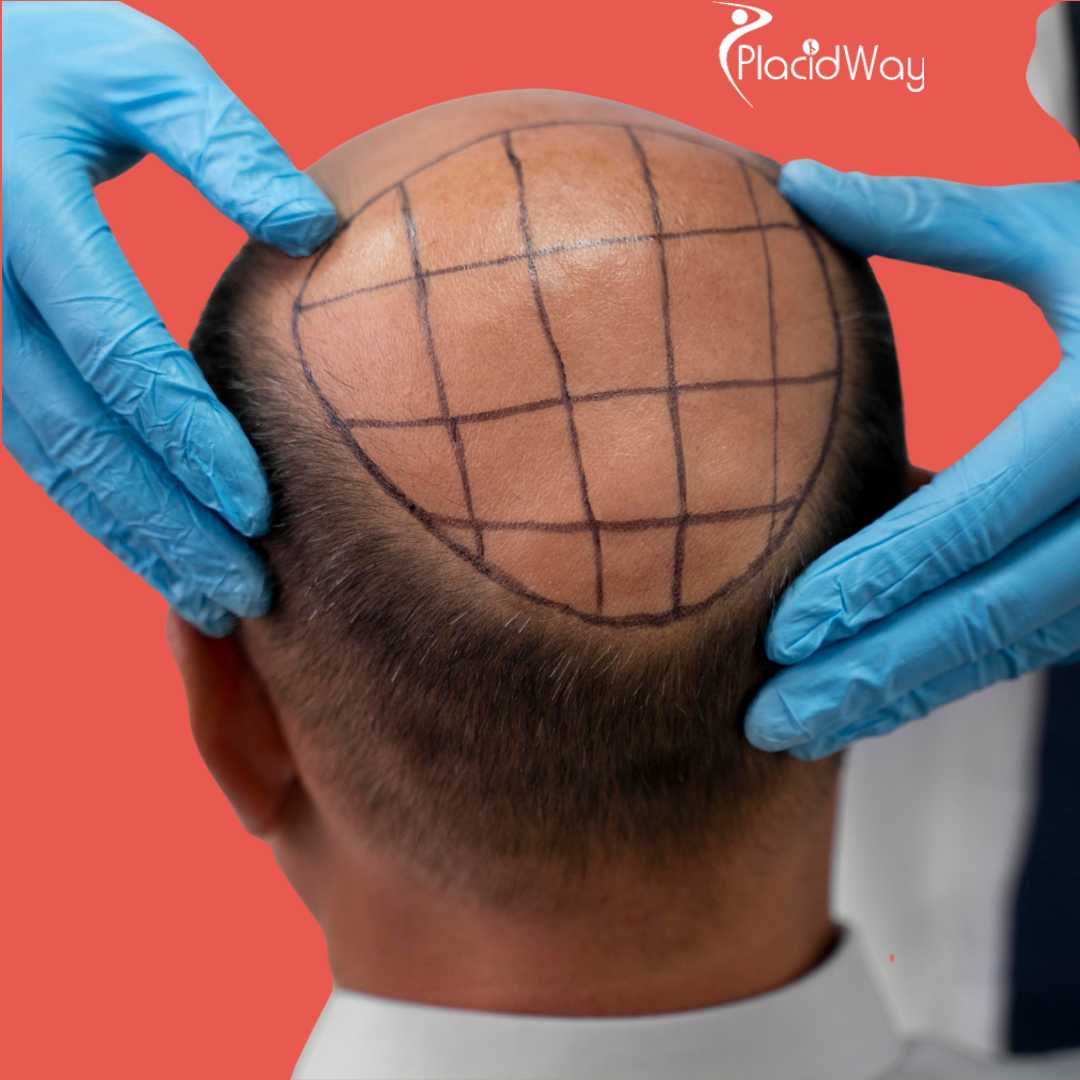
Your surgeon will also assess your donor area capacity. You must have a sufficient density of healthy hair at the back of your scalp to harvest from. If the donor area is too thin, attempting a transplant could leave the back of your head looking patchy while failing to provide adequate coverage for the top. Realistic expectations are crucial; surgery redistributes existing hair rather than creating new hair.
Patient Eligibility Checklist
- Are you generally in good health with no uncontrolled bleeding disorders?
- Has your pattern of hair loss stabilized over the past twelve months?
- Do you have adequate density in the donor zones at the back and sides of your head?
- Are your expectations realistic regarding the final density achievable?
- Are you prepared to follow strict postoperative care and avoid strenuous activity?
Primary Hair Transplant Techniques Available in Istanbul
When you consult with clinics in this region, you will primarily encounter two established surgical techniques. These methods differ strictly in how the donor hair is extracted from the back of the scalp. Once the hair is harvested, the process of implanting it into the thinning areas is largely the same. Understanding these extraction methods will help you discuss the best approach with your chosen surgeon.
The two widely recognized methods are Follicular Unit Extraction and Follicular Unit Transplantation. The choice between these two approaches depends on your specific scalp anatomy, the number of grafts required, and how you prefer to wear your hair post-surgery. Your medical team should evaluate your scalp elasticity and donor density before recommending a specific extraction technique.
Medical Warning: Be highly cautious of clinics that push one specific technique before physically examining your scalp. A qualified surgeon should offer a customized surgical plan based on your unique physiological needs, rather than a one-size-fits-all approach.
Comparing FUE and FUT Hair Transplant Methods
Follicular Unit Extraction is currently the most common technique performed globally. During this procedure, the surgeon uses a micro-punch tool to isolate and extract individual follicular units one by one directly from the scalp. This method leaves tiny dot-like scars that are easily concealed by short hair. Because the units are extracted individually, the process is meticulous and time-consuming, but it avoids a linear incision.
Follicular Unit Transplantation, often called the strip method, involves removing a thin strip of tissue from the back of the scalp. The gap is then sutured closed. Surgical technicians carefully dissect this tissue strip under high-powered microscopes to separate the individual follicular units. This method typically yields a high number of high-quality grafts in a shorter extraction time, but it leaves a linear scar that may be visible if you shave your head completely.
| Feature | Follicular Unit Extraction | Follicular Unit Transplantation |
|---|---|---|
| Extraction Method | Individual micro-punches | Single strip of scalp tissue |
| Scarring Type | Scattered pinpoint scars | Linear scar at the back of the head |
| Best Suited For | Patients who wear short hair | Patients needing maximum graft yield |
| Surgery Duration | Generally longer extraction time | Faster extraction, intensive lab dissection |
| Post-Op Discomfort | Typically mild, faster healing | May involve tightness near the suture line |
Global Patient Demographics Traveling to Turkey
The landscape of cross-border healthcare is constantly evolving. Based on data spanning 2024 to 2026, the demographics of patients traveling to the region for hair restoration highlight a broad international appeal. While traditionally male-dominated, recent statistics show an increasing number of female patients seeking surgical correction for traction alopecia and female pattern thinning. The age distribution remains heavily concentrated in the mid-twenties to late-forties range.
Understanding these demographics helps illustrate the vast experience local medical teams accumulate. Surgeons in the region routinely treat diverse hair types, including straight, wavy, and tightly coiled hair. This extensive exposure allows medical teams to refine their extraction techniques and anesthesia protocols to suit different physiological profiles and pain tolerances.
2024 Hair Restoration Patient Age Demographics in Turkey
*Based on 2024 cross-border patient volume reports. Excludes reconstructive non-elective cases.
The influx of international patients has prompted significant infrastructure improvements across the healthcare sector. Many facilities now employ dedicated multilingual coordinators and prioritize international medical protocols to cater specifically to this demographic. Projected trends for 2025 and 2026 indicate a sustained interest, driven largely by patient referrals and documented clinical outcomes rather than aggressive marketing campaigns.
Projected Inbound Medical Tourist Volume for Hair Restoration (2024-2026)
*Reflects total estimated inbound patient volume across all registered clinics based on recent national healthcare travel projections.
The Complete Patient Journey and Treatment Timeline
Traveling for a medical procedure requires careful logistical planning. A standard restoration trip typically spans three to four days. Upon arrival, most comprehensive care programs begin with an airport transfer to your accommodation. The following day is heavily focused on medical consultations, baseline blood tests, and the surgical procedure itself. You will meet with the primary physician to map out the hairline and finalize the surgical plan.
The surgery generally takes six to eight hours under local anesthesia. Afterward, you will return to your hotel with specific post-operative instructions and protective bandages. The day following the surgery usually involves a brief rest period. On your final day, the clinic will typically perform the first medical wash, inspect the grafts, and clear you for air travel back home.
Day 1: Arrival and Preparation
Airport pickup, hotel check-in, and pre-operative resting period.
Day 2: Consultation and Surgery
Blood tests, hairline design, anesthesia administration, extraction, and implantation.
Day 3: Recovery and Rest
Remaining at the hotel to minimize swelling and protect the newly placed grafts.
Day 4: Follow-up and Departure
First clinical hair wash, final medical assessment, and flight home.
Verifying Surgeon Credentials and Expertise in Turkey
Your safety and surgical outcome depend heavily on the qualifications of your medical team. You must actively verify that a licensed physician is performing or closely supervising the critical stages of your procedure. In this region, all practicing physicians must be registered with the Turkish Medical Association (Türk Tabipleri Birli?i - TTB). This registration is a non-negotiable baseline for medical legitimacy.
Beyond basic licensing, look for specialized training in aesthetic and reconstructive surgery. Membership in the International Society of Hair Restoration Surgery (ISHRS) is a strong indicator of a doctor’s commitment to ethical practices and continuous education. Do not hesitate to ask a clinic for the direct name and registration number of the operating physician before you pay any deposits.
Surgeon Vetting Checklist
- Confirm active registration with the Turkish Medical Association (TTB).
- Verify board certification in Plastic, Reconstructive, and Aesthetic Surgery or Dermatology.
- Check for associate or full membership with the ISHRS.
- Ask specifically which steps of the procedure the doctor performs versus the technicians.
- Request before-and-after photos of patients with similar hair characteristics to yours.
Selecting an Accredited Hospital or Clinic Facility
The physical environment where your procedure takes place is just as important as the surgeon's skills. In this country, medical facilities performing invasive aesthetic procedures must hold specific licenses issued by the Turkish Ministry of Health. These licenses ensure the facility meets national standards for sterilization, emergency protocols, and equipment maintenance.
While a national license is mandatory, some facilities go further by achieving international recognition. Joint Commission International (JCI) accreditation is a prestigious marker of hospital quality, though it is more common in large, multi-specialty hospitals than small boutique clinics. A clean, well-equipped clinic with national licensing can operate perfectly safely without international accreditation, but evaluating these credentials helps you gauge the facility’s commitment to quality.
Key Takeaway: Never compromise on the facility environment. Ensure the clinic has dedicated operating rooms, rigorous sterilization protocols (autoclaves), and access to emergency medical equipment in the rare event of an adverse reaction to local anesthesia.
Understanding Medical Risks and Complication Management
Although surgical hair restoration is generally considered safe, it remains a medical procedure with inherent risks. Like any surgical intervention, there is a risk of infection, excessive bleeding, or adverse reactions to local anesthetics. Post-operative swelling around the forehead and eyes is extremely common and typically peaks around the third day after surgery.
A more specific risk to this procedure is poor graft survival. If the extracted follicles are mishandled, kept outside the body too long, or implanted improperly, they may fail to grow. Additionally, extracting too many grafts from the donor area can lead to permanent over-harvesting, leaving the back of your head looking unnaturally thin. Understanding these risks helps you ask the right questions about the clinic's complication protocols.
| Potential Complication | Clinical Cause | Prevention Strategy |
|---|---|---|
| Surgical Infection | Bacterial exposure during or after surgery | Strict clinical sterility; prophylactic antibiotics |
| Donor Over-harvesting | Extracting too many follicular units | Conservative extraction planning by the surgeon |
| Poor Graft Yield | Dehydration or trauma to the grafts | Efficient surgical teamwork; proper hydration solutions |
| Shock Loss (Telogen Effluvium) | Surgical trauma to surrounding native hair | Usually temporary; medical therapy may mitigate severity |
Expected Recovery Process and Aftercare Protocol
Your behavior during the first two weeks following surgery will significantly impact your final results. The newly implanted grafts are delicate and require time to anchor securely into the scalp tissue. You must avoid touching, scratching, or rubbing the recipient area. Clinics typically provide a specialized hat, a neck pillow to prevent turning in your sleep, and detailed washing instructions using mild, non-chemical shampoos.
You may experience temporary shedding of the transplanted hairs between weeks two and six. This phenomenon, known as shock loss, is a normal biological response to surgical trauma. The follicle remains healthy beneath the skin, and new hair shafts will typically begin to emerge around the third or fourth month. Full maturity of the results can take up to twelve to fifteen months.
| Timeframe | Biological Process | Patient Sensation | Action Required |
|---|---|---|---|
| Days 1-3 | Grafts anchoring; fluid drainage | Tightness, mild pain, forehead swelling | Sleep elevated; avoid physical exertion |
| Days 4-10 | Scab formation and healing | Itching in the donor area | Gentle clinical washing; do not scratch |
| Weeks 2-6 | Shedding of transplanted hair shafts | Appearance returns to pre-surgery look | Continue normal routine; remain patient |
| Months 3-6 | New hair generation phase | Fine, thin hairs begin to sprout | Attend virtual follow-ups with your clinic |
Analyzing the Cost of Hair Transplant in Istanbul Turkey
When assessing treatment costs, it is important to understand that clinics structure their pricing differently. Some facilities charge a flat rate for the entire procedure regardless of the graft count, which is highly popular for international packages. Others charge a specific price per graft extracted and implanted. Generally, a comprehensive package in this region ranges between $1,800 and $4,500 USD.
This pricing typically reflects an all-inclusive model. In addition to the medical procedure, these packages frequently cover VIP airport transfers, two to three nights in a four-star or five-star hotel, pre-operative blood panels, and post-operative medications. To make a fair assessment, you must compare these bundled costs against the isolated surgical fees charged in your home country.
| Country | Estimated Cost (USD) | Typical Package Inclusions |
|---|---|---|
| Istanbul, Turkey | $1,800 - $4,500 | Surgery, hotel, local transfers, post-op care |
| United States | $6,000 - $15,000 | Surgery only |
| United Kingdom | $5,000 - $12,000 | Surgery only |
| Canada | $7,000 - $14,000 | Surgery only |
Important Hidden Costs to Watch Out For When Traveling
While treatment packages are robust, they rarely cover every expense associated with cross-border healthcare. Your international airfare is almost always an out-of-pocket expense that fluctuates based on the season and your departure location. Furthermore, standard tourist e-visas require a separate fee paid to the government immigration portal prior to arrival.
Medical packages often include basic post-operative medications like antibiotics and painkillers, but specialized hair growth serums, long-term medical therapies, or specialty shampoos may be sold separately. You should also budget for daily meals outside of the complimentary hotel breakfast, as well as travel insurance that explicitly covers medical complications abroad.
- Round-trip international flights.
- Tourist e-visa application fees.
- Lunches, dinners, and incidental hotel charges.
- Medical tourism insurance policies.
- Extended supplies of specialized hair care products.
Turkish Healthcare Regulations and Medical Tourism Quality
The local healthcare system is highly structured to manage the massive influx of international patients. The Ministry of Health oversees a dedicated branch known as USHA? (International Health Services), which is designed to promote, regulate, and monitor health tourism activities. Clinics must obtain an International Health Tourism Authorization Certificate to legally treat foreign patients.
This regulatory framework means that the state actively monitors clinic compliance, patient rights, and hygiene standards. Facilities failing to meet these strict criteria face heavy fines or closure. For you as a patient, this government oversight provides an additional layer of security, knowing that your chosen facility operates within a formalized, monitored healthcare ecosystem.
Clinical Tip: Always ask a prospective clinic for their "International Health Tourism Authorization Certificate" number. Legitimate providers will provide this document readily, confirming they are legally permitted by the state to treat international visitors.
Practical Travel and Visa Considerations for Medical Tourists
Preparing for your trip involves straightforward but necessary administrative steps. Citizens of many countries, including the United States, Canada, and the United Kingdom, can easily apply for an electronic visa online prior to departure. The city is served by major international hubs, making flights highly accessible from most global destinations.
When planning your itinerary, consider whether you want to extend your trip for tourism. Because the post-operative period requires strict rest, avoiding sun exposure, and refraining from physical exertion, any sightseeing must be done before the surgical day. Planning your schedule correctly ensures a stress-free experience that prioritizes your physical healing.
Sightseeing Before Surgery
Allows you to enjoy the city normally, wear hats as you please, and walk extensively without putting grafts at risk or worrying about swelling.
Extending Stay After Surgery
Provides extra time for clinical follow-ups and immediate rest, but physical activities and sun exposure will be strictly limited.
Frequently Asked Questions About Hair Transplants
Is a hair transplant a permanent solution to hair loss?
The transplanted hair follicles are typically genetically resistant to the hormones that cause patterned baldness. While these specific grafts usually continue growing for a lifetime, you may still lose your native, untreated hair surrounding the transplanted area. Your doctor may recommend ongoing medical therapies to preserve your natural hair.
Does the hair restoration procedure hurt?
The actual extraction and implantation phases are generally painless because the scalp is thoroughly numbed with local anesthesia. The most uncomfortable part of the procedure is typically the administration of these initial numbing injections. Mild post-operative soreness is common but easily managed with standard pain medication.
When will I see the final results of my surgery?
Patience is critical for this procedure. After the initial shedding phase, new growth typically begins around months three or four. By month six, you may see about fifty percent of the expected density. The final, fully matured aesthetic result generally takes twelve to fifteen months to manifest completely.
How many grafts will I need for full coverage?
The exact number depends heavily on your degree of hair loss, hair thickness, and donor area capacity. Mild receding hairlines may require 1,500 to 2,000 grafts, while advanced thinning could require 3,500 to 4,500 grafts. A thorough clinical assessment is the only way to determine your precise requirement.
Can I wear a hat after my procedure?
Your clinic will typically provide a loose-fitting, specialized hat for your journey home. However, you must avoid tight-fitting baseball caps, beanies, or helmets for at least two to three weeks, as friction or compression can easily dislodge the newly implanted grafts before they are fully secure.
Why is the FUE technique so popular globally?
The FUE technique is highly preferred because it extracts follicles individually, avoiding the long linear scar associated with the strip method. This allows patients to wear their hair very short at the back without visible scarring, and it generally results in a more comfortable and faster initial recovery phase.
Is it safe to travel on an airplane immediately after surgery?
Most patients are cleared to fly one to two days after the procedure. Cabin pressure does not harm the grafts, but you must be incredibly careful not to bump your head on overhead bins or plane doors. Staying hydrated and avoiding heavy lifting with your luggage is strictly advised.
What happens if I experience complications while abroad?
Reputable, medically licensed clinics maintain 24/7 on-call staff and rigorous emergency protocols. If a complication arises during your stay, the clinic’s medical team will address it directly. Some providers also offer specialized medical complication insurance tailored for cross-border healthcare travelers.
Will the transplanted hair look natural?
When performed by an experienced and board-certified surgeon, the results can be virtually undetectable. Natural aesthetics rely heavily on the surgeon’s ability to design an age-appropriate hairline, angle the incisions correctly, and place single-hair follicular units at the very front for a soft, natural transition.
Can women receive hair restoration surgery in Turkey?
Yes, surgical restoration is increasingly common for female patients experiencing traction alopecia, thinning edges, or specific patterns of diffuse loss. Female cases often require highly specialized approaches to avoid shaving the entire head, and candidates must undergo thorough blood panels to rule out hormonal or thyroid issues before surgery.
Ready to Plan Your Treatment Journey?
PlacidWay can help you confidently navigate your options, compare vetted providers, and receive clear, itemized quotes for your procedure in Turkey.
Request Information NowDisclaimer: This information is for educational purposes only and does not replace professional medical advice. Always consult a qualified healthcare provider before making medical decisions.
References
- Surgical Treatments for Hair Loss – International Society of Hair Restoration Surgery (ISHRS)
- Health Tourism and Regulatory Framework – USHA? (Turkish Ministry of Health)
- Follicular Unit Extraction (FUE) Hair Transplant Evaluation – National Library of Medicine (PubMed)
- Medical Practice and Physician Registration – Turkish Medical Association (TTB)
- Travel Health Guidelines for Turkey – Centers for Disease Control and Prevention (CDC)
- Risks and Complications in Hair Restoration – International Society of Hair Restoration Surgery (ISHRS)





















Share this listing