


Undergoing a hair transplant procedure in Turkey has become a globally recognized approach for tackling severe hair loss and androgenetic alopecia. However, the sheer technical execution of moving follicles from one area to another is only a fraction of the surgical equation. The true artistry of hair restoration lies entirely in the aesthetic planning of the frontal hairline. As the fundamental frame of the upper face, the hairline dictates how the world perceives your age, facial symmetry, and overall appearance.
Surgical precision requires a deep understanding of facial anatomy and long-term aging processes. Patients frequently request highly aggressive, perfectly straight borders, attempting to recreate the hairlines of their teenage years. Such requests often fail to account for the continuous nature of hair loss progression over the decades. By prioritizing advanced donor hair conservation techniques and age-appropriate hairline restoration principles, surgeons can create sustainable results that seamlessly adapt to facial maturation over time.
Video Chapters & Quick Navigation
- Why Natural Hairline Design is Crucial
- Age-Appropriate Hairline Restoration
- Hair Loss Progression and Donor Planning
- Hidden Risks of a Super Low Hairline
- Barber Edge-Up vs Natural Transplant
- Facial Symmetry and Undetectable Restoration
- Evaluating Donor Area Capacity
- Advanced Surgical Approaches for Aging
Why a Natural Hairline Design is Crucial for Your Hair Transplant Procedure in Turkey
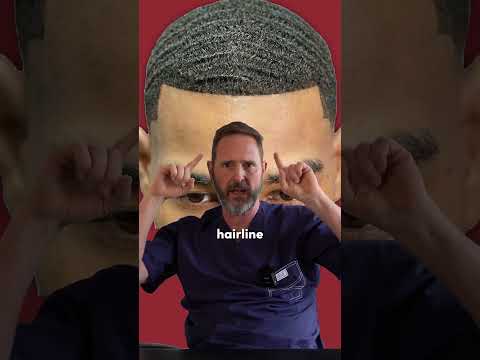
The frontal third of the scalp serves as the primary visual anchor for human facial recognition. As stated by experts in the field, the hairline is front and center; it represents your entire facial aesthetic profile [00:00]. A poorly designed frontal boundary immediately signals artificial intervention, completely undermining the purpose of cosmetic surgery.
Surgeons must meticulously replicate nature's inherent imperfections to achieve an undetectable outcome. Natural human hairlines are never entirely linear; they feature micro-irregularities, subtle zigzag patterns, and varying densities. The transitional zone must begin with isolated, single-hair follicular units that gradually increase in density as they move posterior toward the mid-scalp.
The Macro and Micro Elements of Hair Restoration
Designing a flawless frontal boundary requires mastering both macro and micro irregularities during the surgical planning phase. Macro irregularities define the overall shape, including the widow's peak and temporal recessions, matching the structural framework of the patient's skull. Micro irregularities refer to the precise, staggered placement of individual hair grafts along the very front edge.
Failure to respect these dual concepts results in the dreaded "pluggy" or "doll-hair" appearance. High-tier clinics specializing in the hair transplant procedure in Turkey dedicate immense surgical time specifically to crafting this transitional zone. By planting solely single-follicle grafts at varying angles in the anterior border, surgeons effectively mimic genuine biological hair growth patterns.
Age-Appropriate Hairline Restoration Techniques for Lasting Results
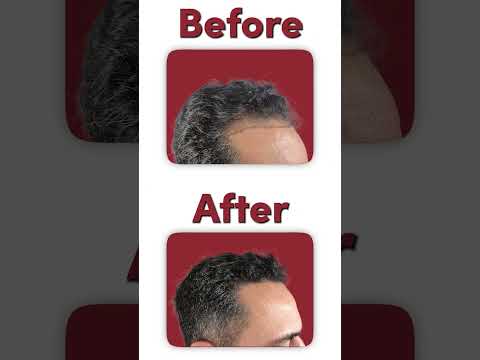
One of the most complex challenges in hair restoration is treating young patients in their twenties who are desperate to reverse early-onset thinning. Medical professionals must prioritize natural and age-appropriate hairline placement over immediate, short-sighted gratification [00:06]. A heavily rounded, juvenile hairline looks severely out of place on a visibly mature face in later decades.
Facial proportions naturally shift as collagen depletes and bone structures undergo subtle changes over a person's lifespan. Designing a hairline that looks optimal at age twenty-five but unnatural at age forty represents a fundamental failure in surgical foresight. Forward-thinking surgeons implement slight temporal recessions during the initial design phase to ensure the frame remains distinguished and fitting as the patient enters their thirties and beyond [00:12].
Predictive Surgical Planning for Maturing Faces
The integration of predictive surgical planning separates novice technicians from elite restoration specialists. By analyzing family history, current miniaturization rates, and scalp laxity, doctors can map out an aesthetic blueprint that ages seamlessly with the patient. This methodical approach heavily mitigates the psychological distress often associated with poorly aged cosmetic procedures.
Furthermore, an age-appropriate hairline restoration significantly reduces the sheer number of follicular units required during the initial operation. Creating slight, natural temporal recessions saves thousands of valuable grafts that can be stored for future use. This strategic graft management acts as an insurance policy against the unpredictable nature of progressive male pattern baldness.
- Juvenile vs. Mature Placement: Juvenile hairlines sit low on the forehead without recession, whereas mature designs incorporate slight, natural V-shapes at the temples.
- Graft Economy: Mature hairline designs require 20% to 30% fewer grafts, preserving the donor zone.
- Long-Term Aesthetics: A slightly receded hairline complements aging facial features, whereas a straight, low line clashes with facial wrinkles and volume loss.
Understanding Hair Loss Progression and Long-Term Donor Hair Conservation
Androgenetic alopecia is a relentless, progressive condition that does not halt simply because a surgical intervention has taken place. The native hair surrounding the transplanted follicles remains highly susceptible to dihydrotestosterone (DHT) and will continue to thin over time. Consequently, surgeons must actively plan for further progression of hair loss when charting the initial operative strategy [00:15].
The concept of the "Safe Donor Area" (SDA) is paramount in long-term surgical planning. The SDA represents the horseshoe-shaped region at the back and sides of the scalp where follicles are genetically resistant to DHT. This area possesses a strictly finite number of extractable grafts, making extreme conservation tactics an absolute necessity for lifetime success.
Techniques for Preserving the Safe Donor Area
Aggressive harvesting during a first session severely cripples a patient's ability to undergo secondary procedures later in life. A responsible clinic will conserve enough donor hair to potentially touch things up in the future, adapting to new zones of baldness as they appear [00:18]. Overharvesting not only depletes this reserve but can also leave visible scarring and a moth-eaten appearance on the back of the head.
Modern extraction devices and advanced punch methodologies aim to minimize transection rates, ensuring every harvested follicle survives the relocation process. Coupled with rigorous medical management, such as oral finasteride or topical minoxidil, strategic donor hair conservation guarantees that patients possess the necessary resources for future crown restorations or mid-scalp densification.
The Hidden Risks of Requesting a Super Low and Straight Hairline Design
A prominent trend in aesthetic culture drives many individuals to request unnaturally low, aggressive frontal borders. When a patient draws a super low, aggressive, and perfectly straight hairline, ethical surgeons must immediately step in to provide intense medical counseling [00:22]. Designing a straight line completely ignores the complex, three-dimensional curvature of the human skull.
Placing follicles too low on the forehead directly interferes with the frontalis muscle, the tissue responsible for eyebrow elevation and facial expressions. If grafts are implanted into active muscle tissue, the transplanted hair will visibly move every time the patient speaks or emotes. This creates an incredibly jarring, unnatural visual anomaly that immediately exposes the surgical work.
The Anatomical Dangers of Aggressive Placement
Beyond muscular interference, aggressively low designs squander thousands of precious donor grafts that could have been utilized for building dense, structural volume. The surface area of the scalp increases exponentially as the hairline is lowered, demanding a massive volume of follicles to achieve the illusion of density. This rapidly exhausts the donor supply, leaving the patient completely defenseless against future mid-scalp thinning.
Professionals continuously try to discourage patients from these extreme requests due to the high probability of long-term dissatisfaction [00:26]. Reversing a poorly placed, low hairline requires complex laser hair removal or punch excisions, subjecting the patient to unnecessary trauma, additional expenses, and significant dermal scarring.
| Feature | Natural Hairline Design | Aggressive / Low Hairline Design |
|---|---|---|
| Facial Muscle Interaction | Stays safely above the frontalis muscle. | Interferes with muscle movement, causing unnatural shifting. |
| Donor Graft Consumption | Highly efficient, conserving grafts for future needs. | Extremely wasteful, rapidly depleting the finite donor supply. |
| Long-Term Aging | Looks sophisticated and appropriate at any age. | Appears increasingly artificial as facial collagen diminishes. |
Barber Edge-Up vs Natural Hair Transplant: Mastering Post-Surgery Styling
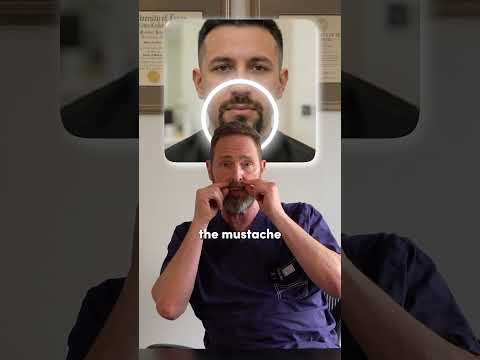
Many individuals base their hairline expectations on highly stylized images found in modern media and social platforms. When observing a man with a sharply defined, super straight hairline and edge-up, people often mistakenly believe this is a natural biological occurrence [00:32]. In reality, biological hair never grows in perfect geometric angles.
Frequently, that precise sharpness is achieved solely through a barber shaping and trimming the excess miniaturized hairs along the forehead [00:35]. It is exceedingly uncommon for a native hairline to grow naturally with distinct, ruler-straight edges. Attempting to replicate this temporary, cosmetic barbering effect through permanent surgical implantation leads to devastating aesthetic failures.
Combining Surgery with Strategic Styling
The ultimate goal of a successful procedure is to provide a dense, biologically accurate canvas that allows for versatile styling options post-recovery. Even if the surgical team refuses to design a strictly straight, low hairline, the patient retains complete control over their grooming habits. Once the transplanted hair fully matures, they can easily visit a professional hairstylist to achieve that desired sharp look [00:45].
This hybrid approach offers the highest degree of safety and aesthetic flexibility. The surgeon constructs the natural foundation, while the barber provides the temporary cosmetic flair. If styling trends shift in the future, the patient is not permanently burdened with an outdated, surgically etched edge-up that cannot be easily corrected.
Facial Symmetry and the Anatomy of an Undetectable Hairline Restoration
A deep anatomical understanding of the human face is the cornerstone of premium hair restoration. Surgeons heavily rely on the "Rule of Thirds" to establish the vertical placement of the new hairline. This classical aesthetic principle divides the face into three equal sections: from the chin to the base of the nose, from the nasal base to the glabella (between the eyebrows), and from the glabella to the anterior hairline.
By measuring these proportions, the clinical team can objectively determine the ideal starting point for follicle implantation. Deviating from these mathematical parameters results in a disproportionate facial structure, drawing unwarranted attention to the forehead. Maintaining facial symmetry guarantees that the observer's focus remains on the patient's eyes rather than their cranial borders.
The Role of Temporal Points in Framing the Face
While the frontal hairline receives the majority of a patient's attention, the temporal peaks play an equally critical role in framing the lateral aspects of the face. Severe recession in the temporal regions can drastically age a patient, even if their frontal density remains intact. Reconstructing these delicate temporal points requires advanced angulation techniques to ensure the hair lies flat against the skin, growing downward and slightly backward.
Integrating temporal point restoration with frontal hairline design creates a cohesive, natural canopy. It closes the wide, exposed forehead, restoring youthful, harmonious angles without resorting to aggressive straight lines. This meticulous detailing is what elevates a standard hair transplant procedure in Turkey into a transformative aesthetic masterpiece.
Evaluating Donor Area Capacity for Future Hair Transplant Touch-Ups
Comprehensive evaluation of the occipital and parietal donor regions is mandatory before committing to any hairline design. The physical characteristics of the donor hair heavily influence the visual density achievable in the recipient zone. Hair caliber, curl pattern, and follicular unit groupings (the ratio of single, double, and triple hair grafts) all dictate the strategic distribution of harvested follicles.
Thick, coarse hair provides exceptional coverage, allowing surgeons to create the illusion of dense packing with fewer overall grafts. Conversely, fine hair requires a higher density of implantation to achieve the same visual obstruction of the scalp. Understanding these unique physical traits ensures the medical team can accurately forecast coverage limitations and set realistic expectations.
Calculating Follicular Density and Extraction Limits
Advanced clinics utilize microscopic analysis to measure the exact follicular density per square centimeter within the safe donor area. This mathematical data establishes a strict extraction limit, guaranteeing the donor region is not visually depleted. Typically, surgeons avoid extracting more than 25% to 30% of the available follicles in a single session to prevent a diffuse, thin appearance in the back of the head.
By rigorously calculating these thresholds, surgeons secure the longevity of the patient's restoration journey. Conserving enough robust grafts allows the individual to effectively address future vertex thinning or mid-scalp miniaturization. This calculated approach separates short-sighted aesthetic fixes from lifelong hair restoration strategies.
Selecting the Best Surgical Approach for Advanced Age-Appropriate Hair Restoration
The fundamental objective of any ethical hair transplant surgeon is to prioritize the patient's long-term visual harmony. Pursuing an overly aggressive aesthetic inevitably leads to regret, whereas prioritizing naturalness ensures lifelong confidence. Above all else, medical providers must demand a design that patients can gracefully age into over the ensuing decades [00:48].
An age-appropriate hairline restoration technique guarantees that the surgical work remains completely undetectable, whether the patient is in their thirties, forties, or beyond [00:52]. By respecting anatomical boundaries, conserving donor resources, and understanding the progressive nature of alopecia, clinics deliver results that genuinely enhance the patient's quality of life.
The Patient-Surgeon Consultation Dynamic
Achieving this harmonious outcome relies heavily on the initial consultation phase. Open, honest communication regarding expectations versus biological reality is vital. Patients must be willing to accept professional medical guidance regarding the limitations of surgical interventions and the unpredictable nature of hair loss.
Ultimately, the most successful hair transplant procedure in Turkey stems from a collaborative partnership between the patient's desires and the surgeon's anatomical expertise. By merging artistic vision with precise medical science, modern hair restoration safely and permanently reconstructs the ultimate frame of the human face.
Ready to Restore Your Natural Hairline?
Connect with top-tier global specialists who prioritize age-appropriate designs and advanced donor conservation. Start planning your customized, long-term hair restoration journey today.
Get Free QuoteView Full Video Transcript
[00:00] The hairline is front and center. It's your face.
[00:02] This is extremely important to patients and I strive for natural and age appropriate.
[00:08] So even if I get a young patient in their twenties, I want to make sure that that hairline looks good when they're 30 and when they're 35.
[00:14] If they have further progression of hair loss, we want to make sure that we conserve enough donor to potentially touch things up in the future.
[00:21] If a patient draws a super low and aggressive and very straight hairline, I try to discourage them for the reasons I mentioned earlier.
[00:28] Another thing that I can't emphasize enough is that when you see a man with a super straight hairline and edge up, frequently that's their barber shaping that.
[00:38] It's very uncommon for a hairline to grow that way naturally.
[00:41] So even if we don't do a super low straight hairline, they can still go to a hairstylist and achieve that look.
[00:48] But most importantly, we want something natural and age appropriate that they can age into that's going to look good at 30, 40 and so on.














Share this listing