


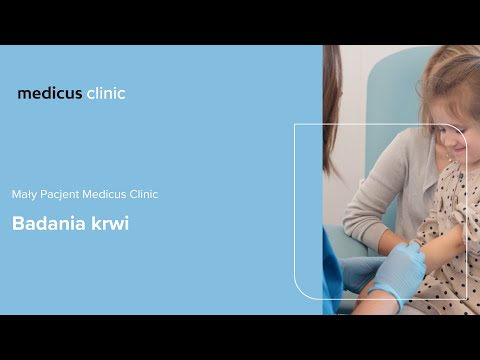
Medical testing for young patients often brings anxiety to both the child and the parents. Securing a reliable pediatric blood draw in Poland is transforming this standard medical procedure into a highly manageable and positive event. Modern clinical environments now prioritize a child's emotional well-being right alongside clinical accuracy and hygiene. Advanced phlebotomy services have adapted their entire approach to cater specifically to young minds and smaller veins.
When scheduling a [00:05] blood drawing of a small patient, the clinical setting plays a massive role in the overall success of the procedure. Specialized medical centers have shifted away from sterile, intimidating waiting rooms toward engaging, child-friendly spaces. This proactive approach significantly reduces the anticipatory dread that often accompanies pediatric venipuncture. Parents seeking high-quality pediatric care can now rely on specialized protocols designed entirely around patient comfort.
Every step of the process is meticulously crafted to ensure the child feels safe, respected, and distracted from the medical tools. From the moment families walk through the doors, the atmosphere is designed to calm nervous systems and build trust. This detailed guide explores exactly how top-tier medical facilities execute seamless, stress-free child blood tests.
Video Chapters
- Why Choose a Specialized Pediatric Clinic
- Innovative Distraction Techniques for Toddlers
- The Role of Emla Patches in Painless Venipuncture
- Step-by-Step Process of a Child Blood Test
- How Parents Can Prepare Children at Home
- The Psychology Behind Post-Procedure Rewards
- Understanding Specialized Phlebotomy Equipment
- Booking Your Pediatric Diagnostic Appointment
Why Choose a Specialized Pediatric Clinic for Child Blood Tests
Standard diagnostic laboratories are built for efficiency and high patient turnover. These environments often lack the necessary warmth and patience required for pediatric phlebotomy services. A specialized clinic specifically focuses on the unique anatomical and psychological needs of younger patients.
The physical environment is the first major differentiator when comparing facilities. [00:10] While waiting for the visit, the little patient can spend time in a dedicated playroom. This simple architectural decision drastically lowers cortisol levels before the child even sees a medical professional.
Engaging with toys and interactive elements allows the child to acclimate to the clinical sounds and smells at their own pace. By the time their name is called, their baseline anxiety is significantly reduced. This approach directly correlates with higher first-stick success rates during the actual blood draw.
The Impact of Pediatric-Trained Staff
Clinicians who specialize in pediatrics undergo extensive training beyond standard venipuncture techniques. They are educated in child psychology, behavioral management, and advanced distraction methods. This specialized skill set is what makes a pediatric blood draw in Poland highly sought after by anxious parents.
A [00:27] coordinating nurse in an outpatient clinic knows exactly how to read a child's body language. They can adjust their tone, pacing, and approach based on real-time feedback from the patient. This dynamic interaction prevents minor fears from escalating into full-blown panic attacks.
Innovative Distraction Techniques During Toddler Blood Collection
Distraction is a clinically proven method for pain management in pediatric medicine. The brain can only process a certain amount of sensory information at any given time. By overloading the visual and auditory senses with positive stimuli, the sensation of the needle is actively minimized.
The design of the collection room itself is an active distraction tool. [00:23] The blood collection room is adapted to the youngest patients, featuring colorful animals on the walls to make children's time pleasant. Phlebotomists use these murals to play finding games or tell stories during the procedure.
Active engagement is just as important as passive visual distraction. Nurses will frequently ask children complex questions about their favorite shows or pets right as the needle approaches the skin. This cognitive redirection forces the child to think rather than focus on their arm.
Empowering the Child Through Simple Choices
Children often fear medical procedures because they feel a complete loss of control over their bodies. Returning a small amount of autonomy to the patient yields incredible behavioral results. [00:30] To relieve stress, clinicians give them a choice of the color of the tourniquet and the type of patch.
This psychological technique is known as structured choice. The child cannot choose whether or not to have the blood drawn, but they can dictate the aesthetic parameters of the event. Selecting a blue tourniquet over a red one provides a strong sense of ownership over the process.
- Visual Autonomy: Letting kids pick their bandage color builds immediate excitement for the end of the test.
- Tactile Distraction: Allowing the child to touch the clean, unopened tourniquet demystifies the medical equipment.
- Pacing Control: Asking the child if they are ready before applying the alcohol wipe respects their personal boundaries.
The Role of Emla Patches in Painless Pediatric Venipuncture
Pain management is the cornerstone of modern pediatric phlebotomy. The sharp prick of a needle is the primary source of trauma for young patients undergoing diagnostic testing. Pharmacological interventions have made painless child blood tests a standard reality in top-tier clinics.
[00:20] Before taking blood from a child, clinicians can apply local anesthesia in the form of an Emla patch. This topical anesthetic contains a mixture of lidocaine and prilocaine, which numbs the epidermal layer of the skin. When applied correctly, the child feels pressure but no sharp pain during the venipuncture.
The application of an Emla patch requires specific timing to reach maximum efficacy. It must typically be applied to the target vein area at least 45 to 60 minutes prior to the blood draw. Many pediatric clinics advise parents on how to apply these patches at home before driving to the facility.
How Topical Anesthetics Improve Clinical Outcomes
Using local anesthesia does more than just prevent tears; it actually improves the physical conditions for blood collection. When a child experiences pain, their natural reaction is to flinch or pull their arm away. Sudden movements can cause the needle to slip out of the vein, necessitating a painful second attempt.
Furthermore, severe anxiety and pain trigger vascular constriction. Veins physically shrink and hide when a patient is in distress, making the phlebotomist's job much harder. By ensuring a painless experience with an Emla patch, the veins remain dilated and highly accessible.
| Feature | Standard Blood Draw | Emla-Assisted Blood Draw |
|---|---|---|
| Pain Level | Sharp pinch upon entry | Dull pressure, no sharp pain |
| Vein Accessibility | May constrict due to stress | Remains relaxed and dilated |
| Preparation Time | Immediate | Requires 45-60 min pre-application |
Step-by-Step Process of a Child Blood Test at Medicus Clinic
Understanding the exact workflow of a specialized clinic helps parents manage their own expectations. The entire protocol is designed to be seamless, starting from the reception desk to the final bandage application. Predictability is a major factor in reducing clinical anxiety for both parents and toddlers.
Upon arrival, the family is directed away from traditional waiting areas and into interactive play zones. Administrative tasks are handled quietly by the parent while the child remains occupied with toys. This separation of medical administration and the patient experience keeps the environment feeling casual.
Once called into the room, the nurse introduces themselves directly to the child, not just the parent. Establishing a direct line of communication validates the young patient and builds immediate rapport. The clinician then begins the process of structured choices, selecting tourniquets and discussing the wall murals.
The Venipuncture Execution
The physical blood draw is executed with remarkable speed by highly trained pediatric phlebotomists. The child is usually seated on the parent's lap, providing physical comfort and a feeling of safety. The parent is guided on how to hold the child securely without making them feel trapped or restrained.
With the Emla patch removed and the skin sterilized, the clinician uses specialized butterfly needles designed for tiny pediatric veins. These smaller gauge needles are vastly superior to standard straight needles for young patients. Blood is collected swiftly into pediatric-sized vials, minimizing the total time the needle remains in the arm.
How Parents Can Prepare Children for a Clinical Blood Test at Home
The success of a pediatric blood draw in Poland actually begins in the patient's home hours before the appointment. Parental attitude and preparation heavily influence how a child will react to the clinical setting. Children are highly perceptive and will mirror the emotional state of their primary caregivers.
Honesty is the best policy when discussing upcoming medical tests with toddlers and older children. Telling a child that a procedure "won't hurt at all" breaks trust if they do experience mild discomfort. Instead, parents should explain that there will be a small pinch, but it will be over very quickly.
Hydration is a massive physical factor that parents can control prior to the test. Well-hydrated veins are plump, highly visible, and much easier to access on the first attempt. Encouraging the child to drink plenty of water the day before and the morning of the test is highly recommended.
Role-Playing the Medical Procedure
Medical play at home demystifies the equipment and sequence of events for a young child. Using a toy doctor kit, parents can practice putting a pretend tourniquet on a stuffed animal's arm. This normalizes the sequence of applying a band, wiping with an alcohol pad, and placing a bandage.
- Use Age-Appropriate Language: Avoid scary words like "needle" or "blood." Use terms like "small poke" or "health check."
- Maintain Emotional Calm: Speak in a relaxed, confident tone when discussing the clinic visit.
- Focus on the Reward: Shift the conversation toward the fun activities or treats that will happen immediately after the test.
The Psychology Behind Post-Procedure Rewards and Positive Reinforcement
The final moments of a clinic visit are just as important as the preparation phase. The way a medical encounter concludes dictates how the child will remember the entire experience. Overwriting the brief stress of the needle with immediate positive reinforcement is a key pediatric strategy.
[01:02] After the examination, the child receives a tattoo, a lollipop, a sticker, and a little patient's diploma. These tangible rewards act as trophies, validating the child's bravery and endurance. A colorful diploma featuring their name turns a scary medical test into an achievement they can be proud of.
This layered approach to rewarding the patient is deeply rooted in behavioral psychology. When the peak of the experience (the reward) is highly positive, the brain minimizes the memory of the painful stimuli. This psychological framing ensures future visits to the doctor are met with far less resistance.
Building Long-Term Medical Trust
Childhood experiences form the foundation of a person's lifelong relationship with the healthcare system. Traumatic pediatric blood draws can lead to severe needle phobias that persist well into adulthood. Preventing medical trauma at a young age is a primary goal for specialized diagnostic clinics.
Clinicians prioritize ending the session on a high note. [01:15] We make sure that every little hero leaves the blood draw with a smile. This dedication to emotional aftercare fosters a deep sense of trust between the family and the medical provider.
Understanding Specialized Pediatric Phlebotomy Equipment
The tools used in a pediatric blood draw in Poland are entirely different from those used on adults. Adult veins can handle standard 21-gauge straight needles and large vacuum collection tubes. Using this adult equipment on a toddler frequently results in collapsed veins and failed blood collection.
Pediatric phlebotomists rely almost exclusively on winged infusion sets, commonly known as butterfly needles. These needles are much shorter and feature plastic wings that allow the nurse to grip and stabilize the device precisely. They are typically sized at 23 or 25 gauge, which is ideal for the delicate vascular structures of children.
Furthermore, the collection tubes themselves are specifically engineered for pediatric patients. Adult vacuum tubes create too much suction, which can easily collapse a fragile child's vein. Specialized pediatric vials require a much smaller volume of blood and use gentle capillary action to collect the sample.
The Importance of Vein Visualization Technology
Some children naturally have deeper or less prominent veins, making physical palpation difficult even for experts. Advanced pediatric clinics often employ near-infrared vein illumination devices. These handheld scanners project a map of the underlying vasculature directly onto the child's skin.
This technology removes the guesswork from locating an appropriate vein for the draw. By accurately identifying the best target before the needle ever touches the skin, the clinician ensures a fast, single-stick success. This high-tech approach represents the cutting edge of stress-free child blood testing.
Booking Your Pediatric Diagnostic Appointment in Poland
Securing top-tier diagnostic care for your child requires choosing a facility that openly advertises pediatric specialization. When researching options, parents should look for clinics that explicitly mention playrooms, Emla patch availability, and dedicated pediatric nurses. These markers guarantee a much higher standard of care for young patients.
Scheduling a test during the early morning is often the best strategy for toddlers and infants. Children are generally well-rested, and fasting requirements are much easier to manage right after waking up. It also prevents the child from agonizing over the upcoming appointment throughout the day.
Most specialized clinics offer streamlined booking processes for busy parents. [01:20] You can easily make an appointment by contacting the facility directly to secure a convenient time slot. Planning ahead ensures you gain access to the specialized staff and stress-free environments detailed in this guide.
Ready for a Stress-Free Pediatric Blood Draw?
Connect with top-rated clinics that prioritize your child's comfort, utilizing advanced phlebotomy techniques and positive reinforcement.
Get Free QuoteVideo Transcript & Translations
[00:00] medicus clinic
[00:05] Pobieranie krwi ma?ego Pacjenta
(Blood drawing of a small patient)
[00:10] W oczekiwaniu na wizyt? ma?y Pacjent mo?e sp?dzi? czas w pokoju zabaw.
(While waiting for the visit, the little patient can spend time in the playroom.)
[00:20] Przed przyst?pieniem do pobrania krwi u dziecka mo?emy zastosowa? znieczulenie miejscowe w formie plastra Emla.
(Before taking blood from a child, we can apply local anesthesia in the form of an Emla patch.)
[00:23] Gabinet pobra? dostosowany jest do najm?odszych Pacjentów. W trakcie badania dzieciom umilaj? czas zwierz?tka na ?cianach.
(The blood collection room is adapted to the youngest patients. During the examination, animals on the walls make children's time pleasant.)
[00:27] Karolina Toru? Piel?gniarka koordynuj?ca ambulatorium Medicus Clinic
(Karolina Toru?, Coordinating Nurse of the Medicus Clinic Outpatient Clinic)
[00:30] Dla roz?adowania stresu dajemy im do wyboru kolor opaski uciskowej i rodzaj plasterka.
(To relieve stress, we give them a choice of the color of the tourniquet and the type of patch.)
[01:02] Po badaniu dziecko otrzymuje tatua?, lizaka, naklejk? i dyplom ma?ego Pacjenta.
(After the examination, the child receives a tattoo, a lollipop, a sticker, and a little patient's diploma.)
[01:15] Dbamy o to, aby ka?dy ma?y bohater wychodzi? z pobierania krwi z u?miechem
(We make sure that every little hero leaves the blood draw with a smile)
[01:20] medicus clinic (71) 323 63 00 UMÓW SI? NA WIZYT?
(medicus clinic (71) 323 63 00 MAKE AN APPOINTMENT)









Share this listing