


The landscape of pediatric oncology demands extreme clinical precision, particularly when addressing aggressive malignancies in toddlers. For families exploring international medical options, advanced pediatric hepatoblastoma treatment in Azerbaijan provides a vital pathway to recovery through state-of-the-art medical protocols. A compelling clinical success at Liv Bona Dea Hospital highlights the exceptional level of intervention available for a two-year-old girl battling stage-four liver cancer. [00:00]
Pediatric liver malignancies present unique physiological challenges that require highly specialized surgical and oncological coordination. In this specific case, the medical team faced a severe and complex diagnosis, necessitating immediate aggressive clinical strategies to preserve the child's life. The rapid integration of targeted chemotherapy, precision surgical resection, and intensive pediatric reanimation demonstrates the critical importance of a multidisciplinary medical framework.
Video Chapters
Understanding Hepatoblastoma: Pediatric Liver Cancer Pathology
Hepatoblastoma is an exceptionally rare pediatric liver malignancy that predominantly affects infants and children under the age of three. The disease originates in the liver's embryonic precursor cells, leading to aggressive and rapid mass development, usually within the right hepatic lobe. Early detection is clinically demanding because physical symptoms often remain obscured until the tumor reaches a substantial, palpable size.
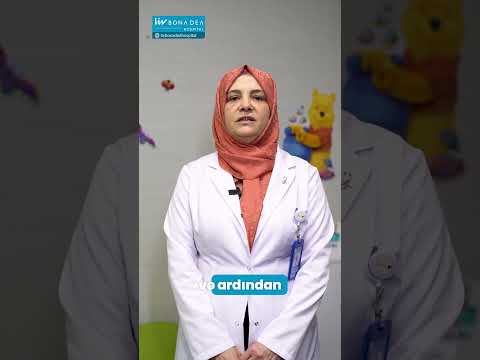
Standard diagnostic protocols for pediatric liver tumors require comprehensive multi-modal imaging, incorporating multiphasic CT scans and high-resolution MRIs. Blood serum evaluations focus heavily on alpha-fetoprotein (AFP) levels, a crucial tumor marker that helps oncologists gauge the severity and progression of the malignancy. During the initial clinical evaluation of this toddler, Dr. Selime Aydo?du and her specialized oncology team identified a highly advanced disease state. [00:05]
The exhaustive diagnostic imaging confirmed the grim reality of pediatric hepatoblastoma with extensive concurrent liver and lung metastases. [00:08] When malignant cells migrate from the primary hepatic source into the pulmonary system, the clinical staging elevates significantly, requiring immediate systemic intervention rather than upfront surgery.
Pathological Staging and Metastasis
Understanding the extent of the tumor spread dictates the entire oncological roadmap. The PRETEXT (Pre-Treatment Extent of Tumor) system is universally utilized to map the anatomical involvement of the liver prior to any therapeutic application. Tumors presenting with pulmonary metastasis automatically place the patient in a high-risk clinical category.
Treating high-risk metastatic hepatoblastoma requires balancing aggressive systemic toxicity with the delicate physiological limits of a two-year-old child. The immediate goal is to halt the pulmonary spread while simultaneously attempting to shrink the primary mass within the liver capsule.
The Crucial Role of Pre-Operative Chemotherapy in Liver Cancer Surgery
Neoadjuvant chemotherapy acts as the foundational step in managing advanced pediatric liver cancer when tumors are deemed initially unresectable. Administering targeted systemic cytotoxic drugs works to shrink the primary hepatic mass, eventually making surgical excision technically feasible and anatomically safer. This therapeutic phase primarily targets rapidly dividing cancer cells throughout the bloodstream.
By effectively treating the micro-metastases located in the child's lungs, the oncological team clears the secondary disease sites prior to addressing the main organ. Through a meticulously monitored chemotherapy regimen, the medical team achieved an extraordinary clinical response. The primary liver tumor size was reduced by an impressive 85 percent prior to proceeding with surgical plans. [00:17]
This massive reduction in tumor volume is a critical milestone that dictates surgical viability. Without this massive volumetric decrease, attempting to remove the tumor would likely result in catastrophic hepatic failure due to insufficient remaining healthy liver volume.
Key Benefits of Neoadjuvant Protocols
- Tumor Shrinkage: Reduces the physical dimensions of the mass, pulling it away from critical major blood vessels and bile ducts.
- Metastasis Eradication: Systemically clears the pulmonary system of migrating malignant cells before primary organ surgery.
- Surgical Safety: Maximizes the amount of healthy, functional liver tissue that can be safely preserved during the operation.
Extended Right Liver Resection Surgery for Toddlers: The Procedure
Hepatic resection in a toddler requires extraordinary anatomical knowledge, specialized instrumentation, and flawless surgical precision. The human liver possesses a unique and powerful regenerative capacity, allowing specialized hepatobiliary surgeons to remove massive portions of diseased tissue safely. However, operating on a two-year-old presents distinct challenges regarding blood volume management and tiny anatomical structures.
Dr. Alim ?kb?rov detailed the anatomical complexity, explaining that a massive malignant mass was anchored deeply within the right side of the child's liver. [00:22] To ensure clean surgical margins and prevent local recurrence, the surgical team executed an extended right liver resection. This highly complex procedure completely extirpated the right-sided tumor along with surrounding compromised tissue. [00:28]
An extended right hepatectomy involves removing the entire right lobe and a portion of the medial segment of the left lobe. The surgical team must meticulously divide the hepatic parenchyma while carefully preserving the left hepatic artery, left portal vein, and left bile duct to ensure the remaining liver segment survives.
Intraoperative Challenges in Pediatric Hepatectomy
Blood loss remains the most significant risk during pediatric liver cancer surgery in Azerbaijan. Pediatric surgeons utilize advanced harmonic scalpels and argon beam coagulators to minimize bleeding during the parenchymal transection. Maintaining strict hemodynamic stability while clamping major hepatic inflow vessels requires constant communication with the specialized pediatric anesthesiology team.
Multidisciplinary Approach to Pediatric Oncology and Surgery
Complex pediatric oncology cases cannot be effectively managed by a single medical discipline or independent physician. Establishing a multidisciplinary tumor board ensures that every single aspect of the patient's pathology, surgical risk profile, and post-operative recovery plan is rigorously scrutinized. This highly collaborative approach significantly elevates survival rates and minimizes life-threatening intraoperative complications.
Dr. Nicat V?liyev emphasized the sheer clinical complexity of this specific pediatric hepatoblastoma case. [00:31] Delivering a successful outcome required seamless, real-time coordination between pediatric oncology, pediatric surgery, and highly experienced general surgery departments. Each specialist brought critical domain expertise to navigate the high-stakes environment of pediatric cancer care.
The pediatric oncologist dictates the timing of the surgery based on chemotherapy response, while the general and pediatric surgeons map out the physical extraction. Meanwhile, intensive care specialists prepare the post-operative environment to receive a highly fragile patient immediately following abdominal closure.
| Medical Department | Core Responsibility in Treatment |
|---|---|
| Pediatric Oncology | Designing systemic chemotherapy protocols, monitoring tumor shrinkage, and managing metastatic spread. |
| General & Hepatobiliary Surgery | Executing the complex anatomical liver resection, ensuring negative margins, and controlling hepatic bleeding. |
| Pediatric Intensive Care (ICU) | Stabilizing hemodynamics post-surgery, managing pain protocols, and monitoring early liver regeneration markers. |
Pediatric Intensive Care and Post-Surgical Recovery for Liver Cancer
Post-operative care within a specialized Pediatric Intensive Care Unit (PICU) dictates the final success of any major liver resection. The immediate 48 to 72 hours following an extended right hepatectomy involve extreme physiological shifts as the small remaining liver segment begins to compensate and regenerate. Continuous hemodynamic monitoring, strict pain management, and hourly liver function assessments are mandatory protocols.
The intensive care and reanimation teams play a pivotal role in maintaining the child's delicate fluid balance and preventing post-surgical complications like bile leaks or hepatic insufficiency. The exceptional clinical efforts of the reanimation and intensive care units directly contributed to this child's rapid physiological restoration. [00:43]
Because the remnant liver tissue was healthy and well-perfused, the young patient achieved full clinical stability within a remarkably short timeframe. [00:49] The comprehensive, round-the-clock medical care allowed the young patient to bypass prolonged hospital stays and be discharged home completely healthy. [00:54]
Long-Term Survivorship and Liver Regeneration
The pediatric liver possesses an astonishing ability to regenerate its lost volume, often returning to a normal functional size within several weeks post-resection. Long-term survivorship requires stringent follow-up schedules, including routine AFP blood tests and abdominal ultrasounds to monitor for any signs of recurrence. With successful surgical extirpation and effective chemotherapy, children with hepatoblastoma can go on to lead entirely normal, healthy lives.
Advanced Healthcare and Medical Tourism for Pediatric Procedures in Azerbaijan
Medical tourism for pediatric oncology in Azerbaijan is experiencing significant international growth due to the availability of specialized surgical talent and advanced hospital infrastructure. International patients and distressed families constantly seek out healthcare facilities that offer comprehensive, aggressive cancer care protocols equivalent to leading global institutions. Liv Bona Dea Hospital exemplifies this standard by providing an all-encompassing environment for complex pediatric interventions.
The combination of affordable treatment costs, cutting-edge surgical technology, and elite multidisciplinary medical boards makes this region highly attractive for complex medical travel. Families confronting devastating pediatric liver cancer diagnoses are no longer restricted by geographic boundaries when seeking life-saving surgical care.
Facilities equipped with advanced diagnostic imaging, modern pediatric ICUs, and specialized pediatric tumor boards ensure that international patients receive identical or superior care compared to Western medical centers. This successful hepatoblastoma case perfectly illustrates how coordinated medical expertise in Azerbaijan delivers life-saving miracles for global patients.
Seeking Expert Pediatric Oncology Care?
Connect with top specialists for advanced pediatric liver cancer surgery and comprehensive treatment plans. Secure the best medical outcome for your child today.
Get Free QuoteView Full Video Transcript
[00:00] Bu iki ya?l? q?zc??az?n qara ciy?r x?rç?ngind?n bir qurtulu? hekay?sidir.
[00:05] Yapt???m?z de?erlendirmede hepatoblastom tan?s? koyduk.
[00:08] Karaci?er ve akci?er metastazlar? vard?.
[00:10] T?bii ki, bir h?kim olaraq bizim d? h?r birimiz üz?rind? böyük m?suliyy?t hiss el?tdirirdi.
[00:16] Verdi?imiz kemoterapilerle yüzde 85 küçülme kaydettik.
[00:20] Ve ard?ndan cerrahi için devrettik.
[00:22] Qara ciy?rin sa? t?r?find? yerl??mi? böyük ?i? toxumas?.
[00:28] Qara ciy?rin sa? t?r?finin geni?l?tilmi? rezeksiyas? il? ç?xar?ld?.
[00:31] Mür?kk?b oldu?u üçün d? bir komanda hal?nda, multidissiplinar bir hey?tl? yana?maq laz?m idi.
[00:36] U?aq onkologiyas?, u?aq c?rrahiy?si v? bu sah?d? çox t?crüb?si olan ümumi c?rrahiyy?nin...
[00:41] V? ?m?liyyatdan sonrak? periodda u?aq reanimasiyas?n?n töhf?l?ri il?...
[00:46] U?a??m?z sa?l???na qovu?mu?dur.
[00:49] Q?sa bir müdd?td? bir x?st?ni sa?lam, h?yat?na qovu?mu? ??kild? ev? buraxd?q.
[00:54] Böyük komandaya t???kkürümü bildirir?m. Minn?tdaram.












Share this listing