


Ensuring optimal auditory health during early developmental stages is a critical component of modern pediatric care. Many parents are now seeking a specialized pediatric hearing test procedure in Poland to access state-of-the-art diagnostic facilities and expert audiologists. Early identification of auditory deficits forms the foundation for successful language acquisition and cognitive development.
Undetected auditory impairments can severely disrupt a child's ability to process speech sounds and communicate effectively. Advanced clinical centers utilize sophisticated, non-invasive technology to accurately map a young patient's auditory capabilities. These precise diagnostic tools allow medical professionals to create highly customized intervention plans for infants and toddlers.
Navigating the landscape of pediatric audiology requires an understanding of the specific tests utilized by medical professionals. Specialized clinics offer comprehensive evaluations that are specifically tailored to the unique behavioral and physiological needs of young children. Accessing these advanced healthcare services ensures that every child has the best possible opportunity for normal auditory development.
Video Chapters
- The Critical Importance of Pediatric Hearing Tests
- Exploring Objective Tympanometry for Children
- Step-by-Step Middle Ear Evaluation Process
- Pure-Tone Audiometry for Kids Explained
- Interactive Child-Friendly Hearing Assessments
- Demystifying Otoacoustic Emissions for Newborns
- Analyzing Cochlear Outer Hair Cell Function
- Securing Ideal Conditions for Auditory Tests
- Why Choose Pediatric Audiology Care in Poland
The Critical Importance of a Pediatric Hearing Test Procedure in Poland
Identifying auditory issues rapidly is vital because the human brain experiences its most significant neuroplasticity during the first three years of life. A comprehensive pediatric hearing test procedure in Poland provides clinicians with the necessary data to intervene during this critical developmental window. Delays in diagnosing hearing loss frequently lead to long-term academic struggles and social isolation for affected children.
Medical professionals utilize a battery of distinct tests to evaluate different segments of the complex auditory system. Parents must remain vigilant and monitor their children for subtle behavioral indicators that might suggest an underlying auditory dysfunction. Seeking timely medical evaluation at the first sign of unresponsiveness can drastically alter a child's developmental trajectory.
Recognizing the Signs of Auditory Dysfunction
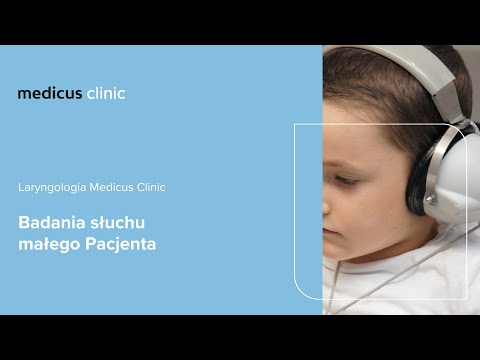
During an initial consultation, the pediatric audiologist will carefully review the child's medical history and observe their general responsiveness, as seen at [00:05] in the clinical footage. This preliminary observation helps the specialist select the most appropriate testing protocols based on the child's age and cognitive development. Establishing a relaxed clinical atmosphere is paramount for securing accurate diagnostic results from young patients.
Understanding the neurological implications of auditory deprivation highlights the urgency of accurate pediatric diagnostics. When the auditory cortex does not receive adequate sound stimulation, the neural pathways responsible for language processing begin to atrophy. This biological reality underscores why early detection of hearing loss is heavily prioritized by modern pediatricians worldwide.
- Lack of startle response to sudden, loud environmental noises in infants.
- Delayed speech and language milestones compared to standard pediatric guidelines.
- Frequent requests for repetition or relying heavily on visual cues during conversations.
- Turning up the volume on electronic devices to unusually high levels.
The emotional toll of undetected hearing issues can deeply impact family dynamics and a child's overall psychological well-being. Children struggling to hear often become easily frustrated, leading to frequent tantrums and behavioral challenges that confuse parents. A proper clinical assessment instantly removes this confusion, providing clear medical explanations for the child's developmental hurdles.
Medical professionals constantly emphasize that proactive screening is vastly superior to reactive treatments initiated after language delays become severe. Engaging with expert clinical services guarantees that parents receive accurate data regarding their child's auditory capabilities. Comprehensive evaluations eliminate the devastating guesswork associated with hidden developmental disabilities in early childhood.
Exploring the Objective Tympanometry Procedure for Children
One of the foundational diagnostic tools in pediatric audiology is the objective tympanometry procedure for children. As explained at [00:17], this is not a subjective test of hearing thresholds, but rather an objective evaluation of middle ear mechanics. It provides exact measurements regarding how the tympanic membrane and the ossicular chain respond to changes in air pressure.
Young children are highly susceptible to Eustachian tube dysfunction, which frequently leads to the accumulation of fluid behind the eardrum. This condition, medically known as otitis media with effusion, creates a temporary conductive hearing loss that can severely muffle incoming speech sounds. Tympanometry allows audiologists to detect this fluid instantly without relying on the child's ability to communicate their symptoms.
Measuring Middle Ear Compliance and Pressure
The equipment generates a continuous probe tone while a mechanized pump systematically alters the air pressure within the external ear canal. The machine measures the acoustic immittance, documenting how much sound energy is absorbed by the middle ear system versus how much is reflected. These precise physical measurements are then plotted onto a graph known as a tympanogram for clinical analysis.
The technical precision of the objective tympanometry procedure for children makes it indispensable in a modern pediatric clinic. The mechanical pump inside the device introduces positive air pressure, pushing the eardrum slightly inward. It then smoothly transitions to negative air pressure, gently pulling the delicate membrane outward to test its maximum elasticity.
| Tympanogram Type | Physical Description | Clinical Implication |
|---|---|---|
| Type A | Normal peak pressure and normal compliance. | Indicates a healthy middle ear free of fluid. |
| Type B | Flat tracing with no identifiable pressure peak. | Strongly suggests middle ear effusion or tympanic membrane perforation. |
| Type C | Normal compliance but significantly negative pressure. | Indicates Eustachian tube dysfunction or resolving ear infection. |
This dynamic pressure sweep occurs in fractions of a second, causing zero discomfort to the young patient. Measuring the exact point of maximum compliance reveals the underlying pressure status of the middle ear cavity. If the pressure behind the eardrum equals the atmospheric pressure, the clinical tracing will display a healthy, centralized peak.
Clinicians heavily rely on these objective graphs because children cannot articulate the sensation of muffled hearing or mild ear fullness. Routine middle ear evaluations prevent structural damage to the eardrum caused by chronic, untreated fluid retention. Securing a healthy middle ear pathway is an absolute prerequisite for normal auditory development in toddlers.
The Step-by-Step Middle Ear Function Evaluation Process
Executing a thorough middle ear function evaluation requires patience and a gentle approach from the medical staff. The clinical procedure begins when the specialist carefully applies a soft rubber probe to the child's ear canal, as demonstrated at [00:23]. Obtaining an airtight seal is absolutely necessary for the tympanometer to alter the air pressure accurately.
The entire measurement process takes only a few seconds per ear, making it highly suitable for children with short attention spans. The young patient does not need to speak or actively participate, but they must remain relatively still while sitting in the examination chair. Minimal movement ensures that the sensitive microphone within the probe can register the acoustic reflections without interference.
Ensuring Patient Comfort and Diagnostic Accuracy
Pediatric audiologists often use visual distractions, such as animated videos or light-up toys, to keep the child facing forward during the brief measurement. This proactive approach prevents the child from turning their head, which could break the hermetic seal and force the clinician to restart the test. Securing valid middle ear data is essential before proceeding to more complex behavioral auditory evaluations.
Proper positioning during the evaluation process directly influences the reliability of the diagnostic data obtained by the clinician. Infants are typically held securely on their caregiver's lap to maximize their sense of safety and comfort. This physical closeness dramatically reduces anxiety, preventing crying which would otherwise invalidate the acoustic pressure readings.
The size of the ear tip selected by the specialist must perfectly match the diameter of the child's ear canal. Using an inappropriately sized probe will prevent the necessary hermetic seal, causing the mechanical pump to leak air continuously. Skilled audiologists expertly navigate these physical challenges, ensuring the diagnostic hardware functions flawlessly during the brief examination.
Once the tympanometer registers the seal, the automated software instantly initiates the diagnostic pressure sweep without requiring manual triggering. This automated efficiency is deliberately engineered to accommodate the unpredictable, sudden movements characteristic of pediatric patients. Swiftly capturing the middle ear data allows the medical team to progress quickly to the more demanding behavioral assessments.
Pure-Tone Audiometry for Kids: Reliable Hearing Threshold Determination
While objective physical measurements are crucial, behavioral testing remains the gold standard for determining actual auditory perception. Pure-tone audiometry for kids is the primary method used to establish precise hearing threshold determinations across various sound frequencies. As highlighted at [00:29], this evaluation maps the exact decibel level at which a child can reliably detect specific tones.
The specialist uses calibrated headphones to deliver sound directly into the ear canal, isolating each ear to measure unilateral auditory acuity. The frequencies tested typically range from 250 Hertz to 8000 Hertz, completely encompassing the acoustic spectrum necessary for human speech perception. Finding the lowest intensity level the patient can hear provides the data needed to plot a comprehensive audiogram.
Differentiating Conductive and Sensorineural Hearing Loss
If a child demonstrates elevated thresholds via air conduction, the audiologist will introduce a bone oscillator placed against the mastoid bone. This device bypasses the outer and middle ear entirely, transmitting acoustic vibrations directly to the cochlea. Comparing air conduction thresholds to bone conduction thresholds allows the clinician to differentiate between conductive and sensorineural hearing loss.
Standardizing the testing environment guarantees that the pure-tone audiometry for kids yields mathematically precise auditory thresholds. The clinician introduces pure tones at descending volume levels until the child ceases to respond consistently. This specific bracketing technique isolates the absolute quietest sound the child can perceive at least fifty percent of the time.
Documenting these thresholds across the standard audiometric worksheet creates a visual representation of the patient's functional hearing capacity. This resulting graph is critically analyzed to determine the severity and configuration of any identified auditory deficit. Whether the loss is classified as mild, moderate, severe, or profound dictates the subsequent medical or technological interventions required.
Modern audiometric testing also evaluates how well the child perceives and repeats standardized speech materials. Speech audiometry confirms the pure-tone findings and demonstrates how the child processes complex linguistic information at normal conversational volumes. Integrating these distinct testing methodologies ensures an incredibly rigorous and comprehensive evaluation of the central auditory nervous system.
Facilitating Child-Friendly Hearing Assessments and Interactive Play
Standard tonal audiometry requires a voluntary response from the patient, which can be challenging for toddlers and preschool-aged children. The traditional testing method, shown at [00:34], involves the patient pressing a physical button every time they perceive a sound. However, younger children quickly lose interest in pushing a button, necessitating the use of specialized child-friendly hearing assessments.
Conditioned Play Audiometry transforms the medical evaluation into an engaging, interactive game to maintain the child's motivation. Instead of pressing a generic button, the child is taught to perform a specific play action, such as dropping a block into a bucket, whenever they hear the stimulus. This active participation keeps the toddler focused, allowing the audiologist to collect vital threshold data across multiple frequencies.
Techniques for Maintaining Toddler Focus During Diagnostics
For even younger patients, Visual Reinforcement Audiometry utilizes lighted, animated toys housed in dark plexiglass boxes placed on top of the clinical speakers. When the infant turns their head toward the sound source, the audiologist briefly illuminates the toy as a visual reward for the correct localization response. These innovative techniques ensure high diagnostic accuracy while making the clinical experience entirely stress-free for the young patient.
The implementation of interactive child-friendly hearing assessments requires extensive specialized training on the part of the audiologist. The specialist must accurately judge the child's cognitive age to select the most appropriate testing paradigm for the session. Selecting a task that is too complex will frustrate the child, while a task that is too simplistic will fail to hold their attention.
Social reinforcement plays a massive role in maintaining the required focus during prolonged clinical evaluations. The audiologist continuously offers enthusiastic verbal praise and encouragement every time the child successfully identifies a presented auditory tone. This positive feedback loop transforms an intimidating medical procedure into an enjoyable and deeply rewarding activity for the toddler.
Occasionally, testing must be split across multiple clinical appointments if the young patient experiences severe fatigue. Pushing a tired child to continue testing inevitably leads to false-positive responses and highly inaccurate clinical data. Respecting the child's natural limits guarantees that the final audiometric thresholds reflect their true physiological auditory capabilities.
Demystifying the Otoacoustic Emissions Test for Newborns
Behavioral testing is not feasible for newborns, which is why clinical practice relies heavily on sophisticated neuro-physiological measurements. The otoacoustic emissions test for newborns is an incredibly powerful screening tool utilized universally in modern maternity wards. Mentioned at [00:51], this completely objective evaluation measures the microscopic acoustic echoes produced naturally by a healthy inner ear.
When sound enters a functional ear, it travels mechanically through the middle ear ossicles directly into the fluid-filled cochlea. The intricate sensory structures inside the cochlea contract and expand in response to the acoustic stimulation, generating their own very soft sound waves. These biological sound waves travel backward out through the eardrum and can be recorded by highly sensitive clinical equipment.
The Impact of Universal Newborn Screening Programs
This specific screening method is non-invasive, entirely painless, and can be completed in a matter of minutes while the infant rests in their caregiver's arms. A passing result strongly indicates that the peripheral auditory system is functioning normally at the time of the evaluation. Conversely, an absent emission requires immediate referral for more comprehensive diagnostic audiological testing to rule out permanent sensory deficits.
The implementation of the otoacoustic emissions test for newborns has revolutionized early childhood medical diagnostics across the globe. Before the invention of this specific technology, mild to moderate congenital hearing loss often went entirely undetected until the child failed to speak. Universal newborn screening programs now ensure that critical auditory evaluations occur before the infant even leaves the maternity ward.
The microscopic microphone utilized in the diagnostic probe is engineered to detect incredibly faint biological sounds measuring near zero decibels. Because these acoustic echoes are so incredibly soft, the computer software utilizes sophisticated averaging algorithms to separate the emissions from background noise. This advanced digital processing guarantees that clinicians can identify functional inner ear mechanics with absolute mathematical certainty.
It is important to note that a failed screening does not automatically confirm the presence of permanent deafness. Temporary conditions, such as residual amniotic fluid in the ear canal, can easily block the delicate acoustic emissions from reaching the microphone. However, establishing a baseline measurement allows medical professionals to monitor the infant's sensory development with extreme precision over time.
Analyzing Cochlear Outer Hair Cell Function in Early Childhood
Understanding the underlying physiology provides valuable insight into why these specific acoustic echoes are so medically significant. The diagnostic probe delivers a precise tonal impulse or a broadband click into the ear canal, as noted at [00:58]. This specific auditory stimulus targets the delicate outer hair cells situated along the basilar membrane within the cochlea.
These outer hair cells act as biological amplifiers, actively enhancing soft sounds to improve our overall auditory sensitivity. Monitoring cochlear outer hair cell function through otoacoustic emissions provides direct evidence of the structural integrity of the inner ear. Any damage to these specific cellular structures, whether genetic or acquired, will immediately result in the absence of a measurable acoustic echo.
Detailed Sensory Evaluations and Distortion Products
Audiologists distinguish between transient evoked otoacoustic emissions and distortion product otoacoustic emissions to gather distinct types of clinical data. While transient emissions provide a broad overview of cochlear health, distortion products allow for highly frequency-specific evaluations of the sensory cells. Combining these two testing paradigms ensures a rigorous and exhaustive assessment of the young patient's fundamental auditory processing capabilities.
Detailed evaluation of the cochlear outer hair cell function requires highly specialized hardware capable of complex acoustic stimulation. When two distinct simultaneous tones are introduced into a healthy ear, the cochlea mathematically produces a third, predictable distortion product tone. The presence of this specific distortion product confirms that the microscopic sensory cells are actively metabolizing and moving in response to sound.
This biological phenomenon is an incredible testament to the intricate mechanical engineering of the human auditory system. The outer hair cells physically lengthen and shorten at astonishing speeds, pushing against the tectorial membrane to amplify soft incoming frequencies. Measuring this specific cellular activity allows clinicians to detect microscopic inner ear damage long before it affects behavioral hearing thresholds.
Utilizing these advanced neuro-physiological metrics is particularly crucial when evaluating children who have been exposed to ototoxic medications. Certain lifesaving antibiotics utilized in neonatal intensive care units can permanently damage the delicate structures within the cochlea. Regular otoacoustic emission monitoring ensures that any drug-induced sensory degradation is detected immediately by the attending medical staff.
Securing Ideal Conditions for Objective Pediatric Auditory Measurements
Executing precise neuro-physiological measurements requires strict adherence to environmental controls within the audiology clinic. Because the otoacoustic emissions are incredibly faint sounds, the testing environment must maintain perfect silence, as explicitly stated at [01:08]. Any background noise, including heavy breathing or rustling clothing, can easily mask the delicate acoustic echoes returning from the cochlea.
The young patient must remain perfectly still, as bodily movement generates internal muscular noise that interferes with the sensitive diagnostic probe. This physiological reality is why pediatric clinicians strongly recommend that infants are deeply asleep during objective auditory measurements. A sleeping newborn naturally provides the optimal muscular relaxation and silence required to secure an accurate and reliable clinical reading.
The Importance of Sound-Treated Audiometric Booths
Premium audiology centers utilize custom-built, sound-treated booths equipped with heavy acoustic paneling to completely isolate the patient from external hospital noise. These specialized enclosures block out ambient sounds, ensuring that the diagnostic equipment only registers the targeted biological responses. Maintaining these pristine clinical conditions is the ultimate key to achieving flawless diagnostic accuracy in pediatric audiology.
Eliminating ambient interference is the most significant operational challenge when securing ideal conditions for objective auditory measurements. Even the standard hum of hospital ventilation systems can easily overpower the faint biological responses generated by the inner ear. This technical reality necessitates the exclusive use of heavily shielded diagnostic rooms designed specifically for high-level audiological research.
Preparing a toddler for a successful objective evaluation often requires strategic scheduling by the parents. Clinical appointments are frequently booked during the child's standard nap time to maximize the probability of profound sleep during the exam. Parents are encouraged to feed their infants immediately prior to testing, as a full stomach naturally promotes deep, uninterrupted rest.
If the child awakens or becomes excessively fussy, the medical specialist must immediately pause the diagnostic recording software. Attempting to force the evaluation through crying or heavy movement will only result in artifact-filled, clinically useless diagnostic data. Patience and environmental control remain the foundational pillars of successful pediatric neuro-audiology procedures in specialized clinics.
Why Choose Advanced Pediatric Audiology Care in Poland
The decision to pursue an advanced pediatric hearing test procedure in Poland is driven by the country's outstanding reputation in specialized medical care. Leading Polish clinics invest heavily in the latest audiological technology, ensuring that diagnostic evaluations meet the highest international medical standards. Families benefit from the expertise of highly trained pediatric specialists who are adept at managing the unique challenges of testing young children.
Beyond the sophisticated diagnostic equipment, these specialized medical centers prioritize creating a deeply empathetic and welcoming environment for anxious parents. Accessing affordable pediatric audiology care in Central Europe allows families to avoid extensive waiting lists often encountered in their home countries. The streamlined medical pathways ensure that children receive prompt diagnostic clarity, which is essential for initiating timely therapeutic interventions.
Seamless Integration of Diagnostics and Therapeutic Intervention
A definitive diagnosis obtained through these rigorous clinical evaluations empowers parents to make informed decisions regarding their child's auditory health. Whether the recommended intervention involves medical treatment for middle ear fluid or the fitting of pediatric hearing aids, a precise diagnosis is the mandatory first step. Polish medical facilities stand at the forefront of this critical healthcare sector, providing unwavering support to families navigating pediatric hearing loss.
Opting for an expert pediatric hearing test procedure in Poland guarantees access to highly educated and internationally certified medical personnel. The rigorous academic training required for audiologists in Europe ensures a profound understanding of complex pediatric pathologies. These dedicated specialists continually update their clinical skills to incorporate the latest advancements in global audiological science.
The seamless integration of advanced diagnostics and immediate therapeutic intervention sets top-tier medical facilities apart from standard clinics. If a permanent sensory deficit is confirmed, the medical team rapidly initiates consultations for advanced hearing aid fittings or cochlear implant candidacy. This highly coordinated multidisciplinary approach dramatically accelerates the rehabilitation process for newly diagnosed pediatric patients.
Securing world-class healthcare for a child is the ultimate priority for every dedicated parent navigating medical challenges. Comprehensive audiological evaluations offer a definitive roadmap for overcoming developmental hurdles associated with sensory deprivation. By leveraging state-of-the-art diagnostic technology, families ensure their children receive the exact medical support required to thrive in a hearing world.
Ready to Schedule a Pediatric Hearing Test?
Ensure your child's auditory health with world-class diagnostic services. Contact top-rated medical professionals for advanced pediatric audiology care.
Get Free QuoteView Full Video Transcript
[00:00] [Logo: Medicus Clinic]
[00:05] Badania s?uchu ma?ego Pacjenta
[00:17] Tympanometria jest to obiektywne badanie s?uchu, oceniaj?ce stan ucha ?rodkowego.
[00:23] Podczas badania przyk?adamy do ucha sond?.
[00:26] Pacjent nic nie mówi, nie rusza si?, tylko sobie siedzi.
[00:29] Audiometria tonalna pozwala nam na okre?lenie progu s?uchu pacjenta.
[00:34] Polega na tym, ?e pacjent naciska przycisk kiedy us?yszy d?wi?k.
[00:51] Otoemisja akustyczna jest badaniem przesiewowym, które ocenia reakcj? pacjenta i jego komórek s?uchowych ?limaka
[00:58] na podany przez sond? impuls tonalny lub trzask.
[01:03] Badanie polega na przy?o?eniu sondy do ucha pacjenta.
[01:08] Podczas badania musi by? idealna cisza.
[01:10] Pacjent nie mo?e si? rusza? ani wydawa? ?adnych d?wi?ków.
[01:13] U noworodków zalecamy, aby dzieci spa?y.
[01:17] Dbamy o to, aby badania przebiega?y w spokojnej i przyjaznej dla dziecka atmosferze.
[01:26] [Logo: Medicus Clinic]









Share this listing