


Finding the right care for your child's ear, nose, and throat issues can be challenging, but opting for a pediatric ENT endoscopy in Poland offers world-class diagnostic precision. Specialist medical centers in the country utilize state-of-the-art equipment to ensure highly accurate assessments without causing distress. This modern approach to a laryngological examination for children in Poland minimizes discomfort while maximizing diagnostic clarity.
Whether you are dealing with chronic nasal congestion or recurrent ear infections, understanding this advanced procedure is the first crucial step toward better pediatric health. Modern clinics prioritize a calm environment, ensuring that young patients feel safe and secure throughout their visit. By choosing highly specialized European care, parents secure the most accurate diagnoses available for their children's developing airways.
Video Chapters Quick Navigation
Understanding Pediatric ENT Endoscopy in Modern Clinics
When children suffer from persistent breathing issues or hearing difficulties, a standard physical checkup might not provide all the necessary answers. This is exactly where advanced diagnostic tools become absolutely essential for pediatric healthcare. Medical professionals frequently recommend an endoscopic ear nose throat exam for kids to achieve a clear, unobstructed view of internal structures.
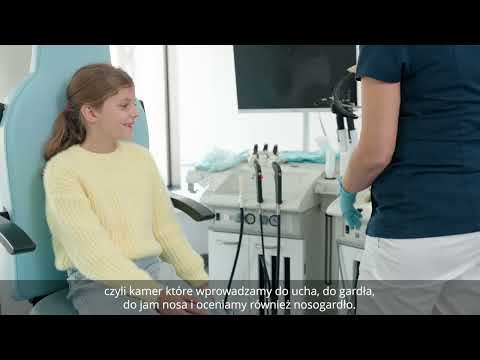
As demonstrated in the clinical footage at [00:16], specialists utilize highly flexible or thin rigid endoscopes designed explicitly for smaller anatomical spaces. These specialized, micro-cameras are carefully and gently inserted into the ear, throat, and nasal cavities. This precise, direct visualization allows doctors to accurately assess the entire nasopharynx area without resorting to invasive surgical procedures.
The primary goal of this examination is to identify hidden issues like enlarged adenoids, structural blockages, or chronic mucosal inflammation. Early and precise detection prevents long-term developmental delays related to both speech acquisition and hearing capabilities. Furthermore, detailed internal imaging helps specialists formulate a highly targeted, individualized treatment plan tailored to the young patient's specific needs.
Anatomy Focused During the Examination
The respiratory and auditory systems of a growing child are delicate, interconnected, and continuously developing. An endoscopic evaluation provides a comprehensive, high-resolution overview of several critical areas within the head and neck region.
- Nasal Cavities: Doctors evaluate the area for polyps, severe chronic allergies, or structural abnormalities such as a deviated septum.
- The Throat (Pharynx): Specialists check the tonsils and vocal cords for signs of chronic bacterial infection or vocal strain.
- The Ear Canal: The equipment allows for detailed inspection of the tympanic membrane to identify fluid buildup or middle ear infections.
- Nasopharynx: The core focus is assessing adenoid tissue size, which frequently causes chronic mouth breathing and disruptive sleep disturbances.
The Technology Behind Laryngological Examinations for Children
The specific field of pediatric otolaryngology has evolved significantly over the last decade, embracing advanced visual technologies. Polish medical facilities stand at the forefront of adopting these minimally invasive diagnostic approaches for their youngest patients. At the absolute core of these diagnostic advancements are high-definition, fiber-optic endoscopic camera systems.
As noted during the procedure at [00:20], these tiny, sophisticated cameras are safely guided into the patient's delicate airways. The real-time, illuminated video feed is instantly displayed on large, high-resolution monitors situated within the examination room. This technological setup serves a highly beneficial dual purpose during the clinical visit.
Firstly, it allows the medical specialist to meticulously examine the mucosal linings and intricate anatomical structures with incredible digital magnification. Secondly, it serves as an exceptionally effective educational tool for the parents present in the room during the exam. Doctors can point out specific areas of concern directly on the screen, making the diagnosis entirely transparent and easily understandable.
How to Prepare Your Child for a Painless Pediatric ENT Procedure
Medical appointments can frequently induce anxiety in young children, making proper preparation a vital aspect of the overall care process. However, one of the major, defining benefits of this specific diagnostic approach is its remarkable simplicity and lack of stringent requirements. As explicitly mentioned by the specialist at [00:27], the procedure absolutely does not require any rigorous or special preparation from the child.
There is no stressful need for prolonged fasting, blood work, or extensive medical pre-screening before a standard outpatient endoscopy appointment. Parents are encouraged to simply explain the upcoming process to their child in positive, age-appropriate, and entirely non-threatening language. Describing the medical endoscope as a "tiny, special flashlight with a camera" often helps dramatically demystify the medical equipment for toddlers.
Ensuring the child is well-rested, hydrated, and wearing comfortable clothing can also heavily contribute to a smoother, faster clinic visit. The primary objective is to maintain a consistently positive and stress-free environment before even entering the doctor's office. Open, calm communication between the parent and child significantly reduces anticipatory fear and fosters clinical cooperation.
The Crucial Role of Parents During the Assessment
The physical positioning of the young patient is paramount for ensuring both supreme safety and comfort during the endoscopic assessment. Clinic staff actively prioritize making the child feel physically secure and emotionally supported at all times.
- Independent Seating: Older, more confident and cooperative children typically sit on the specialized examination chair entirely by themselves, as visually confirmed at [00:30].
- Parental Support: Younger toddlers or more highly anxious children are held tightly and securely by their parents directly on their laps, as noted at [00:33].
- Psychological Comfort: This immediate physical closeness provides immense emotional comfort and effectively prevents any sudden, unsafe movements during the camera insertion.
Step-by-Step: The Nasal Endoscopy Preparation Procedure
Understanding the exact, methodical sequence of clinical events can rapidly alleviate parental concerns regarding unexpected procedures. The examination is highly structured and rehearsed to maximize diagnostic efficiency and drastically minimize the total time the child spends in the chair. Before introducing the endoscope into the delicate nasal passages, the specialist takes specific, vital steps to optimize the internal view.
As detailed clearly by the physician at [00:41], the doctor begins the physical process by chemically anemizing the nasal cavity. This vital process involves carefully administering a few drops of specialized medication directly into the child's nostrils. These specific drops act remarkably fast to reduce any existing swelling, congestion, or inflammation of the delicate mucous membranes.
By efficiently shrinking the swollen internal tissues, the drops effectively widen the nasal passages for the camera. This crucial preparatory step greatly facilitates a highly smooth, completely unobstructed visual assessment of the deeper nasal cavities and the hidden nasopharynx. It actively prevents the endoscope from rubbing against inflamed tissue, which could otherwise cause unwanted irritation or sneezing.
Pain Management and Creating a Child-Friendly Atmosphere
The absolute primary concern for any caring parent is ensuring their child does not experience physical pain during medical assessments. Top-tier clinical centers prioritize delivering completely painless pediatric ENT procedures through highly effective, localized anesthesia protocols. To achieve this standard of care, specialists apply specific pharmacological numbing solutions right before the active endoscopy begins.
As highlighted during the clinic walk-through at [00:48], doctors utilize a specialized lidocaine gel directly within the nasal passages. This safe, topical anesthetic numbs the internal mucosal tissues rapidly, effectively neutralizing any potential pain receptors in the immediate area. The precise application of lidocaine ensures that the movement of the endoscope feels like nothing more than a very mild, unusual tickling pressure.
Beyond strict physical pain management, the overall atmospheric and clinical environment plays a massive role in successful pediatric care. At [01:00], it is heavily emphasized that premium clinics go to great lengths to ensure examinations run in a distinctly calm, child-friendly atmosphere. A serene, welcoming environment prevents panic, actively allowing the doctor to perform a highly thorough, uninterrupted visual evaluation.
Common Diagnoses from a Pediatric Nasopharynx Assessment
A meticulously thorough pediatric nasopharynx assessment is profoundly instrumental in diagnosing structural conditions that severely impact a child's daily quality of life. One of the absolute most frequent visual discoveries during these rapid endoscopies is adenoid hypertrophy, commonly known as enlarged adenoids. When excess adenoid tissue physically blocks the back of the nasal passage, children are forced to resort to chronic mouth breathing.
This persistent obstruction predictably leads to detrimental issues like loud snoring, poor overall sleep quality, and even concerning episodes of pediatric sleep apnea. Direct camera visualization allows the attending doctor to precisely grade the exact size of the adenoids relative to the available airway space. Another highly common issue diagnosed rapidly via this method is chronic, deep-seated sinusitis or persistent pediatric nasal polyps.
Standard, traditional physical exams utilizing simple lights often miss deep sinus infections that cause prolonged facial pain and thick nasal discharge. The flexible endoscope effortlessly navigates the tight nasal corridors to boldly reveal hidden purulent secretions or unexpected structural blockages. By cleanly examining the Eustachian tube opening located in the nasopharynx, doctors can instantly determine if fluid is dangerously trapped behind the eardrum.
| Diagnostic Feature | Traditional Physical Exam | Endoscopic Laryngological Exam |
|---|---|---|
| Visibility Range | Severely limited to anterior (front) nasal structures | Deep, comprehensive, and illuminated visualization |
| Diagnostic Accuracy | Highly prone to missing hidden blockages or deep polyps | Exceptionally accurate, real-time high-definition imaging |
| Patient Experience | Often highly uncomfortable with rigid metal speculums | Exceptionally well-tolerated with flexible scopes and numbing gel |
Why Choose a Child-Friendly Laryngologist in Poland?
In recent years, the landscape of global healthcare has shifted, and Poland has firmly emerged as a premier destination for highly specialized pediatric medical care. Finding an exceptionally qualified, child-friendly laryngologist in Poland is remarkably straightforward due to the country's incredibly stringent medical training standards. Local medical facilities are heavily equipped with cutting-edge diagnostic technology that easily rivals or exceeds clinics found in Western Europe or North America.
The unique combination of advanced medical infrastructure and highly personalized, patient-centric care makes it a tremendously attractive option for international medical tourists. Moreover, the clinical support staff are specifically and rigorously trained in pediatric psychology and compassionate patient management. They deeply understand that medically treating a young child requires a completely different, softer approach than treating an adult patient.
The clinical emphasis is always heavily placed on building instant trust, communicating entirely transparently with anxious parents, and delivering efficient care. Families traveling across borders for medical assessments consistently find the entire structured process, from initial consultation to final diagnosis, to be seamlessly integrated. Polish specialist centers truly set a highly respected global benchmark for modern pediatric otolaryngology.
Post-Examination Consultation and Ongoing Pediatric Care
Once the flexible endoscope is gently and swiftly removed, the immediate diagnostic phase concludes, and the comprehensive consultation phase instantly begins. The specialist will closely review the captured, high-definition video footage directly alongside the parents on the large examination monitor. This highly transparent review process allows parents to see exactly what the doctor sees, fostering a profound understanding of the child's exact health status.
The doctor will meticulously and patiently explain any found abnormalities, such as swollen adenoid tissues, severe inflammation, or unusual fluid accumulation. Based entirely on these clear, indisputable visual findings, a customized, conservative, or potentially surgical treatment plan is immediately formulated in the room. The doctor might confidently prescribe specific medications, such as specialized nasal steroid sprays, or formally recommend minor interventions like a routine adenoidectomy.
The dedicated clinic staff will then thoroughly explain all required medication dosages, realistic expected outcomes, and any minor potential side effects to monitor. Finally, a structured follow-up schedule is established to consistently monitor the child's healing progress and ensure the prescribed medical treatment is yielding positive results. This comprehensive, start-to-finish approach guarantees that the child returns to breathing, sleeping, and developing optimally.
Ready for a Painless Pediatric Assessment?
Don't let chronic ENT issues affect your child's sleep and development. Connect with top-tier Polish specialists today for a highly accurate, comfortable diagnostic experience.
Get Free QuoteView Full Video Transcript
00:00 medicus clinic
00:02 specjalistyczne centrum medyczne
00:05 Badania laryngologiczne ma?ego Pacjenta
00:16 W Medicus Clinic badania laryngologiczne u dzieci przeprowadzamy przy pomocy endoskopu,
00:20 czyli kamer które wprowadzamy do ucha, do gard?a, do jam nosa i oceniamy równie? nosogard?o.
00:27 Badanie nie wymaga specjalnego przygotowania ze strony dziecka.
00:30 Dzieci do badania siadaj? na krze?le same.
00:33 M?odsze dzieci trzymane s? przez rodziców na kolanach.
00:41 Przed badaniem jamy nosa anemizujemy, a wi?c zakrapiamy krople, które maj? zmniejszy? obrz?k ?luzówki i u?atwi? ocen? jam nosa.
00:48 Stosujemy równie? lignokaine w ?elu, ?eby zmniejszy? dolegliwo?ci bólowe.
01:00 Dbamy o to, aby badania przebiega?y w spokojnej i przyjaznej dla dziecka atmosferze
01:13 UMÓW SI? NA WIZYT? (71) 323 63 00






.png)

.png)








Share this listing