


Living with excessive hand sweating can be an isolating and intensely frustrating experience for countless individuals worldwide. Finding an effective palmar hyperhidrosis treatment in Poland has become a highly sought-after medical journey for patients seeking long-term relief from this debilitating physiological condition. For many, the constant presence of cold, wet hands significantly impairs social interactions, professional development, and basic daily activities.
Fortunately, modern medical advancements have paved the way for highly successful interventions. Advanced procedures, such as endoscopic thoracic sympathectomy in Poland, are providing definitive solutions for patients who have exhausted all other conservative options. By addressing the root neurological cause of the overactive sweat glands, specialized surgeons are helping individuals reclaim their confidence, improve their daily comfort, and permanently eliminate the burden of severe palmar hyperhidrosis.
Video Chapters
- The Physiological Reality of Hyperhidrosis
- Early Onset and Childhood Burden
- Navigating Clinical Misdiagnoses
- Limitations of Traditional Treatments
- The Breaking Point in Daily Life
- Discovering Advanced Surgical Solutions
- Endoscopic Thoracic Sympathectomy Explained
- The Consultation and Medical Preparation
- Life After Excessive Sweating Surgery
- Medical Tourism for Hyperhidrosis in Poland
The Physiological Reality of Excessive Palmar Hyperhidrosis
Primary focal hyperhidrosis is a recognized medical disorder characterized by excessive sweating that extends far beyond the body's normal thermoregulatory needs. Unlike generalized sweating caused by physical exertion or high environmental temperatures, palmar hyperhidrosis is entirely localized to the hands. This localized overproduction of sweat is driven by an overactive sympathetic nervous system, which inappropriately signals the eccrine glands to produce moisture continuously.
Patients suffering from this condition possess normal sweat glands, both in size and quantity. The core issue lies entirely within the neural pathways that control these glands, firing relentless signals regardless of the patient's actual body temperature or stress levels. Because this response is autonomic and uncontrollable, finding an effective way on how to cure excessive sweating of hands requires highly specialized medical intervention.
This constant state of sympathetic overdrive can severely damage a person's quality of life, leading to both physical discomfort and profound psychological distress. The hands often become cold, clammy, and prone to dermatological issues due to the constant presence of excess moisture on the skin barrier. Consequently, patients are forced to seek out a specialized hyperhidrosis clinic in Poland to find long-term management strategies.
Early Onset and the Childhood Burden of Sweaty Hands
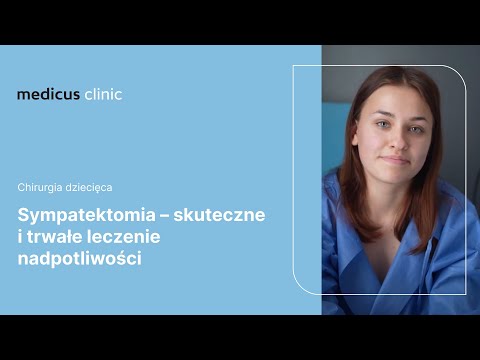
The onset of primary palmar hyperhidrosis frequently occurs during early childhood, establishing a lifelong pattern of discomfort and self-consciousness. As noted in the video, patients often begin noticing abnormal moisture levels on their hands as early as six or seven years old [00:16]. This early self-awareness marks the beginning of a complex relationship with their own physical bodies, as children quickly realize their physical responses differ significantly from their peers.
During these formative years, the social environment can be incredibly unforgiving for children presenting with noticeable physical differences. Peer interactions frequently involve innocent yet hurtful questions regarding why their hands are always wet or unnaturally cold [00:40]. This constant questioning breeds a deep-seated sense of shame, prompting children to develop early avoidance behaviors to hide their condition.
These early experiences lay the groundwork for long-term social anxiety and a persistent fear of physical contact. Children with severe palmar hyperhidrosis often withdraw from group activities, avoid holding hands during games, and struggle silently with their self-esteem. The psychological toll of this early childhood isolation highlights the critical need for early medical evaluation and access to the best hyperhidrosis treatment in Poland.
Navigating Clinical Misdiagnoses and the Puberty Myth
One of the most frustrating aspects of living with primary hyperhidrosis is the frequent dismissal of symptoms by general medical practitioners. Parents seeking help for their children are routinely subjected to a "wait and see" approach, heavily influenced by outdated medical assumptions. Many doctors incorrectly attribute the excessive sweating to hormonal fluctuations, assuring families that the child will simply outgrow the condition over time [01:23].
This common clinical misconception severely delays patients from receiving an accurate diagnosis and access to appropriate sweaty hands treatment options. When physicians attribute severe palmar hyperhidrosis to standard puberty, they invalidate the patient's daily struggles and enforce a false sense of hope. The reality is that primary focal hyperhidrosis rarely resolves on its own; instead, the physiological symptoms typically intensify as the patient transitions into adulthood.
The persistent failure of the medical community to recognize the severity of this condition forces patients to endure years of unnecessary psychological distress. It is only when patients actively seek out specialized surgical consultations that they receive validation for their physical reality. Finding a dedicated specialist who understands the chronic nature of this autonomic disorder is the first true step toward healing.
Why Traditional Sweaty Hands Treatment Options Often Fail
When patients first attempt to manage their excessive sweating, they are typically directed toward conservative, non-invasive therapies. Clinical-strength antiperspirants containing high concentrations of aluminum chloride are almost always the first line of defense prescribed by dermatologists. While these topical solutions can be moderately effective for underarm sweating, they frequently fail completely when applied to the thick, robust skin of the palms [01:12].
Beyond simple topical treatments, patients may explore more advanced dermatological interventions such as iontophoresis or oral anticholinergic medications. Iontophoresis involves passing a mild electrical current through water to temporarily block the sweat ducts, a process that is incredibly time-consuming and must be repeated weekly. Oral medications, on the other hand, act systemically to block the neurotransmitter acetylcholine, often resulting in severe systemic side effects like blurred vision, dry mouth, and dangerous heart palpitations.
Even highly publicized treatments like Botulinum toxin (Botox) injections present significant limitations for those suffering from severe palmar hyperhidrosis. Injecting Botox into the hands requires dozens of incredibly painful needle pricks across the sensitive palm, and the resulting dryness only lasts a few months. Because these conservative methods offer only temporary, often inadequate relief, patients are ultimately driven to research excessive palmar hyperhidrosis surgery as a permanent solution.
The Breaking Point: How Severe Hyperhidrosis Impacts Career Choices
The impact of chronically wet hands extends aggressively into a patient's professional development and daily functional activities. Simple gestures that most people take for granted, such as shaking hands during a professional introduction or participating in a social dance, become sources of immense dread and anxiety [01:32]. Patients develop complex avoidance strategies to prevent others from noticing their condition, often appearing socially distant or unprofessional as a result.
On a practical level, the physical presence of excessive sweat hinders basic mechanical tasks and educational pursuits. Writing on standard paper causes ink to smear and pages to disintegrate, while operating touch-screen smartphones becomes a frustrating, nearly impossible endeavor [01:47]. This constant physical barrier forces patients to continually adapt their environment, wiping their hands relentlessly on specialized towels or dark clothing.
The true breaking point often occurs when the condition directly threatens the patient's chosen career path or advanced educational goals. For instance, participating in scientific laboratory classes requiring non-breathable nitrile gloves can become physically intolerable; within ten minutes, the gloves fill with pooled sweat, creating an environment comparable to soaking hands in a swimming pool for hours [02:20]. These restrictive barriers force individuals to confront the necessity of surgical intervention to save their professional futures.
Discovering Advanced Excessive Palmar Hyperhidrosis Surgery
Faced with the profound limitations of conservative treatments, patients eventually begin intensive research into permanent, definitive medical procedures. This journey often leads them to discover highly specialized thoracic surgeons who focus entirely on autonomic nervous system disorders. Through patient testimonials and specialized medical literature, individuals learn that a surgical cure for their lifelong suffering actually exists and is highly effective.
Finding detailed information about these advanced surgical options is often a pivotal moment of hope for those who have suffered in silence for decades. Discovering articles and medical insights from specialists like Dr. Adam Mol provides a clear, medically sound pathway toward achieving permanently dry hands [02:47]. Even though these specific surgical interventions are still gaining broader public awareness, the clinical success rates speak volumes to the affected community.
The decision to pursue a surgical route is rarely made lightly, as it requires a thorough understanding of the neurological mechanisms involved. However, the prospect of waking up from anesthesia and experiencing warm, dry palms for the first time in their lives is an incredibly powerful motivator. This hope drives patients to travel internationally to secure the best possible surgical expertise available.
Understanding Endoscopic Thoracic Sympathectomy in Poland
Endoscopic Thoracic Sympathectomy (ETS) is currently regarded as the gold standard in excessive palmar hyperhidrosis surgery. This highly targeted, minimally invasive procedure aims to permanently disrupt the faulty neural signals traveling from the sympathetic nerve chain to the sweat glands in the hands. By precisely interrupting this specific pathway, surgeons can instantly and permanently halt the overproduction of sweat in the targeted anatomical area.
During the ETS procedure, the patient is placed under general anesthesia to ensure complete comfort and stillness. The thoracic surgeon makes two tiny, discreet incisions hidden within the natural folds of the underarm, known as the axillary region. Through these tiny surgical ports, a specialized microscopic camera and precision endoscopic instruments are carefully inserted into the chest cavity.
Once inside, the lung is temporarily and safely deflated to provide the surgeon with a clear, unobstructed view of the sympathetic nerve chain resting against the posterior rib cage. The surgeon then carefully isolates the specific nerve ganglia—typically the T2 and T3 levels—responsible for palmar sweating. Depending on the exact surgical protocol, these specific nerve segments are either permanently clipped with titanium or precisely divided using advanced thermal energy.
The Consultation and Medical Preparation Process
Before any surgical intervention can take place, a comprehensive and highly detailed medical consultation is absolutely mandatory. During this critical initial meeting, the specialized thoracic surgeon meticulously evaluates the patient's medical history, previous treatment failures, and exact symptom presentation. This evaluation ensures that the patient is indeed suffering from primary focal hyperhidrosis rather than a secondary condition caused by an underlying thyroid or metabolic issue.
A vital component of this consultation involves a deeply transparent discussion regarding the realistic expectations and potential side effects of ETS surgery. The surgeon takes the time to clearly explain every step of the operation, dispelling any lingering fears and building a foundation of deep clinical trust [03:03]. Patients are heavily educated about the possibility of compensatory sweating, a phenomenon where the body subtly increases sweat production in other areas, such as the back or abdomen, to regulate core temperature.
This transparent, patient-centric approach empowers individuals to make highly informed, confident decisions regarding their own bodily autonomy. Knowing that they are in the hands of a skilled professional who completely understands the nuanced misery of severe hyperhidrosis provides immense psychological relief. This thorough preparation ensures that when the patient arrives for their procedure, they are entirely ready for their life-altering transformation.
Life After Excessive Sweating Surgery: Reclaiming Comfort
The immediate aftermath of an endoscopic thoracic sympathectomy is often described by patients as a profoundly emotional and surreal experience. The moment patients awaken from general anesthesia, they immediately notice a stark, undeniable physical difference in their hands. For the first time in their conscious memory, their palms are completely dry, noticeably warm, and free from the constant, clammy moisture that defined their existence [03:18].
Because ETS is a minimally invasive laparoscopic procedure, the physical recovery timeline is remarkably swift compared to traditional open surgeries. Most patients are safely discharged from the specialized clinic within twenty-four hours and can typically return to their normal desk jobs or academic studies within just a few days. The tiny surgical incisions in the underarm heal rapidly, leaving almost imperceptible scars that fade significantly over time.
The long-term psychological and functional benefits of this successful hyperhidrosis treatment in Poland are truly immeasurable. Patients rapidly shed their deeply ingrained social anxieties, confidently initiating handshakes, holding hands with romantic partners, and pursuing careers they previously believed were completely off-limits. This surgical intervention does not just modify a physical symptom; it entirely restores the patient's overall comfort of life and personal happiness.
Why International Patients Choose Medical Tourism for Hyperhidrosis in Poland
In recent years, Poland has rapidly emerged as a premier global destination for advanced, specialized medical procedures. Patients suffering from severe autonomic nervous system disorders are increasingly looking beyond their local healthcare systems to find the best hyperhidrosis treatment in Poland. The country boasts highly modernized, technologically advanced clinical facilities that rival the top medical institutions found in Western Europe and the United States.
One of the primary driving factors for this influx of medical tourism is the exceptional level of surgical expertise available at a fraction of international costs. Polish thoracic surgeons undergo rigorous, world-class medical training and strictly adhere to stringent European Union healthcare standards and safety protocols. This ensures that international patients receive uncompromising, top-tier surgical care while avoiding the exorbitant out-of-pocket expenses typical in their home countries.
Furthermore, top-tier Polish medical facilities are specifically designed to cater comprehensively to the unique needs of international travelers. Dedicated patient coordinators seamlessly manage every logistical aspect of the medical journey, from initial virtual consultations and airport transfers to post-operative follow-up care. This holistic, heavily supported approach allows patients to focus entirely on their surgical recovery and their exciting transition into a dry, comfortable new life.
- Immediate Relief: Experience permanently dry and warm hands the moment you wake up from ETS surgery.
- Minimally Invasive: The procedure requires only two tiny incisions, ensuring a rapid and comfortable recovery process.
- Expert Surgeons: Access world-renowned thoracic specialists dedicated to advanced autonomic nervous system disorders.
- Cost-Effective Care: Receive premier European medical standards without the excessive pricing models of Western healthcare systems.
Take Control of Your Life Today
Stop letting severe palmar hyperhidrosis dictate your career choices, social interactions, and daily comfort. Connect with top thoracic specialists in Poland to permanently resolve excessive hand sweating through advanced, minimally invasive ETS surgery.
Get Free QuoteVideo Transcript
[00:07] Nazywam si? Wiktoria Gurba i pochodz? z Dzier?oniowa.
[00:10] Mam 16 lat.
[00:12] Problem nadpotliwo?ci d?oni tak naprawd? towarzyszy mi ju? od dziecka.
[00:16] Gdy mia?am 6, 7 lat zacz??am zauwa?a?, ?e moje r?ce ci?gle s? mokre.
[00:24] Wydaje mi si?, ?e pojawi?a si? u mnie taka w?a?nie samo?wiadomo?? tego co si? dzieje z moim cia?em.
[00:31] Je?li chodzi o dzieci?stwo, to tam ju? pojawia?y si? problemy zwi?zane z t? dolegliwo?ci?.
[00:40] Poniewa? inne dzieci pyta?y si?, na?miewa?y si? dlaczego mam mokre r?ce, czemu mam zimne r?ce.
[00:49] No i troch? to trwa?o, ale wydaje mi si?, ?e nauczy?am si? z tym ?y?.
[00:54] Zacz??am sobie z tym radzi?.
[00:56] My?la?am, ?e to przejdzie.
[00:58] Te? pomaga?a mi mama.
[01:00] Je?dzi?y?my na ró?nego rodzaju konsultacje z tym zwi?zane.
[01:06] Do ró?nych specjalistów, do ró?nych lekarzy, którzy mówili, ?e to przejdzie.
[01:10] Albo kazali smarowa? mi r?ce antyperspirantami ró?nego rodzaju.
[01:17] Co w ogóle nie pomaga?o.
[01:19] I te? informowali?my o tym, ale twierdzili, ?e mo?e to przez wiek dojrzewania tak si? dzieje i ?e na pewno mi to minie.
[01:27] Jednak problem nie ust?pi?, a zacz?? on si? nasila?.
[01:32] Najgorsze sytuacje by?y, kiedy musia?am si? z kim? pozna?, komu? poda? r?k?.
[01:38] Ju? nie wspomn? o ta?czeniu z kimkolwiek.
[01:41] Przy codziennych czynno?ciach tak naprawd? pojawia?y si? równie? problemy.
[01:47] Przy pisaniu na kartce, przy uprawianiu ró?nego rodzaju sportów.
[01:54] Czy nawet przy trzymaniu telefonu.
[01:57] My?l?, ?e w pewnym momencie zacz??am wypiera? w sobie ten problem.
[02:02] My?la?am, ?e po prostu go nie ma, ?e si? przyzwyczai?am.
[02:05] Jednak z coraz doro?lejszym ?yciem czu?am, ?e ten problem si? we mnie nasila, ?e jest coraz gorzej.
[02:14] Musz? tu te? wspomnie? o tym, ?e kiedy zacz??am ucz?szcza? na zaj?cia laboratoryjne zwi?zane z moj? przysz?o?ci?.
[02:23] Po prostu praca w r?kawiczkach by?a niemo?liwa.
[02:27] Bo po 10 minutach pracy w r?kawiczkach moje r?ce by?y jak po dwóch godzinach wyj?ciu z basenu.
[02:34] I czu?am, ?e to jest niemo?liwe.
[02:36] Musia?am co? wybra?, musia?am co? zrobi?, dlatego zacz??am szuka? ró?nych alternatyw.
[02:42] Wraz z bliskimi osobami znale?li?my artyku? pana doktora Adama Mola, który opowiada? o zabiegu.
[02:52] Który nie jest jeszcze do?? popularny w Polsce tak naprawd?.
[02:56] Dopiero si? zaczyna rozprzestrzenia?, zaczyna si? o nim gdzie? s?ysze?.
[03:03] Pojecha?am na konsultacj?, pan doktor wszystko mi wyja?ni?.
[03:08] Stwierdzi?am, ?e to b?dzie co? dla mnie, zdecydowa?am si?, no i dlatego tutaj siedz? i dlatego tutaj jestem.
[03:14] Mam nadziej?, ?e to mi pomo?e.
[03:18] ?e w ko?cu b?d? mog?a mie? suche r?ce, ?e poprawi to mój komfort ?ycia.
[03:22] No i ?e po prostu b?d? szcz??liwsza.









.png)

.png)








Share this listing