


Maintaining optimal oral health is frequently hindered by widespread misconceptions that can lead to irreversible dental damage over time. Millions of patients unknowingly compromise their teeth through improper daily habits, while simultaneously delaying necessary professional treatments due to skyrocketing domestic healthcare costs. Addressing these misunderstandings is critical for long-term wellness, especially when specialized treatments like root canals or extractions become necessary.
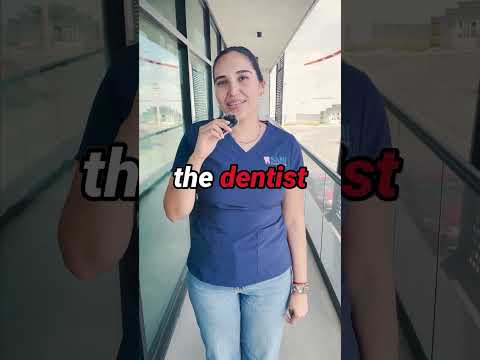
Many individuals are completely unaware that accessing affordable dental care and implants in Mexico provides a safe, highly regulated, and cost-effective alternative to domestic clinics. Dr. Andrea from Sani Dental Group sheds light on several prevalent dental myths to help patients make informed, biologically sound decisions regarding their hygiene routines. Understanding the scientific realities behind daily brushing, dietary impacts, and asymptomatic infections is the foundation of preserving your natural smile. Furthermore, realizing that high-quality dentistry does not have to drain your life savings opens the door to life-changing restorations.
Video Chapters & Quick Navigation
- [00:08] The Hidden Dangers of Aggressive Brushing
- [00:15] Beyond Sugar: The Real Causes of Cavities
- [00:30] Silent Infections and Deceptive Pain
- [00:41] Breaking the Cost Barrier in Dentistry
- Strategies for Preventing Gum Recession
- Understanding Your Oral Microbiome
- The Rise of Dental Tourism for Implants
- Daily Habits for Dental Longevity
The Hidden Dangers of Aggressive Tooth Brushing on Enamel Health
One of the most pervasive myths in oral hygiene is the belief that applying more pressure while brushing results in a cleaner mouth. In reality, as noted at [00:08], brushing your teeth harder will actually inflict severe damage on your protective enamel layer over time. Enamel is the hardest substance in the human body, but it is highly susceptible to mechanical abrasion from stiff bristles and excessive force.
When the protective layer of enamel is worn away through rigorous scrubbing, the underlying dentin becomes exposed to the oral environment. Dentin contains thousands of microscopic tubules that lead directly to the dental pulp, which is why enamel loss frequently results in severe tooth sensitivity. Patients often find themselves unable to enjoy hot or cold beverages simply because their brushing habits have eroded their natural defenses.
Furthermore, aggressive brushing is a primary catalyst for severe gum recession, a condition that exposes the sensitive root structures of the teeth. Unlike crowns, tooth roots do not have an enamel coating, making them incredibly vulnerable to rapid decay and structural failure. Once the gingival tissue recedes due to mechanical trauma, it cannot grow back naturally, often necessitating expensive soft tissue grafting procedures.
Proven Strategies for Preventing Gum Recession and Abrasion
To effectively remove dental plaque without causing irreversible harm to your soft tissues, dental professionals universally recommend using a soft-bristled toothbrush. Plaque is a soft, sticky biofilm that does not require heavy scrubbing to dislodge; gentle, sweeping motions are more than sufficient for complete removal. Transitioning to an electric toothbrush equipped with a built-in pressure sensor can automatically prevent you from applying excessive force during your daily routine.
Adopting the proper brushing technique is equally as important as the tools you utilize in your bathroom. The Modified Bass technique is widely considered the gold standard, involving holding the brush at a 45-degree angle to the gum line and using short, circular strokes. This specific angulation allows the bristles to sweep slightly below the gingival margin, effectively clearing away trapped bacteria without traumatizing the delicate attachment tissues.
- Select the right tools: Always opt for brushes labeled "soft" or "extra-soft" by recognized dental associations.
- Monitor your pressure: Hold your toothbrush with only your fingertips rather than a tight fist to naturally reduce brushing force.
- Time your routine carefully: Brush for a full two minutes, dedicating equal attention to every quadrant of your mouth to prevent concentrated abrasion.
- Evaluate your toothpaste: Avoid highly abrasive whitening toothpastes that contain gritty particles, as these act like sandpaper on your teeth.
Beyond Sugar: Unmasking the True Biological Causes of Dental Cavities
The oversimplified narrative that consuming sugar directly causes cavities ignores the complex microbiological environment existing within your mouth. As explained at [00:15], sugar plays a significant role, but it is entirely dependent on how the specific bacteria in your oral cavity process those carbohydrates. Tooth decay is fundamentally a bacterial infection driven by acid production, rather than a direct melting effect caused by sweet foods.
Certain strains of bacteria, primarily Streptococcus mutans, permanently reside in your mouth and rely on fermentable carbohydrates for their own survival. When you consume any form of carbohydrate—ranging from candy bars to savory potato chips—these bacteria metabolize the remnants left on your teeth. The metabolic byproduct of this feeding frenzy is lactic acid, which immediately begins to attack the mineral structure of your dental enamel.
This process of demineralization weakens the tooth surface, creating microscopic pores that eventually collapse into a physical cavity if left unchecked. However, the mouth is not defenseless; a constant cycle of demineralization and remineralization occurs throughout the day based on your dietary habits. Understanding this biological tug-of-war is essential for developing effective strategies to prevent the formation of dental caries over your lifetime.
How Frequency of Snacking Impacts Your Oral Microbiome
The frequency of your dietary consumption is actually far more detrimental to your enamel than the total volume of carbohydrates consumed in a single sitting. Every time you introduce food or sugary drinks into your mouth, your oral pH drops into an acidic state for approximately twenty to thirty minutes. This phenomenon is known as the Stephan Curve, and it dictates how long your teeth are actively under attack by bacterial acids.
If you continuously sip on a sugary beverage or snack on crackers throughout the afternoon, your mouth remains in a perpetual state of high acidity. This constant exposure prevents your natural defenses from neutralizing the environment, leading to rapid and aggressive enamel erosion. Conversely, consuming a single dessert with a main meal limits the acid attack to just one distinct period, allowing your mouth time to recover.
Saliva acts as your body's primary buffering agent, naturally washing away food debris and neutralizing the harmful acids produced by plaque. A healthy saliva flow also delivers crucial minerals like calcium and phosphate back to the enamel, actively repairing early microscopic damage. Conditions that cause dry mouth, whether induced by medications or dehydration, severely compromise this remineralization process and exponentially increase cavity risk.
Silent Dental Infections: Why the Absence of Pain Can Be Highly Deceiving
Many patients utilize pain as their sole diagnostic tool, assuming that if their teeth do not hurt, their oral health must be in perfect condition. This dangerous misconception is addressed directly at [00:30], emphasizing that asymptomatic issues are incredibly common in the early stages of dental disease. The anatomical structure of a tooth practically guarantees that decay will not cause physical discomfort until it has progressed significantly.
The outermost layer of your teeth, the enamel, contains absolutely no nerve endings or living cells that could transmit pain signals to your brain. Consequently, a cavity can slowly eat away at the exterior of your tooth for months or even years without triggering the slightest warning sign. Only when the bacterial infection penetrates through the enamel and reaches the softer, innervated dentin layer will you begin to experience mild sensitivity.
If the decay is allowed to progress into the innermost pulp chamber, the infection will attack the vascular tissues and major nerve center of the tooth. At this late stage, the resulting pain is often excruciating and constant, usually necessitating an immediate, costly root canal procedure or full extraction. Catching these lesions while they are still entirely silent is the primary objective of modern preventative dentistry.
The Hidden Dangers of Asymptomatic Periodontal Disease
Tooth decay is not the only silent threat lurking in the oral cavity; periodontal disease operates in a similarly stealthy and destructive manner. Gingivitis, the earliest stage of gum disease, often presents merely as mild redness or bleeding during brushing, which many individuals ignore. Because there is rarely any acute pain associated with early gum inflammation, patients frequently delay seeking professional periodontal treatment.
As the bacterial infection advances beneath the gum line into periodontitis, it begins to actively destroy the underlying alveolar bone that holds your teeth securely in place. You can lose massive amounts of supporting bone structure without ever feeling a localized toothache or localized discomfort in your jaw. Eventually, this asymptomatic bone loss leads to severe tooth mobility, shifting bites, and the inevitable loss of otherwise perfectly healthy teeth.
Routine diagnostic imaging and bi-annual comprehensive examinations are the only reliable methods for detecting these silent pathologies before catastrophic failure occurs. High-resolution digital X-rays allow dentists to see between the teeth and underneath existing dental work where visual inspections fall short. Investing in these inexpensive preventative screenings saves patients from enduring painful emergencies and financing complex rehabilitative surgeries down the road.
Breaking the Cost Barrier: Accessing World-Class Dental Care in Mexico
A dominant barrier preventing individuals from achieving optimal oral health is the overwhelming financial burden associated with restorative procedures. As highlighted at [00:41], the assumption that high-quality dental care is intrinsically unaffordable is largely a product of the heavily inflated healthcare system in the United States. Patients frequently receive treatment plans totaling tens of thousands of dollars for essential services like implants, crowns, and bridges.
This extreme domestic pricing model forces many people to live with chronic infections, missing teeth, and compromised digestive health due to an inability to chew properly. Fortunately, the rapidly expanding sector of medical tourism has provided a safe, highly regulated escape hatch for those seeking premium affordable dental care and implants in Mexico. Specialized border towns have evolved into massive, technologically advanced medical hubs dedicated almost entirely to serving international patients.
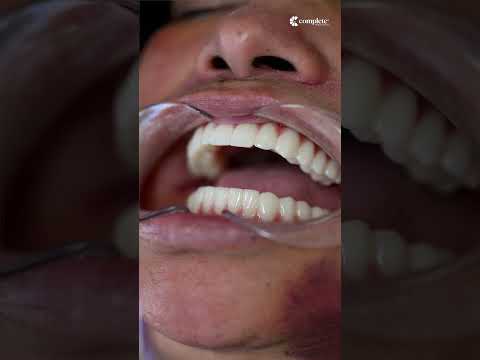
Clinics operating in these regions, such as Sani Dental Group, provide exactly the same tier of advanced dental treatments found in high-end American practices but at a fraction of the cost. The massive price reduction is driven by the lower cost of living, reduced administrative overhead, and highly subsidized medical education in Mexico, not a reduction in material quality. Patients are able to receive titanium implants, zirconia crowns, and specialized periodontal surgeries without taking on crushing medical debt.
Evaluating the Quality and Safety of Dental Tourism in Los Algodones
When patients first consider traveling internationally for medical procedures, concerns regarding safety, hygiene standards, and practitioner credentials naturally arise. However, premier destinations like Los Algodones host facilities that actively pursue strict international accreditations to guarantee the highest safety protocols. These top-tier clinics utilize state-of-the-art diagnostic equipment, including 3D CBCT scanners and CAD/CAM milling machines, ensuring extreme precision for complex restorations.
Furthermore, the specialists practicing at these reputable institutions often hold post-graduate degrees from prestigious universities in the United States and Europe. They frequently maintain active memberships with major organizations such as the American Dental Association, adhering strictly to global standards of care. This commitment to continuous education ensures that patients receiving affordable full mouth dental implants in Mexico benefit from the latest surgical techniques.
| Dental Procedure | Average Cost in USA/Canada | Estimated Cost in Mexico | Potential Savings |
|---|---|---|---|
| Single Titanium Dental Implant | $3,000 - $5,000 | $800 - $1,200 | Up to 70% |
| All-on-4 Full Mouth Restoration | $25,000 - $35,000 | $8,000 - $12,000 | Up to 65% |
| Zirconia Dental Crown | $1,200 - $1,800 | $350 - $500 | Up to 75% |
| Porcelain Veneers (per tooth) | $1,000 - $2,500 | $350 - $450 | Up to 80% |
Building a Comprehensive Strategy for Long-Term Dental Longevity
Whether you are maintaining your natural teeth or protecting a newly placed set of affordable dental implants in Mexico, comprehensive home care is non-negotiable. Implants may be impervious to biological tooth decay, but the surrounding gingival tissues remain highly susceptible to bacterial infections known as peri-implantitis. If plaque is allowed to accumulate around the titanium posts, the resulting bone loss can cause even the most flawlessly executed implant to fail entirely.
Implementing a robust daily routine requires moving beyond the basic toothbrush to address the interdental spaces where a massive percentage of infections originate. Daily flossing is imperative to disrupt the bacterial colonies that tightly adhere to the sides of your teeth where standard bristles cannot possibly reach. For patients with complex bridgework or implants, utilizing a water flosser provides an excellent supplementary method to flush out deeply trapped food particles.
Finally, dietary modifications serve as the ultimate preventative measure for sustaining your structural dental investments over decades of use. Minimizing the consumption of highly acidic beverages and sticky, processed carbohydrates vastly reduces the environmental stress placed on your restorations and remaining enamel. Combining intelligent dietary choices with regular preventative screenings guarantees that minor issues are resolved quickly, economically, and painlessly.
Maximizing the Lifespan of Your International Dental Work
Taking advantage of affordable dental work in Mexico provides incredible initial savings, but the true value is realized when that dental work lasts a lifetime. Protecting your investment requires treating your new crowns, bridges, and implants with exactly the same reverence and care as natural teeth. Wearing a custom-fitted nightguard is highly recommended for patients who subconsciously grind their teeth, as bruxism can easily fracture high-end porcelain materials over time.
Scheduling regular professional cleanings remains vital, even if you have to travel back to your chosen clinic or secure a local hygienist for maintenance. Professional scaling is the only way to remove hardened calculus buildup that serves as a permanent reservoir for tissue-destroying bacteria. By combining diligent at-home hygiene, intelligent dietary management, and consistent professional oversight, you can confidently preserve the results of your transformative dental procedures.
- Adopt interdental cleaning: Incorporate high-quality floss or proxy brushes to ensure the gaps between your restorations remain immaculate.
- Hydrate consistently: Drink ample amounts of water to naturally elevate your oral pH and clear away acidic dietary remnants.
- Guard against grinding: Protect your affordable dental implants in Mexico from excessive mechanical force by utilizing a professional occlusal guard during sleep.
Ready to Transform Your Smile Affordably?
Don't let exorbitant local costs prevent you from achieving the healthy, beautiful smile you deserve. Explore world-class, affordable dental care and implants in Mexico today by connecting with top-rated, certified international clinics.
Get Free QuoteView Full Video Transcript
[00:00] Did you know brushing your teeth harder does not mean you're cleaning them better?
[00:03] Hi, I'm Dr. Andrea and I'm gonna debunk some common dental myths.
[00:08] First, brushing your teeth harder will actually damage your enamel and cause gum recession.
[00:12] Being gentle and thorough with brushing is what really matters.
[00:15] Number two, sugar is the only reason for cavities.
[00:18] Though it plays a big role, it is not the only reason.
[00:20] Bacteria stays in your mouth and feed off carbohydrates, which produce acid.
[00:24] Frequency in snacking, oral hygiene, saliva flow, and overall dental care also matters.
[00:30] Number three, if it doesn't hurt, it's not a problem.
[00:33] Many dental issues don't cause pain in the beginning.
[00:35] Infections develop silently, and that's why going to irregular checkups help us catch them in time before they cause pain.
[00:41] Four. Going to the dentist is too expensive.
[00:44] This can be true for many, especially in the USA, but high quality care can be far more accessible than you think.
[00:50] At Sani Dental Group, we provide advanced dental treatment at an affordable price.
[00:55] Follow us or call today to begin your dental transformation.



















Share this listing