


Finding a reliable and affordable full mouth dental implant procedure in Mexico has transformed the way patients approach complex oral health restorations. High out-of-pocket expenses for dental care in the United States and Canada often leave patients searching for viable, high-quality alternatives abroad. Dental tourism offers an exceptional opportunity to receive state-of-the-art care without the prohibitive price tag.
Undergoing complex oral surgery requires careful planning, deep research, and a clear understanding of clinical protocols. By selecting top-rated specialists across the border, patients secure access to advanced 3D imaging, premium titanium fixtures, and highly trained prosthodontists. This extensive guide covers every critical aspect of planning your treatment, understanding the surgical methodology, and ensuring a seamless recovery.
Video Chapters & Quick Navigation
- Understanding the All-on-4 Technique
- Pre-Surgical Consultation Steps
- The Clinical Surgery Process
- Strict Sterilization Protocols
- Cost of Dental Implants Abroad
- Types of Implant Materials
- Understanding Bone Grafting
- Post-Operative Recovery Timeline
- Dietary Guidelines After Surgery
- Long-Term Implant Maintenance
Understanding the All-on-4 Dental Implant Technique
The full mouth dental implant procedure typically utilizes the renowned All-on-4 or All-on-6 framework to restore complete dental arches. This advanced methodology involves placing four to six titanium posts directly into the jawbone to serve as sturdy anchors. These anchors mimic the natural root structure of teeth, preventing jawbone deterioration over time.
Unlike traditional removable dentures, this permanent solution provides unparalleled stability and chewing force. Patients experience a massive improvement in their quality of life, allowing them to speak clearly and eat their favorite foods without discomfort. The strategic placement of these posts often bypasses areas of low bone density, reducing the need for extensive bone grafting.
Pre-Surgical Consultation and 3D Imaging
Before any physical procedure begins, top-tier dental clinics abroad require a rigorous diagnostic phase. Specialists utilize Cone Beam Computed Tomography (CBCT) scanners to generate high-resolution, three-dimensional images of the patient's craniofacial structures. This digital mapping identifies exact nerve pathways, sinus cavities, and bone volume.
Armed with this precise data, the maxillofacial surgeon plots the exact trajectory and depth for each titanium implant. Digital surgical guides are then fabricated to ensure flawless execution on the day of the procedure. This meticulous planning drastically minimizes surgical risks and shortens the patient's time in the dental chair.
The Clinical Step-by-Step Dental Implant Surgery
On the day of the surgery, patients are made completely comfortable using local anesthesia, IV sedation, or general anesthesia. The surgical team begins by carefully extracting any remaining compromised teeth within the arch. The jawbone is then meticulously contoured to create a flat, optimal foundation for the implant placement.
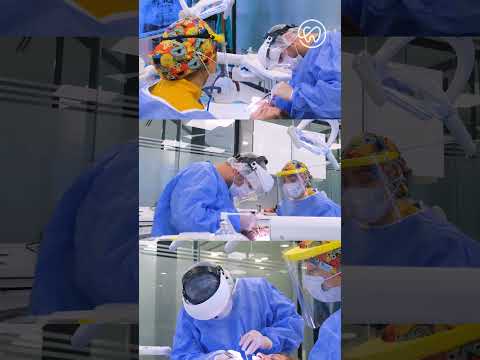
Observing a clinical setting at [00:01], the lead surgeon and assistant operate with complete synchronicity. The specialized dental drill creates precise osteotomies (bone preparations) based on the digital surgical guide. The titanium posts are then torqued into the jawbone, achieving high primary stability.
Maintaining Strict Sterilization Protocols
Cross-contamination prevention is a massive priority for international dental clinics catering to medical tourists. As demonstrated at [00:04], full personal protective equipment (PPE) including specialized face shields, sterile blue gowns, and clinical caps are worn by the entire staff. These rigorous standards match or exceed the guidelines set by major global health organizations.
Every instrument used during the implantation phase undergoes hospital-grade autoclave sterilization. The clinical environment features advanced air filtration systems and highly sanitized surfaces to protect the patient. Such strict adherence to hygiene protocols directly contributes to high surgical success rates and minimized infection risks.
- Hospital-Grade Autoclaves: Utilizing pressurized steam to eradicate all microbial life on dental instruments.
- Barrier Techniques: Applying disposable covers over clinical equipment and high-touch surfaces.
- Air Purification: Continuous cycling of operatory air through HEPA filters to reduce airborne pathogens.
- Stringent PPE Usage: Mandatory face shields, double masking, and sterile gowns for the entire surgical staff.
Analyzing the Cost of Dental Implants in Mexico
The primary catalyst driving thousands of patients across the border is the drastic reduction in healthcare costs. The cost of full mouth dental implants in the United States routinely ranges between $35,000 and $50,000 per arch. These staggering figures make comprehensive restorative dentistry completely inaccessible for the average patient.
By traveling to a specialized dental hub abroad, patients access identical premium materials and expert surgical care for 50% to 70% less. This dramatic price difference is tied to lower overhead costs, reduced administrative burdens, and localized economic factors, rather than a drop in clinical quality. Reputable foreign clinics maintain international accreditations while offering these competitive medical tourism packages.
| Procedure Type | Average Cost in USA/Canada | Average Cost in Mexico | Estimated Savings |
|---|---|---|---|
| Single Titanium Implant | $3,500 - $5,000 | $800 - $1,200 | Up to 70% |
| All-on-4 (Per Arch) | $25,000 - $35,000 | $8,000 - $12,000 | Up to 65% |
| All-on-6 (Per Arch) | $28,000 - $40,000 | $10,000 - $14,000 | Up to 65% |
| Bone Grafting / Sinus Lift | $1,500 - $3,000 | $400 - $800 | Up to 75% |
Evaluating Premium Dental Implant Materials
High-quality clinics utilize universally recognized implant brands such as Straumann, Nobel Biocare, and BioHorizons. These manufacturers produce aerospace-grade titanium fixtures that offer superior biocompatibility and longevity. The human body naturally integrates with titanium through a biological process known as osseointegration.
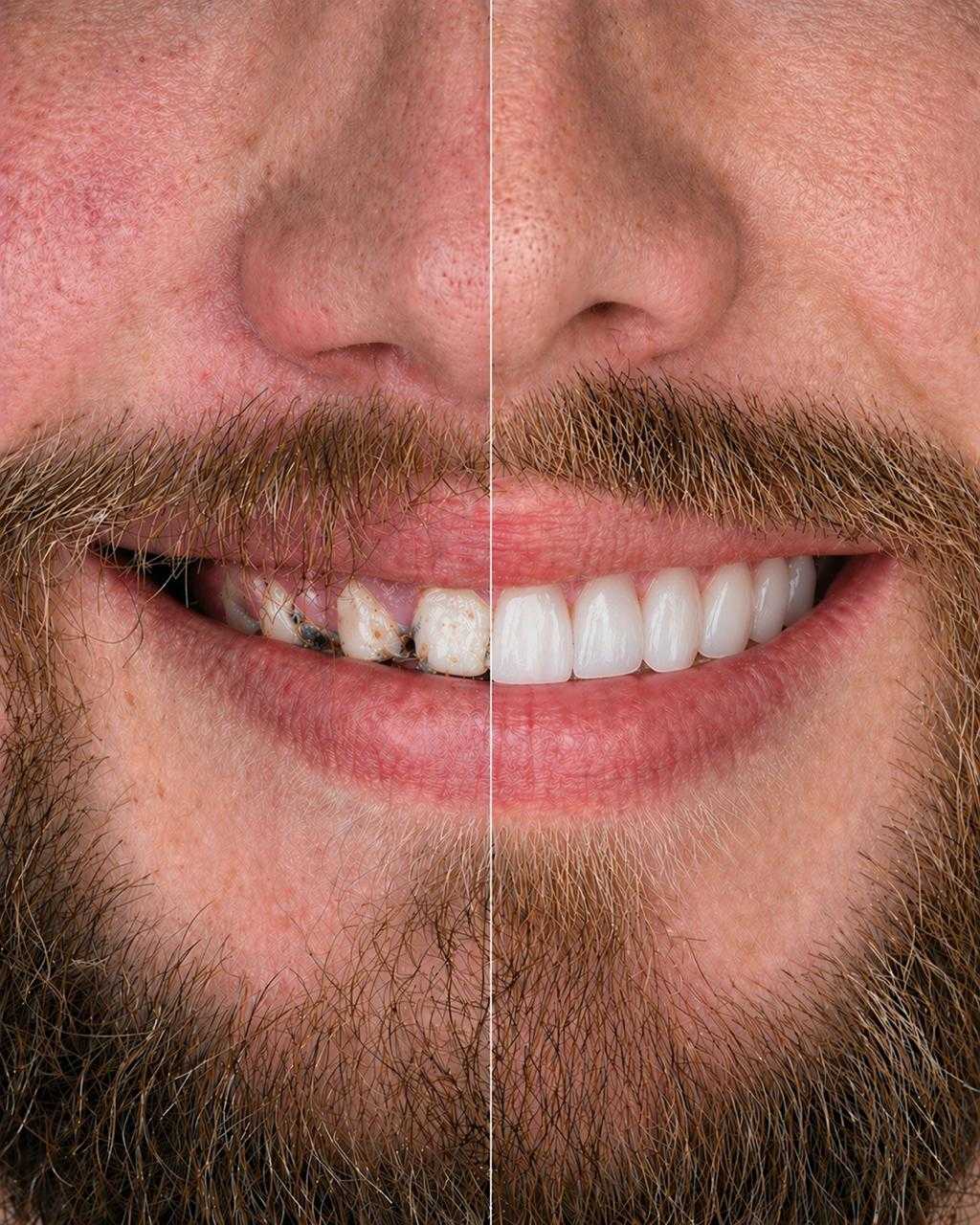
For the visible dental crowns, patients typically choose between high-impact acrylic, porcelain, or monolithic zirconia. Zirconia is increasingly favored for full mouth dental implant procedures due to its extreme durability and highly aesthetic translucency. A skilled prosthodontist carefully color-matches the prosthetic to ensure the final smile looks entirely natural.
Understanding Bone Grafting and Sinus Lifts
When teeth have been missing for extended periods, the underlying jawbone naturally begins to atrophy and resorb. If the jaw lacks sufficient height or density to support an implant, bone grafting becomes an unavoidable prerequisite. This supplementary procedure involves placing specialized grafting material into the deficient areas to stimulate new bone growth.
For implants required in the upper back jaw, a sinus lift might be necessary to prevent the implant post from breaching the sinus cavity. The surgeon gently elevates the sinus membrane and packs the underlying space with bone graft material. While these procedures extend the overall treatment timeline, they are completely vital for long-term implant success.
The Advantage of Immediate Load Implants
Many modern clinics specialize in immediate load implants, famously known as "teeth in a day." If the surgeon determines the initial implant stability is robust enough, a temporary acrylic prosthetic is attached immediately after surgery. This technique allows patients to walk out of the clinic with a fully functional, aesthetic smile on the very same day.
As seen at [00:08], precise prosthetic adjustments are made while the patient remains in the chair. The specialist ensures the temporary arch aligns perfectly with the patient's bite to prevent undue stress on the fresh implants. The patient wears this temporary bridge during the critical healing phase while the permanent zirconia bridge is being milled.
Navigating the Post-Operative Recovery Timeline
The initial recovery phase requires careful attention to the surgeon’s postoperative instructions to prevent infection and facilitate healing. Mild swelling, bruising, and manageable discomfort are completely normal responses during the first 48 to 72 hours following oral surgery. Clinics prescribe targeted antibiotics, specialized mouth rinses, and pain management medications to keep the patient comfortable.
Patients are instructed to keep their head elevated and apply cold compresses to the face to aggressively mitigate swelling. Vigorous rinsing, smoking, and using straws are strictly prohibited, as the suction can dislodge critical blood clots forming at the surgical site. A restful environment and minimal physical exertion are crucial during the first week of recovery.
- Days 1-3: Expect peak swelling. Utilize ice packs in 20-minute intervals. Stick exclusively to liquid diets.
- Days 4-7: Swelling begins to subside. Transition slowly to very soft foods. Continue taking all prescribed antibiotics.
- Weeks 2-4: Gum tissue heals significantly. Sutures typically dissolve or are removed. Soft food diet remains mandatory.
- Months 3-6: Complete osseointegration occurs. The titanium posts fuse permanently with the jawbone. Final prosthetics are securely attached.
Strict Dietary Guidelines After Implant Surgery
Dietary compliance is arguably the most critical factor under the patient's control during the osseointegration period. Consuming hard, crunchy, or chewy foods too soon applies excessive micro-movements to the titanium posts, leading to implant failure. The diet must consist entirely of liquids and heavily pureed foods for the first several weeks.
Nutrient-dense smoothies, protein shakes, blended soups, and mashed vegetables provide the necessary caloric intake without requiring any chewing force. As healing progresses over the months, patients can gradually introduce soft pieces of fish, scrambled eggs, and well-cooked pasta. A full return to a completely unrestricted diet only happens once the permanent, final zirconia bridge is securely affixed.
Planning Your Dental Tourism Logistics
Organizing a trip for affordable dental implants abroad requires strategic logistical planning alongside medical preparations. Reputable clinics typically provide dedicated patient coordinators who assist with securing local accommodations, airport transfers, and clinical scheduling. Many facilities offer comprehensive dental tourism packages that bundle treatments with boutique hotel stays.
Depending on the specific treatment protocol, patients generally make two separate trips spaced four to six months apart. The initial visit covers extractions, implant placement, and fitting the temporary denture, lasting about five to seven days. The final visit involves taking final impressions and attaching the permanent, customized crowns.
Selecting the Best Dental Clinics Abroad
Choosing the correct medical provider is paramount for a safe and successful outcome. Prospective patients must independently verify the specific credentials, specialized training, and board certifications of the implantologist. Look for surgeons who hold active memberships with prominent international organizations, such as the International Congress of Oral Implantologists (ICOI).
At clinical moments like those seen at [00:12], the steady hands of a highly experienced team are evident during fine procedural adjustments. Reading authentic patient reviews, requesting before-and-after portfolios, and participating in virtual video consultations help gauge the clinic's standard of care. Transparency regarding the brands of materials used and detailed, written price quotes are hallmarks of a trustworthy dental facility.
Long-Term Maintenance of Your New Smile
A full mouth dental implant procedure is a massive investment in your health that requires dedicated lifelong maintenance. While titanium implants and zirconia crowns cannot develop cavities, the surrounding gum tissue remains vulnerable to periodontal disease. Peri-implantitis is an inflammatory condition that can destroy the supporting bone and lead to eventual implant loss if neglected.
Patients must adopt a meticulous daily oral hygiene routine utilizing soft-bristled toothbrushes, non-abrasive toothpaste, and water flossers to blast away trapped debris. Using specialized super-floss designed for implant bridges ensures plaque cannot accumulate underneath the prosthetic arch. Scheduling routine cleanings and professional examinations with a local hygienist every six months guarantees the longevity of your newly restored smile.
Ready to Restore Your Smile Affordably?
Connect with top-rated specialists and get a detailed, personalized breakdown of the full mouth dental implant procedure. Take the first step toward your safe and affordable dental tourism journey today.
Get Free QuoteView Video Transcript & Timestamps
[00:00] 00:00
[00:00] 00:00
[00:01] 00:01
[00:02] 00:02
[00:03] 00:03
[00:04] 00:04
[00:05] 00:05
[00:06] 00:06
[00:07] 00:07
[00:08] 00:08
[00:09] 00:09
[00:10] 00:10
[00:11] 00:11
[00:12] 00:12
[00:13] 00:13
[00:14] 00:14
Note: The video features b-roll footage of a clinical dental implant procedure with no spoken dialogue.



.png)
.png)












Share this listing