


Restorative Hip Replacement Surgery in Beijing, China by Dr. Liang Fan
A sudden fall in the middle of the night can instantly change an elderly person's life, turning a simple trip to the light switch into a severe medical emergency. For seniors, a femoral neck fracture is not merely a broken bone; it is a critical, life-altering event requiring immediate, highly coordinated intervention. Fast-track Hip Replacement Surgery in Beijing China for seniors has revolutionized how modern medical teams approach these traumatic injuries, minimizing dangerous bed rest and significantly accelerating recovery timelines. By acting decisively within a crucial 24-hour window, advanced orthopedic specialists are preserving mobility, drastically reducing the risk of severe post-operative complications, and saving lives.
Video Chapters & Quick Navigation
The Anatomy and Vulnerability of the Aging Hip
To understand the severity of an elderly hip fracture, one must first understand the intricate biomechanics of the hip joint. The hip is a classic ball-and-socket joint, designed for extensive weight-bearing and a wide range of motion. The "ball" is the femoral head, which sits atop the femoral neck—a relatively narrow segment of bone that connects the head to the long shaft of the femur.
As humans age, particularly post-menopausal women, bone density naturally decreases, a condition known clinically as osteoporosis. This micro-architectural deterioration makes the bones highly porous and fragile. The femoral neck, due to its shape and the immense mechanical stress it bears, becomes the weak link in the skeletal chain.
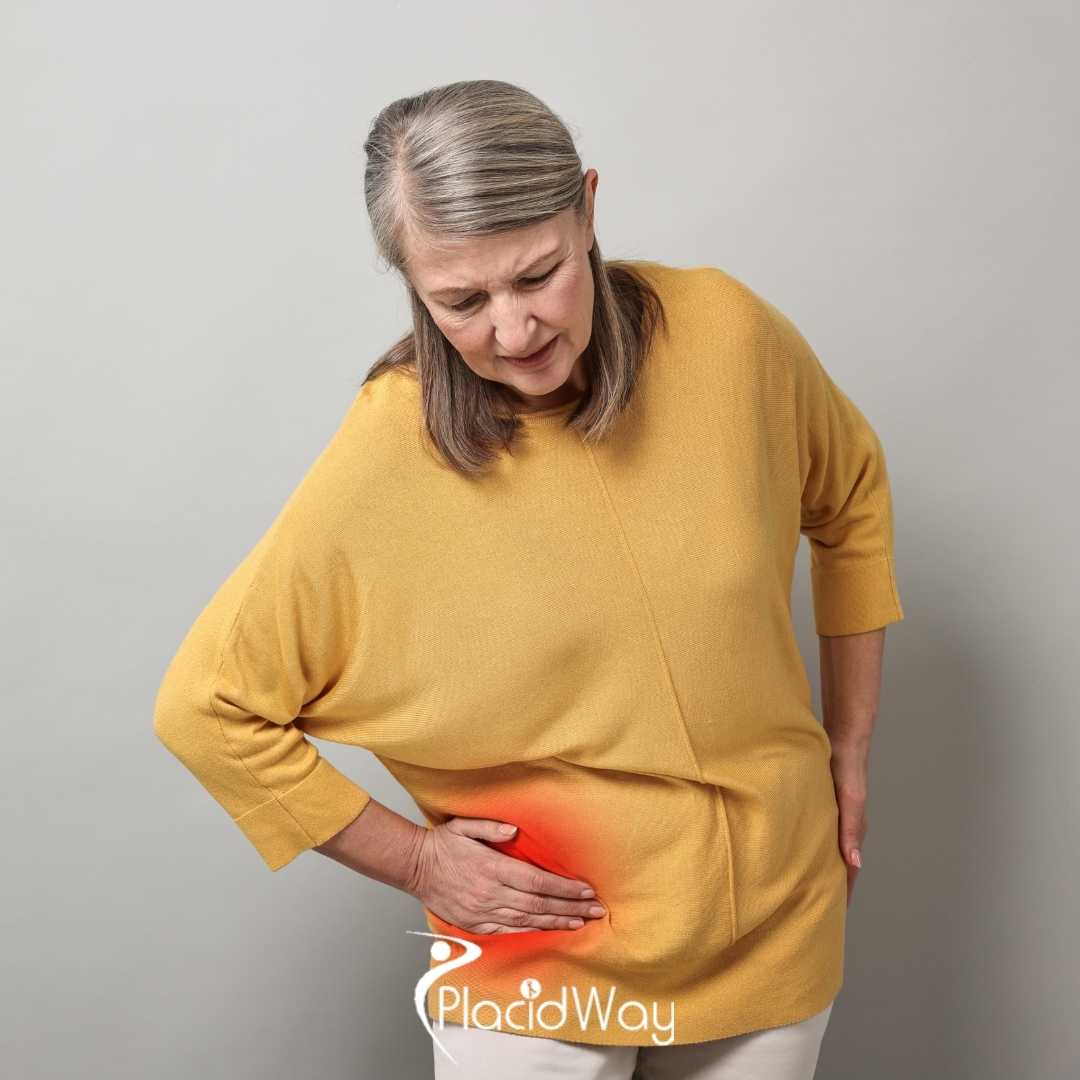
A simple, low-energy impact that a younger person would walk away from can cause a catastrophic break in an elderly patient. In the documented case, the senior female patient suffered a left femoral neck fracture simply by falling to the floor at 11:00 PM while attempting to turn off a light [02:37]. The immediate result was an excruciating left-sided impact, rendering her completely unable to rise or walk [02:46].
Why Femoral Neck Fractures Are Unique
Unlike fractures in the long shaft of the bone, a femoral neck fracture occurs inside the joint capsule. This specialized location has a very precarious blood supply. When the neck breaks, the blood vessels supplying the femoral head are often torn or severely compromised.
If left untreated, or treated improperly, the bone tissue in the femoral head will die—a painful condition called avascular necrosis. Because of this high risk of non-union (the bone failing to heal together) and blood supply disruption, simply putting a cast on the hip or resting in bed is never a viable medical option for this specific type of geriatric trauma.
The "Green Channel": Revolutionizing Emergency Orthopedic Triage
When an elderly patient arrives at an emergency department with a suspected hip fracture, every single minute counts. Traditional hospital triage systems often force these patients to wait for hours in extreme pain while younger, seemingly more emergent cases are handled first. This delay can be psychologically traumatic and medically dangerous.
Modern, high-tier orthopedic centers have implemented what is known as a "Green Channel" for elderly hip fractures. This is a specialized, rapid-response clinical pathway designed to bypass standard emergency room bottlenecks. The moment the patient in this case arrived via the 120 emergency ambulance, the hospital instantly activated this dedicated protocol [00:07].
Immediate Pain Management and Diagnostic Speed
The first step in the Green Channel is immediate, aggressive pre-operative pain management [00:11]. Severe pain not only causes immense suffering but also spikes blood pressure, increases cardiac stress, and can induce delirium in older patients. By utilizing targeted nerve blocks or highly controlled systemic analgesics, the medical team stabilizes the patient's physiological state.
Simultaneously, the Green Channel triggers priority access to radiology and laboratory testing. X-rays, 3D CT scans of the pelvis, and comprehensive blood work are expedited. The goal is to compress the pre-operative waiting time to the absolute minimum, preparing the patient for the operating room long before systemic complications can begin to take root.
The 24-Hour Surgical Window: A Race Against Complications
Historically, doctors preferred to wait days to operate on elderly patients, believing they needed time to "stabilize." Extensive modern medical research has proven this approach to be entirely backwards. The current gold standard clinical guidelines dictate that surgery for elderly hip fractures should ideally occur within 24 to 48 hours of the injury [01:04].
The medical team in this documented case achieved an exceptional response time, successfully performing the complex surgery within 24 hours of the patient's admission. This aggressive timeline is not just about fixing a broken bone; it is a vital strategy to prevent the deadly cascade of "bed rest complications."
The Deadly Cascade of Prolonged Bed Rest
For an octogenarian, lying immobile in a hospital bed is highly toxic to the body. Due to older age and preexisting foundational illnesses, prolonged immobility immediately invites life-threatening secondary conditions. The surgical team must race against the clock to prevent these four major threats:
- Urinary Tract Infections (UTIs): When a patient is bedridden, urine stasis occurs in the bladder, creating a breeding ground for bacteria. In this case, the patient's initial hospital admission tests already revealed elevated white blood cells in her urine, indicating a developing urinary tract infection [01:33].
- Hypostatic Pneumonia: Lying flat prevents full lung expansion. Secretions build up in the lower lobes of the lungs, quickly leading to severe, often fatal pneumonia [01:45].
- Deep Vein Thrombosis (DVT): Lack of leg movement causes blood to pool and clot in the deep veins of the calves and thighs. If a clot breaks loose, it can travel to the lungs, causing a massive pulmonary embolism.
- Decubitus Ulcers (Bedsores): Fragile elderly skin breaks down rapidly under constant pressure, leading to deep, infected wounds that are notoriously difficult to heal.
The Necessity of Multidisciplinary Surgical Clearance
Elderly patients presenting with a femoral neck fracture rarely have a clean bill of health. They often suffer from a complex web of comorbidities, including hypertension, diabetes, chronic obstructive pulmonary disease (COPD), or mild cognitive impairment. Because of this, a single orthopedic surgeon cannot safely manage the case alone.
A fast-track protocol mandates an immediate multidisciplinary consultation system [02:06]. This team typically includes the lead orthopedic surgeon, a specialized geriatric anesthesiologist, and an internal medicine or cardiology physician. Their job is to conduct a rapid, systematic evaluation of the patient's surgical risk profile.
The internal medicine physician works to optimize blood sugar levels and manage blood pressure, while the anesthesiologist determines the safest method of anesthesia—often opting for regional spinal anesthesia over general anesthesia to protect the aging brain from post-operative cognitive dysfunction. Through this seamless collaboration, the hospital can safely clear a high-risk elderly patient for major surgery in a matter of hours.
Surgical Deep Dive: Artificial Femoral Head Replacement
When dealing with a displaced femoral neck fracture in a senior patient, attempting to screw the fragile, broken pieces back together (internal fixation) often results in a high failure rate. The mechanical stress combined with poor bone density means the screws may pull out, or the femoral head may simply die from lack of blood supply.
Therefore, the definitive, most reliable treatment is an artificial femoral head replacement, also known as a hip hemiarthroplasty [00:31]. This highly precise surgical intervention provides an immediate, mechanically sound joint that allows the patient to put full weight on their leg almost immediately.
The Surgical Procedure Explained
During a hemiarthroplasty, the surgeon makes a carefully planned incision to access the hip joint while sparing as much essential muscle tissue as possible. The fractured, disconnected femoral head is carefully extracted from the pelvic socket (acetabulum). Because the patient's original cartilage in the socket is usually still healthy enough, the socket itself is left intact.
The surgeon then prepares the hollow center of the femur bone to accept a high-strength titanium or cobalt-chrome metal stem. This stem is either cemented into place for immediate maximum stability in osteoporotic bone, or tightly press-fit. A perfectly smooth, polished artificial metal or ceramic ball is securely attached to the top of the stem, perfectly mimicking the size and shape of the natural bone that was removed.
| Feature | Internal Fixation (Screws) | Femoral Head Replacement (Hemiarthroplasty) |
|---|---|---|
| Best Candidate | Younger patients with strong bone density. | Elderly patients, osteoporotic bone. |
| Weight-Bearing | Requires weeks of crutches, no weight on leg. | Immediate full weight-bearing on day one. |
| Failure Risk | High risk of avascular necrosis in seniors. | Very low failure rate; permanent mechanical fix. |
Overcoming Systemic Failures and Hospital Anxiety
The technical brilliance of a surgery is only half of the healing equation; the patient's psychological state and basic human needs are equally critical. Before arriving at this specialized facility, the patient endured a highly traumatic stay at a different hospital [03:06]. Her experience highlights the severe systemic failures present in many traditional healthcare environments.
Lying immobilized in bed, unable to eat properly, she developed severe constipation—a very common and deeply uncomfortable complication of orthopedic trauma and narcotic pain medications. When she pleaded for a large volume enema (80-100ml) to relieve her distress, the previous staff could only offer an inadequate 20ml pediatric size, dismissing her severe discomfort [03:15].
The Healing Power of Patient-Centered Care
Compounding her physical pain was intense psychological fear. Placed next to another elderly patient crying out in unmanaged pain from lack of proper toileting care, she became terrified [03:33]. Anxiety directly impedes the body's ability to heal, spiking cortisol levels and increasing the perception of pain.
Upon transferring to the specialized fast-track hospital, the difference in care philosophy was immediate. The medical staff did not just look at her broken bone; they addressed her whole person. The physician explicitly promised her that all her specific needs—including resolving her severe constipation—would be handled promptly and completely [04:09]. This unwavering commitment to patient comfort, delivered with a smile and gentle demeanor, allowed the patient to mentally relax, completely trusting the medical team as she was wheeled into the operating room early Wednesday morning.
ERAS Protocol: Standing and Walking on Day One
The defining hallmark of a modern hip replacement is the implementation of ERAS—Enhanced Recovery After Surgery protocols. Decades ago, patients would spend a week in bed after a joint replacement. Today, through the magic of ERAS, the patient in this video was standing, bearing weight, and taking steps within 24 hours of her major surgery [00:45].
How is this medical feat achieved? ERAS is a comprehensive bundle of care protocols that starts before the scalpel even touches the skin. It involves optimizing pre-operative nutrition, minimizing fasting times, and employing highly advanced multimodal pain management. Instead of relying heavily on intravenous morphine—which causes nausea, dizziness, and heavy sedation—anesthesiologists use a cocktail of targeted nerve blocks, non-steroidal anti-inflammatory drugs (NSAIDs), and localized anesthetics injected directly into the joint capsule during surgery.
Post-operatively, the team provides aggressive nutritional support and proactive blood management, including blood transfusions only if strictly clinically necessary to maintain energy levels [00:36]. Because the pain is isolated and controlled without heavy sedation, the patient is fully alert. The mechanical stability of the artificial femoral head is absolute, meaning the patient can put their full body weight on the leg without fear of damaging the surgical site.
Restoring True Independence: The Road Ahead
Taking those first few steps under the patient guidance of the medical staff is a monumental psychological victory. The patient demonstrated a remarkably stable gait and reported very low pain intensity just hours after having a joint replaced [00:54]. This early mobilization is the ultimate defense against the dreaded bed rest complications mentioned earlier, stimulating blood flow, expanding the lungs, and restoring normal bowel and bladder function.
However, the surgery is only the beginning of the journey. To ensure long-term success and restore true independence, comprehensive post-operative physical therapy is essential. Physical therapists work daily with the patient, initially focusing on safe transfers (getting in and out of bed or a chair), and progressively advancing to stair climbing and longer walks.
Equally important is conducting a thorough home safety evaluation. The simple act of modifying the environment—such as installing brighter, easily accessible lighting to prevent fumbling in the dark, removing loose throw rugs, and installing grab bars in the bathroom—is paramount. By combining world-class, rapid surgical intervention with dedicated rehabilitation and compassionate, patient-centered care, modern orthopedics ensures that a fall in the dark is no longer the end of a senior's active life, but merely a temporary hurdle on the path back to independence.
Secure Your Mobility with Expert Orthopedic Care
Don't let a hip fracture dictate your future. Connect with top-tier orthopedic specialists for Orthopedic Surgery for Hip Fracture in China who utilize fast-track protocols and advanced joint replacement techniques. Reclaim your independence with safe, rapid, and compassionate surgical care.
CONSULT A SPECIALIST TODAYView Full Video Transcript
[00:00:00] We recently admitted an elderly female patient to our department. This
[00:00:04] patient had a left femoral neck fracture. Her condition was quite urgent at the time, and
[00:00:07] she was brought in by an ambulance. We immediately activated the "Green Channel" for elderly hip
[00:00:11] fractures and provided her with immediate preoperative pain
[00:00:15] management. Simultaneously, we followed up with a corresponding rapid
[00:00:19] examination. Once the relevant checks were completed, we provided
[00:00:23] a rapid surgical response, compressing the patient's preoperative
[00:00:27] stay to the shortest possible time. We performed a
[00:00:31] left femoral neck fracture hemiarthroplasty (artificial femoral head replacement). Postoperatively, we provided
[00:00:36] corresponding support, increased nutrition, performed blood transfusions, and provided
[00:00:41] comprehensive postoperative pain management. After a brief period of bed
[00:00:45] rest and recovery, within 24 hours, she was basically able to get out of bed
[00:00:50] with support, and then began weight-bearing walking
[00:00:54] exercises. Her gait was quite stable, and the patient felt that the intensity of the pain
[00:00:59] was very low. The clinical guidelines for elderly hip fractures
[00:01:04] stipulate that surgery should be performed within 24 to 48 hours; we gave
[00:01:09] her the fastest possible response. After the patient was hospitalized, the surgery was performed
[00:01:13] within 24 hours. The patient's condition was still quite complex,
[00:01:17] mainly because of her advanced age and the many underlying medical
[00:01:21] conditions common in the elderly. In such cases, she cannot be allowed
[00:01:25] to stay in bed for a long time, because various complications occur immediately after being bedridden,
[00:01:29] one of which is a urinary tract infection. When the patient
[00:01:33] was examined upon admission, the urinalysis indicators showed many white
[00:01:37] blood cells, so a urinary tract infection had already appeared. At the same
[00:01:41] time, by reducing her time in bed, we can avoid hypostatic pneumonia,
[00:01:45] bedsores, and the occurrence of deep vein thrombosis. Therefore,
[00:01:49] we had to race against time to perform the surgery. After the surgery,
[00:01:53] she could move around early, which effectively
[00:01:57] avoided the emergence of the aforementioned complications. For such elderly
[00:02:02] patients, there must be a corresponding multidisciplinary
[00:02:06] consultation system in place, including the anesthesiology department and internal medicine.
[00:02:10] After a systematic assessment and through our collaborative efforts,
[00:02:14] the surgery was completed quickly. (Doctor to Patient): Let's see the lady—you've done a great job.
[00:02:19] (Patient): No, no, it was just a small effort on my part. (Doctor): Our orthopedic
[00:02:23] "Rapid Recovery" is our specialty. (Patient): My bed is a bit far
[00:02:26] from the light in the bedroom. I am used to turning off the light first
[00:02:32] and then getting into bed to sleep. In the past, nothing ever happened,
[00:02:37] but that night at 11 o'clock, as soon as I sat down,
[00:02:41] I fell to the floor. I fell on my left side like that,
[00:02:46] and it made my hip very painful. At that moment, I felt I couldn't
[00:02:51] get up; I couldn't move anymore, and I knew I had broken something. We
[00:02:56] called emergency services immediately. The person who took me in said I had a
[00:03:01] femoral neck fracture. I stayed in observation for a day. I didn't get much rest
[00:03:06] that night, as there were many exams and tests. I
[00:03:11] have severe constipation. I asked them, "Can you help me with my constipation?"
[00:03:15] Do you have the large 80 to 100 ml Glycerin Enemas? They said,
[00:03:20] "No, we only have these small 20 ml ones." I am a patient with chronic
[00:03:25] constipation; if I lie there and can't eat much, I will definitely be constipated.
[00:03:29] There was another old lady next to me in the ward who couldn't have a bowel movement,
[00:03:33] and her surgery was very painful, which made me scared. I felt nervous
[00:03:37] being there. My daughter contacted your hospital through a check-up
[00:03:41] connection. It happened that Dr. Wu was there that night,
[00:03:46] so my daughter showed the X-rays to Dr. Wu. As soon as Dr. Wu saw them,
[00:03:50] he said surgery was necessary, specifically a bone replacement. At that
[00:03:55] moment, we transferred over. Coming here, I felt your attitude
[00:04:00] was particularly good, the service was great, and the medical skill was excellent.
[00:04:04] Furthermore, regarding my concerns, Dr. Wu said, "We can solve all your requests;
[00:04:09] even if we don't have something, we will find a way to get it for you. We will satisfy
[00:04:13] whatever you need." When I heard that, I was very moved, and I decided
[00:04:17] to stay. I was admitted on Tuesday, and by Wednesday before 6 o'clock,
[00:04:21] I was scheduled for surgery. Moreover, the attitudes of the staff I met here
[00:04:25] were excellent, which made me feel very secure. Every person
[00:04:30] served with a smile and treated me with kind words. Their attitude
[00:04:34] was wonderful. They were very patient when helping me get out of bed,
[00:04:39] serving others with all their heart. I really admire that. Yeah.



-Package-for-Ankle-Osteoarthritis-in-Beijing,-China-by-AMCare.jpg)

-Using-Suture-Button-Fixation-in-Beijing,-China-by-AMCare.jpg)



.png)








Share this listing