


Transformative Stem Cell Therapy in Mexico: Advanced Regenerative Medicine for Joint Injuries
Patients struggling with chronic musculoskeletal pain are increasingly turning to highly specialized treatments, making advanced stem cell therapy in Mexico a leading choice for effective joint restoration. Finding a reputable clinic for regenerative medicine provides individuals with alternatives to highly invasive orthopedic surgeries. These specialized facilities utilize potent biological treatments to address the underlying causes of tissue degeneration.
By strategically harnessing the human body's intrinsic healing mechanisms, customized cellular protocols allow individuals to experience dramatic improvements in physical mobility. The application of high-density cellular injections directly targets chronic inflammation and accelerates the repair of damaged cartilage and connective tissues. This specialized approach ensures that patients receive therapies tailored to their unique physiological profiles.
The global landscape of medical care is shifting rapidly toward biology-based interventions rather than traditional structural repairs. Seeking comprehensive regenerative therapies allows for a more holistic recovery process focusing on long-term tissue viability. Through precise diagnostics and advanced laboratory techniques, modern clinics offer unparalleled opportunities for restoring joint health and overall quality of life.
Video Chapters: Explore Regenerative Solutions
- Understanding Specialized Regenerative Protocols
- The Science of Mesenchymal Master Cells
- Targeted Stem Cell Therapy for Knee Wear
- Healing Rotator Cuff Injuries Biologically
- Restoring Mobility After Severe Hip Injuries
- Why Cell Count Optimization Matters
- The Comprehensive Medical Assessment Process
- Maximizing Outcomes in Orthopedic Care
Understanding Specialized Regenerative Protocols
The field of orthopedics is undergoing a massive transformation as practitioners move away from temporary steroid injections toward permanent biological solutions. Scheduling the regenerative medicine treatment that best suits your specific musculoskeletal condition is the critical first step toward lasting relief. [00:02] Clinics equipped with modern laboratories are uniquely positioned to offer customized protocols that match the exact severity of a patient's tissue degradation.
Unlike traditional pharmaceuticals that merely mask pain signals to the brain, cellular therapies act directly at the site of the anatomical deficit. These advanced protocols involve the precise administration of biological materials intended to alter the inflammatory microenvironment of the affected joint. This shift in the internal joint chemistry is what ultimately halts the progression of degenerative diseases.
A well-structured regenerative protocol requires a deep understanding of cellular biology and biomechanics. Physicians must carefully evaluate which combination of growth factors, cytokines, and cellular agents will yield the highest probability of tissue regeneration. This individualized approach maximizes the therapeutic efficacy and ensures a higher rate of successful patient outcomes.
The Paradigm Shift in Orthopedic Interventions
For decades, patients with deteriorating joints were told that invasive replacement surgery was an inevitable outcome of aging. The introduction of highly concentrated cellular injections has completely disrupted this outdated timeline of care. By intervening earlier with biological agents, patients can successfully preserve their native joint structures for years or even decades.
The goal of these modern interventions is to trigger an anabolic, or building, phase within tissues that are normally locked in a catabolic, degrading state. This is achieved through the powerful signaling capabilities of introduced cells. Transforming a hostile, inflamed joint capsule into an environment conducive to cellular proliferation is the hallmark of effective regenerative care.
The Science of Mesenchymal Master Cells
At the core of the most successful regenerative treatments are multipotent stromal cells, frequently referred to in clinical settings as master cells. Providing sessions with up to one hundred million master cells per patient ensures a robust and comprehensive biological response. [00:08] These highly specific cells, often derived from ethically sourced umbilical cord tissue, possess unparalleled immunomodulatory and regenerative capabilities.
Mesenchymal master cells do not simply build new tissue on their own; instead, they act as sophisticated biological managers within the injury site. Upon injection into an inflamed joint, they immediately begin assessing the microenvironment and releasing targeted exosomes and growth factors. These secreted proteins instruct the patient's own native cells to begin the repair process and reduce local inflammation.
The viability and potency of these cellular products are strictly regulated through advanced laboratory expansion techniques. By cultivating these cells in highly controlled, sterile environments, scientists can guarantee extremely high cell counts with maximum vitality. This laboratory expansion is a key differentiator between standard same-day procedures and advanced international therapeutic protocols.
Mechanisms of Action in Master Cells
- Immunomodulation: The cells actively downregulate hyperactive immune responses that cause chronic swelling and joint pain.
- Paracrine Signaling: They secrete critical proteins that stimulate the formation of new blood vessels and cellular networks.
- Anti-Apoptotic Effects: The treatments prevent existing healthy cartilage cells from prematurely dying due to joint stress.
Targeted Stem Cell Therapy for Knee Wear
Knee osteoarthritis represents one of the most debilitating physical conditions, affecting millions of individuals and drastically reducing their overall mobility. Advanced stem cell therapy for knee wear specifically targets the progressive loss of articular cartilage that causes painful bone-on-bone friction. [00:14] By delivering concentrated biological agents directly into the synovial fluid, doctors can initiate a localized healing response.
The constant mechanical stress placed on the knee joint makes it highly susceptible to accelerated wear and tear over time. When mesenchymal populations are introduced via ultrasound-guided injections, they adhere to damaged areas within the menisci and cartilage surfaces. This localized application ensures that the powerful anti-inflammatory properties of the therapy are concentrated exactly where the degradation is occurring.
Patients pursuing these specialized intra-articular treatments often report significant improvements in load-bearing capacity and a vast reduction in morning stiffness. The ability to climb stairs, walk long distances, and participate in recreational sports can often be restored without resorting to a total knee arthroplasty. Preserving the native biomechanics of the knee is the ultimate goal of these advanced cellular interventions.
Addressing Complex Knee Pathologies
Beyond simple osteoarthritis, biological therapies are highly effective for a range of complex structural issues within the knee. Grade two and grade three meniscal tears frequently respond positively to precise cellular injections, avoiding the need for arthroscopic trimming. This helps maintain the crucial shock-absorbing capabilities of the meniscus over the long term.
Furthermore, chronic patellar tendinopathy and ligament sprains can be addressed simultaneously during a comprehensive joint treatment. The systemic release of growth factors within the knee capsule benefits all surrounding connective tissues. This multi-tissue healing approach is what makes regenerative medicine vastly superior to single-target surgical repairs.
Healing Rotator Cuff Injuries Biologically
The shoulder is an incredibly complex multi-axial joint, and damage to its stabilizing muscles can result in profound functional impairment. Utilizing regenerative medicine for rotator cuff injuries provides a sophisticated method for healing micro-tears and severe tendinopathy. [00:16] Rather than anchoring torn tendons with surgical hardware, biological treatments stimulate the tendon fibers to regenerate naturally.
Rotator cuff tendons are notorious for having a poor blood supply, which drastically limits their natural ability to heal after acute trauma or repetitive strain. Injecting concentrated master cells directly into the supraspinatus or infraspinatus tendons floods the avascular zones with necessary growth factors. This biological influx acts as a catalyst, rapidly accelerating the proliferation of healthy tenocytes.
The recovery timeline for biological shoulder treatments is fundamentally different and often much shorter than surgical rehabilitation. Patients avoid the lengthy immobilization periods associated with traditional rotator cuff repairs, which frequently lead to secondary complications like frozen shoulder. Restoring tensile strength and full range of motion through non-surgical means represents a major advancement in sports medicine.
Comparing Shoulder Treatment Modalities
| Treatment Type | Invasiveness | Typical Recovery Time | Mechanism |
|---|---|---|---|
| Surgical Repair | High (Incision, Anchors) | 4 to 6 Months | Mechanical reattachment |
| Corticosteroids | Low (Injection) | Immediate (Temporary) | Chemical suppression |
| Cellular Therapy | Low (Guided Injection) | 6 to 12 Weeks | Biological tissue regeneration |
Restoring Mobility After Severe Hip Injuries
The hip joint bears a massive amount of the body's weight, making it highly susceptible to debilitating degenerative changes and acute labral tears. Implementing advanced stem cell treatments for hip injuries offers a viable pathway to circumvent highly traumatic total hip replacement surgeries. [00:18] Precise image-guided injections allow specialists to navigate the deep, complex anatomy of the hip capsule with exact precision.
Conditions such as avascular necrosis, where the blood supply to the femoral head is compromised, can severely damage the structural integrity of the hip. Regenerative cellular therapies actively promote angiogenesis, the vital formation of new blood vessels, which is critical for re-vascularizing dying bone tissue. By stimulating this new blood flow, the biological agents help to stabilize the joint and prevent further structural collapse.
Furthermore, for patients suffering from advanced hip osteoarthritis, the targeted application of high-density master cells deeply mitigates localized capsular inflammation. The therapy works to thicken the synovial fluid, providing superior lubrication and drastically reducing the painful friction generated during normal walking or bending. This comprehensive biological overhaul of the hip joint environment is essential for restoring pain-free locomotion.
Expanding the Scope of Treatment
Advanced regenerative clinics are not limited strictly to the major weight-bearing joints; they possess the technology to address a wide array of systemic and localized issues. The versatility of laboratory-expanded mesenchymal populations allows specialists to target and treat other conditions effectively. [00:20] This includes degenerative disc disease in the spine, tennis elbow, and chronic plantar fasciitis.
The underlying pathology of most musculoskeletal disorders involves uncontrolled inflammation and an inability of the native tissue to self-repair. By systematically introducing a massive influx of regenerative signaling agents, physicians can reset the body's healing cascade across various anatomical locations. This broad applicability makes cellular therapy a cornerstone of modern sports medicine and longevity practices.
Why Cell Count Optimization Matters
A critical factor that dictates the long-term success of any biological intervention is the absolute number of viable cells delivered to the injury site. Treatments utilizing sessions of up to one hundred million master cells provide a massive biological advantage over basic autologous therapies. The sheer volume of signaling agents released by a high-dose injection is required to overcome the deeply entrenched inflammatory environments found in severely arthritic joints.
In traditional same-day procedures utilizing bone marrow or adipose tissue, the final cell yield is entirely dependent on the patient's age and baseline health. Often, these yields fall drastically short of the millions required to initiate a meaningful regenerative response in large joints like the knee or hip. Utilizing ethically sourced, laboratory-expanded allogeneic cells guarantees a precise, astronomically high therapeutic dose every single time.
The concept of "dose-dependency" is widely recognized in advanced clinical research regarding mesenchymal applications. Lower cell counts may provide temporary, mild anti-inflammatory relief, but they frequently fail to trigger actual structural tissue remodeling. By ensuring maximum cellular density, elite clinics maximize the probability of profound cartilage preservation and long-lasting pain eradication.
Laboratory Expansion vs. Same-Day Isolation
- Potency Assurance: Lab-expanded cells are tested for viability and surface markers, ensuring only the most robust cells are administered.
- Patient Comfort: Utilizing expanded master cells eliminates the need for painful bone marrow aspirations or minor liposuction procedures.
- Standardized Dosing: Physicians can prescribe an exact therapeutic dose, ranging from 50 million to over 100 million cells per joint.
The Comprehensive Medical Assessment Process
No two joint injuries are physiologically identical, which necessitates a highly individualized approach to biological treatments. Taking the time to make a thorough assessment appointment to adjust your treatment protocol is the foundation of successful regenerative care. [00:25] Expert physicians rely on detailed medical histories, physical examinations, and advanced imaging to map out the precise location of tissue damage.
High-resolution MRI scans and detailed musculoskeletal ultrasounds are absolutely crucial for determining the exact grade of cartilage loss or tendon tearing. This diagnostic imaging allows the medical team to accurately calculate the required cellular dosage and pinpoint the optimal injection sites. Without this granular level of detail, treatments risk being administered blindly, drastically reducing their overall effectiveness.
During the evaluation, specialists will also review a patient's metabolic health, biomechanical alignments, and previous surgical interventions. Factors such as severe joint instability or advanced autoimmune conditions may require supplementary therapies to ensure the cellular injections thrive in the joint capsule. Customizing the formulation based on these exhaustive diagnostics ensures that the patient receives the highest standard of personalized precision medicine.
Tailoring the Biological Matrix
Following a comprehensive assessment, the medical team will construct a bespoke biological matrix for the injection. This matrix often involves combining the high-density master cells with a specialized scaffold, such as hyaluronic acid or platelet-rich plasma (PRP). These supplementary elements act as a structural framework, holding the cells directly against the damaged tissue.
The addition of PRP is particularly common, as it provides an immediate source of localized growth factors that essentially feed the newly introduced stem cells. This combination therapy creates a synergistic effect, multiplying the regenerative potential far beyond what either treatment could achieve independently. Careful calibration of this matrix is a testament to the expertise found at top-tier regenerative facilities.
Maximizing Outcomes in Orthopedic Care
The success of high-dose cellular therapy extends beyond the clinic doors and requires dedicated patient compliance during the critical recovery window. While the procedures themselves are minimally invasive, the biological remodeling occurring within the joint demands careful management of physical stress. Patients are typically advised to undergo a period of relative rest, avoiding high-impact activities that could shear the newly forming cellular matrices.
Integrating targeted physical therapy into the post-procedure protocol is absolutely essential for optimal functional recovery. Gentle, guided movements help distribute the synovial fluid and stimulate the proper alignment of newly generated collagen fibers within tendons and cartilage. A specialized physical therapist will ensure that the joint regains strength and stability without prematurely overloading the healing tissues.
Furthermore, maintaining a holistic approach to metabolic health significantly enhances the efficacy of regenerative interventions. Optimizing nutrition, reducing systemic inflammation through diet, and carefully managing physical rehabilitation creates an internal environment where biological therapies can truly flourish. This comprehensive commitment to recovery ensures that patients achieve the lasting, transformative results they seek from advanced cellular medicine.
Secure Your Personalized Regenerative Treatment Plan
Do not let chronic joint pain dictate your quality of life. Connect with leading specialists to discover how a customized protocol utilizing millions of highly potent master cells can repair your knee, hip, or shoulder without invasive surgery.
Get Your Free Medical AssessmentView Full Video Transcript & On-Screen Text
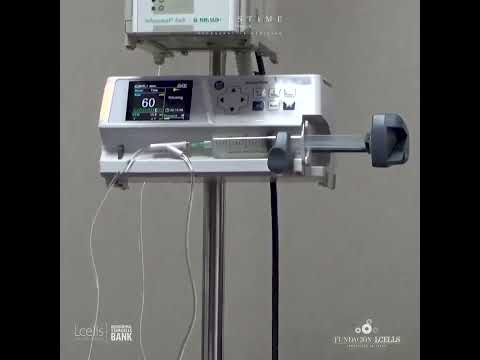
[00:00] (Music playing, visual of clinic setting)
[00:02] Schedule the regenerative medicine treatment that best suits your needs.
[00:08] With sessions of up to one hundred million master cells per patient
[00:14] Knee Wear
[00:16] Rotator Cuff Injury
[00:18] Hip Injuries
[00:20] And other conditions to treat
[00:25] Make an assessment appointment to adjust your treatment




-(12).png)
.png)

.png)

-(10).png)

-(8).png)








Share this listing