
Alternative Breast Cancer Treatment in Mexico: Jessica’s Stage 4 Patient Story
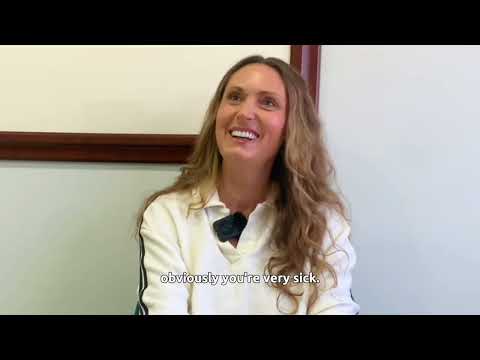
After being diagnosed with stage 4 metastatic breast cancer, Jessica Friedland faced significant physical and emotional challenges. Her health had declined to the point where she had very little energy and struggled with everyday activities such as walking and breathing comfortably. After being told that surgery and chemotherapy were not treatment options for her at that stage, Jessica began exploring other possibilities.
Her search led her to explore alternative breast cancer treatment in Mexico at the Immunity Therapy Center (ITC) in Tijuana. In this video, Jessica shares her personal experience with heat-based therapies, nutrition, cancer-related pain, medical support, traveling in Tijuana, and the health changes she says she experienced during and after treatment.
Video Chapters & Quick Navigation
- Facing Stage 4 Metastatic Breast Cancer
- Why Jessica Chose Cancer Treatment in Tijuana
- Jessica’s Experience with Heat-Based Therapies
- Managing Severe Cancer-Related Bone Pain
- The Nutrition Program at ITC
- Patient-Centric Care and Medical Staff
- Jessica’s Experience with Medical Travel in Tijuana
- Jessica’s Reported Results After Treatment
Facing a Stage 4 Metastatic Breast Cancer Diagnosis Without Traditional Options
Jessica says she was diagnosed with stage 4 metastatic breast cancer in May 2023. At that point, her health had declined considerably, and ordinary daily activities had become difficult.
She recalls feeling extremely sick, having very little energy, struggling to breathe comfortably, and finding it difficult to walk around her neighborhood [00:32].
Jessica explains that medical professionals she consulted in the United States told her that surgery and chemotherapy were not treatment options for her at that stage [01:00]. She also recalls being given an estimated life expectancy of approximately one year.
Looking for Another Approach to Cancer Care
With the treatment options discussed with her in the United States becoming limited, Jessica began researching other approaches. Her search eventually introduced her to integrative cancer care in Mexico and led her to consider treatment in Tijuana.
Her decision was deeply personal and reflected her desire to continue exploring options after receiving a difficult stage 4 diagnosis.
Discovering Alternative Breast Cancer Treatment at ITC in Tijuana
Jessica chose the Immunity Therapy Center (ITC) in Tijuana after learning about the clinic and reading positive reviews. She traveled to Mexico looking for a different approach to managing her stage 4 metastatic breast cancer.
Before arriving, Jessica says she tried to manage her expectations while remaining hopeful that the experience could help improve her health [01:08].
She also reflects on the amount of stress she had experienced in her life [02:33]. For Jessica, being in a calm and supportive environment became an important part of her treatment experience.
Why Jessica Chose Treatment in Tijuana
- A Different Treatment Approach: Jessica was searching for options beyond those that had been discussed with her in the United States.
- Integrative Care: Her experience at ITC included heat-based therapies, nutrition, and supportive care.
- Patient Support: Jessica highlights the availability and attentiveness of doctors and nurses throughout her stay.
Jessica’s Experience with Heat-Based Therapies
Heat-based therapies were a significant part of Jessica’s treatment experience at the Immunity Therapy Center. She explains that much of her daily routine involved heat [01:48].
The video discusses hyperthermia therapy, which uses controlled heat as part of a treatment program. Jessica describes spending considerable periods resting during these sessions.
Although the treatments often involved lying down and resting, Jessica says they could leave her feeling physically exhausted [02:01]. She compares the feeling to the tiredness that can follow an intense workout while describing the overall experience as peaceful.
How Jessica Describes Her Heat Therapy Experience
For Jessica, one of the most noticeable parts of treatment was the contrast between resting during the sessions and feeling physically tired afterward. Heat-based treatment became a recurring part of her daily experience at ITC.
Her comments reflect her individual treatment experience. The suitability and expected effects of any therapy can vary depending on a patient’s diagnosis, overall health, and medical plan.
Managing Severe Cancer-Related Bone Pain
Jessica also discusses the severe pain she experienced after her metastatic breast cancer affected other areas of her body, including her bones.
At [03:25], she explains how painful her condition had become.
One of the changes Jessica emphasizes in the video is that she eventually stopped taking the pain medication she had previously relied on.
At [03:13], Jessica says she became completely free from her pain medication after treatment and after continuing aspects of her routine at home.
Jessica’s Personal Experience with Pain Management
Being able to discontinue pain medication was an important milestone for Jessica and one of the changes she speaks about most positively in the video.
Her experience is personal to her treatment journey. Prescribed medications should only be changed or discontinued with appropriate medical guidance.
The Role of Nutrition During Jessica’s Treatment at ITC
Nutrition was another major part of Jessica’s experience at the Immunity Therapy Center.
At [04:24], Jessica explains that the nutrition program she followed during her stay did not include salt, dairy, gluten, or sugar.
She says the clinic closely monitored what she ate and placed considerable emphasis on making sure she remained nourished during treatment.
Jessica also appreciated that the meal plan could be adjusted when needed. At [04:40], she explains that if there were foods she did not want or could not comfortably eat, the staff worked with her.
Customization and Support with Jessica’s Nutrition
- Structured Meals: Jessica followed a defined nutrition plan throughout her stay at ITC.
- Flexible Accommodations: Staff adjusted meals when Jessica disliked or had difficulty eating particular foods.
- Ongoing Attention: Jessica says the team carefully monitored what she ate during treatment.
The nutrition program described in the video reflects Jessica’s individual experience and should not be considered a universal dietary recommendation for every person with breast cancer.
Patient-Centric Care and Medical Staff Support at ITC
One of the strongest themes in Jessica’s testimonial is her appreciation for the doctors and nurses at the Immunity Therapy Center.
Jessica highlights the fact that doctors were positioned close to the areas where patients received treatment [03:50].
At [04:00], Jessica says she felt that medical assistance was readily available whenever she had a question or concern.
She also speaks warmly about the nursing staff. At [04:16], Jessica describes the nurses as patient, calm, caring, and supportive.
The Importance of Support During Treatment
For Jessica, the accessibility of the medical team and the attitude of the nursing staff contributed significantly to her overall experience.
She describes the environment as reassuring and says the support she received helped make a difficult period easier to manage emotionally.
Navigating Medical Tourism: Jessica’s Experience in Tijuana
Traveling internationally for cancer treatment can raise practical concerns, including questions about navigating an unfamiliar destination. Jessica addresses this topic directly and shares her personal experience while staying in Tijuana.
Jessica traveled from Spokane, Washington, and says she frequently moved around the city independently [05:05].
She says she used local transportation, interacted with taxi drivers, and sometimes walked by herself.
At [05:15], Jessica says she personally did not experience a situation during her stay in which she felt unsafe or threatened.
Jessica’s Perspective on Traveling to Mexico for Treatment
- Traveling from the United States: Jessica traveled from Spokane, Washington, to Tijuana for treatment.
- Local Transportation: She says she used taxis and moved around different areas of Tijuana.
- Her Personal Experience: Jessica reports that she personally felt comfortable during her stay.
Jessica’s comments describe her own travel experience. Patients considering international medical travel should make decisions based on their individual circumstances and current travel conditions.
Jessica’s Reported Results After Alternative Breast Cancer Treatment in Mexico
Toward the end of the video, Jessica shares the health changes she says occurred after receiving treatment at ITC and continuing elements of her routine after returning home.
At [03:38], Jessica reports that the tumors in her breasts had decreased in size by approximately 50 percent.
She also says that her overall stage 4 cancer condition had become stable.
Jessica further explains that she was able to stop taking the pain medication she had previously needed.
At [05:50], Jessica acknowledges that alternative and integrative approaches may initially feel unfamiliar to patients.
At [05:59], she says she believes her decision to seek treatment in Mexico played an important role in her personal journey.
Jessica also describes having more energy and says that people meeting her would not necessarily realize she was living with a stage 4 cancer diagnosis.
These results are reported by Jessica as part of her individual patient testimonial and should not be interpreted as a guarantee that another patient will experience the same outcome.
Ready to Explore Your Cancer Treatment Options?
If you or a loved one are exploring alternative or integrative cancer treatment options in Mexico, PlacidWay can help you learn more about available treatment programs and connect with medical providers.
Get Free QuoteView Full Video Transcript
00:00
My name is Jessica Friedland, and my diagnosis is stage 4 metastatic breast cancer. I came from Spokane, Washington to be here.
00:15
Tell us about your cancer diagnosis. I was really, really sick. I mean, when you hear stage four breast cancer, obviously you're very sick. I got diagnosed in May 2023, and at that point I was just really having a tough time. I couldn't walk around the block. I mean, I was having a hard time breathing, I had no energy.
00:41
It was just getting bad and I knew what shape I was in. And I ended up coming here because I was not offered any treatment option in the states. They basically said, you're stage four, good luck. You know, I didn't qualify for surgery, I didn't qualify for chemotherapy, nothing. So I ended up coming here.
01:05
What were you expecting from your treatment at ITC? I heard a lot of really great things, even though I wasn't expecting anything. I was hopeful that something really great would happen to me and that my health would turn around. I mean, that is what I really was hoping for. And that's really what I got.
01:25
I do know they gave me one year to live, the western medical community. They said that there was absolutely no way that I would be alive in May of 2024, which is my birthday. And not only am I alive, but no one would even think that I have cancer.
01:45
What did you think about the therapies? There is a lot of heat involved, which, you know, we all know that heat kills cancer, but there's a lot of heat involved. It kind of feels like you're resting most of the day, but because of the treatments and because they are really working your body in a different way, not in an exercise kind of way, but just like in a different way, that it's really exhausting, but peaceful.
02:11
And you're not sleeping all day. You can if you want, but you are just going through each of the treatments, and there is nothing hard about any of them. And there is nothing stressful, which I think is really, really important because I came from a high, high-stress environment, and I have cancer, because of my stress. I mean, I have been in a really high-stress environment for a really long time.
02:42
And so that's important to me. So I would say, you know, like if you are worried about being scared, or stressed out, or something being hard, you just aren't going to find it here. It's just easy and you are going to feel it at the end of the day, but that it's easy.
03:01
What are some of the results you've experienced from the therapies? Actually, after my treatment here and the continued treatment that I did at home from everything that I learned here, which was a lot, I actually got myself 100 percent off of my pain meds. So, and I have cancer everywhere, in my bones. So it is very, very painful. And I literally got myself off of pain meds.
03:30
My tumors are down. I will say I don't know... my whole cancer is stable right now, but the tumors in my breasts are down 50% which is amazing, because they were huge.
03:45
What did you think about the medical staff at ITC? The thing that I love here is that the doctors are positioned right outside of all the treatment rooms. And it is a rarity that if you need to talk to them, that they aren't there within minutes. And that is amazing, because you aren't going to find that anywhere else.
04:05
The nurse team is amazing. They know their stuff. They are patient, calm, sweet, I mean, I just feel kind of like your mom is taking care of you.
04:20
What did you think about the nutrition program? There is no salt, there is no dairy, there is no gluten, there's no sugar. There's a lot of nos, but while you are here you are going to get nourished. And that's the most important part, you know, so even if it's not your favorite food, you are going to leave here feeling nourished.
04:40
And they'll always work with you too. So if you just can't eat this or that, or don't want to eat this, they will work with you and they are very sweet and they know what you ate and what you didn't eat. I get in trouble every day, but in a good way, they are amazing!
04:58
What do you think about Tijuana? Nothing is scary about Tijuana. I am a single woman, here alone. I have walked and been out by myself in the night time. I'm by myself all the time, I've had my cab drivers drop me like all over Tijuana, and I am perfectly fine.
05:24
I have never felt unsafe for like a minute in Tijuana. So I know people kind of get scared. I don't. You should not be scared in Tijuana, in my opinion. So if I can be out in Tijuana by myself, I think everyone else can too.
05:43
Would you recommend the alternative medicine route to other cancer patients? Natural medicine is... it is some stuff you've never heard of, it probably is. You might feel uncomfortable with some of it, but it works. It definitely saved my life.
06:00
I can say that with all assurity, I would not be here today. I truly believe that, I wouldn't be here today if I wouldn't have come here last year.



.png)
.png)

.png)
.png)








Share this listing