


Comprehensive Guide to Alternative Cancer Diet Therapy in Mexico
Choosing the right nutritional path is a critical component of holistic wellness, especially for individuals seeking alternative cancer diet therapy in Mexico. A properly structured, nutrient-dense diet acts as the foundation for the body's natural healing mechanisms. By focusing on whole, unprocessed foods, patients can support their immune systems and reduce systemic inflammation.
Modern holistic nutrition for cancer recovery emphasizes the powerful synergy of vitamins, minerals, and phytonutrients. Consuming a vibrant array of fresh produce helps combat oxidative stress at the cellular level. This targeted nutritional approach is increasingly recognized as a vital pillar in comprehensive alternative medicine and diet therapy.
In this detailed guide, we will analyze the profound impact of immune-boosting foods for cancer patients through the lens of a carefully crafted, healing meal. From plant-based foundational ingredients to essential omega-3 fatty acids, every dietary choice plays a specific role in restoring vitality. Understanding these nutritional mechanisms empowers individuals to make informed, health-promoting decisions on their healing journey.
Video Chapters
- The Role of Micronutrients in Holistic Nutrition
- Building a Plant-Based Meal Plan for Immunity
- Crucial Antioxidants for Cellular Repair
- Incorporating Wild-Caught Salmon Omega 3 Benefits
- Crafting Anti-Inflammatory Vegan Parmesan Cheese
- Nutrient Breakdown of Vegan Cheese Ingredients
- Why Color Variety Matters in Cancer Diets
- Integrating Alternative Medicine and Diet Therapy
The Role of Micronutrients in Holistic Nutrition for Cancer Recovery
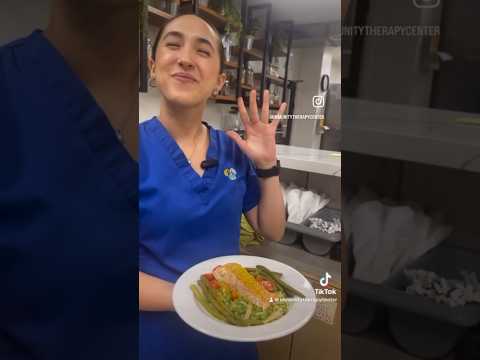
The visual presentation of a meal often reflects its underlying nutritional value, which is why color is paramount in diet therapy. As highlighted at [00:03] in the video, seeing a diverse range of colors on a plate guarantees a rich intake of vital micronutrients. These vitamins and minerals serve as the biochemical catalysts required for tissue repair and immune function.
When patients undergo intensive treatments, their bodies experience heightened levels of oxidative stress. Micronutrients act directly to neutralize harmful free radicals that cause cellular damage. This process is fundamental to holistic nutrition for cancer recovery, as it aims to protect healthy cells while creating an inhospitable environment for disease progression.
A nutrient-dense diet for cancer care prioritizes foods that require minimal metabolic effort to digest while offering maximum energetic yield. By focusing on whole, colorful ingredients, the digestive tract absorbs essential co-enzymes more efficiently. This seamless absorption is vital for patients experiencing fatigue or compromised digestive health.
Building a Plant-Based Meal Plan for Immunity and Healing
Establishing a solid carbohydrate and protein foundation is the first step in creating an effective healing meal. The featured dish utilizes a base of brown rice pasta, as seen at [00:14], which provides complex carbohydrates without the inflammatory effects associated with refined gluten. Complex carbohydrates ensure a slow, steady release of glucose, preventing the insulin spikes that can promote inflammation.
To complement the brown rice pasta, green peas are seamlessly integrated into the dish. At [00:16], this combination is described as an excellent plant-based meal option. Green peas are exceptionally high in easily digestible plant protein and dietary fiber, which supports a healthy gut microbiome.
A robust gut microbiome is intrinsically linked to a strong immune response, making this pairing highly strategic. Developing a plant-based meal plan for immunity involves combining different plant sources to create complete amino acid profiles. This synergistic approach allows the body to rebuild muscle tissue and synthesize crucial immune cells without relying heavily on animal proteins.
Crucial Antioxidants for Cellular Repair: Asparagus, Beans, and Tomatoes
Beyond the macronutrient base, the addition of specific vegetables transforms the meal into a powerful therapeutic tool. Asparagus is prominently featured at [00:22], noted specifically for its high folate content. Folate is an essential B-vitamin required for DNA synthesis and repair, a critical function for any body actively fighting cellular mutations.
Accompanying the asparagus are green beans and cherry tomatoes, introduced at [00:25]. Cherry tomatoes are an abundant source of lycopene, a potent antioxidant known for its cancer-fighting properties. When tomatoes are gently cooked or served with healthy fats, the bioavailability of lycopene increases significantly.
Green beans provide a hearty dose of silicon, which is beneficial for connective tissue and bone health. Together, these vegetables create a robust matrix of antioxidants that protect the body from further oxidative damage. Including such specific, functional vegetables is a hallmark of an advanced alternative cancer diet therapy in Mexico.
Incorporating Healthy Fats: Wild-Caught Salmon Omega 3 Benefits
While a plant-based foundation offers incredible benefits, many holistic nutritional protocols incorporate specific high-quality animal proteins for enhanced recovery. For those who prefer a non-vegan option, adding wild-caught salmon on top of the pasta, as shown at [00:32], introduces critical healthy fats into the diet. Wild-caught salmon is globally recognized for its exceptional nutritional profile.
The primary advantage of this fish is its high concentration of marine omega-3 fatty acids, specifically EPA and DHA. The wild-caught salmon omega 3 benefits include profound anti-inflammatory effects that help soothe inflamed tissues across the entire body. Unlike farm-raised alternatives, wild-caught salmon contains a naturally occurring antioxidant called astaxanthin, which gives the fish its vibrant pink hue.
Astaxanthin is known to cross the blood-brain barrier, offering neurological protection during taxing medical treatments. Furthermore, the high-quality protein found in salmon aids in preventing cachexia, a type of muscle wasting commonly associated with severe illnesses. Balancing a nutrient-dense plant base with such potent healthy fats creates an optimal environment for physical restoration.
- Reduces Systemic Inflammation: Omega-3 fatty acids actively lower the production of molecules and substances linked to inflammation, such as inflammatory eicosanoids and cytokines.
- Supports Immune Modulation: EPA and DHA help regulate the immune system, ensuring it remains active enough to target unhealthy cells without attacking healthy tissue.
- Enhances Nutrient Absorption: Consuming healthy fats alongside vegetables allows the body to absorb fat-soluble vitamins (A, D, E, and K) much more effectively.
- Promotes Cellular Membrane Health: Omega-3s are integral components of cell membranes, improving cellular communication and overall resilience against oxidative stress.
How to Make Anti-Inflammatory Vegan Parmesan Cheese at Home
For individuals adhering strictly to a plant-based diet, flavor and texture do not have to be sacrificed for the sake of health. The video introduces a remarkable vegan parmesan cheese at [00:36], which is masterfully crafted from a blend of powerful superfoods. This condiment elevates the nutritional profile of the meal while providing a comforting, savory experience.
Creating this vegan parmesan cheese recipe for an anti-inflammatory diet involves blending an array of nutrient-dense tree nuts. The base utilizes Brazil nuts, cashews, walnuts, and pecans. This combination delivers a diverse spectrum of healthy plant fats, essential trace minerals, and natural plant sterols that support cardiovascular health.
To achieve the characteristic savory and health-promoting qualities, powerful spices like turmeric, ginger, and garlic are added to the nut blend. Turmeric contains curcumin, a compound extensively studied for its ability to interrupt inflammatory pathways at the molecular level. When combined with the natural fats from the nuts, the bioavailability of these powerful anti-inflammatory spices increases exponentially.
Essential Ingredients for Nutrient-Dense Vegan Cheese Alternatives
Understanding the specific health benefits of each ingredient in this vegan cheese highlights why it is a staple in a nutrient-dense diet for cancer care. The strategic use of whole foods ensures that every sprinkle adds functional value to the patient's nutritional intake. Below is a detailed breakdown of the components mentioned at [00:38].
| Ingredient | Key Nutritional Benefit | Role in Diet Therapy |
|---|---|---|
| Brazil Nuts | Exceptionally high in Selenium | Supports thyroid function and activates crucial antioxidant enzymes. |
| Walnuts & Pecans | Rich in Alpha-Linolenic Acid (ALA) | Provides plant-based omega-3s for neurological and anti-inflammatory support. |
| Turmeric & Ginger | Curcumin and Gingerol compounds | Potent natural anti-inflammatories that modulate cellular immune responses. |
| Garlic & Onion | Allicin and Prebiotic fibers | Acts as natural antimicrobials while feeding beneficial gut bacteria. |
Why Color Variety Matters in Immune-Boosting Foods for Cancer Patients
In holistic wellness circles, the directive to "eat the rainbow" is grounded in rigorous nutritional science. Different color pigments in plants correspond to distinct classes of phytonutrients, each offering unique protective benefits. By designing meals that feature multiple colors, patients ensure a broad-spectrum intake of these vital healing compounds.
Red and orange foods, such as the cherry tomatoes utilized in this dish, are typically rich in carotenoids and lycopene. These compounds are famous for their ability to protect DNA from free radical damage and promote cardiovascular health. Conversely, green vegetables like asparagus and peas deliver high doses of chlorophyll and glucosinolates, which support the liver's natural detoxification pathways.
This intentional mixing of colorful ingredients creates a compounding therapeutic effect within the body. Immune-boosting foods for cancer patients rely on this synergy, where the presence of one nutrient enhances the function or absorption of another. Embracing color variety is a foundational, non-negotiable principle in successful dietary therapy protocols.
Integrating Alternative Medicine and Diet Therapy for Optimal Health
Treating the body as a whole, interconnected system is the core philosophy behind holistic health practices. Integrating alternative medicine and diet therapy means recognizing that food is not merely caloric energy, but biological information. Every meal sends specific instructions to the cells, influencing gene expression, inflammation levels, and immune readiness.
Clinical settings specializing in alternative cancer diet therapy in Mexico place immense focus on empowering patients through culinary education. By teaching individuals how to prepare meals enriched with healthy fats, complex carbohydrates, and targeted spices, they provide tools for long-term health management. This approach demystifies clinical nutrition, making it accessible and enjoyable in daily life.
Ultimately, a highly tailored, nutrient-dense diet works in harmony with other alternative therapies to foster a resilient physiological environment. The meticulous curation of ingredients—from the wild-caught salmon to the intricately spiced vegan cheese—demonstrates profound respect for the body's innate capacity to heal. Embracing these dietary strategies allows patients to take an active, meaningful role in their continuous pursuit of vitality and optimal health.
Ready to Explore Holistic Healing Options?
Discover personalized, comprehensive treatment plans tailored to your unique health needs. Connect with top medical professionals today to learn more about alternative treatments and dietary therapies.
Get Free QuoteView Full Video Transcript
00:00 Okay, so first of all what we see here is colors.
00:03 Very important to always get our micronutrients, which is vitamins and minerals.
00:09 So we have two options in this dish right here.
00:12 We have the pasta which is made out of brown rice.
00:16 And then we have peas, so green peas with the pasta would be like a plant-based meal.
00:22 And then we have asparagus, great in folates.
00:25 We have green beans, cherry tomatoes, antioxidants.
00:29 And then if you don't want your dish to be vegan, we have wild caught salmon on top.
00:36 We have vegan parmesan cheese, which is made with Brazil nuts, cashews, walnuts, pecans...
00:43 Turmeric, uh ginger, garlic, dehydrated onion, salt, pepper.
00:49 Different ingredients to make it a little bit more caloric with healthy fats like omega 3s.
00:54 And this would be our dish today.





.png)
.png)
.png)
.png)













Share this listing