


Alternative Non-Small Cell Lung Cancer Treatment in Mexico
Finding a reliable alternative non-small cell lung cancer treatment in Mexico has become a beacon of hope for many patients worldwide. When traditional oncology offers limited options, patients are increasingly looking across the border for advanced, holistic cancer care. This journey is often fraught with anxiety, but real-life remission stories provide crucial insight into the possibilities of integrative medicine.
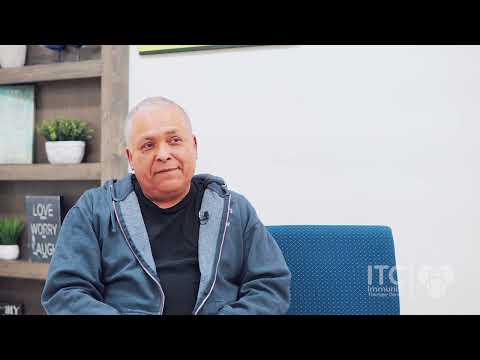
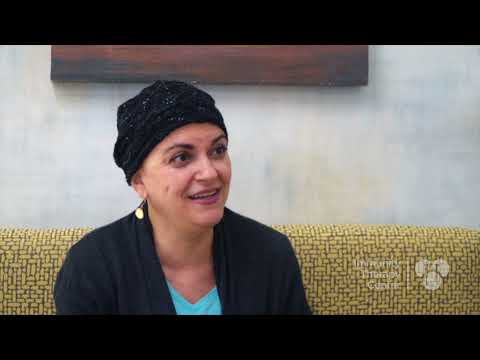
Arthur Rivas, a resident of Paramount, California, recently shared his remarkable healing journey [00:07]. After dedicating forty-four years of his life to nursing, holding a Master's degree in the field, Arthur found himself on the other side of the stethoscope. He was diagnosed with Stage 3A non-small cell lung cancer, a highly aggressive condition that typically requires immediate and intensive intervention.
His experience at the Immunity Therapy Center (ITC) under the guidance of Dr. Bautista sheds light on the efficacy of alternative therapies. Arthur's transition from a skeptical medical professional to a patient in remission highlights the importance of exploring all available treatment avenues. This comprehensive guide delves into Arthur's story, the specialized therapies offered at ITC, and why Mexico is a leading destination for alternative cancer care.
Video Chapters
- Navigating a Stage 3A Lung Cancer Diagnosis
- Overcoming Medical Tourism Skepticism
- Meeting Dr. Bautista at Immunity Therapy Center
- Evidence-Based Alternative Cancer Therapies
- Achieving Cancer Remission and Life Goals
- The Healing Power of Five-Star Customer Service
- The Vital Role of a Strong Support System
- Final Thoughts for Hesitant Patients
Navigating a Stage 3A Non-Small Cell Lung Cancer Diagnosis
Receiving a cancer diagnosis is a profound shock for anyone, regardless of their background. For Arthur, this moment was particularly surreal [00:23]. Having spent over four decades as a nurse, he was accustomed to delivering care rather than receiving it.
Stage 3A non-small cell lung cancer indicates that the disease has spread to the lymph nodes on the same side of the chest where the primary tumor is located. It is a complex stage that requires a nuanced and highly personalized approach to treatment. Traditional medicine often proposes a grueling regimen of chemotherapy and radiation, which can severely diminish a patient's quality of life.
Arthur never anticipated that he would be the one needing intense medical intervention. His extensive experience in the United States healthcare system gave him a unique perspective on standard oncology practices. This background knowledge ultimately fueled his desire to explore alternative non-small cell lung cancer treatment in Mexico to find a more holistic path to healing.
The Shift from Healthcare Provider to Cancer Patient
Transitioning from a healthcare provider to a cancer patient is a deeply humbling experience. Arthur spent his career advocating for others, managing care plans, and comforting families. Suddenly, he was the one lying in the hospital bed, facing the daunting reality of his own mortality.
This role reversal often brings a heightened level of anxiety because medical professionals know the harsh realities of conventional treatments. They understand the statistics, the side effects, and the systemic limitations of standard hospital care. For Arthur, this insider knowledge made him question the traditional protocols recommended to him.
Overcoming Medical Tourism Skepticism
When Arthur first considered traveling outside the United States for care, he was met with natural skepticism [00:44]. Having worked extensively in US hospitals, he harbored doubts about the quality of care available internationally. Many patients share these same fears when evaluating alternative cancer treatment centers in Mexico.
The stigma surrounding medical tourism is slowly dismantling as more international facilities prove their excellence. Clinics in regions like Tijuana have invested heavily in state-of-the-art medical technology and recruit top-tier, internationally trained oncologists. Despite his reservations, Arthur decided to keep an open mind when he arrived at the Immunity Therapy Center.
His initial doubts were quickly erased by what he witnessed firsthand. He was completely surprised by the exceptional professionalism and unwavering dedication of the entire medical staff. The contrast between his expectations and the reality of Mexican medical care was striking.
Comparing US Hospitals to Mexican Holistic Clinics
The standard of care at top alternative cancer treatment centers in Mexico often rivals or exceeds what patients experience in their home countries. In the US, the healthcare system can sometimes feel mechanical, with strict time limits on patient consultations. Holistic clinics prioritize patient-centric care, taking the time to understand the individual's entire health profile.
| Feature | Standard US Oncology | Mexican Alternative Clinics (ITC) |
|---|---|---|
| Treatment Approach | Primarily localized and systemic toxins (Chemo/Radiation) | Holistic, immune-boosting, and targeted natural therapies |
| Doctor-Patient Time | Brief consultations, strictly scheduled | Extended consultations, deeply personalized care plans |
| Environment | Clinical, highly sterilized, often stressful | Warm, comforting, designed to reduce patient anxiety |
Meeting Dr. Bautista at Immunity Therapy Center
A crucial turning point in Arthur's journey was his introduction to Dr. Bautista [01:24]. In the United States, Arthur had encountered many physicians who delivered diagnoses with a cold, detached demeanor. Dr. Bautista offered a stark, refreshing contrast to this clinical detachment.
Dr. Bautista took the time to have an in-depth conversation with Arthur about the specific nature of his non-small cell lung cancer. He didn't just hand over a generic protocol; he explained the prognosis clearly and detailed the various treatment options available. This transparent communication is the hallmark of effective holistic lung cancer treatment options.
Instead of a rigid, cut-and-dry mandate, Dr. Bautista presented a collaborative game plan. He outlined exactly what therapies would be utilized, how they worked, and asked for Arthur's active participation in his healing journey. This empowered Arthur to take ownership of the necessary lifestyle changes required for the therapies to be truly effective.
The Importance of Compassionate Oncology
Compassion in oncology is not just a nice-to-have; it is a critical component of the healing process. When patients feel heard and respected, their stress levels decrease, which in turn positively impacts their immune system. Dr. Bautista's warm approach helped Arthur shift his mindset from fear to proactive determination.
- Clear Communication: Doctors must explain complex medical terms in digestible ways to ensure informed consent.
- Personalized Game Plans: Recognizing that no two cancers are identical allows for highly targeted, effective therapy schedules.
- Patient Empowerment: Encouraging patients to make life changes fosters a sense of control over an otherwise chaotic disease.
Evidence-Based Alternative Cancer Therapies
As a Master of Science in Nursing, Arthur did not blindly accept the proposed treatments. He utilized his academic background to heavily research every therapy recommended by Dr. Bautista [02:12]. He scoured Google Scholar and numerous respected medical journals to verify the validity of the clinic's methods.
What he discovered was highly encouraging. Every single therapy administered at the Immunity Therapy Center had significant scientific backing and therapeutic validity. This discovery is vital for anyone seeking targeted therapies for non-small cell lung cancer outside the conventional medical system.
The treatments provided are designed to be minimally invasive and mostly painless. While some minor discomfort might occur depending on the specific procedure, it is entirely manageable and far less debilitating than standard chemotherapy. The staff takes extraordinary measures to ensure everything is explained thoroughly, prioritizing patient comfort at every step.
Types of Alternative Modalities Used
Alternative cancer treatment centers in Mexico employ a wide variety of modalities designed to attack cancer cells while preserving healthy tissue. These integrative approaches aim to stimulate the body's natural immune response. By creating an inhospitable environment for cancer, these therapies work synergistically to promote healing.
Common treatments include localized hyperthermia, which uses heat to destroy tumor cells, and high-dose intravenous Vitamin C, which acts as a powerful pro-oxidant against cancer. Other methods, such as sonodynamic therapy and specialized immunotherapy vaccines, are routinely customized based on the patient's specific metabolic profile. These advanced, non-toxic options are a primary reason why patients travel globally to receive care at ITC.
Achieving Cancer Remission and Life Goals
The ultimate goal of any cancer treatment is to halt the progression of the disease and achieve remission. For Arthur, the results of his alternative non-small cell lung cancer treatment in Mexico have been nothing short of miraculous. From his first arrival with active cancer, he underwent treatment both at the facility and at home [02:51].
After returning for just two treatment cycles, Arthur received the news every patient prays for: his cancer is currently in remission. This remarkable outcome significantly contributes to the growing body of stage 3 lung cancer survival rate improvements linked to holistic interventions. Achieving remission has allowed Arthur to shift his focus from sheer survival back to living a fulfilling life.
Like everyone else, Arthur has profound life goals that he is determined to see through. He speaks passionately about wanting to watch his children grow and witnessing his grandchildren graduate from college. His success at the Immunity Therapy Center has given him the health and vitality required to hold onto and achieve those precious life milestones.
Maintaining Health Post-Treatment
Achieving remission is a massive victory, but maintaining it requires ongoing dedication. Patients must adhere strictly to the lifestyle, dietary, and supplemental changes introduced during their time at the clinic. Long-term health is a continuous journey of supporting the immune system.
Arthur continues to follow his at-home treatment protocols diligently. This sustained commitment is essential for keeping cancer cells dormant and preventing relapse. The education provided by ITC equips patients with the necessary tools to protect their health long after they leave the facility.
The Healing Power of Five-Star Customer Service
The environment in which a patient heals plays a drastically underestimated role in their overall recovery. Arthur describes the customer service at Immunity Therapy Center as an absolute five-star experience [03:22]. If ITC were a traditional hospital, it would undoubtedly fly a massive flag boasting its five-star status at the entrance.
Every single member of the staff goes out of their way to ensure patients are comfortable, relaxed, and informed. Whenever Arthur had a question, the medical team answered it swiftly and comprehensively. This level of attentiveness is a stark contrast to the often overworked and rushed nature of conventional medical ward staff.
Immunity Therapy Center Mexico reviews frequently highlight this phenomenal level of care. When a patient feels safe and supported, their body shifts out of the "fight or flight" stress response, allowing biological energy to be redirected toward cellular repair and healing. The dedication of the ITC staff is not just polite; it is a clinical imperative.
The Vital Role of a Strong Support System
Battling cancer is not a journey that should be undertaken in isolation. Arthur emphasizes that having someone you love by your side provides an enormous amount of emotional and logistical support [03:46]. When navigating alternative cancer treatment centers in Mexico, a travel companion can make the entire process significantly easier.
When patients are alone, the physical and mental toll of the illness can lead to apathy, making them reluctant to participate in necessary daily activities. Having a loved one present reignites a patient's drive and fighting spirit. You look at that person, realize their importance in your life, and find renewed motivation to endure the treatments.
Benefits of Bringing a Care Partner
A dedicated care partner serves as an advocate, a caregiver, and an emotional anchor during a highly vulnerable time. They help absorb complex medical information that the patient might be too fatigued to process fully.
- Medical Advocacy: Care partners take notes during doctor consultations and ensure all questions are asked and answered.
- Logistical Assistance: They manage medication schedules, handle travel arrangements, and coordinate daily meals.
- Emotional Motivation: The physical presence of a loved one drastically reduces feelings of depression and isolation.
Final Thoughts for Hesitant Patients
Making the decision to leave standard medical care behind to pursue alternative treatments requires immense courage. Arthur has spoken with numerous people about his positive experiences at Immunity Therapy Center [04:17]. As a healthcare professional himself, his endorsement carries significant weight among his peers and friends.
Tragically, Arthur has friends who have also developed cancer. Without hesitation, he points them toward Dr. Bautista and the team at ITC. His message to anyone who is hesitant about traveling for alternative non-small cell lung cancer treatment in Mexico is straightforward: you need to come here.
The combination of evidence-based therapies, deeply compassionate medical staff, and a holistic approach to healing creates an environment where true recovery is possible. Arthur's story of achieving remission from Stage 3A lung cancer stands as a powerful testament to the effectiveness of these advanced protocols. Taking that first step could very well be the decision that saves your life.
Ready to Explore Alternative Cancer Treatments?
Don't wait to take control of your health. Discover how customized, holistic cancer therapies in Mexico can help you on your journey to remission. Contact our experts today to discuss your personalized treatment options.
Get Free QuoteView Full Video Transcript
[00:06] My name is Arthur Rivas, and I'm from Paramount, California.
[00:10] And I'm diagnosed with non-small cell lung cancer, stage 3A.
[00:22] It was like a shock. You know, I've been a nurse for 44 years.
[00:26] I have a master's degree in nursing, and I've taken care of many patients.
[00:31] But I never thought that I would be the one needing medical attention. Never in my life.
[00:35] It just threw me for a loop.
[00:44] Well, working in the hospitals in the USA, and I've heard about different countries and different hospitals.
[00:50] And I kind of just kind of had my doubts on the quality of care I would be getting and just different things.
[00:56] And I've been boss... you know, I've been head nurse at different hospitals.
[01:00] I just had questions in my head, but I'll keep my eyes open. I said, when I come in.
[01:04] I was surprised at the professionalism, the quality of care, and the dedication that all the staff have for each and every patient.
[01:13] Just totally shocked, pleased.
[01:15] I've never seen that—that the whole staff at a place were dedicated to one mission. It was amazing.
[01:30] So instead of being the cold-hearted, strict doctor with a coat on, he actually spoke about the type of cancer I have, what the prognosis would be, and what treatments are available.
[01:43] Not just, "it's cut and dry, here's what it is."
[01:46] He said, "You have a chance, and you have opportunity. Here's what we're going to do. Here's the plan."
[01:51] He gave me a game plan. He said, "This is what we're doing. Are you on board?"
[01:57] But I have to make my own changes. And that's what ITC taught me. It taught me to make my own life changes.
[02:11] Describing the therapies... I'm a Master of Science in Nursing.
[02:15] So I did all the research on each of the therapies. So I looked on Google Scholar. I looked in all the medical journals.
[02:22] Each of the therapies done here have some type of therapeutic backing with a scientific organization.
[02:30] So the therapies are comfortable, they're explained to you thoroughly, and they're not painful.
[02:36] And of course there's going to be some discomfort on occasion depending on what type of procedure you're going to have.
[02:42] But it's not out of the ordinary.
[02:51] So from the first time I came in, I had active cancer.
[02:55] Of course, I had the treatment here, I had treatment at home.
[02:59] And I've come back for two treatments. So far, the cancer is in remission.
[03:04] And I'm very pleased, very happy.
[03:06] We all have life goals, and our goals are to see our children grow, our grandchildren graduate college, and I'm holding on to those goals.
[03:21] Customer service is five stars.
[03:24] If it was a hospital, you'd have the big flag with five stars in front of it.
[03:29] So customer service is excellent here. The staff go out of their way to make you comfortable.
[03:34] Any questions they answer quickly, and it's just amazing.
[03:46] Having somebody with you is an enormous amount of support, and it gives you drive.
[03:52] When you're by yourself, you kind of just don't want to do things sometimes.
[03:56] And having somebody there fighting for that person, you could see that person in their life, and you want to say, "Well, I'm going to do this because I want to see her."
[04:05] I want to spend a lot more time with her. So it's very encouraging.
[04:16] I've spoken with many people about coming here.
[04:19] Unfortunately, I've had a lot of friends and people that I know develop cancer, and I've recommended this place hands down.
[04:26] Need to come here. They need to come.




.png)
.png)
.png)
.png)
.png)









Share this listing