


Overcoming Stage 4 Small Cell Carcinoma with Alternative Cancer Treatment in Mexico
Finding an effective alternative cancer treatment in Mexico has become a beacon of hope for many patients facing dire prognoses. When standard medical protocols fail to provide relief or solutions, seeking specialized care across the border often presents a lifesaving opportunity.
This is particularly true for highly aggressive malignancies that require immediate, comprehensive, and out-of-the-box therapeutic approaches. Advanced stages of cancer demand an intervention that not only targets the disease but also supports the patient's rapidly deteriorating immune system.
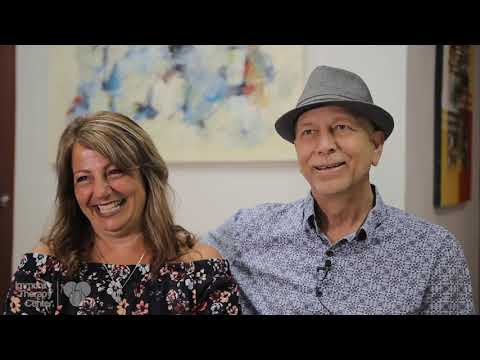
Peter Richardson's incredible journey from the brink of death to active recovery exemplifies the power of integrative oncology. His experience sheds light on why an increasing number of patients are turning to holistic medical tourism to reclaim their lives.
Video Chapters
The Initial Diagnosis: Facing Stage 4 Small Cell Carcinoma
Receiving a cancer diagnosis is universally devastating, but the situation becomes exponentially more critical when the disease is highly aggressive. On June 22nd, Peter Richardson received the harrowing news that he was battling stage 4 small cell carcinoma [00:30]. Small cell carcinoma is recognized in the medical community as an exceptionally fast-spreading malignancy.
This specific type of cancer requires immediate, aggressive intervention to prevent rapid metastasis throughout the body. Before this official diagnosis, Peter's journey was plagued by severe medical oversight in his home country. The initial symptoms presented as extreme, unrelenting abdominal discomfort.
A massive tumor was growing within his abdomen, applying immense pressure against his anterior wall and pushing directly against his spine. This physiological obstruction caused unimaginable agony. However, when seeking emergency medical attention in February, the severity of his condition was entirely overlooked.
The Failure of Conventional Pain Management
Emergency room personnel incorrectly diagnosed the issue as severe constipation [01:06]. For five agonizing months, Peter was prescribed standard laxatives and strong painkillers. He was instructed to manage what was believed to be a minor gastrointestinal issue.
Unbeknownst to the medical staff, a monstrous tumor was actively spreading and multiplying. This prolonged misdiagnosis allowed the stage 4 small cell carcinoma to advance completely unimpeded. The physical toll on Peter was absolute, stripping away his mobility and vitality.
He reached a point where he was completely incapable of sleeping for more than ten minutes at a time. The continuous, radiating pain severely impacted his mental health, causing him to become a highly difficult, angry individual who lashed out at his devoted wife, Tanya [01:53].
Seeking Hope: The Journey to Alternative Cancer Therapies in Mexico
When conventional healthcare systems fail to provide accurate diagnostics or viable treatment avenues, patients are often forced to look beyond their borders. The decision to pursue alternative cancer therapies in Mexico was born out of absolute necessity for Peter and Tanya. The traditional medical route offered no practical solutions for his advanced stage 4 small cell carcinoma.
Recognizing the urgency, they turned their attention to international medical tourism. Tijuana has long been globally recognized as a premier destination for progressive, integrative oncology. By the time Peter arrived at the clinic on July 26th, his physical condition was incredibly severe.
The disease had progressed to the point where mobility was virtually impossible. He was pushed through the airport and into the clinic in a wheelchair [02:27]. Unable to walk, barely able to speak, and physically emaciated from an inability to consume food, the window for effective intervention was rapidly closing.
Arriving at a Holistic Cancer Treatment Center in Mexico
Arriving at a holistic cancer treatment center in Mexico represents a profound paradigm shift for many desperate patients. Traditional hospitals often focus entirely on protocol-driven, heavily toxic regimens that compromise the immune system. In contrast, clinics specializing in alternative medicine prioritize immediate, personalized, and non-toxic action.
The initial consultation provided something Peter had been deprived of for months: genuine hope. The medical staff immediately recognized the severity of the 20-centimeter abdominal mass pushing against his internal organs. Rather than offering a bleak statistical prognosis, the team implemented a rapid, aggressive, yet gentle treatment protocol.
The Science Behind Holistic Cancer Treatment Centers in Mexico
Understanding the specific mechanisms of alternative cancer treatment in Mexico is vital for patients researching their options. Conventional medicine often relies heavily on maximum tolerated doses of toxic chemicals to destroy rapidly dividing cells. Unfortunately, this scorched-earth approach also devastates healthy tissue.
Holistic cancer treatment centers in Mexico employ a completely different philosophy, focusing on targeted, non-toxic methodologies. One of the primary goals of alternative medicine for cancer in Tijuana Mexico is to alter the internal biological terrain, making it inhospitable to disease.
Cancer cells thrive in acidic, oxygen-depleted environments. By utilizing localized and whole-body hyperthermia, clinics safely raise the body's core temperature. Because cancer cells are highly sensitive to heat, they begin to degrade, while healthy cells remain unharmed and functioning optimally.
- Intravenous Nutrient Therapy: High-dose Vitamin C and other vital nutrients act as powerful pro-oxidants against cancer cells without harming healthy tissue.
- Sonodynamic Therapy: Advanced sound wave technology accurately targets tumors deep within the body, disrupting their cellular structure.
- Immune System Rehabilitation: Focused on rebuilding the body's natural killer cells to independently identify and destroy malignancies.
Because these therapies are painless and non-invasive, the body’s energy is not entirely consumed by simply trying to survive the treatment itself. Instead, physiological resources are directed toward genuine, long-term healing and recovery.
Remarkable Results: Tumor Reduction and Improved Quality of Life
The effectiveness of an alternative cancer treatment in Mexico is best demonstrated through empirical medical data and diagnostic imaging. For Peter, the results achieved within a matter of weeks were nothing short of miraculous. Initial scans conducted before his arrival revealed a catastrophic internal landscape.
The primary abdominal tumor had grown to an astonishing size of 20 centimeters by 14 centimeters [04:15]. This massive growth was actively compressing his kidneys and liver, causing secondary organ distress. Following intensive alternative cancer therapies in Mexico, a subsequent PET scan on September 14th provided objective proof of healing.
The results astounded both Peter and his medical team. The primary abdominal mass had drastically reduced to just 3 centimeters by 7 centimeters [05:33]. This enormous reduction in tumor volume quickly alleviated the dangerous pressure on his surrounding organs and spine.
Beyond physical size, the biological activity of the cancer cells was aggressively neutralized. In oncological imaging, the SUV (Standardized Uptake Value) measures the metabolic activity of a tumor. Peter’s initial bio-activity level was dangerously high, registering over 20.
Post-treatment scans showed this activity level had plummeted to just 3 [05:51]. This critical measurement indicates that the remaining tissue was largely inactive or necrotic. Even more remarkably, the holistic therapies successfully navigated his bloodstream.
Peter had presented with two additional, actively growing secondary tumors located in his chest and groin. The September PET scan confirmed that both of these metastatic growths were completely gone [06:06]. This systemic eradication proves the power of immune-boosting therapies.
Patient Experience at Immunity Therapy Center Tijuana
The clinical outcomes achieved in Mexico are deeply intertwined with the psychological and emotional support provided to patients. A major component of successful integrative oncology is cultivating a positive healing environment. The patient experience at Immunity Therapy Center in Tijuana redefines traditional medical care by prioritizing profound human connection.
Patients are not treated as mere statistics or file numbers; they are embraced with genuine warmth and unwavering support. This compassionate approach starts from the top down. Peter vividly recalls interactions with the medical directors that altered his perspective on healthcare.
When Peter politely asked his doctor how he was doing, the doctor immediately redirected the focus, emphasizing, "No, how are YOU doing?" [07:44]. This paternal, deeply caring attitude shattered the cold, clinical barriers often found in standard healthcare facilities.
- Empathetic Nursing Staff: Nurses like Anna, Alfonso [09:00], Leo, and Cynthia [09:25] are described as "angels" who provide stress-free, painless treatments daily.
- Nutritional Rehabilitation: Chef Raul supplied customized, nutrient-dense foods like fresh watermelon, ensuring the immune system had the vital fuel required to rebuild itself [13:10].
- Mental Health Support: The constant positive reinforcement from the staff helped pull Peter out of a deep depression caused by chronic pain.
Medical Tourism Safety: Traveling to Tijuana Mexico for Medical Care
A significant barrier for many North Americans considering international healthcare is the perceived risk associated with foreign travel. Medical tourism safety in Tijuana Mexico is a highly discussed topic online. However, the reality experienced by actual patients drastically contradicts the sensationalized narratives often portrayed in the media.
For Peter and Tanya, traveling from Canada to access holistic cancer treatment centers in Mexico proved to be an incredibly secure and welcoming experience. From the moment they crossed the border, the environment felt distinctly safe and well-organized.
Tijuana has heavily invested in infrastructure and security specifically tailored to support its thriving, world-class medical tourism industry. Peter highlights the massive presence of local police and military personnel dedicated to keeping the clinical districts highly secure [11:42].
This high visibility of law enforcement acts as a strong deterrent and provides immense peace of mind to international patients. The logistical aspects of receiving alternative cancer therapies in Mexico are designed for maximum patient comfort.
Peter and Tanya regularly walked the six to seven blocks between their hotel accommodations and the Immunity Therapy Center without a single negative incident [10:57]. By applying standard situational awareness, they grew to view Tijuana as their safe second home.
Why Choose Integrative Oncology and Alternative Medicine for Cancer in Tijuana Mexico?
When confronted with an aggressive, fast-moving malignancy like stage 4 small cell carcinoma, indecision can be highly detrimental. The choice to pursue integrative oncology and alternative medicine for cancer in Tijuana Mexico requires immediate action.
Conventional treatments often subject patients to agonizing wait times for consultations, scans, and insurance approvals. In the context of stage 4 cancer, a delay of mere weeks can allow tumors to multiply and spread to vital organs. Peter issues a stark and urgent message to anyone hesitating about making the journey [13:38].
He firmly believes that had he waited an additional two or three weeks to pursue alternative cancer treatment in Mexico, he would not have survived. The explosive growth rate of his abdominal mass meant that time was the most critical factor. Making the immediate decision to travel literally saved his life.
The integrated approach found at these specialized clinics offers a comprehensive pathway that traditional models lack. By avoiding highly toxic, immune-suppressing therapies, patients maintain their physical strength. The holistic protocols simultaneously target the cancer while actively rebuilding the body's natural defenses.
Choosing holistic cancer treatment centers in Mexico is a proactive step toward reclaiming control of your health. For those facing the darkest of diagnoses, looking beyond standard borders to access alternative medicine for cancer represents the ultimate pursuit of hope, healing, and long-term survival.
Explore Your Options for Alternative Cancer Treatment
Do not let an aggressive diagnosis dictate your future. Take control of your health journey by discovering how integrative oncology and non-toxic treatments in Mexico can provide a customized pathway to healing.
Get Free QuoteRead Full Video Transcript
[00:06] Well, first and foremost, I'd like to just take an opportunity to thank Jesus for allowing me the opportunity to come to the center and for working through not only my wife, but also through the doctors, the nurses, and the people that are here at the ITC clinic that have actually brought me back from the edge of death. So first and foremost, thank you Jesus, and thank you to them as well. Thank you Tanya.
[00:29] I was diagnosed on June 22nd with stage 4 small cell carcinoma cancer. All that I knew at the time was that I had a tumor that was growing, a very large tumor growing in my abdomen that had been causing pain. It had punched through my anterior wall and pushed against my spine, which the pain had been increasing significantly, ridiculously from about February of this year until June when I was finally diagnosed.
[00:58] When I had originally gone to the ER in February, they basically inspected my abdomen, told me that I was constipated and that I just needed to take laxatives. So I did that for five months, overdosed on laxatives and on painkillers trying to take care of the problem myself. Nothing worked.
[01:18] I finally went back a second time on the 22nd of June where they did a CT scan and they found this growth, this mass. They told me at the time I had no idea what it was. At that point, they gave me pain medication which allowed me to sleep for the first time in months. For sure, I had been sleeping no more than 10 minutes at a time. I had been trying to conduct my life still going to work, still trying to associate with my family, and it was just getting more and more difficult. I was incapable.
[01:52] I had given up. I had completely given up on life. During the timeframe from June 22nd until I arrived here on July 26th, my personality changed. I became an evil man and I treated my wife poorly. I have no excuse for it other than the fact that I was in extreme pain.
[02:20] So when I arrived here on July 26th, it was life-changing. My wife pushed me through the airport in a wheelchair. I couldn't even walk. I spent a week of treatments here. I've remet the people that I met during that week in the clinic, weeks later into the treatment, and they said they can't believe the changes in me. I can't believe the changes in me.
[02:51] After a week of being here on August 2nd, I went for a PET scan where I learned that I not only had the one very large tumor in my abdomen, but I had two others. One in my chest and one in my groin which were all actively growing. And I was again, I was just shocked beyond any reason. I had no idea that this was going on in my body. I had no idea how to correct it.
[03:20] But I just trusted that the treatments that we were doing here, which were very simple, very painless, amazingly simple, and effective. Because within about a week, I was starting to walk back and forth from the hotel. I was able to conduct a conversation within the second week of treatments here with my wife. She explained to me what I had become during that month prior to arriving here. And it broke my heart. It absolutely broke my heart that I treated her the way that I did.
[03:57] And I've learned, and I will continue to learn to treat her better because she has been my angel. She has brought me from death's door back to life, and I have a second lease on life. So during the PET scan, I found that the largest tumor in my abdomen had actually grown to the size of 20 centimeters by 14 centimeters. Which if you look at a CT scan, that was pretty much the entire left side of my body. It had pushed against my kidneys. I was having a very difficult time going to the washroom. I was constipated at this point. It became constipation with the size of the tumor.
[04:40] So I continued treatments. I started feeling better. I started eating. I couldn't remember the last time that I had actually eaten. I had lost so much weight prior to coming here. And again, I just, I started to feel better. I started walking, I enjoyed myself. I started having conversations, we went to the movies, we started having a life together. We actually felt like we were on vacation.
[05:06] As time went on, fast forward, I've been here a total of eight weeks. Fast forward to the 14th of September. In that timeframe, my youngest daughter has given birth to our fourth grandchild, a little girl named Rain, who I have yet to meet, but I'm going to meet her on Sunday. So I'm looking forward to that.
[05:25] A second CT scan took place on the 14th of September where I learned that the tumor which had grown to such a monstrous size is now no larger than 3 by 7 centimeters. And its activity level, I'm not sure if it's a bio-activity level or what reference that term is, I'm still so new to all of this, that the level is now 3 where it had been over 20.
[05:54] So the doctor has given his thumbs up that we are going home, that the final stage of the death of the final tumor... which the other two tumors that I had are completely gone. So two of the three tumors are gone now. And the third one is almost gone, it's like .5 away from being completely gone. And the doctors have given me thumbs up that we can go home, and I'm going to go see my granddaughter on Sunday. So I'm really excited about that.
[06:31] I'm afraid that I can't honestly answer that because it literally took two weeks for me to come to my senses. So I'm going to have to allow my wife to express what she feels took place when we originally got here because I realistically don't have memories of those two weeks.
[06:50] He just, he told us that it was very aggressive and that the tumor was very aggressive and we had to attack it aggressively. And he said that we can help you. That was the biggest and most hopeful things that he said to us is, we can help you. There is hope for you, Peter. He kept saying Peter, which meant so much just hearing his name from a doctor all the time. He just says Peter, we are going to help you, you are going to be okay. And those words just brought so much hope to us. And so we just put our complete trust and faith in his plan for Pete and here we are.
[07:29] Actually, one thing that Dr. Bautista that has stuck with me and will continue to stick with me for the rest of my life is each time I've gone in to see him, I've asked him how he is. And he's always said, I'm fine, but the real question is Peter, how are you? I think he has said that virtually every time that I've spoken to him. The compassion, the love that I feel coming off of Dr. Bautista is, he's like a father. He is absolutely the ideal father.
[08:00] Dr. Correa as well is his son in all respects. That same compassion, that same love, the same commitment, the same patience, the same ability to answer questions even if I've asked the same question multiple times. He's just so patient with me and speaking with me and helping me through difficult times.
[08:22] This has been the most difficult time in my life. I've never faced anything like this in my life before. And to be surrounded by such an incredible staff, such an incredible group of people, such an incredible woman who brought me through... I'm so thankful. Such an incredible God.
[08:48] My first week here, I have snippets of memories of being in the afternoon treatment room with I believe it was Anna and Alfonso as my nurses, who I've fallen in love with them as well since because they're both great people. And it was only, I believe it was the first week that we were here that I was in the afternoon treatment. But scheduling-wise it worked out better for us to move to a morning treatment room, which precipitated me moving to a second room and meeting Leo and Cynthia, which absolutely they have been angels in my life. They have been incredible.
[09:34] The treatments themselves are simplistic. They're not difficult. I move from one treatment bed or treatment chair into another. It's so simple, they are so easy, they're painless. To say that there's absolutely nothing to fear. I've seen incredible results in my own personal life, and I continue to see the results.
[10:01] To be honest, when I arrived here, I had reading glasses and I could not pick up my Galaxy tab, my book, without reaching for a pair of glasses at the same time. And it's been six weeks since I've picked up a pair of glasses. So my eyesight has improved. I have no idea why. When the immunity gets better, your entire body improves. My hearing has improved. I can actually hear better now than I have in the past 10 years of my life.
[10:28] And I continue to see improvements just in my stamina, in my ability to go up and down stairs, in my ability to walk back and forth from the hotel to the treatment center which is only 6 or 7 blocks. But at first it was a struggle and now it's a breeze. I just think how simple it is, how easy it is. I literally have a second lease on life now as a result of these treatments.
[10:57] I'm going to just say that we've been coming to Mexico for many, many years on vacations. We've never felt anything but welcomed by the people of Mexico. We're Canadian. Tijuana is just like a second home to me at this point. We've spent enough time here that I've gotten to know every bump in the sidewalk to come back and forth from the hotel to the clinic.
[11:19] I've gotten to know the people that we pass on a daily basis that protect various locations. Just this morning I got a nod and a grunt from one of the security guards at one of the buildings of some sort. So it's been fun getting to know the people. And there's absolutely nothing to fear. The police presence is remarkable. There is always, literally you take a look in three blocks in any direction and you'll see a police car. You see military police. There's absolutely no reason to fear any criminal activity of any sort whatsoever.
[12:00] But in reality, my wife is the one who has spent more time walking around, so I'll let her answer her perspective in this case. Honestly, I feel like I'm at home. Whatever I would do at home, I will do here. So I would just use common sense. I probably wouldn't walk out at midnight at home and I probably wouldn't walk out at midnight here. But that's not because it's Mexico, it's just common sense. I love it here. It's our second home. We'll be back.
[12:31] I'd also like to take a moment just to thank a number of people within the building that may not get as much recognition as they should. Namely, there's a gentleman sitting behind me to my right, his name is Gaston, who has been an incredible benefit to us. And he has been so helpful in so many ways. His personality, his positive attitude, his ability to smile absolutely. His ability to just light up a room when he walks in has been tremendous.
[13:03] And another gentleman that I don't know if he gets the recognition for the amount of hard work that he does, his name is Raul and he's our chef. And he's taught me how to eat. He has supplied me with sandia on virtually every meal and worked hard to answer any questions that we've had. And he's been one of the greatest benefits of our time here. I know that we're going to have recipes that are going to be amazing as we get home and continue our treatments at home.
[13:36] In final words for anybody that's thinking about coming here, is I wouldn't hesitate. Reach out, get the information that you need. Ask the questions that you have. They have the answers and they're willing to listen to your questions as often as you need to ask them. Don't wait.
[13:58] If I would have waited even two or three weeks, I don't know that I would be alive right now. With the size of the tumor and the speed at which it was growing in my body, I honestly don't know if I would have lasted another month. Don't hesitate. Don't make this your second option, make this your first option. Trust that the people here have your best interests at heart, because they do. They honestly do.










Share this listing