


Advanced Stem Cell Therapy for Autism in Colombia: Complete Treatment Protocol
Finding effective interventions for Autism Spectrum Disorder (ASD) can be a challenging journey for parents worldwide. However, groundbreaking advancements in regenerative medicine are offering new avenues for care. Specifically, advanced stem cell therapy for autism in Colombia has emerged as a promising approach for children diagnosed with the condition.
This innovative treatment focuses on addressing underlying neurological inflammation and promoting cellular repair. As showcased in recent medical protocols, specialized clinics in Colombia are utilizing high-dose mesenchymal stem cells administered through carefully monitored procedures. By combining both intravenous and intrathecal delivery methods, medical professionals aim to maximize the therapeutic potential for pediatric patients.
For families seeking alternative and cutting-edge therapies, understanding this comprehensive protocol is highly beneficial. It serves as the first major step toward exploring new possibilities for their child's cognitive development. Exploring this neuro-regenerative protocol can provide crucial insights into how cellular therapy impacts autistic spectrum syndrome.
Video Chapters & Quick Navigation
Understanding Autism Spectrum Disorder and Regenerative Medicine Solutions
Autism Spectrum Disorder is a complex neurodevelopmental condition characterized by challenges with social interaction, communication, and repetitive behaviors. While traditional therapies focus on behavioral and educational interventions, medical researchers have increasingly turned their attention to the biological underpinnings of the disorder. Current studies suggest that immune system dysregulation, neuroinflammation, and reduced brain oxygenation may play significant roles in the manifestation of autistic symptoms.
This is where regenerative medicine introduces a paradigm shift in pediatric neurological care. Stem cell therapy for autism targets these exact biological mechanisms seamlessly. Mesenchymal stem cells possess powerful immunomodulatory properties, meaning they can help regulate a dysfunctional immune system and significantly reduce inflammation within the central nervous system.
When these specialized cells are introduced into the body, they secrete neurotrophic factors that encourage the repair of damaged neural tissues. They also stimulate the formation of new blood vessels effectively. This process, known as angiogenesis, improves vital blood flow and oxygen delivery directly to the brain.
For children diagnosed with autistic spectrum syndrome, as noted at [00:05] in our clinical overview, this cellular approach offers a fundamentally different pathway. Instead of merely teaching coping mechanisms, regenerative medicine attempts to heal the entire neurological environment. By creating a healthier cellular ecosystem in the brain, patients may experience profound improvements in cognitive processing.
The Dual-Delivery Protocol: Intrathecal and Intravenous Stem Cell Administration
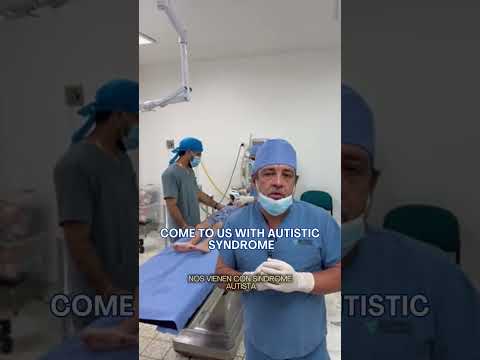
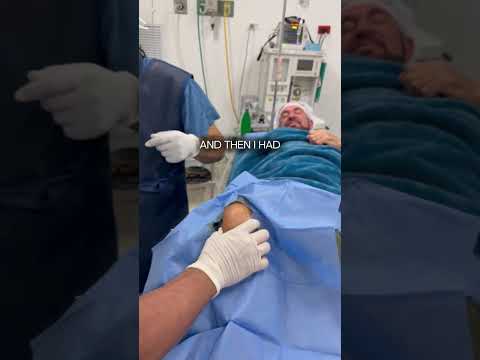
One of the most critical factors in the success of cellular therapy for neurological conditions is how the cells are delivered into the patient's body. The specialized medical protocol utilized for pediatric autism treatment in Colombia employs a sophisticated dual-delivery mechanism. As demonstrated in the surgical room at [00:08], this comprehensive approach involves administering cells through two completely distinct pathways.
The first component of this protocol involves the administration of 50 million intravenous cells. The intravenous (IV) route is essential for addressing systemic inflammation and modulating the immune system throughout the entire body. When stem cells are infused directly into the bloodstream, they circulate systemically to target areas of widespread tissue distress.
These cells release anti-inflammatory cytokines throughout the vascular system immediately. This systemic approach is particularly beneficial for children with autism who require comprehensive bodily healing. Many of these pediatric patients also suffer from severe gastrointestinal issues and autoimmune irregularities often associated with the spectrum.
The second, and arguably more targeted component, is the placement of 50 million intrathecal cells. This specific detail is explicitly highlighted at [00:10] in the clinical treatment breakdown. Intrathecal administration involves injecting the stem cells directly into the spinal canal, allowing them to effectively bypass the restrictive blood-brain barrier.
Decoding the Stem Cell Dosage for Autistic Spectrum Syndrome
Determining the exact dosage of stem cells is a meticulously calculated clinical process. It heavily relies on the patient's age, weight, and the specific severity of their neurological condition. In the case of pediatric patients, such as the five-year-old child featured in our clinical review at [00:03], the dosage is carefully planned.
The administration of 100 million total cells represents a highly concentrated and robust therapeutic dose. This specific volume is deliberately chosen to overwhelm the body's overactive inflammatory response. It serves to jumpstart the regenerative cascade effectively and quickly.
Administering 50 million cells intrathecally and 50 million intravenously provides a balanced yet aggressive approach to neuro-regeneration. For a young child, this high cellular volume ensures that an adequate number of viable cells survive the initial immune response. They must successfully migrate to the precise areas of the brain requiring the most repair.
The science behind this specific stem cell dosage for autistic spectrum syndrome centers on cellular engraftment and robust paracrine signaling. The higher the viable cell count, the stronger the chemical signals sent out to stimulate natural healing. Utilizing a total of 100 million cells in a single therapeutic session strongly minimizes the need for repeated invasive procedures.
| Delivery Method | Cell Volume | Primary Target Area | Therapeutic Purpose |
|---|---|---|---|
| Intravenous (IV) | 50 Million Cells | Systemic Circulation | Modulate immune system and reduce body-wide inflammation safely. |
| Intrathecal (IT) | 50 Million Cells | Cerebrospinal Fluid | Provide direct access to the brain to repair neural pathways effectively. |
Step-by-Step Procedure: Stem Cell Treatment for Autism in Colombia
For parents considering this medical journey, understanding the precise steps of the stem cell treatment protocol in Colombia can alleviate severe anxiety. The procedure is always conducted in a highly sterile, state-of-the-art surgical room. This guarantees the absolute highest standards of medical safety for vulnerable pediatric patients.
The process naturally begins with comprehensive pre-operative blood work and neurological evaluations. These essential tests confirm the child's precise candidacy and baseline health status. On the day of the procedure, the patient is brought directly into the operating theater smoothly.
To strictly prevent any traumatic psychological experience, the procedure is typically performed under mild to moderate sedation. This deep sedation is carefully administered by a specialized pediatric anesthesiologist. Once the child is comfortably sedated, the medical team rapidly proceeds with the dual-delivery administration.
The intravenous infusion is usually initiated first, utilizing a standard medical IV line. This slowly introduces the very first 50 million cells into the child's bloodstream. Following the IV infusion, the specialized neuro-regenerative surgeon immediately performs the intrathecal injection.
This technical step requires a precise lumbar puncture to safely access the spinal canal fluid. Utilizing advanced imaging guidance, the remaining 50 million cells are gently pushed into the cerebrospinal fluid. The protocol we are using for these children, as stated by the lead physician at [00:15], is explicitly designed for maximum clinical efficiency.
Immediate Recovery and Post-Treatment Care for Pediatric Patients
One of the absolute most reassuring aspects of this advanced medical protocol is the remarkably swift initial recovery phase. Because the biological procedure is minimally invasive, the immediate hospital downtime is extremely brief. As the physician notes at [00:22], the patient is already in the process of recovery just moments after completion.
Following the dual injections, the child is moved directly to a comfortable recovery suite. Here, the expert medical staff continuously observes vital signs to ensure complete physical stability. They closely monitor oxygen levels, heart rate, and blood pressure as the pediatric sedation naturally wears off.
The clinical team thoroughly evaluates the patient's neurological reflexes and overall physical comfort. This immediate post-treatment care is designed to ensure a seamless transition back to a normal wakeful state. The incredible rapidity of this process is truly remarkable for a neuro-regenerative procedure.
The medical team fully expects the child to be alert and ready to be reunited with their family quickly. In fact, they aim to give him back to his mother in about 15 minutes, as highlighted at [00:26]. This brilliantly quick turnaround significantly minimizes emotional stress for the whole family.
The Biological Mechanisms: How Stem Cells Target Autism Symptoms
To fully appreciate this medical intervention, it is utterly essential to explore the specific biological mechanisms involved. Mesenchymal stem cells do not simply act to replace dead or dying brain cells. Rather, they function as powerful cellular factories that secrete a myriad of restorative therapeutic compounds.
This complex phenomenon, known as the paracrine effect, is the core cornerstone of regenerative treatments. When the 100 million stem cells enter the child's system, they immediately seek out damaged areas of inflammation. In an autistic brain, there is very often chronic microglial activation causing severe systemic distress.
The administered stem cells readily release anti-inflammatory cytokines that safely downregulate this microglial activation. This effectively cools off the highly inflamed neurological tissue across the entire central nervous system. This notable reduction in neuroinflammation often correlates directly with a decrease in severe sensory overloads.
Furthermore, these robust regenerative cells secrete specialized proteins commonly called neurotrophins. Brain-Derived Neurotrophic Factor (BDNF) is one of the absolute most vital proteins produced during this phase. These vital proteins are absolutely essential for rapid neurogenesis and the stable development of new neural pathways.
Why Colombia is Emerging as a Leading Destination for Regenerative Medicine
The global landscape of international medical travel has shifted significantly over the past decade. Colombia has firmly established itself globally as a premier destination for complex medical procedures. Seeking stem cell treatment for autism in Colombia uniquely offers a wonderful combination of high-tier expertise and strict safety.
The country has heavily and consistently invested in its modern medical infrastructure. This massive investment has resulted in specialized clinics that easily rival those found in North America. These advanced Colombian medical facilities operate strictly under rigorous national regulatory frameworks.
These strict regulations fundamentally ensure the quality, viability, and sterility of the biological stem cells utilized. The advanced laboratories that culture these cells adhere strictly to strict international Good Manufacturing Practices. This firmly ensures that the cells administered are totally free from contamination and possess optimal regenerative potency.
Furthermore, the dedicated physicians performing these procedures are very often internationally trained experts. They reliably bring global medical best practices directly to their advanced local clinics. Beyond pure clinical excellence, the overall cost-effectiveness of seeking treatment in Colombia is a major driving factor.
Evaluating the Long-Term Benefits of Stem Cell Therapy for Autism
While the immediate surgical recovery is swift, the true transformative power of stem cell therapy unfolds gradually. Evaluating the long-term benefits of cellular therapy absolutely requires profound patience and consistent developmental monitoring. Parents must truly understand that stem cells brilliantly initiate a biological healing process rather than acting as an instantaneous cure.
The complex repair of neural pathways takes significant biological time to manifest as observable behavioral changes. Typically, observant families begin noticing subtle, positive shifts within the first three to six months post-treatment. These beautiful early improvements very often include better nightly sleep patterns and improved gastrointestinal health.
Parents also happily report a noticeable reduction in exhausting hyperactive or repetitive physical behaviors. As the intricate neuro-regenerative process continues smoothly, more profound cognitive enhancements usually emerge. Children wonderfully demonstrate an increased ability to maintain prolonged, meaningful eye contact.
Key Developmental Milestones Post-Treatment
It is highly crucial to deeply integrate the stem cell treatment with ongoing educational therapies. The cellular intervention essentially primes the physical brain, making it far more receptive to structured learning. When properly combined with consistent therapeutic support, the long-term developmental success rates are highly encouraging.
- Enhanced Communication: Noticeable improvements in verbal articulation, expanded vocabulary, and better understanding of non-verbal conversational cues.
- Behavioral Regulation: Significant reduction in hyperactive movements, self-injurious behaviors, and debilitating sensory meltdowns.
- Social Engagement: Increased willingness to maintain eye contact, happily participate in group play, and interact warmly with family members.
- Cognitive Processing: Much better focus, significantly prolonged attention span during educational therapies, and vastly improved situational awareness.
Preparing Your Child for Stem Cell Therapy: A Parent's Guide
Embarking on a complex medical journey to another country absolutely requires meticulous logistical planning. This is especially true and vital when traveling with a young child diagnosed with Autism Spectrum Disorder. The inevitable disruption of standard daily routines can be highly distressing for children on the spectrum.
Therefore, preparing your precious child involves both intense logistical coordination and deep emotional preparation. Parents must fiercely prioritize creating a predictable and highly calming environment throughout the travel phases. This strict preparation ensures the child remains as physically and emotionally comfortable as possible.
Weeks before the scheduled procedure, smart parents should gently introduce the concept of the trip. Utilizing clear visual schedules and detailed social stories heavily helps demystify the upcoming experience. Showing bright pictures of airplanes and the specific medical clinic actively builds crucial visual familiarity.
Role-playing basic medical check-ups safely at home can effectively desensitize the child to physical touches. Familiarity is undeniably a powerful psychological tool in mitigating severe anxiety for pediatric patients. When actively traveling, it is absolutely essential to pack a dedicated personal comfort sensory kit.
The Safety Profile and Ethical Considerations of Mesenchymal Stem Cells
A massive primary concern for any caring parent is the proven safety profile of the biological materials being used. The specialized clinical protocol relies absolutely exclusively on highly-purified Mesenchymal Stem Cells (MSCs). These robust cells are strictly sourced from ethically donated human umbilical cord tissue safely following healthy births.
The brilliant utilization of Wharton's Jelly-derived MSCs widely represents the absolute gold standard in cellular therapy. This is heavily due to their unparalleled clinical safety record and immense regenerative potency. One of the absolute most significant medical advantages is their immune-privileged biological nature.
These robust young cells lack specific surface markers that would normally trigger an aggressive immune rejection. This beautifully means the vital cells can be safely administered without ever matching blood types. The child's body readily accepts these cells, allowing them to travel safely through the central nervous system.
Furthermore, the deep ethical considerations surrounding this highly specific therapy are totally transparent. Because the powerful cells are harvested from otherwise discarded tissue, there are zero controversial sources involved. The donated tissue constantly undergoes extremely rigorous laboratory screening long before any medical use.
Integrating Nutritional and Dietary Support Post-Stem Cell Therapy
To beautifully maximize the overall efficacy of the regenerative treatment, medical professionals highly recommend specialized nutrition. Integrating proper dietary support post-stem cell therapy easily provides the newly introduced cells with essential building blocks. A growing child's daily diet directly and heavily impacts their gut microbiome and systemic inflammation levels.
Following the medical procedure, caring parents are heavily advised to transition their child to a strict anti-inflammatory diet. This typically involves completely and permanently eliminating refined artificial sugars and harsh chemical preservatives. These highly processed ingredients can easily trigger unwanted bodily immune responses and cellular stress.
Many developing children with autism also heavily benefit from a strict gluten-free and casein-free diet. These very specific proteins can sometimes dangerously cause gastrointestinal distress and exacerbate behavioral symptoms. Removing these daily dietary stressors wonderfully allows the body's natural energy to focus strictly on neurogenesis.
Strategic daily nutritional supplementation also plays a highly vital role in the crucial post-treatment healing phase. High-quality natural Omega-3 fatty acids are absolutely essential for supporting strong long-term brain health. They brilliantly help maintain the strong physical integrity of newly formed neural cell membranes continuously.
Ready to Explore Stem Cell Therapy for Your Child?
Connect with top-rated regenerative medicine specialists in Colombia. Get a comprehensive medical evaluation and personalized treatment plan for autistic spectrum syndrome.
Get Free QuoteView Full Video Transcript
[00:00] Good morning, today we have a patient, Sergio Perez, 5 years old.
[00:04] He was diagnosed with Autism Spectrum Syndrome.
[00:08] And we brought him here to the surgery room to place 50 million intrathecal cells on him and 50 million intravenous cells.
[00:15] This is the protocol we are using for these children who come to us with autistic syndrome or autistic spectrum.
[00:22] He is already in the process of recovery, we are waiting for his progress to give him to his mother in about 15 minutes.






.png)


.png)
.png)

.png)








Share this listing