
CAR-T Cell Therapy in Germany by Asklepios: How Does It Work?
Facing an aggressive cancer diagnosis requires innovative solutions and advanced medical technology. For patients seeking groundbreaking options, CAR-T Therapy in Hamburg Germany offers a revolutionary approach to combating complex blood cancers. Asklepios Kliniken Hamburg stands at the forefront of this modern medical milestone, utilizing targeted cellular therapies to help patients fight aggressive diseases when traditional treatments fall short.
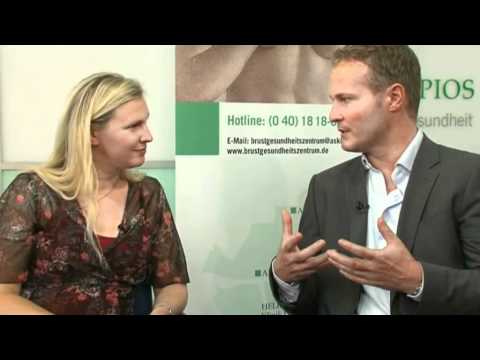
CAR-T cell therapy harnesses the patient's own immune system, genetically reprogramming white blood cells to seek out and destroy malignant cells with high precision. In this informative guide and video overview, expert insights from Asklepios Kliniken Hamburg break down the fundamental mechanisms, qualifying indications, and step-by-step treatment process of CAR-T Cell Treatment in Hamburg Germany. Discover how cutting-edge Cancer Immunotherapy in Hamburg Germany is opening new avenues of hope for patients and families worldwide.
Video Chapters & Quick Navigation
Question 1: What is CAR-T Cell Therapy and How Does it Fight Cancer?
At its core, CAR-T cell therapy represents a paradigm shift in modern oncology. As explained at [00:07], CAR-T cell therapy is a innovative form of cellular therapy that uses the patient's own genetically modified T cells. T cells are a primary component of the body's immune defense system, but cancer cells often evade their detection.
Through advanced genetic engineering, these T cells are equipped with Chimeric Antigen Receptors (CAR), enabling them to specifically recognize target proteins on cancer cells and destroy them effectively. This personalized treatment transforms a patient's own immune system into a powerful tool for Cancer Therapy in Hamburg Germany, offering targeted interventions for conditions that have resisted conventional approaches.
Question 2: Which Conditions and Patients Can Benefit From This Treatment?
CAR-T cell therapy is not currently used as a primary front-line intervention, but rather as a subsequent line of treatment for patients who have relapsed or not responded to standard therapies. At [00:22], medical experts note that it is primarily utilized for aggressive lymph node cancers, known as lymphomas. A key clinical application includes diffuse large B-cell lymphoma (DLBCL), a fast-growing subtype of non-Hodgkin lymphoma.
Furthermore, eligibility extends to younger demographics, including young adults and pediatric patients up to 25 years of age facing specific leukemic conditions. Researchers and clinicians at Asklepios Kliniken Hamburg are also expanding the boundaries of this science. At [00:49], ongoing investigations and clinical evaluations are underway for treating chronic lymphocytic leukemia and multiple myeloma, paving the way for wider approvals and applications in adult hematology.
Question 3: What is the Step-by-Step Procedure for CAR-T Cell Infusion?
The journey of receiving Cancer Treatment in Hamburg Germany via CAR-T therapy follows a highly specialized medical process. At [01:05], the initial step begins with cell harvesting, known as apheresis. During apheresis, blood is drawn into a machine similar to a dialysis device to separate and collect the patient's white blood cells (T lymphocytes), while the remaining blood components are safely returned to the patient.
Once harvested, these T lymphocytes are sent to a specialized laboratory facility where they undergo precise genetic reprogramming to recognize specific cancer markers. Prior to receiving the engineered cells, the patient undergoes a mild course of conditioning chemotherapy. As described at [01:46], this mild chemotherapy temporarily reduces non-modified T cells, creating optimal space for the newly modified CAR-T cells to multiply, survive, and function after being reinfused via a central catheter.
Overview of the CAR-T Cell Treatment Stages
| Treatment Phase | Clinical Process & Objectives |
|---|---|
| 1. Cell Collection (Apheresis) | T lymphocytes are harvested from the patient's blood using an apheresis machine while returning remaining blood components. |
| 2. Genetic Engineering | Collected T cells are sent to specialized laboratories where synthetic CAR receptors are added to target cancer cells. |
| 3. Conditioning Chemotherapy | A short, mild chemotherapy protocol is administered to clear non-modified cells and prepare the body for the modified T cells. |
| 4. CAR-T Cell Reinfusion | Genetically modified cells are reinfused into the patient via a short catheter infusion to target and eradicate malignant cells. |
Excellence in Oncology at Asklepios Kliniken Hamburg
Choosing the right clinical center is crucial when pursuing advanced immunotherapy. Asklepios Kliniken Hamburg in Hamburg, Germany, stands as one of Europe's premier medical networks, renowned for its cutting-edge oncology centers and multidisciplinary clinical expertise. Providing access to modern therapies within state-of-the-art medical environments ensures that patients receive comprehensive care during every phase of their treatment.
By blending advanced clinical research with compassionate patient management, Asklepios Kliniken Hamburg remains a destination of choice for international patients seeking top-tier hematology and oncology care in Europe.
Interested in CAR-T Cell Therapy at Asklepios Hamburg?
PlacidWay Medical Tourism connects you with world-class cancer specialists at Asklepios Kliniken Hamburg in Germany. Contact us today to explore personalized Cancer Treatment in Hamburg Germany plans and receive a complimentary quote.
GET A FREE QUOTEView Full Video Transcript
[00:00:02] [Music]
[00:00:07] CAR-T cell therapy is a new form of cell therapy using the patient's own genetically modified T cells, which can recognize specific cancer cells and fight them.
[00:00:18] [Music]
[00:00:22] Today, CAR-T therapy is used for lymph node cancers, or lymphomas, especially aggressive forms. This includes diffuse large B-cell lymphoma, a specific form, and it is used not as the primary treatment but as a subsequent treatment.
[00:00:42] It can also be used in younger patients, such as young adults or children up to the age of 25 years. It is also being investigated for other diseases, such as chronic lymphocytic leukemia. It is also being tested for multiple myeloma, and we expect approval soon.
[00:01:01] [Music]
[00:01:05] First, the patient's own T lymphocytes are collected. This is done with the help of an apheresis machine, a device similar to dialysis, which draws blood from the patient into the machine.
[00:01:19] There, the white blood cells, specifically the T lymphocytes, are separated, and the rest of the blood is returned to the patient.
[00:01:26] These collected T lymphocytes are then sent to a specialized laboratory and genetically modified so that they can recognize cancer cells.
[00:01:36] The patient later receives these T lymphocytes as a short infusion through a central catheter.
[00:01:46] Before this, the patient receives a mild form of chemotherapy, which is intended to reduce the patient's own, non-genetically modified T cells so that the genetically modified T cells can develop and function better.
[00:02:03] [Music]
[00:02:06] [Laughter]

























Share this listing