
Targeted Heart Procedures: Minimally Invasive Surgery in Istanbul Turkey
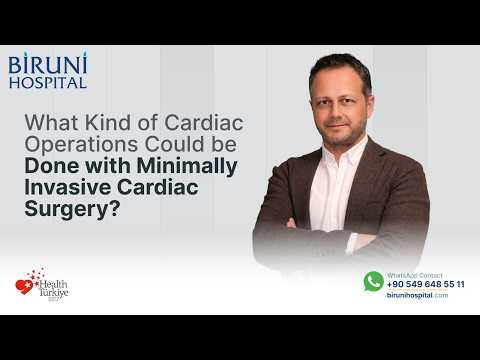
Facing open-heart surgery is often one of the most daunting medical events in a patient's life. Traditionally, cardiac procedures have required a median sternotomy—a full surgical incision through the breastbone—followed by a lengthy, painful recovery period. However, modern medical advancements have revolutionized how heart diseases are treated. Today, high-volume international centers like Biruni Hospital in Istanbul, Turkey are leading a global shift toward minimally invasive techniques that eliminate the need to cut through the sternum entirely.
Through small intercostal incisions, specialized endoscopic equipment, and advanced surgical robotics, cardiac surgeons can perform complex procedures with significantly less trauma, minimal blood loss, and rapid post-operative recovery. Whether addressing severe coronary artery disease, repairing damaged heart valves, treating complex aortic conditions, or correcting congenital defects in adults, Minimally Invasive Cardiac Surgery in Istanbul Turkey offers world-class solutions. In this comprehensive guide, we explore the specific cardiac operations available at Biruni Hospital, the scientific rationale behind minimally invasive approaches, and how patients around the world can access top-tier Cardiac Care in Istanbul Turkey.
Video Chapters & Quick Navigation
- Understanding Minimally Invasive Surgery
- Coronary Artery Bypass Grafting (CABG)
- Heart Valve Repair & Replacement
- Ascending Aorta & Aortic Root Procedures
- Adult Congenital Heart Defect Repairs
- Comparative Analysis: MICS vs. Sternotomy
- Why Choose Biruni Hospital in Istanbul
- Patient Journey & International Recovery
Understanding Minimally Invasive Cardiac Surgery: A New Paradigm
For decades, conventional cardiac surgery relied on median sternotomy—a technique where surgeons divide the sternum down the middle to access the heart. While effective, splitting the bone creates extensive surgical trauma, requires months for skeletal healing, limits physical activity, and poses risks of deep sternal wound infections. Minimally Invasive Heart Surgery in Istanbul Turkey represents a fundamental departure from this aggressive approach.
Instead of splitting the chest bone, surgeons operate through mini-thoracotomy incisions—small openings measuring approximately 4 to 6 centimeters made between the ribs on the right or left side of the chest. High-definition endoscopic cameras, specialized long-shafted surgical instruments, and advanced visual monitoring allow the surgical team to perform delicate intradermal maneuvers with exceptional clarity. As highlighted in the video overview at [00:00:00], one of the most common questions from prospective patients is what types of conditions can actually be managed through these keyhole access points.
The answer is reassuring: the vast majority of adult cardiac operations can now be performed completely sternum-sparing. By maintaining structural integrity of the chest wall, patients experience far less post-operative pain, lower blood transfusion requirements, significantly reduced hospital stays, and a rapid return to work and exercise.
Key Patient Benefits of Sternum-Sparing Heart Surgery
- Preservation of the thoracic skeleton without cutting or dividing the breastbone.
- Dramatic reduction in post-operative wound complications, infections, and bone healing delays.
- Substantially lower intraoperative blood loss and decreased need for donor blood transfusions.
- Shorter intensive care unit (ICU) stays and overall hospital discharge within 4 to 5 days.
- Minimal cosmetic scarring compared to full vertical chest incisions.
- Faster functional rehabilitation, allowing patients to drive and lift objects within weeks rather than months.
Coronary Artery Bypass Grafting (CABG) Without Opening the Sternum
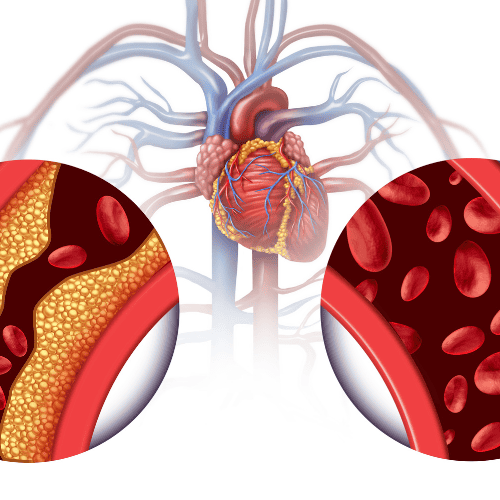
Coronary artery disease remains the leading cause of cardiovascular mortality worldwide. When multiple coronary arteries become severely blocked, Coronary Artery Bypass Grafting (CABG) is necessary to restore healthy blood supply to the myocardium. Traditionally, CABG required full sternotomy and off-pump or on-pump heart-lung bypass support. Today, advanced clinical protocols for Minimally Invasive Cardiac Surgery in Istanbul Turkey allow cardiac surgeons to revascularize blocked vessels through keyhole access.
At [00:00:13], the expert surgical team emphasizes that almost all coronary bypass procedures can be executed without dividing the breastbone. This holds true even when utilizing full arterial revascularization—the gold standard in bypass longevity where internal mammary arteries are harvested to graft blocked coronary channels.
Through a left mini-thoracotomy incision (MICS-CABG), the left internal thoracic artery (LITA) and right internal thoracic artery (RITA) or radial arteries can be harvested endoscopically and anastomosed onto targeted coronary arteries. Because the chest structure remains intact, elderly patients, diabetic individuals, and those with severe osteoporosis avoid the severe complications typically associated with sternal bone healing.
Advanced Heart Valve Repair and Replacement Operations
Valvular heart diseases, including mitral regurgitation, aortic stenosis, and tricuspid dysfunction, require precise surgical intervention to prevent progressive heart failure. A primary focus of Cardiac Care in Istanbul Turkey at Biruni Hospital is prioritizing valve preservation whenever clinically viable.
As detailed at [00:00:25], the majority of valvular procedures are carried out through tiny side-chest incisions without sternotomy. Operating through a 4 to 5 cm right mini-thoracotomy gives the surgical team direct, magnified visualization of the mitral and tricuspid valves. Utilizing 3D endoscopic visual guidance, surgeons can perform delicate annuloplasty ring insertions, leaflet reshapes, chordal reattachments, or complete valve replacements with surgical precision identical to—or exceeding—traditional open approaches.
Surgical Valve Spectrum in Keyhole Surgery
- Mitral Valve Repair: Reconstruction of prolapsed leaflets and annuloplasty ring placement without cutting bone.
- Mitral Valve Replacement: Implantation of biological or mechanical prostheses for heavily calcified valves.
- Aortic Valve Replacement (AVR): Sternal-sparing replacement via right anterior mini-thoracotomy or mini-sternotomy.
- Tricuspid Valve Reconstruction: Direct repair for functional tricuspid regurgitation during multi-valve interventions.
- Double-Valve Interventions: Combined mitral and tricuspid repairs performed within a single minimally invasive setting.
Surgical Management of the Ascending Aorta and Aortic Root
Pathologies of the ascending aorta and aortic root—such as aortic aneurysms, ectasia, and aortic root dilation—were historically considered too complex for anything other than full sternotomy access. However, specialized centers offering Minimally Invasive Heart Surgery in Istanbul Turkey have expanded keyhole capabilities to include complex proximal aortic reconstructions.
As highlighted in the clinical video transcript at [00:00:35], major surgical conditions affecting both the ascending aorta and the aortic root can be corrected without opening the sternum. Through a mini-thoracotomy or partial upper hemisternotomy, surgeons can perform aortic root remodeling, valve-sparing aortic root replacements (David or Yacoub procedures), or bentall operations (composite graft replacements).
By executing these high-complexity aortic interventions through reduced-access incisions, surgical teams minimize systemic inflammatory response, reduce hypothermic circulatory arrest risks, and protect fragile vessel tissues from excessive exposure.
Correcting Adult Congenital Heart Defects Endoscopically
Congenital heart defects are not limited to pediatric care; many adults live with undetected or uncorrected structural malformations such as Atrial Septal Defects (ASD) or Ventricular Septal Defects (VSD). Additionally, conditions like anomalous pulmonary venous return or cardiac myxomas require surgical correction during adult life.
As noted at [00:00:42], adult congenital anomalies can be repaired completely using minimally invasive and endoscopic cardiac surgery techniques. Through a tiny right lateral submammary incision, the heart is accessed and peripheral cardiopulmonary bypass is established via femoral vessels. The surgical patch closure of an ASD or VSD is then executed under direct 3D visual enhancement, leaving an unnoticeable cosmetic scar under the arm or breast contour.
Comparative Analysis: Minimally Invasive vs. Traditional Median Sternotomy
To better understand why international patients seek Cardiac Care in Istanbul Turkey, it is useful to review the quantitative clinical differences between conventional open-chest procedures and modern keyhole approaches.
| Surgical Parameter | Traditional Median Sternotomy | Minimally Invasive Cardiac Surgery (MICS) |
|---|---|---|
| Chest Incision Type | Full midline vertical cut (20-25 cm) splitting the sternum bone | Small mini-thoracotomy (4-6 cm) between ribs; bone intact |
| Bone Healing Duration | Requires 3 to 6 months for complete sternal bone fusion | No bone divided; soft tissue healing within 2 to 3 weeks |
| Post-Op ICU Stay | Typically 2 to 4 days depending on stability | Usually 24 hours in intensive recovery setting |
| Total Hospitalization | 7 to 10 days in total inpatient care | 4 to 5 days average before safe discharge |
| Blood Transfusion Rate | Moderate to high due to bone marrow bleeding | Significantly reduced intraoperative blood loss |
| Return to Normal Activity | Strict weight-lifting limits for 12+ weeks | Light driving & daily activities within 2 to 4 weeks |
The Biruni Hospital Advantage: Leading Cardiovascular Center in Turkey
Located in the heart of Istanbul, Biruni Hospital has established itself as an international hub for advanced medicine, combining academic research with clinical excellence. Named after the legendary polymath Abu Rayhan al-Biruni, the hospital reflects a commitment to scientific discovery, state-of-the-art technological infrastructure, and compassionate patient care.
The Cardiovascular Surgery Department at Biruni Hospital is equipped with hybrid operating theaters featuring real-time 3D transesophageal echocardiography (TEE), advanced robotic-assisted tools, and high-definition endoscopic platforms designed specifically for keyhole interventions. Patients seeking Minimally Invasive Cardiac Surgery in Istanbul Turkey benefit from a multidisciplinary team approach involving internationally trained cardiac surgeons, dedicated cardiac anesthesiologists, perfusionists, and specialized ICU nurses.
Clinical Pillars of Cardiac Excellence at Biruni Hospital
- Dedicated Cardiovascular Hybrid Suites designed specifically for complex endoscopic procedures.
- Board-certified cardiovascular surgeons with thousands of successful sternum-sparing procedures completed.
- Full international accreditation standards adhering to European and American cardiovascular protocols.
- Comprehensive pre-operative planning using high-resolution multidetector CT angiography.
- Complete multi-lingual medical assistance ensuring clear communication for global patients.
Your Medical Travel Journey for Cardiac Care in Istanbul
Traveling abroad for heart surgery requires careful planning, transparent communication, and comprehensive medical support. Biruni Hospital offers streamlined medical tourism services designed to make international patient travel seamless and stress-free.
From the initial remote consultation to post-discharge recovery, patients receiving Minimally Invasive Heart Surgery in Istanbul Turkey undergo a structured journey. Pre-operative evaluations including coronary angiography, echocardiograms, and blood analyses are thoroughly reviewed by a multidisciplinary cardiac board prior to arrival. Upon arrival in Istanbul, patients are greeted at the airport, assisted by dedicated personal interpreters, and admitted to comfortable private suites.
Because keyhole surgery allows for such a rapid recovery, international patients typically need to stay in Istanbul for only 10 to 14 days total—including pre-op testing, surgery, hospital stay, and final outpatient check-up—before returning safely to their home countries.
Ready to Explore Minimally Invasive Cardiac Surgery at Biruni Hospital?
PlacidWay Medical Tourism connects you directly with top cardiovascular specialists at Biruni Hospital in Istanbul, Turkey. Receive personalized medical quotes for Cardiac Care in Istanbul Turkey, expert surgical evaluations, and end-to-end travel guidance for your heart care journey.
GET A FREE QUOTEView Full Video Transcript
[00:00:00] A frequently question we have is what is
[00:00:03] a minimal invasive cardiac surgery and
[00:00:05] what kind of cardiac operations could be
[00:00:07] [music] done by this technique. The
[00:00:09] answer is the majority of the cardiac
[00:00:11] operations could be done with this
[00:00:13] technique including almost all coronary
[00:00:16] arterial bypass grafting.
[00:00:18] Even if [music] we use full arterial
[00:00:20] grafting, we prefer to do them without
[00:00:23] opening the sternum. The majority of the
[00:00:25] valve operations are done through small
[00:00:28] incisions without opening the sternum so
[00:00:31] we can repair them instead of replacing
[00:00:33] them. So the majority of the cardiac
[00:00:35] valve operations and the ascending aorta
[00:00:38] and the root of aorta could be fixed
[00:00:41] without opening the sternum. Some
[00:00:42] congenital adult heart problems like
[00:00:46] atrial or ventricular septal defect
[00:00:49] [music]
[00:00:49] could be repaired with these minimally
[00:00:51] invasive and endoscopic cardiac surgery
[00:00:54] techniques.






















Share this listing