


The Complete Guide to Stem Cell Therapy for Juvenile Parkinson's in Tijuana, Mexico
Living with juvenile onset Parkinson's disease presents unimaginable challenges, often halting a vibrant life just as it begins. Traditional medications and therapies frequently lose their efficacy over time, leaving families desperately searching for alternative treatments for early onset Parkinson's. Today, groundbreaking advancements in regenerative medicine provide an unprecedented beacon of hope.
Watch to uncover how targeted stem cell therapy for Juvenile Parkinson's in Tijuana Mexico is revolutionizing neurological care. Patients from across the globe are crossing the border to access world-class, affordable stem cell treatment for Parkinson's disease, successfully restoring their motor function and reclaiming their independence.
Video Chapters & Quick Navigation
Understanding Juvenile Onset Parkinson's Disease
Parkinson’s disease is traditionally viewed as a neurodegenerative condition that primarily affects the elderly population. However, juvenile onset Parkinson's disease symptoms can begin manifesting in patients before the age of 21, creating unique and devastating physical, emotional, and psychological challenges. This extremely rare subset of the disease accounts for less than one percent of all Parkinson's diagnoses globally.
The pathology of juvenile Parkinson's is frequently tied to specific genetic mutations, most notably in the PRKN, PINK1, or PARK7 genes. These mutations disrupt the brain's ability to clear away damaged cellular proteins, leading to the premature death of dopamine-producing neurons in the substantia nigra. As detailed in the video at , this dramatic loss of dopamine profoundly impacts voluntary movement.
Young patients typically experience severe dystonia, an excruciating condition characterized by involuntary muscle contractions and painful cramps. Unlike older patients who primarily present with resting tremors, juvenile patients often battle extreme muscle rigidity, bradykinesia (slowness of movement), and severe balance issues. The rapid onset of these symptoms during a patient's formative years disrupts education, career development, and social integration.
The Limitations of Traditional Pharmaceutical Approaches
For decades, the gold standard of care has been the administration of levodopa, a synthetic precursor to dopamine. While levodopa can initially mask juvenile onset Parkinson's disease symptoms effectively, young bodies metabolize the drug differently over time. Because these patients face decades of disease management, prolonged levodopa use inevitably leads to levodopa-induced dyskinesia (LID).
Dyskinesia presents as uncontrollable, writhing movements that can be just as debilitating as the Parkinson's symptoms themselves. Furthermore, pharmaceutical interventions do absolutely nothing to halt the underlying death of dopaminergic neurons. This stark realization leaves families searching for alternative treatments for early onset Parkinson's that target the root cause of neurodegeneration rather than merely managing surface-level symptoms.
Why Regenerative Medicine Offers Unprecedented Hope
Regenerative medicine has introduced a paradigm shift in how neurodegenerative diseases are treated. Instead of simply masking chemical deficiencies, mesenchymal stem cell therapy in Mexico focuses on repairing cellular damage, reducing brain inflammation, and promoting the survival of existing neurons. This approach addresses the progressive nature of the disease head-on.
Stem cells are the master building blocks of the human body, possessing the unique ability to differentiate into various cell types and secrete potent healing proteins. When strategically introduced into a patient suffering from Juvenile Parkinson's, these cells navigate toward areas of severe inflammation within the central nervous system. As highlighted at , this targeted migration is crucial for mitigating neurological decline.
The Potent Role of Mesenchymal Stem Cells (MSCs)
The most commonly utilized cells for this therapy are Mesenchymal Stem Cells (MSCs), frequently harvested from ethically donated human umbilical cord tissue, specifically Wharton's Jelly. These neonatal cells are considered immune-privileged, meaning they do not trigger a rejection response in the recipient's body. They are incredibly robust, young, and possess highly active regenerative properties.
Once administered, MSCs employ a mechanism known as the "paracrine effect." They release high concentrations of neurotrophic factors, cytokines, and exosomes directly into the surrounding neural tissue. These biological signals instruct damaged, dying neurons to repair themselves while simultaneously stimulating the creation of new neural pathways, a process known as neuroplasticity.
Combating Neuroinflammation and Oxidative Stress
In Juvenile Parkinson's disease, chronic neuroinflammation acts like a smoldering fire, slowly destroying healthy brain tissue. Stem cells are exceptionally powerful immunomodulators. They have the ability to calm the hyperactive immune response in the brain, effectively extinguishing the neuroinflammatory fire that drives disease progression.
Additionally, MSCs protect the brain against oxidative stress by enhancing mitochondrial function within the neurons. By restoring cellular energy production, the remaining dopamine-producing cells become stronger, healthier, and more resilient. This multi-faceted approach explains why alternative treatments for early onset Parkinson's utilizing regenerative medicine are showing such profound clinical promise.
Why Choose Tijuana, Mexico for Regenerative Medicine?
The prospect of traveling abroad for medical care can initially seem daunting, but Tijuana has rapidly emerged as a premier global hub for regenerative therapies. Located just minutes across the border from San Diego, California, the city offers an unparalleled combination of geographical convenience, top-tier medical expertise, and stringent regulatory oversight.
As mentioned in the video at , the best regenerative medicine clinics in Mexico operate out of state-of-the-art hospitals that rival leading facilities in the United States. These medical centers are staffed by bilingual, internationally trained neurologists, hematologists, and stem cell researchers who adhere to the highest global standards of patient care.
Advanced Medical Facilities and Global Standards
The stem cell laboratories in Tijuana utilize highly sophisticated clean rooms and advanced cellular expansion technologies. Cells are rigorously screened for infectious diseases, genetic abnormalities, and viability before they are ever approved for patient use. This uncompromising commitment to quality assurance ensures that patients receive the safest, most effective biological products available.
Furthermore, the regulatory environment in Mexico, overseen by COFEPRIS (The Federal Committee for Protection from Sanitary Risks), is progressive yet highly regulated. Unlike the FDA in the United States, which categorizes expanded stem cells as biological drugs requiring decades of trials, Mexican regulations permit the clinical application of cultured MSCs under strict medical supervision. This allows patients immediate access to life-changing therapies.
Advanced Clinical Protocols: Bypassing the Blood-Brain Barrier
Treating neurological conditions requires specialized medical techniques. The human brain is protected by the blood-brain barrier (BBB), a highly selective semipermeable border that prevents most large molecules and cells in the blood from entering the central nervous system. Traditional intravenous (IV) treatments alone often struggle to deliver sufficient cell quantities to the brain.
To overcome this anatomical hurdle, top specialists in Tijuana employ a dual-administration protocol. As detailed at , patients receive a systemic intravenous infusion to address systemic inflammation, combined with an intrathecal injection. The intrathecal method involves administering the stem cells directly into the spinal canal.
By delivering the MSCs directly into the cerebrospinal fluid, the cells bypass the blood-brain barrier entirely. The cerebrospinal fluid acts as a superhighway, rapidly transporting millions of highly active, regenerative cells straight into the brain and the substantia nigra. This highly targeted approach dramatically amplifies the therapeutic efficacy of the treatment.
The Cost of Stem Cell Therapy in Tijuana vs. The United States
The financial burden of chronic neurodegenerative diseases is staggering. In the United States and Europe, experimental or off-label cellular therapies, when available, are prohibitively expensive due to exorbitant laboratory costs, hospital fees, and administrative markups. This harsh economic reality restricts access to only the wealthiest individuals.
Conversely, affordable stem cell treatment for Parkinson's disease is a hallmark of the medical tourism sector in Tijuana. The cost of living, reduced administrative overhead, and specialized laboratory partnerships allow Mexican clinics to offer the exact same premium stem cell therapies at a fraction of the price. This democratization of healthcare is saving families from medical bankruptcy.
| Treatment Component | Estimated Cost in US/Europe | Estimated Cost in Tijuana, Mexico |
|---|---|---|
| Comprehensive Neurological Evaluation | $2,500 - $4,000 | Included in Package |
| Mesenchymal Stem Cell Expansion (100M+ Cells) | $18,000 - $30,000 | $5,000 - $8,500 |
| Intrathecal Administration via Specialist | $5,000 - $8,000 | Included in Package |
| Deep Brain Stimulation (Surgical Alternative) | $70,000 - $100,000+ | Not Applicable here |
| Total Estimated Out-of-Pocket | $25,500 - $42,000+ | $6,500 - $11,500 |
Comprehensive Care Packages: What to Expect During Your Treatment
Undergoing medical treatment abroad is a significant decision, which is why top clinics in Tijuana offer comprehensive, all-inclusive care packages. From the moment you land at the San Diego International Airport, every logistical detail is meticulously managed. Dedicated bilingual patient coordinators provide luxury shuttle transportation directly from the airport, across the border, and to your accommodations.
The typical patient journey is carefully structured over a three-to-four-day period. This relaxed timeline ensures patient comfort and allows the medical team to conduct thorough evaluations without rushing the process. The focus is entirely on providing a stress-free, healing environment for the patient and their accompanying family members.
Day 1: Comprehensive Patient Evaluation
Upon arriving at the clinic, patients undergo an extensive series of medical evaluations. This includes blood panels, neurological assessments, and detailed consultations with the attending specialist. The medical team reviews the patient's entire history of juvenile onset Parkinson's disease symptoms to customize the exact dosage and administration protocol for the following day.
Day 2: The Administration Process
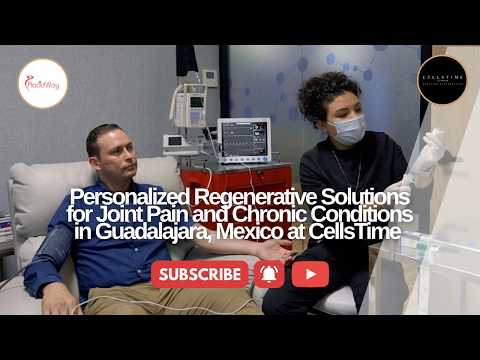
The primary treatment day is handled with the utmost clinical precision. Patients are made comfortable in private recovery suites. Under mild sedation or local anesthesia, the intrathecal injection is performed by a board-certified anesthesiologist or neurologist. This is immediately followed by the systemic intravenous drip. The entire procedure is minimally invasive, virtually painless, and takes only a few hours to complete.
Day 3: Post-Treatment Observation
The final day involves monitoring and follow-up consultations. Doctors assess the patient's immediate response to the treatment, provide comprehensive dietary and lifestyle guidelines, and detail the post-care recovery plan. By the afternoon, patients are typically cleared to travel back across the border to San Diego for their flight home.
Navigating Medical Tourism in Tijuana: Safety and Logistics
Safety is the primary concern for any family seeking medical care abroad. Tijuana's medical tourism sector is a highly regulated, multi-million-dollar industry. The clinics catering to international patients are located in safe, affluent commercial districts such as Zona Rio, which is heavily monitored and easily accessible from the border.
To ensure a seamless experience, here are essential logistical benefits of choosing Tijuana for your care:
- The Medical Fast Pass: Premium clinics provide patients with a medical border pass, granting access to a dedicated lane that significantly reduces wait times when crossing back into the United States.
- Bilingual Concierge Services: Language is never a barrier. From nurses to leading doctors, the entire clinical staff is fluent in English, ensuring crystal-clear communication regarding medical procedures.
- Partner Accommodations: Clinics frequently partner with major, recognizable hotel chains (like Marriott or Hyatt) located near the medical facilities, offering discounted rates and modified rooms for patients with mobility issues.
Long-Term Recovery Expectations and Cellular Healing
It is vital to understand that mesenchymal stem cell therapy in Mexico is not an overnight cure, but rather a profound catalyst for long-term neurological repair. The healing process operates on a cellular timeline. Following the intrathecal administration, the newly introduced cells immediately begin working to halt systemic inflammation, but visible motor improvements take time to manifest.
As documented by patient experiences at , initial improvements in energy levels and sleep quality are often noticed within the first few weeks. However, the most significant neurological milestones—such as a reduction in muscle rigidity, decreased tremors, and improved balance—typically unfold over a three to six-month period as neurogenesis takes effect and new neural pathways are established.
To maximize the efficacy of the treatment, the best regenerative medicine clinics in Mexico provide holistic post-care regimens. Patients are guided on anti-inflammatory diets, specialized physical therapy exercises, and neuro-rehabilitation techniques. By combining cellular therapy with dedicated physical rehabilitation, young patients are achieving remarkable improvements in their quality of life, moving away from the shadow of Juvenile Parkinson's and stepping back into the light of their futures.
Ready to Explore Stem Cell Therapy in Mexico?
Do not let Juvenile Parkinson's dictate your future. PlacidWay Medical Tourism connects you with globally accredited, top-rated regenerative clinics in Tijuana offering life-changing therapies at affordable prices. Let our experts guide you through every step of your medical journey.
GET A FREE MEDICAL QUOTE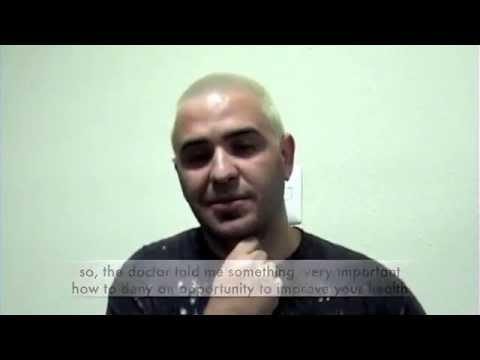
.png)


.png)

.png)


.png)
.png)
.png)
.png)








Share this listing